What Goes Wrong With Basement Waterproofing?
Basement waterproofing that’s done wrong, or on the wrong diagnosis, leaves you with a still-wet basement and money spent. The common mistakes tend to be about treating symptoms instead of causes, or choosing the wrong solution. Avoiding them gets you a dry basement that stays dry. Here’s what goes wrong and how to avoid it.
Mistake: Ignoring the Outside Source
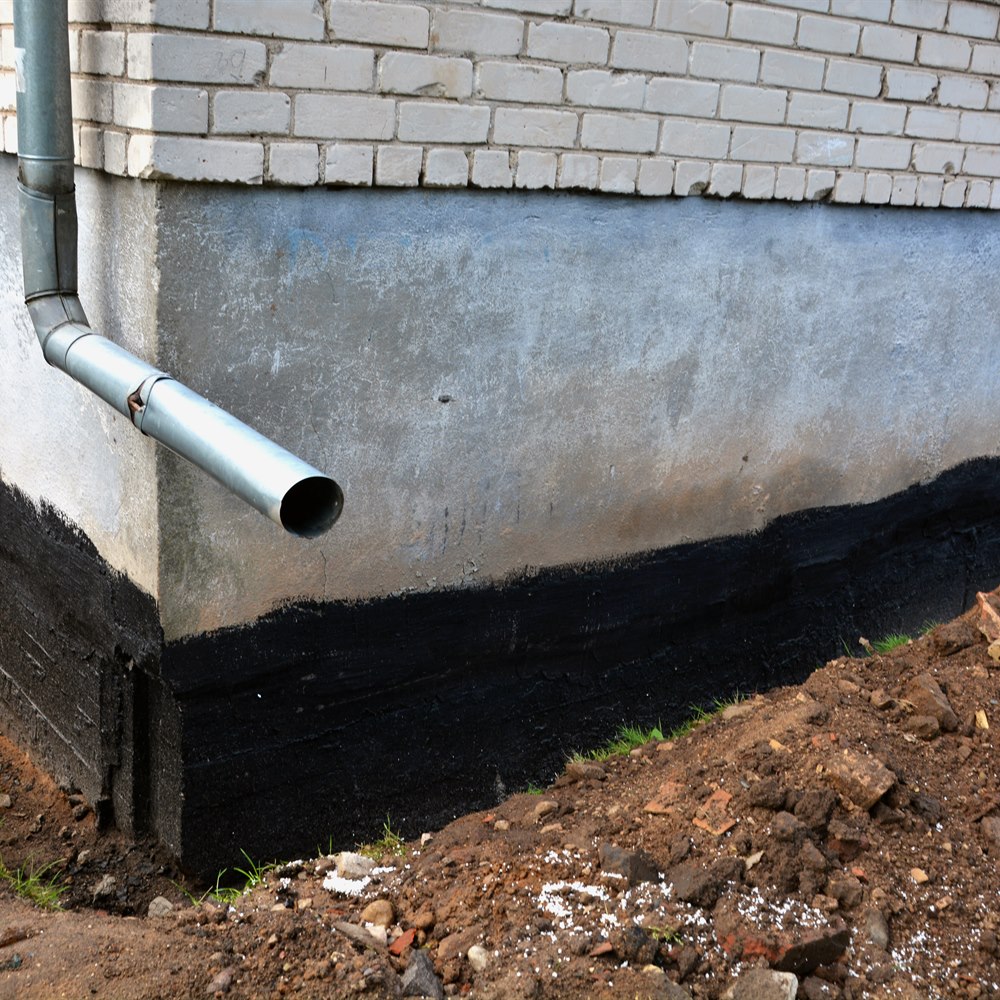
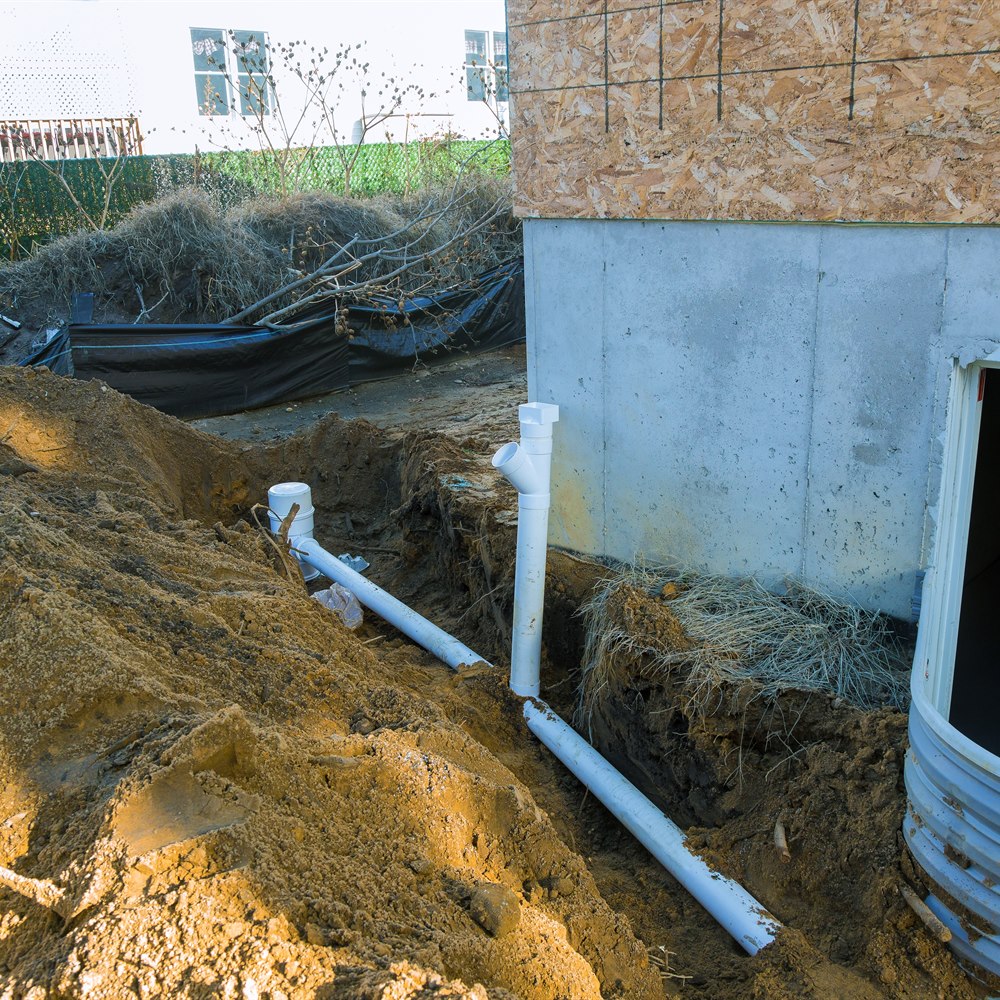
How to avoid it: The most common mistake is waterproofing inside while ignoring the outside cause, downspouts dumping at the foundation, poor grading, clogged drainage. The water keeps coming, and even a good interior system is fighting a battle it shouldn’t have to. Avoid it by addressing outside sources first (downspouts, grading, gutters), which are cheap and high-impact. Fix why the water is coming, not just where it ends up. The cheapest fixes are often outside. The imbalance is striking, because redirecting a downspout or regrading a strip of soil might cost very little and remove much of the water an interior system would otherwise spend thousands collecting and pumping, so tackling the outside sources first isn’t just good sequence but often the single highest-return step available, and skipping it means a costly interior system spends its life fighting water that never needed to arrive.
Mistake: Relying on Waterproofing Paint or Sealer Alone
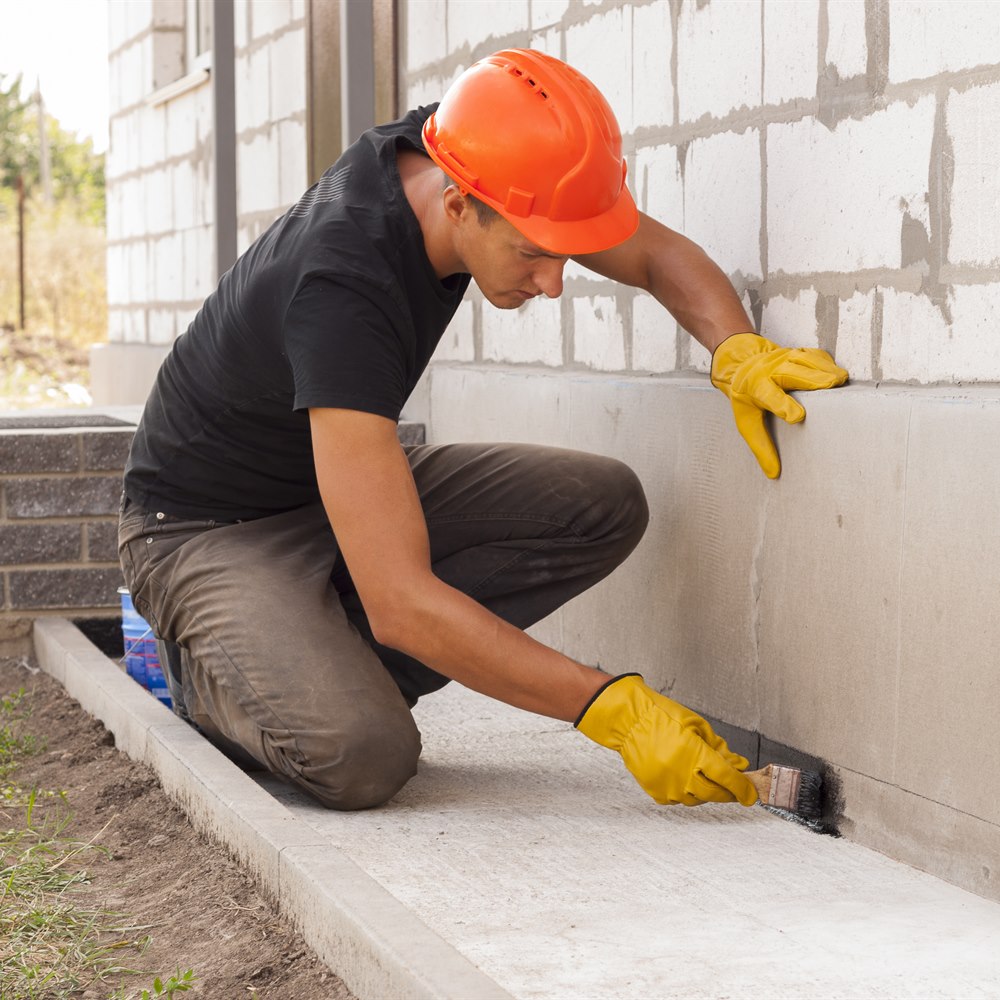
How to avoid it: Waterproofing paints and sealers applied to interior walls are often sold as a fix but rarely solve a real water problem, they can’t withstand hydrostatic pressure and may trap moisture or peel. Avoid it by not relying on interior paint as a solution for a genuine water problem; it’s cosmetic at best for anything serious. A real water problem needs a real drainage or exterior solution, not just a coating. Paint is not waterproofing for a wet basement. The physics are why these coatings disappoint on a real problem: water pushing through a wall under hydrostatic pressure exerts far more force than a surface film can resist, so the paint blisters, peels, or simply lets water through behind it, and worse, by sealing the interior face it can trap moisture within the wall, so for anything beyond very minor dampness a coating is at best cosmetic and at worst counterproductive. (For more on this, see Hidden Costs of Basement Waterproofing.) The EPA treats moisture control as the decisive factor — mold returns unless the water source is fixed.
Mistake: Choosing the Wrong Approach
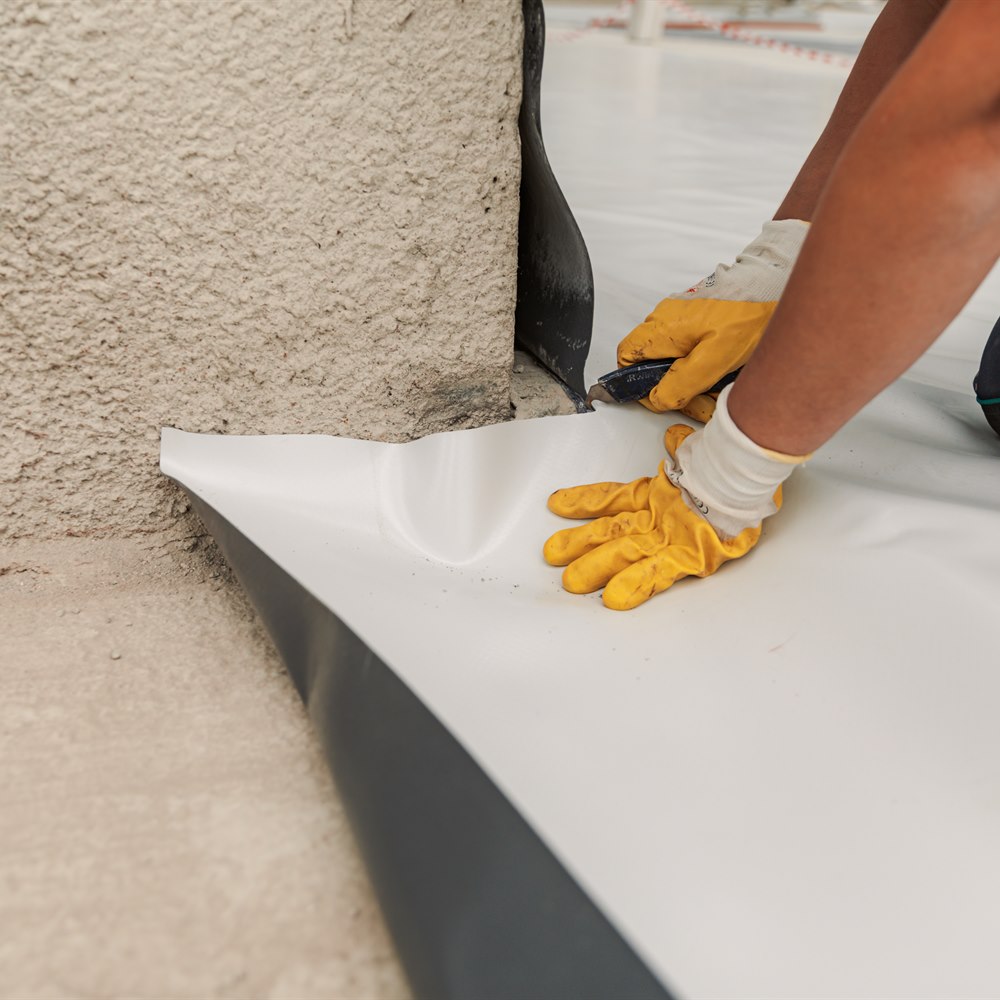
How to avoid it: Applying an interior system where the problem calls for exterior work (or vice versa), or a full system where a targeted fix would do, wastes money or fails to solve the problem. Avoid it by getting an accurate diagnosis of the water’s source and behavior, and matching the approach to it. The right solution depends on the specific problem. An accurate diagnosis is what points to the correct approach. The two directions of this error are equally wasteful, an interior system installed where the real need was exterior source-blocking, or a full excavation where a targeted crack seal would have sufficed, both leave you having spent on the wrong solution, which is why the money spent on a careful diagnosis of where the water comes from and how it behaves is what protects the far larger sum spent on the fix.
Mistake: Neglecting the Sump Pump Backup
How to avoid it: An interior system depends on the sump pump, and storms that cause flooding often cause power outages too, exactly when a pump without backup fails. Avoid it by including a battery backup for the sump pump. Without it, the system can fail during the very storm it’s meant to handle. A sump pump backup is essential, not optional, for reliable protection. Don’t let an outage defeat your waterproofing. This mistake is especially costly because it fails silently until the worst possible moment, the system tests fine in dry weather and gives every appearance of working, right up until a storm knocks out power while dumping water into the basement, so the backup isn’t insurance against an unlikely event but preparation for a genuinely common coincidence of flooding and outage that a primary-pump-only system is built to lose. (For more on this, see The Best Basement Waterproofing Solution for Your Situation.) The EPA identifies radon as the second leading cause of lung cancer and recommends testing any home, new or old.
Mistake: Not Addressing Existing Mold
How to avoid it: Waterproofing a basement that already has mold, without remediating the mold, leaves a health hazard sealed inside. Avoid it by addressing existing mold (professional remediation if significant) as part of the project. Stopping the water is necessary but doesn’t remove mold that’s already there. Deal with existing mold, not just future water. A dry basement should also be a healthy one. The reason this matters beyond aesthetics is that mold is a health issue as well as a structural one, and sealing a basement against future water while leaving existing colonies behind the walls simply encloses the problem, so remediating what’s already there, professionally if it’s extensive, is what turns a newly dry basement into one that’s actually safe to occupy and, if finished, to live in. (For more on this, see Basement Waterproofing Mistakes to Avoid.)
Mistake: Falling for Overselling
How to avoid it: The waterproofing industry has its share of overselling, recommending an expensive full system for a problem a simple fix would solve. Avoid it by getting multiple assessments and being skeptical of a pushy, expensive recommendation for a minor problem. An honest assessment matches the solution to the real problem. Don’t let overselling turn a small fix into a big bill. The defense is the same one that protects against overselling in any high-uncertainty trade: gather more than one independent assessment and be especially skeptical when an alarming, expensive recommendation follows a free inspection, since a genuine problem will read consistently across honest assessors, while a manufactured one tends to shrink considerably the moment a second opinion with nothing to sell takes a look.
Staying Ahead of Mistakes
The common waterproofing mistakes, ignoring the outside source, relying on paint, wrong approach, no sump backup, ignoring mold, and overselling, come down to treating the real cause with the right solution. A reputable contractor who diagnoses honestly helps you avoid them. When you’re ready to connect with trustworthy local pros, connect below.
Frequently Asked Questions
Ignoring the outside source, waterproofing inside while downspouts dump at the foundation, grading slopes toward the house, or drainage is clogged. The water keeps coming and even a good interior system fights a battle it shouldn't. Address cheap, high-impact outside fixes first, fix why the water comes, not just where it ends up.
Rarely for a real problem. Interior waterproofing paints and sealers can't withstand hydrostatic pressure and may trap moisture or peel, they're cosmetic at best for anything serious. A genuine water problem needs a real drainage or exterior solution, not just a coating. Paint is not waterproofing for a wet basement.
Get an accurate diagnosis of the water's source and behavior, and match the approach to it, interior for managing water inside, exterior for blocking it at the source, a targeted fix for a specific leak. Applying the wrong approach wastes money or fails to solve the problem. Accurate diagnosis points to the correct solution.
Because storms that cause flooding often cause power outages too, exactly when a pump without backup fails. A battery backup keeps it running through an outage. Without it, the system can fail during the very storm it's meant to handle. A sump pump backup is essential, not optional, for reliable protection.
Yes. Waterproofing a basement that already has mold without remediating it leaves a health hazard sealed inside. Address existing mold (professional remediation if significant) as part of the project, stopping the water is necessary but doesn't remove mold that's already there. A dry basement should also be a healthy one.