What Hidden Costs Come With Basement Waterproofing?
The quoted price for a waterproofing system is often only part of the total. Because water problems have outside causes and the work disturbs the basement, several costs can catch homeowners off guard. Knowing them keeps your project on budget. Here’s what to plan for.
Addressing the Outside Source
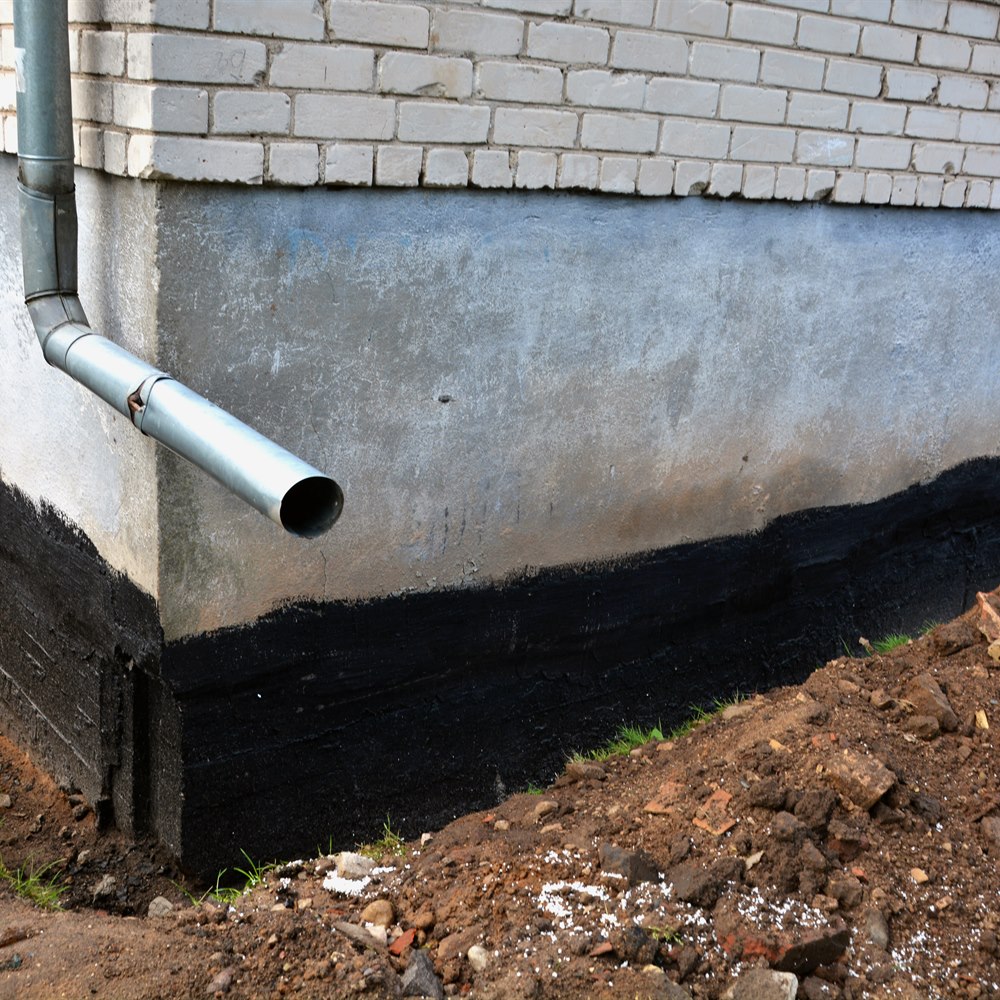
Water in a basement usually starts outside, and a complete fix may require addressing the source, not just managing the water inside. Poor grading that slopes toward the house, downspouts dumping at the foundation, or clogged exterior drainage all send water to your basement. Fixing these, regrading, extending downspouts, adding exterior drainage, is real work beyond the interior system. A waterproofing job that ignores the outside source is incomplete. Budget for addressing why the water is coming, not just where it ends up. The grading point is worth understanding because it’s both the most common cause and one of the cheapest to fix: the soil around a foundation is supposed to slope away from the house so rain runs off, but over time settling or landscaping can reverse that slope toward the foundation, turning the ground around your house into a funnel that delivers water straight to the basement wall it’s meant to protect. (For more on this, see The Drawbacks of Basement Waterproofing: An Honest Look.)
Exterior Excavation and Restoration
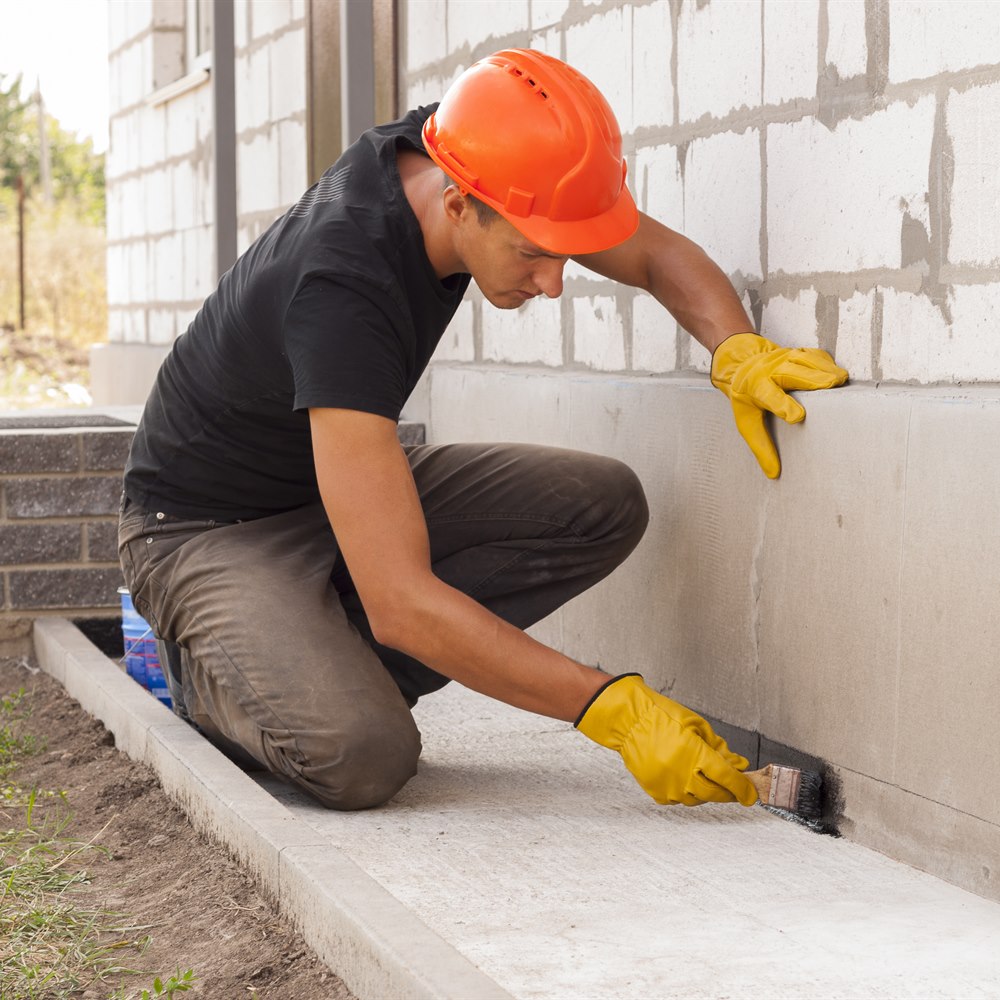
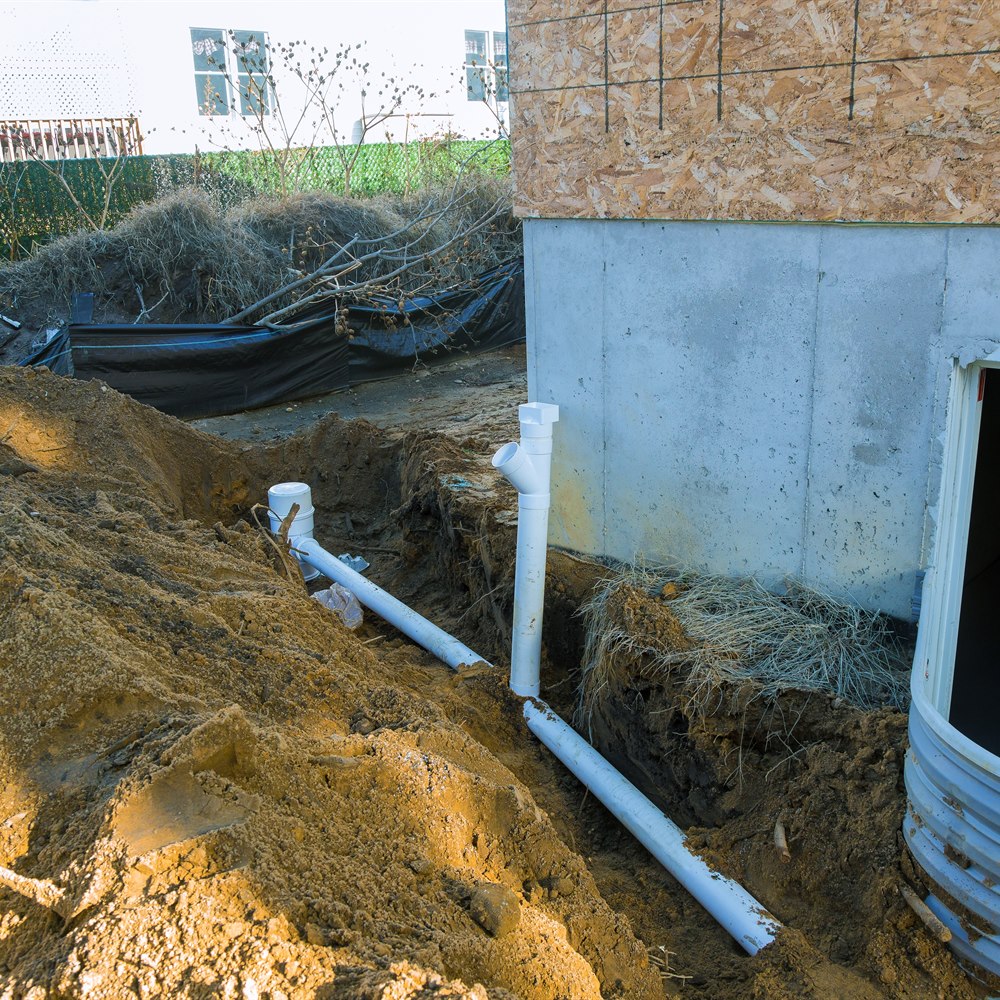
Exterior waterproofing requires excavating around the foundation, and restoring what’s disturbed adds cost. Landscaping, walkways, patios, decks, or other features around the foundation must be removed and restored. The digging itself is significant labor, and putting the yard back together afterward is more. For exterior work, budget for both the excavation and the restoration of everything around the foundation. It’s a bigger disruption than the waterproofing alone suggests. The depth of the excavation is what makes exterior restoration so involved, because reaching the footing means digging a trench the full height of the foundation wall, so anything sitting in that zone, a deck footing, a mature shrub, a concrete walk, a buried gas or water line, has to be removed or carefully worked around and then rebuilt, which is why the yard restoration can approach the cost of the waterproofing itself.
Sump Pump, Backup, and Electrical
An interior system relies on a sump pump, and a reliable setup often includes a battery backup (so it works during a power outage, when storms cause both flooding and outages) and proper electrical. These additions, a backup pump, battery, or dedicated circuit, add cost but are important for reliability. A basic quote may include only the primary pump. For dependable protection, budget for the backup and electrical, not just the pump. A sump pump that fails during an outage defeats the purpose. The scenario the backup guards against is a specific and common one: the heavy storms that overwhelm a basement with water are frequently the same storms that knock out power, so a sump pump running only on household current can go dead at the exact moment the water is rising fastest, which is why a battery backup, or in some cases a water-powered backup, is treated as core to a reliable system rather than an upgrade. (For more on this, see Common Basement Waterproofing Mistakes and How to Avoid Them.) The EPA identifies radon as the second leading cause of lung cancer and recommends testing any home, new or old.
Mold Remediation
If the basement has had water problems, mold may be present, and remediating existing mold is a separate cost from waterproofing. A wet basement often means mold behind walls or on surfaces that needs professional removal before or alongside waterproofing. This is a real, sometimes significant, cost that a waterproofing quote won’t include. If your basement has been wet and musty, budget for potential mold remediation. The link is direct, since mold needs only moisture and an organic surface to grow, and a basement that has been damp for a while typically supplies both on drywall, wood framing, and stored belongings, so a musty odor is often the first sign that remediation, not just waterproofing, belongs in the project, because sealing out future water does nothing about colonies already established behind the walls. (For more on this, see What Makes Basement Waterproofing Cost More (or Less)?.) The EPA treats moisture control as the decisive factor — mold returns unless the water source is fixed.
Restoring the Finished Basement
Interior waterproofing (especially perimeter drainage) may require removing part of a finished basement, flooring, drywall, or framing along the walls, and restoring it adds cost. Installing a perimeter drain means accessing the floor edge, which can disturb finishes. For a finished basement, budget for restoring what the interior work disturbs, beyond the waterproofing itself. Installing an interior perimeter drain is the specific reason finished basements get disturbed, because the channel has to be cut into the floor slab right at the base of the walls, exactly where finished flooring, baseboard, and the bottom of drywall or paneling sit, so that lower band of finish typically has to come out to install the system and then be rebuilt, a restoration cost a bare waterproofing quote can easily omit.
Keeping Costs Predictable
The way to avoid surprises is to account for the full picture: addressing the outside source (grading, downspouts), exterior excavation and restoration, sump pump backup and electrical, potential mold remediation, and restoring finished space. A reputable contractor raises these upfront. When you’re ready for a complete, honest quote, connect with local pros below.
Frequently Asked Questions
Addressing the outside source. Water usually starts outside, poor grading toward the house, downspouts dumping at the foundation, clogged exterior drainage, so a complete fix may require regrading, extending downspouts, or adding exterior drainage, real work beyond the interior system. A job that ignores the source is incomplete.
Yes, excavation and restoration. It requires digging around the foundation, and landscaping, walkways, patios, or decks must be removed and restored. The digging is significant labor and putting the yard back together is more. Budget for both the excavation and the restoration of everything around the foundation.
For reliable protection, often yes. A battery backup keeps the sump pump working during a power outage, when storms cause both flooding and outages, exactly when you need it. A backup pump, battery, or dedicated circuit adds cost but is important for reliability. A basic quote may include only the primary pump.
No, it's separate. If a basement has had water problems, mold may be present behind walls or on surfaces, needing professional removal before or alongside waterproofing. This is a real, sometimes significant, cost a waterproofing quote won't include. If your basement has been wet and musty, budget for potential mold remediation.
It can. Interior perimeter drainage may require removing flooring, drywall, or framing along the walls to access the floor edge, and restoring it adds cost. For a finished basement, budget for restoring what the interior work disturbs, beyond the waterproofing itself.