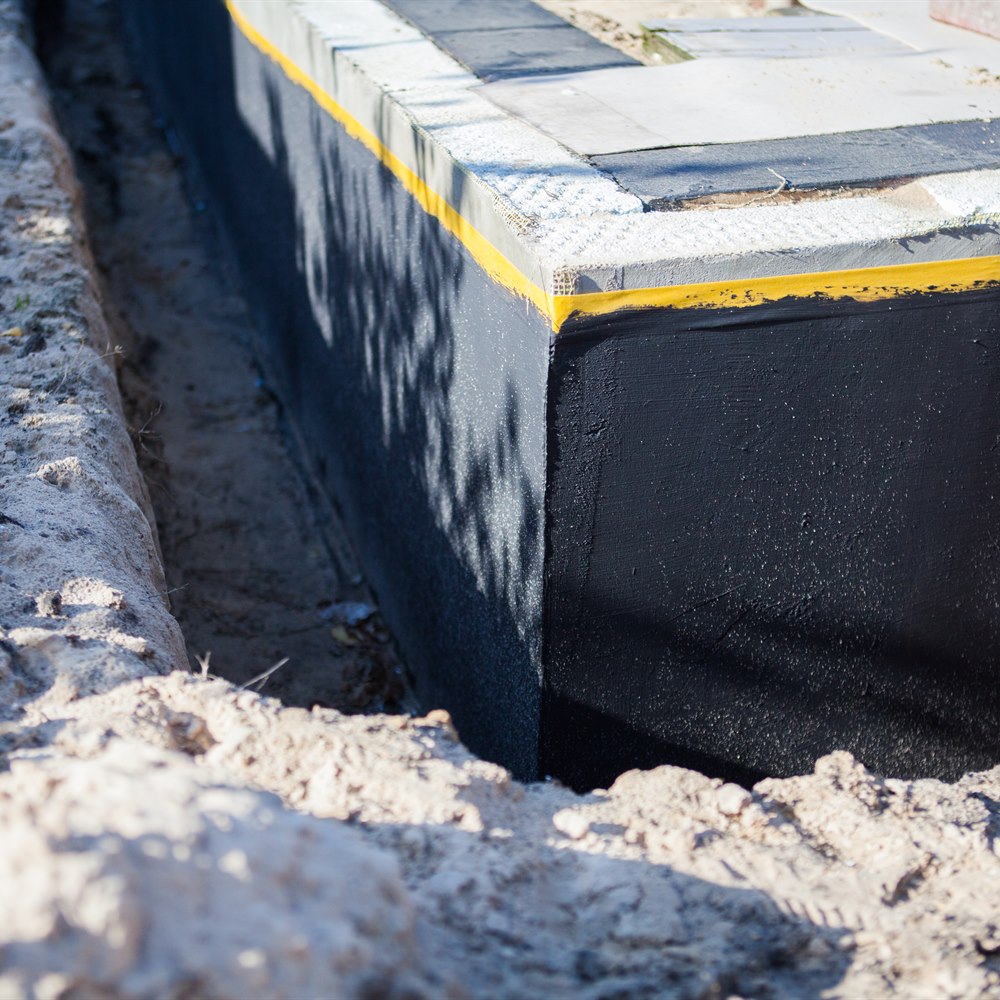
What Basement Waterproofing Mistakes Should You Avoid?
The costliest mistake is waterproof paint on a wall with active water pressure — it bubbles and delaminates within 1 to 3 rain seasons. Ignoring the water source is next: a $500 to $2,000 grading correction sometimes removes the problem entirely. Skipping a battery backup on the sump pump is third. Waterproofing done incorrectly can be worse than none at all, because it traps moisture, hides ongoing damage, and delays proper remediation.
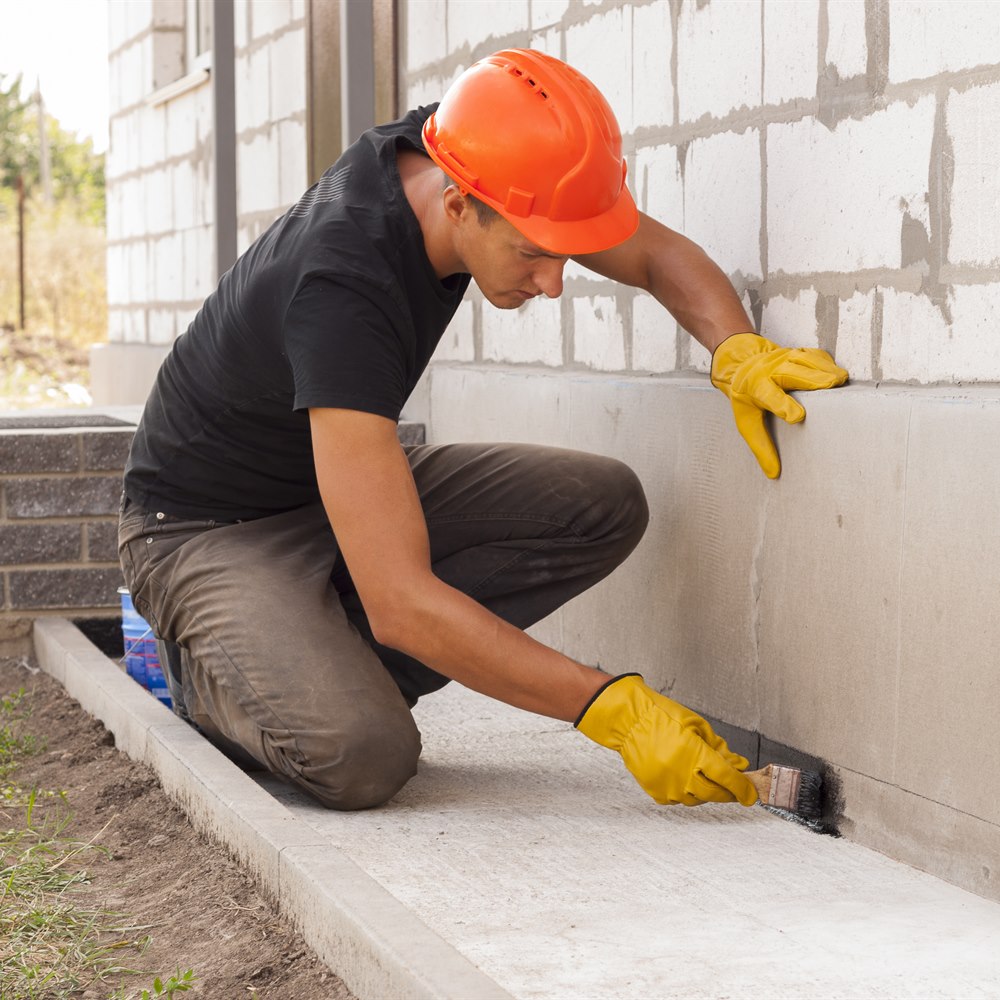
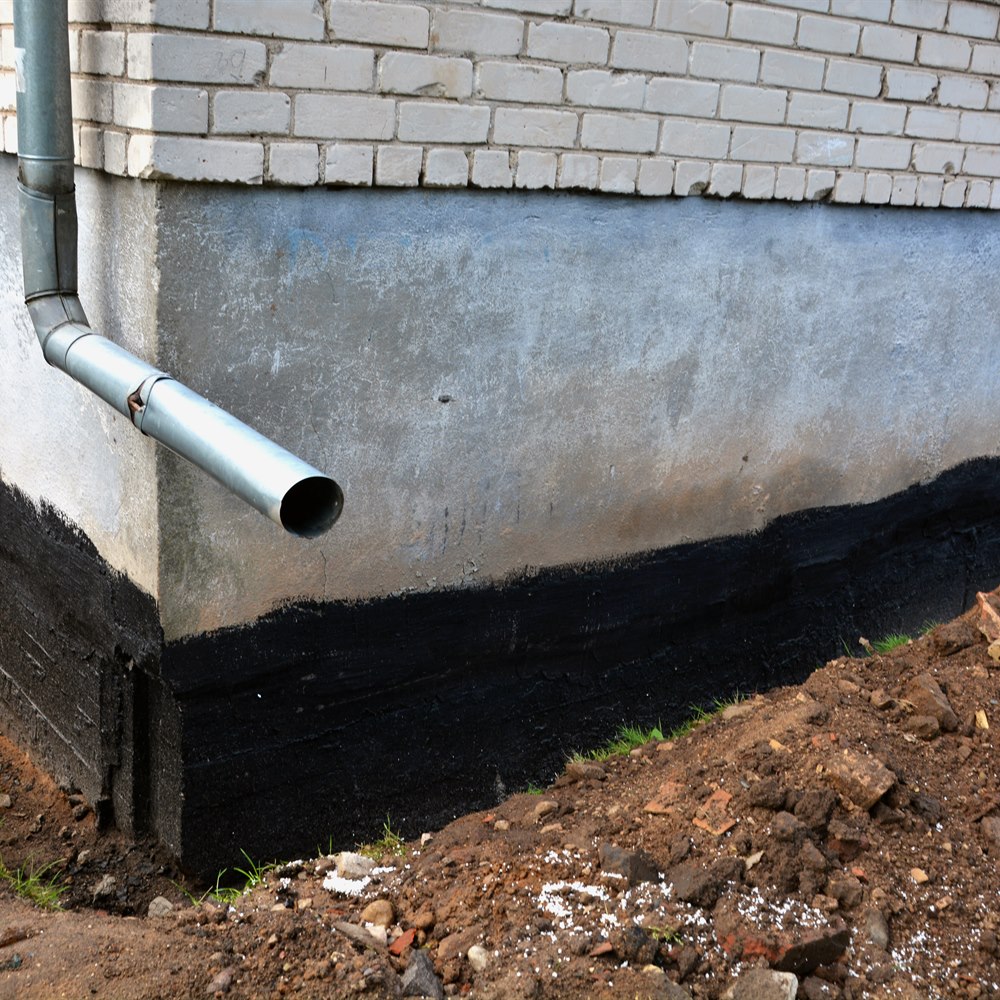
Applying Waterproof Paint to a Wet Wall
Hydraulic cement and waterproofing paint (Drylok and similar products) are designed to resist moisture vapor transmission through a sound, dry wall. Applied to a wall with active hydrostatic pressure (water pushing through the wall under pressure): these coatings will bubble, blister, and delaminate within 1 to 3 rain seasons. They do not stop water infiltration from hydrostatic pressure — they are a cosmetic treatment that conceals the problem while the water damage continues behind the coating. A contractor who recommends painting as the primary waterproofing solution for a basement with active water infiltration is proposing an inadequate solution. Active water entry requires drainage (interior or exterior) to relieve the hydrostatic pressure, not a coating that attempts to withstand it. (For more on this, see How Much Does Basement Waterproofing Cost?.) The EPA treats moisture control as the decisive factor — mold returns unless the water source is fixed.
Ignoring the Source of Water
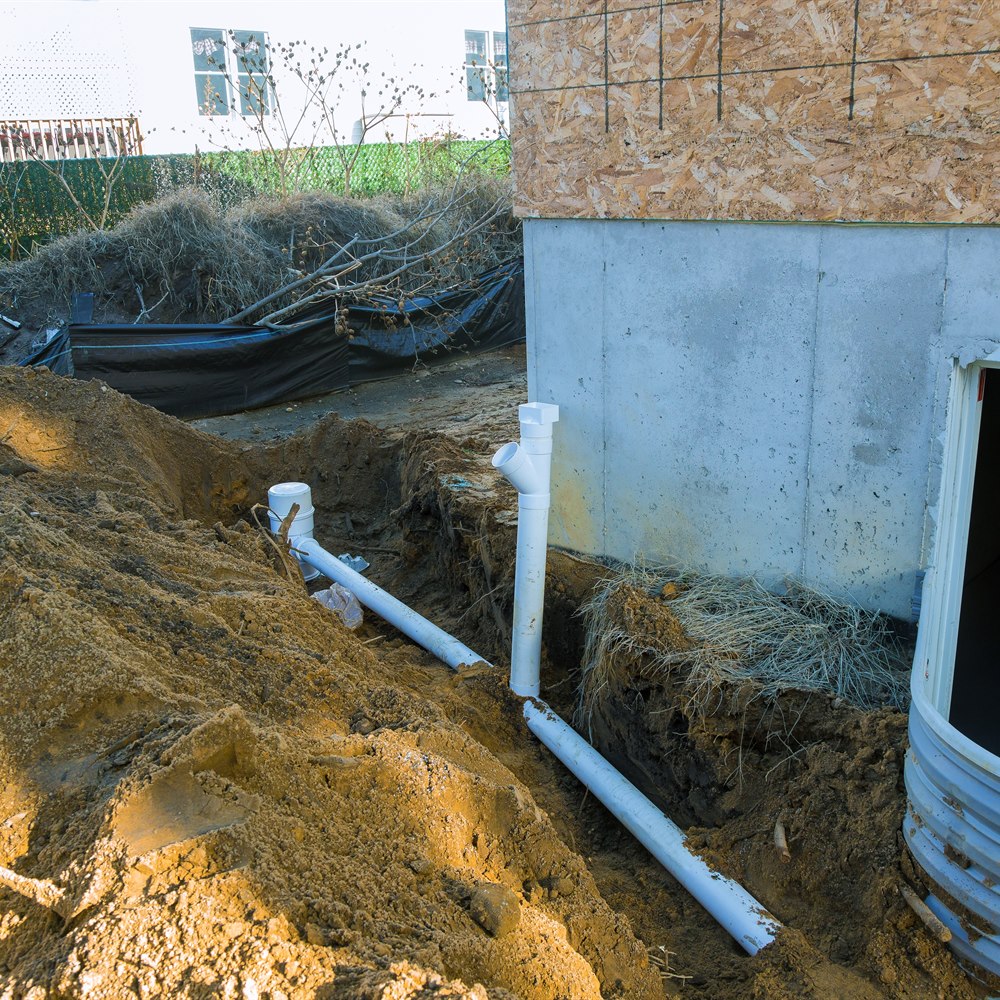
A basement drain tile system that routes water to a sump pump does not address the source of the water. If the water source is a grading issue (water draining toward the home): correcting the grade is a $500 to $2,000 repair that reduces the water volume the drain tile and sump pump must manage. If the source is a plumbing leak or a failed downspout: fixing the source eliminates the problem without waterproofing. Identifying the source before committing to a major waterproofing system often reduces the system size and cost required, and sometimes eliminates the need for waterproofing entirely. (For more on this, see Basement Waterproofing Questions to Ask Before Hiring.)
Skipping Battery Backup
Installing an interior drain tile system without a battery backup sump pump is like installing a drain without a pump — during the heavy rain event that causes power outages (precisely when the basement needs protection most), the primary pump stops working and the drain tile collects water with nowhere to go. For any interior waterproofing system: a battery backup sump pump is a required component, not an optional upgrade. (For more on this, see Interior vs. Exterior Basement Waterproofing: Which Is Right?.)
Working With a Contractor on This Project
Getting the right outcome on any home services project starts before the work begins. A few consistent practices make the difference between a smooth project and a frustrating one.
Get at least two or three quotes. A single quote gives you no basis for comparison. Two or three quotes reveal the market rate for the work, expose scope differences between bidders, and let you assess contractor communication quality before any commitment is made. The lowest bid is not automatically the best value if the scope is thin or the materials are underspecified.
Ask for licenses and insurance before work starts. Verify current general liability insurance and, for any work involving workers on your property, workers compensation coverage. Licensing requirements vary by state and trade; confirm the specific requirements in your jurisdiction. A licensed contractor who carries appropriate insurance protects both parties if something goes wrong during the project.
Get the scope in writing. A written proposal that specifies materials, labor scope, timeline, what is included (permits, cleanup, disposal), and warranty terms is the foundation of a professional engagement. Verbal agreements on any of these points invite misunderstanding. For any project over $500, written scope is non-negotiable.
Clarify the payment schedule upfront. A reasonable payment schedule ties major payments to project milestones: a deposit at signing, a payment at material delivery or project start, and a final payment at completion after a walkthrough confirms satisfaction. A contractor who requires full payment upfront before work begins is a red flag in any trade.
Making a Confident Decision
The information in this article is designed to help you ask better questions of the professionals you work with, evaluate their answers with more confidence, and understand the decisions involved in this type of home services project. It is not a substitute for professional assessment of your specific home.
Every home is different. Roof slopes, local weather, tree exposure, soil conditions, and existing system condition all affect what the right solution is for your specific situation. The general principles here apply broadly, but a professional who assesses your home in person will give you guidance that accounts for the details that general articles cannot.
When you are ready to move forward, getting at least two or three quotes from licensed, insured, local contractors is the most important practical step. It lets you compare approaches, assess contractor quality, and confirm that the solution proposed matches your specific situation and budget.
Basement Waterproofing Cost at a Glance
| Cost Factor | Typical Range | Notes |
|---|---|---|
| Sump pump or crack sealing | $600 to $2,500 | |
| Interior drainage (drain tile + sump pump) | $6,000 to $15,000 | |
| Exterior waterproofing (excavation + membrane) | $15,000 to $35,000 | |
| Overall range | $600 to $35,000 | , averaging $10,000 for a comprehensive interior drainage system Surface drainage corrections should be evaluated first — they often reduce or eliminate the need for a major waterproofing system. |
Cost figures on this page were checked against published pricing on August 25, 2026. How we source cost data.