Foam Wall Insulation
Seal Your Walls Against Energy Loss
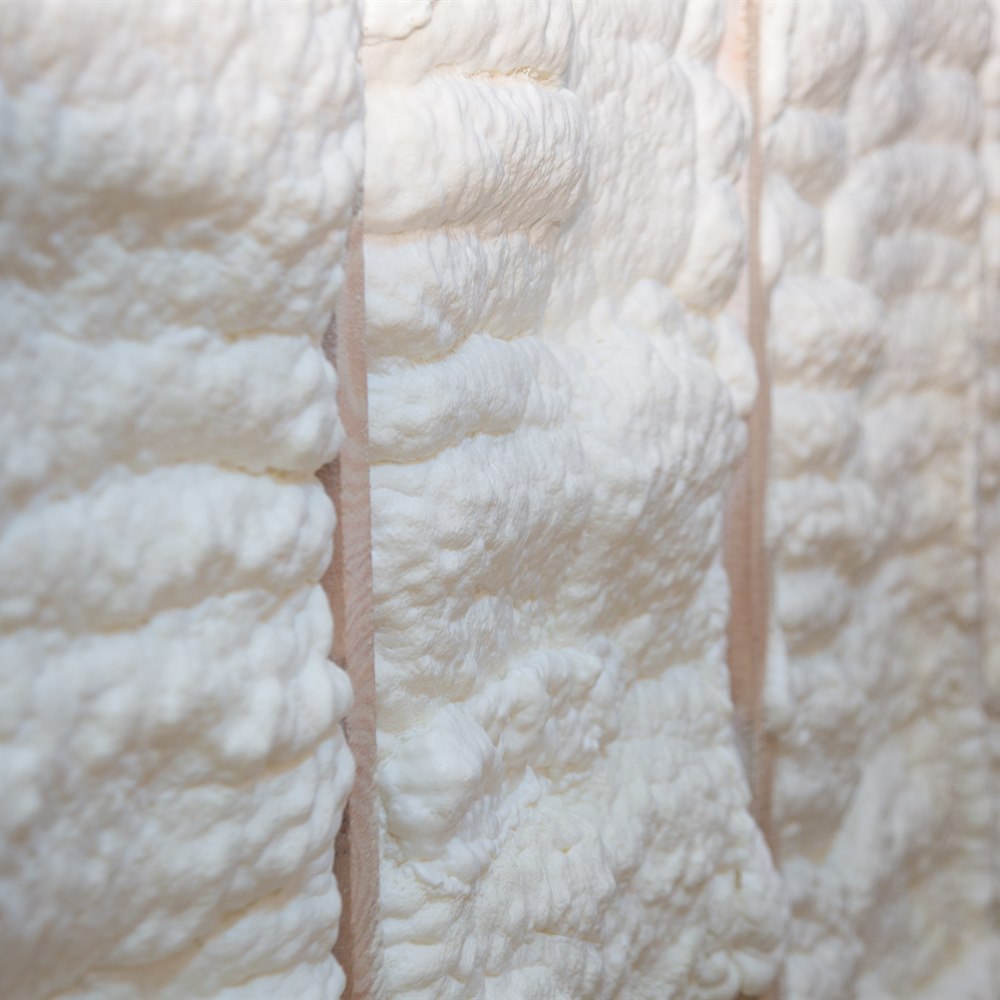
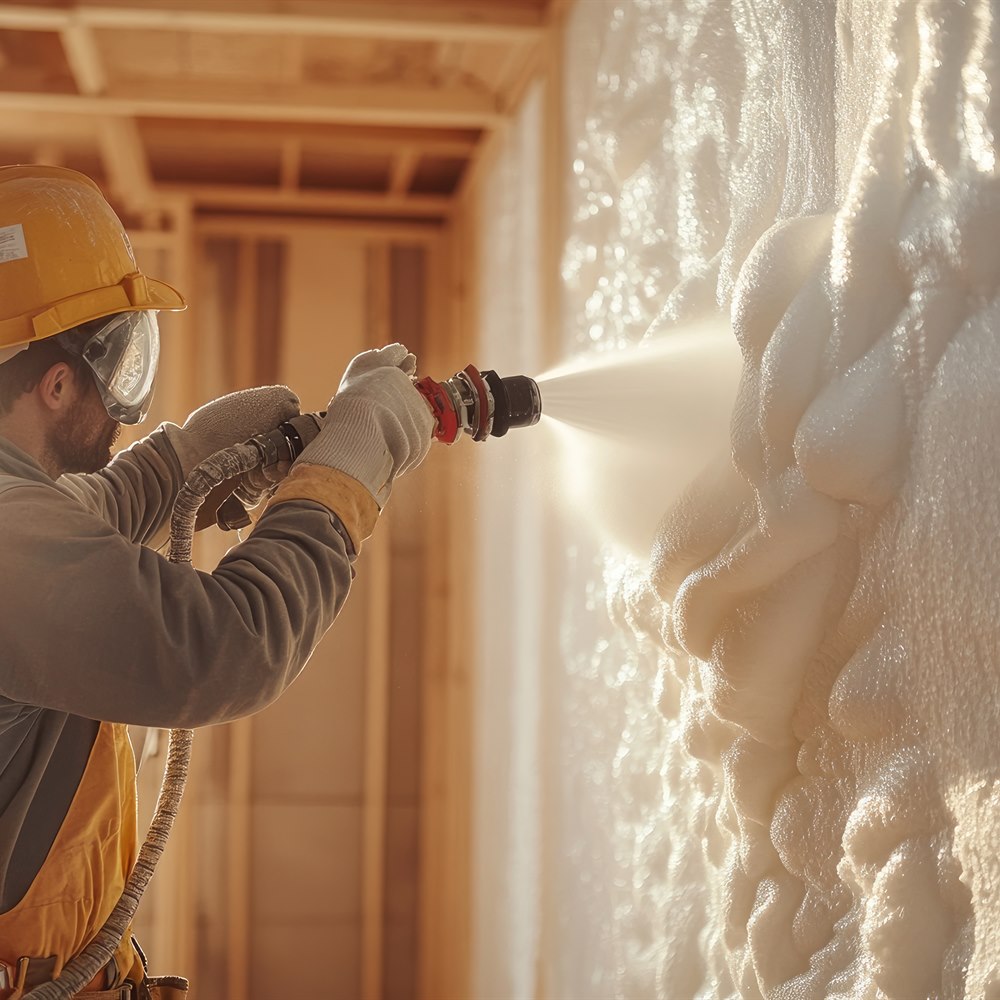
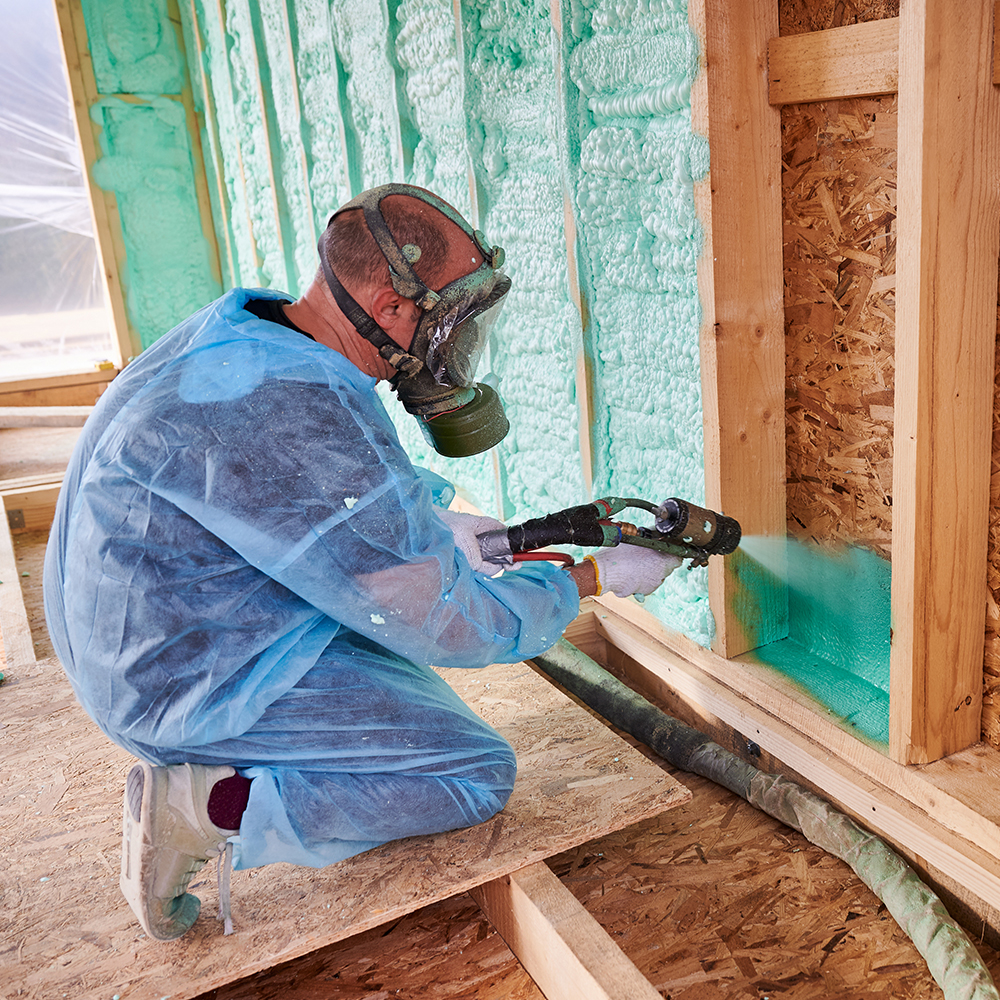
Walls are a major path for energy loss, and traditional batt insulation often leaves small gaps that let conditioned air escape. Foam wall insulation expands to seal those gaps, creating a tighter thermal envelope that keeps your home comfortable and your bills lower.
The right foam depends on the wall. A good pro helps you weigh open-cell foam for interior walls against denser closed-cell foam, which insulates better and resists moisture, so you're matching the product to the job rather than overspending.
Abode connects you with local insulation pros for foam wall applications. Compare specialists, understand the options, and seal your home against wasted energy.

Did You Know?
Air leakage through walls and gaps can account for a large portion of a home's energy loss, which is why sealing walls often does more than simply adding thickness.
Foam Wall Insulation Cost. How Much Do Projects Cost?
Most projects run between $2,000 and $11,000. The average price is typically around $7,000. These figures cover injection or spray foam across all four exterior walls of an existing home, where installers commonly hold a minimum charge near $2,000; smaller work is quoted as its own job, with a rim joist at $2,100 to $2,800 and a crawl space at $2,100 to $3,600. The per-board-foot rows are unit rates rather than project totals, so they will not add up to the range above, and a whole-house retrofit that also foams the attic runs $10,800 to $26,300.
Typical duration: 1 to 2 days
| Cost Factor | Typical Range | Notes |
|---|---|---|
| Open-cell foam | $0.44-$0.80 per board foot installed | Lighter and cheaper per inch, suited to interior walls, but it is not a moisture barrier |
| Closed-cell foam | $1.15-$2.00 per board foot installed | Denser, more R-value per inch, and it doubles as a moisture barrier on exterior or damp walls |
| Rim joist or crawl space only | $2,100-$3,600 installed | A single-area job rather than the full wall envelope; the low end is a rim joist, the high end a crawl space |
Cost data verified August 23, 2026. How we source cost data.
08/23/2026
Signs You Need Foam Wall Insulation
- Drafty rooms and noticeable air leaks
- High energy bills
- Cold or damp walls
- Uneven temperatures
- An older home with minimal wall insulation
Is It Right For You?
Who It's For
- Homeowners sealing drafty or poorly insulated walls
- Anyone insulating basements or crawl spaces against moisture
Who It's Not For
- Simple attic top-ups better suited to blown-in
- Homeowners on the tightest budget where batt may suffice
What to Watch Out For
Foam costs more per square foot than traditional insulation
Proper expansion and coverage require experience
Alternatives to Consider
| Alternative | Better When | Worse When |
|---|---|---|
| Batt insulation | Cheapest for open walls | Leaves gaps and doesn't air-seal |
| Blown-in | Good for existing closed walls | Less effective as an air and moisture barrier than closed-cell foam |
Is It Worth It?
Foam's tight air seal delivers strong long-term energy savings, making it worth the higher upfront cost for drafty homes and moisture-prone spaces.
Questions to Ask Your Pro
- Is open-cell or closed-cell foam better for my walls?
- Will the foam also provide a moisture barrier?
- How much energy savings can I realistically expect?
Frequently Asked Questions
The main drivers are the foam type and amount, since closed-cell foam costs more than open-cell due to its higher density and superior insulation.
Open-cell foam is lighter and suited to interior walls, while denser closed-cell foam insulates better and acts as a moisture barrier for exterior or damp areas.
Foam expands to seal even small gaps, reducing energy loss more effectively than fiberglass, and it can improve indoor air quality by blocking dust and allergens.
Pre-cut rigid foam boards install directly onto surfaces and are ideal for basement walls and crawl spaces where spray foam is harder to apply.
Its tight seal significantly reduces heating and cooling costs, making it a cost-effective long-term choice despite a higher upfront price.