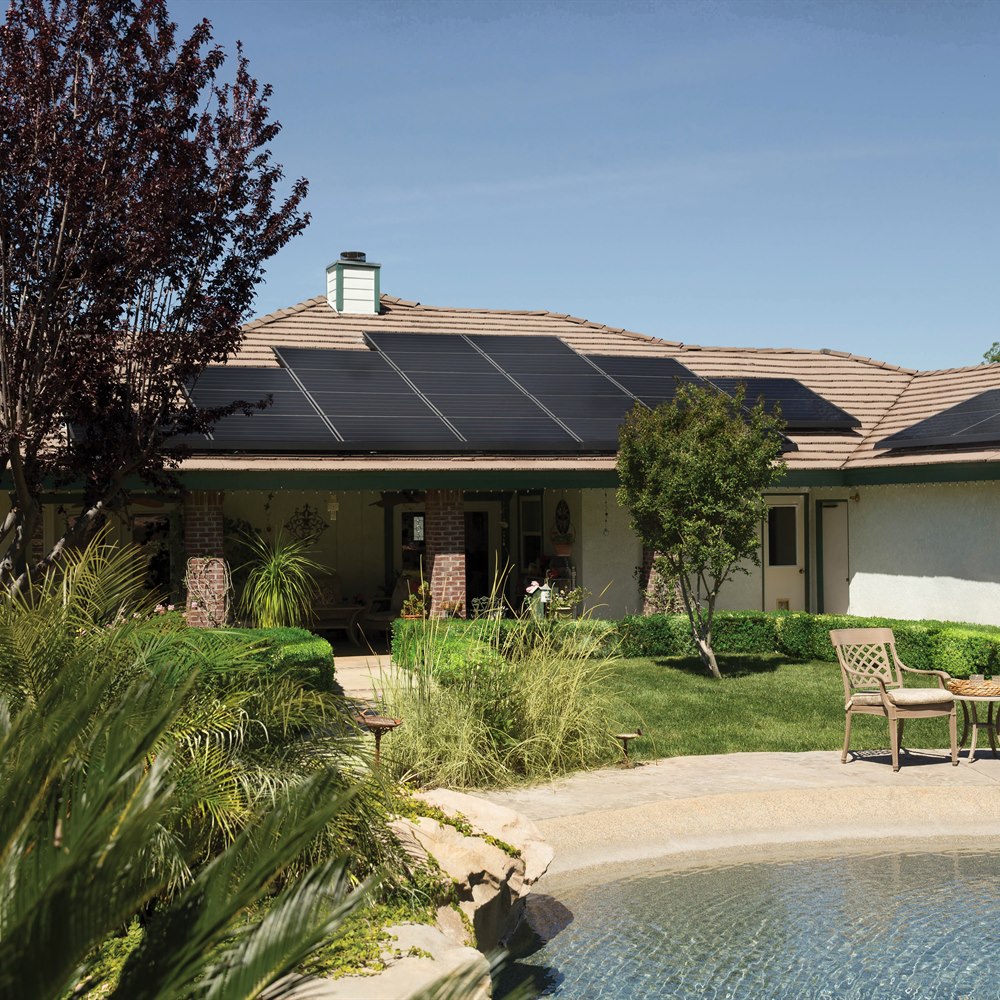
Residential Solar
Power Your Home From the Sun
A residential solar system can dramatically cut, or even eliminate, your electricity bills while reducing your carbon footprint. With panel costs down and incentives available, more homeowners are finding solar a sound long-term investment in energy independence.
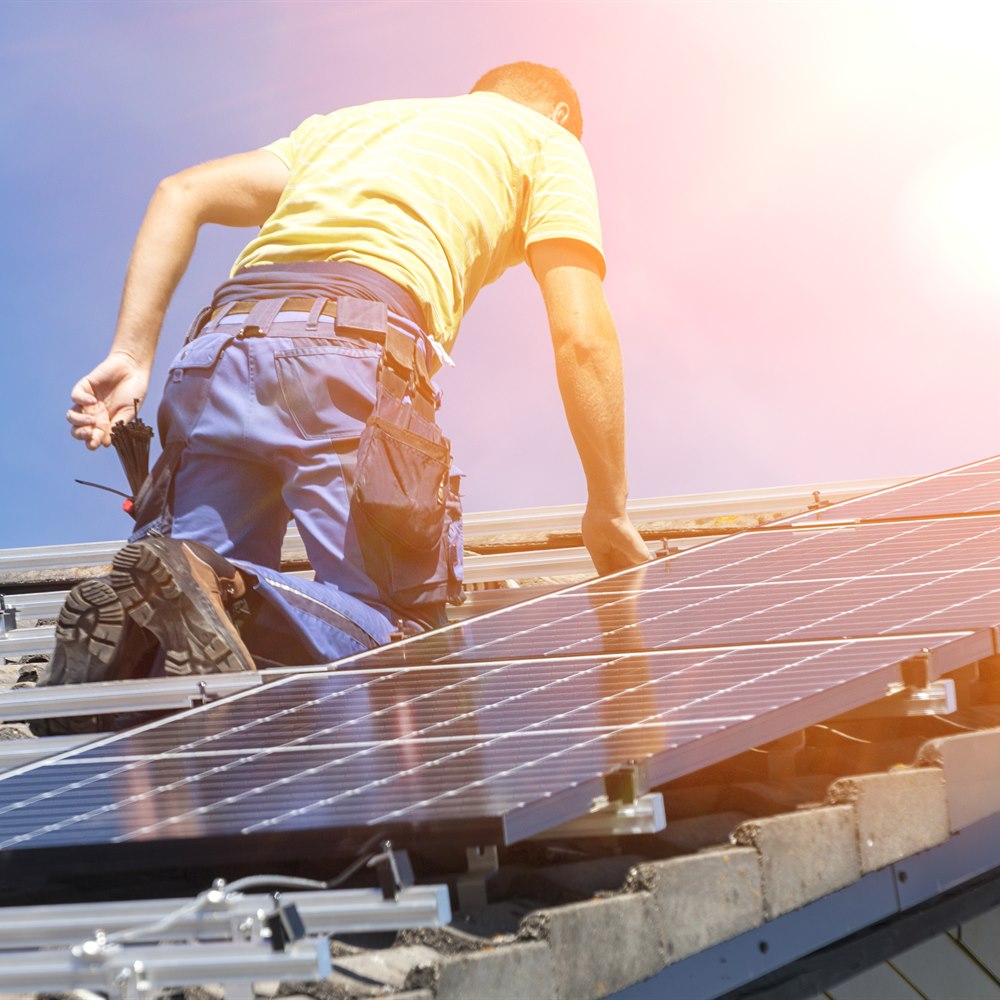
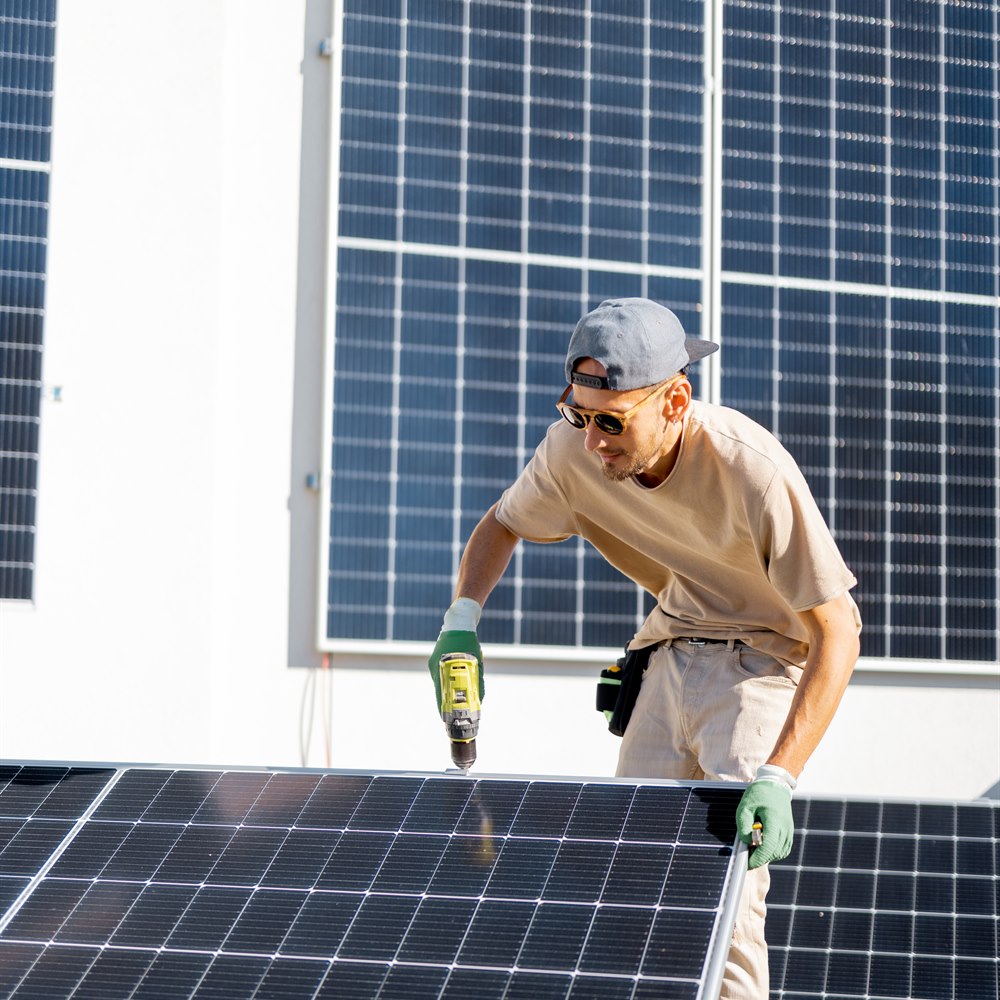
A good solar installer assesses your roof, sun exposure, and energy use, then designs a system sized to your needs and helps you navigate incentives and financing. Proper design and installation are what determine your actual savings and payback period.
Abode connects you with local solar pros. Compare specialists, understand the cost and savings, and go solar.

Did You Know?
A typical residential solar system pays for itself over roughly 7 to 12 years through energy savings, then continues generating largely free power for a decade or more after.
Residential Solar Cost. How Much Do Projects Cost?
Most projects run between $18,000 and $40,000. The average price is typically around $29,000. The summary covers a complete owned system before incentives, most commonly 8 to 15 kW. The per-watt row is a rate and the battery row is an optional add-on, so neither is a project total, and the federal residential clean energy credit (Section 25D) is not available for homeowner-owned systems installed in 2026, so plan on the full price rather than a net figure.
Typical duration: 1 to 3 days installation; weeks for permitting
| Cost Factor | Typical Range | Notes |
|---|---|---|
| System size | $2.50-$3.50 per watt | Priced by capacity before incentives |
| Typical home system | $21,000-$36,000 before incentives | About 12 kW covers a typical home, roughly $30,000 at $2.60 per watt |
| Battery storage add-on | $8,000-$15,000 | Optional backup and energy storage |
Cost data verified August 23, 2026. How we source cost data.
08/23/2026
Signs You Need Residential Solar
- High or rising electricity bills
- Good roof sun exposure
- Wanting energy independence
- Interest in reducing carbon footprint
- Eligibility for solar incentives
Is It Right For You?
Who It's For
- Homeowners wanting to cut electricity bills
- Anyone seeking energy independence and eligible for incentives
Who It's Not For
- Homes with heavy shade or poor roof orientation
- Homeowners planning to move very soon
What to Watch Out For
Solar is a large purchase, though incentives and financing help
Savings accrue over a 7 to 12 year payback period
Alternatives to Consider
| Alternative | Better When | Worse When |
|---|---|---|
| Solar financing or lease | Little money down | Lower savings than owning the system |
| Energy efficiency upgrades | Cheaper first step | Reduces bills but doesn't generate power |
Is It Worth It?
Solar is worth it for homeowners with good sun exposure staying long-term, delivering substantial energy savings and independence after the payback period.
Questions to Ask Your Pro
- What size system fits my energy use and roof?
- What incentives and financing apply to me?
- What's my realistic payback period and savings?
Frequently Asked Questions
A residential solar system typically costs $18,000 to $40,000 before incentives, or about $2.50 to $3.50 per watt, with battery storage adding $8,000 to $15,000.
A typical system pays back in about 7 to 12 years through energy savings, then generates largely free power for years after.
The federal residential clean energy credit (Section 25D) is not available for homeowner-owned systems installed in 2026, so plan on the full price; state, local, and utility incentives may still apply, and a pro can tell you what is available where you live.
The main drivers are the system size, your energy needs, roof complexity, and whether you add battery storage.
Good roof sun exposure and orientation matter most, so a solar pro assesses your roof and shading before recommending a system.