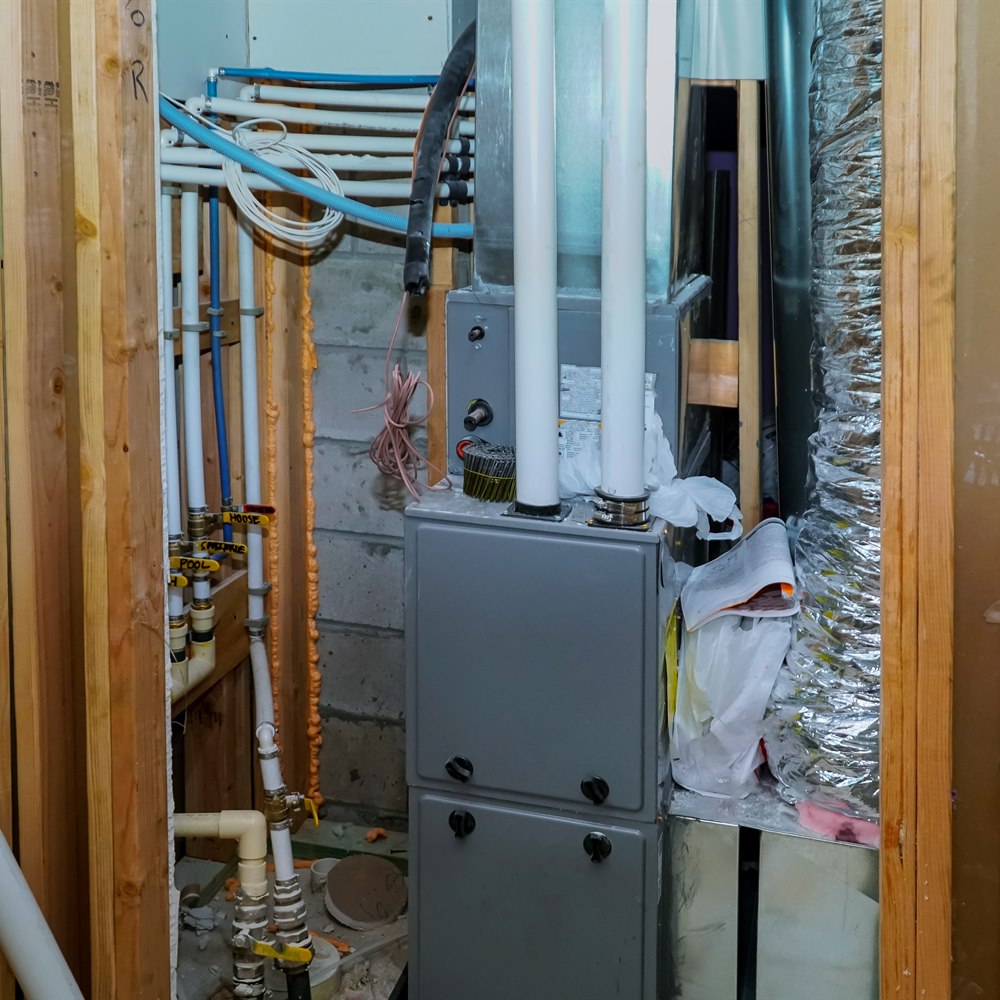
Furnace Installation
Warm, Efficient, and Built to Last
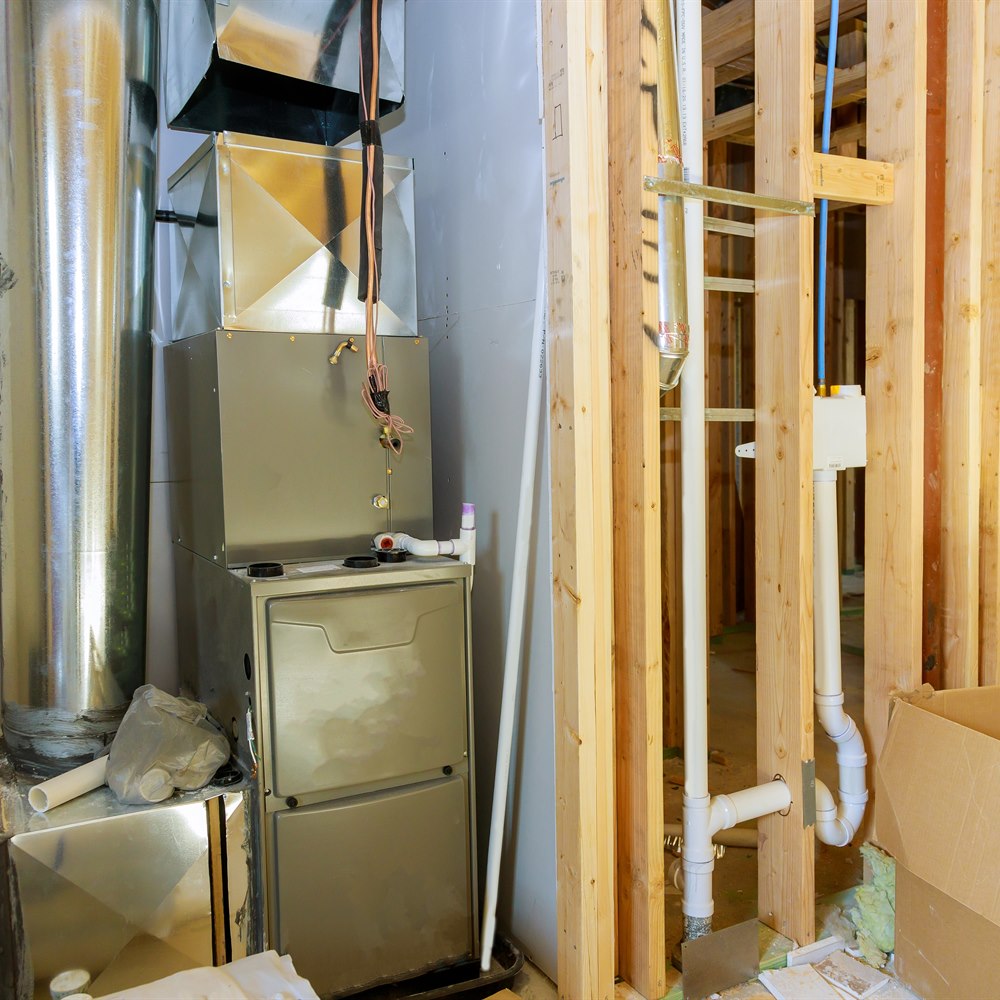
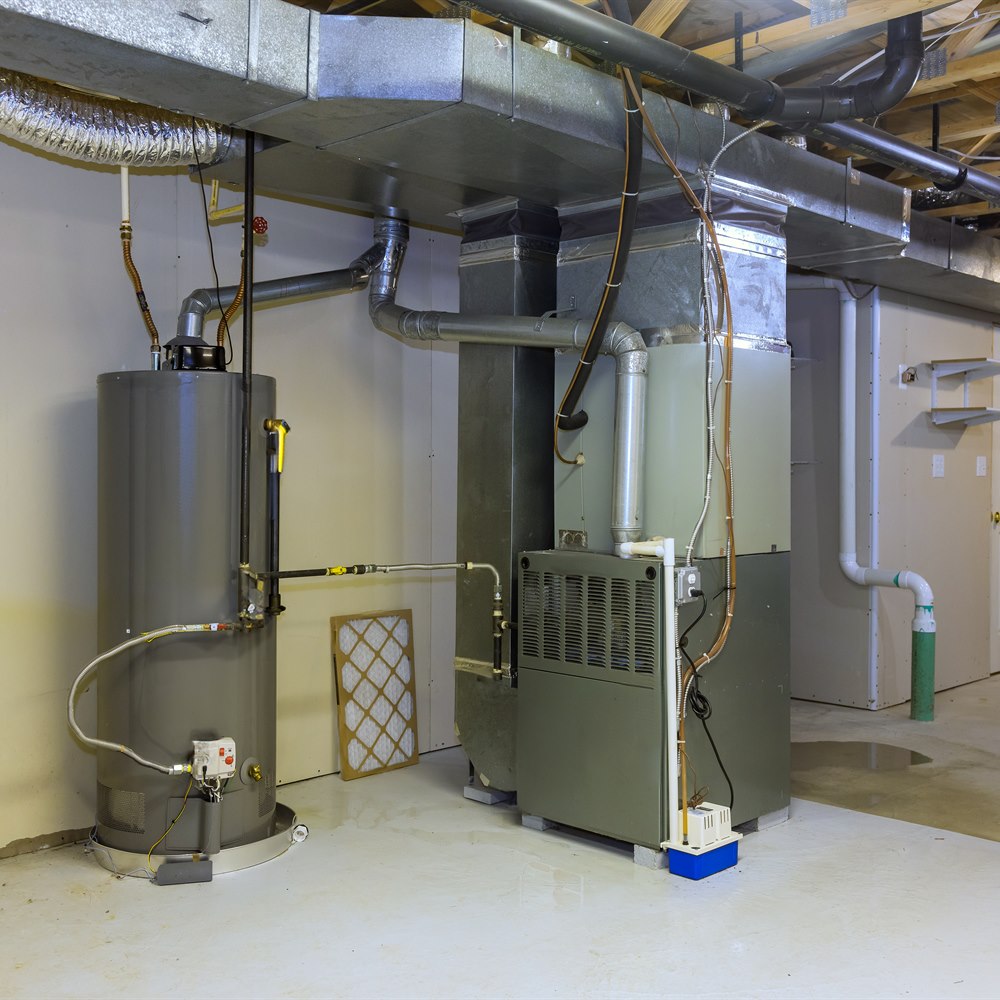
A new furnace is a major investment in comfort, safety, and efficiency. Whether you're replacing an aging unit or upgrading to a high-efficiency model, the right furnace, properly sized and installed, keeps your home warm and your energy bills manageable for years.
Sizing and fuel type drive the decision. A good HVAC pro calculates the right capacity and helps you weigh gas versus electric and standard versus high-efficiency, so you're matching the system to your home and climate rather than overspending.
Abode connects you with local HVAC installers. Compare specialists, understand your options, and invest in reliable heat.
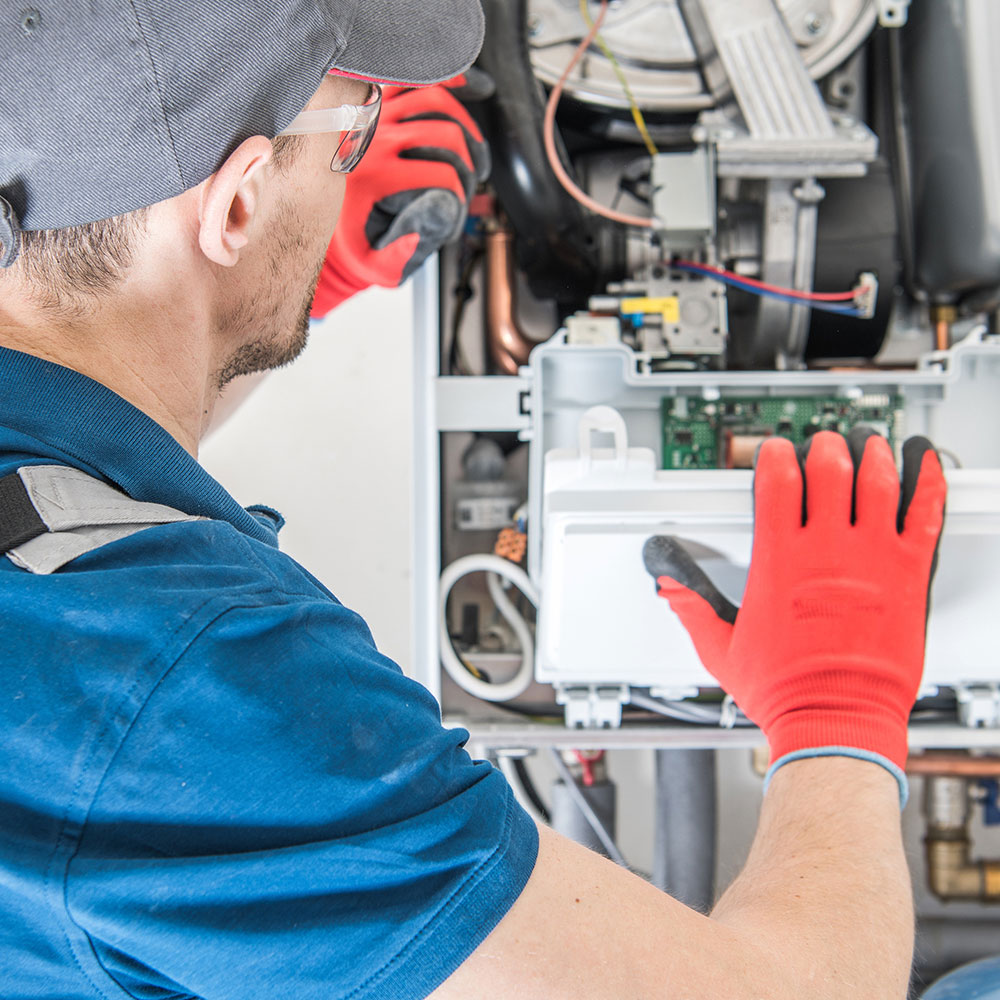
Did You Know?
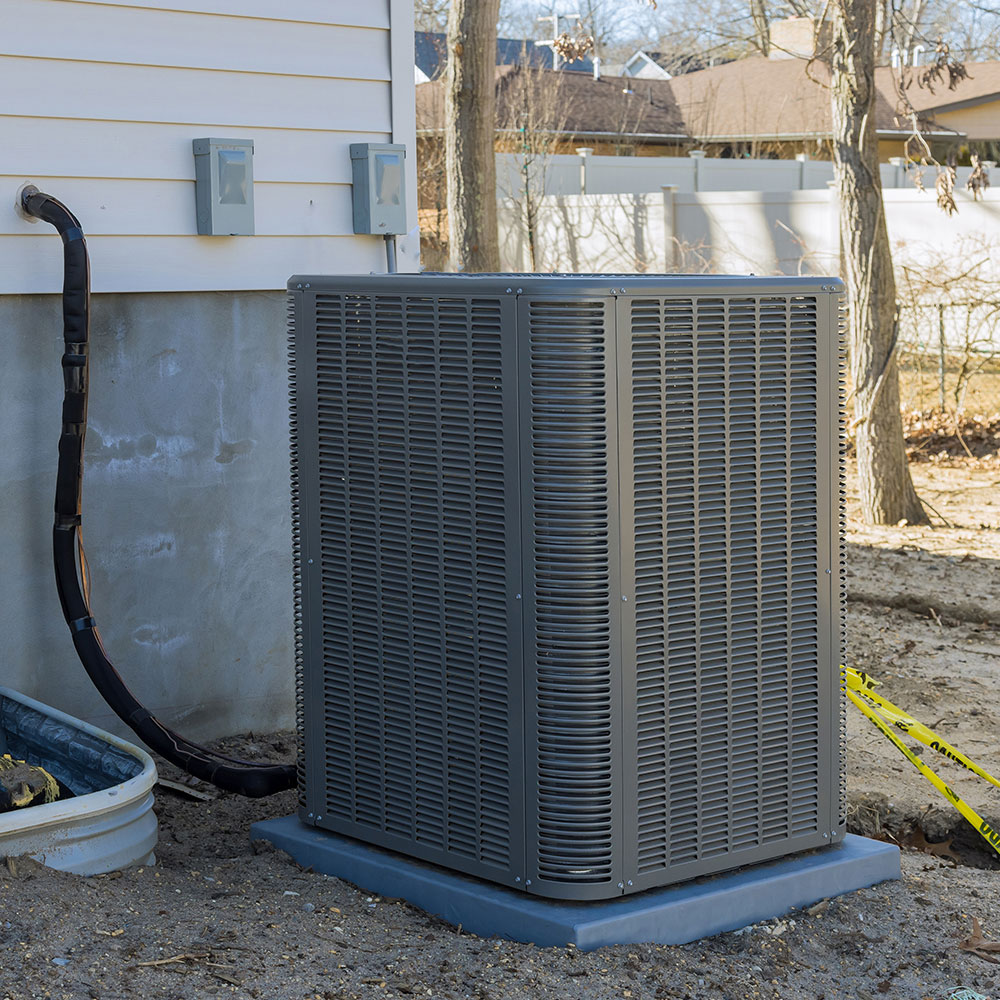
Replacing an aging furnace and AC together typically saves $1,000 to $2,000 in labor versus doing them separately, since the work overlaps in one visit.
Furnace Installation Cost. How Much Do Projects Cost?
Most projects run between $3,000 and $12,000. The average price is typically around $5,000. These figures cover a like-for-like replacement in existing ductwork: a standard gas job lands between $3,000 and $7,600, and only premium modulating equipment or added venting and duct work reaches the top. An electric furnace can install for as little as $2,000, a first-time install needing new or replacement ductwork is a different job at $6,500 to $14,000, and the venting and duct row is an adder priced on top of the furnace rather than a project total.
Typical duration: 1 to 2 days
| Cost Factor | Typical Range | Notes |
|---|---|---|
| Furnace size and fuel type | $3,000-$7,600 installed for gas | Electric installs for $2,000-$4,500 and oil for $4,500-$9,000; larger BTU capacity moves a gas job toward the top |
| Efficiency rating (AFUE) | $3,000-$8,000 installed | A 90-95% condensing unit runs $3,000-$5,200, a 96% two-stage $3,800-$6,500, and a 97-98% modulating unit $4,500-$8,000 |
| Venting, ductwork, and fuel-line work | $400-$5,600+ added on top of the furnace | A condensing conversion adds $400-$1,200, minor duct repairs $300-$1,500, and full duct replacement $1,400-$5,600+ |
Cost data verified August 23, 2026. How we source cost data.
08/23/2026
Signs You Need Furnace Installation
- A furnace over 15 to 20 years old
- Frequent or costly repairs
- Rising heating bills
- Uneven or inadequate heating
- A safety issue like a cracked heat exchanger
Is It Right For You?
Who It's For
- Homeowners replacing an old or failing furnace
- Anyone upgrading to a more efficient unit
Who It's Not For
- Furnaces a repair would restore
- Homeowners better served by a heat pump
What to Watch Out For
A new furnace is a major purchase
High-AFUE units pay back over time, not immediately
Alternatives to Consider
| Alternative | Better When | Worse When |
|---|---|---|
| Repairing the existing unit | Cheaper short-term | Not worth it on an old or unsafe furnace |
| Heat pump | Handles heating and cooling | Higher upfront cost but may consolidate systems |
Is It Worth It?
For an aging or unsafe furnace, replacement is worth it, delivering reliable, efficient heat and peace of mind that offset the upfront cost.
Questions to Ask Your Pro
- What size and efficiency furnace fits my home and climate?
- Would replacing the AC at the same time save money?
- Are there rebates or tax credits for a high-efficiency unit?
Frequently Asked Questions
Replacing a furnace in existing ductwork costs $3,000 to $12,000 installed, averaging around $5,000, depending on size, efficiency, and fuel type. A first-time install that also needs new or replacement ductwork runs $6,500 to $14,000.
Sizing depends on your home's square footage, insulation, and climate, and a pro calculates the right capacity for efficient, even heating.
High-AFUE furnaces cost more upfront: a 90-95% condensing unit installs for $3,000 to $5,200 and a 97-98% modulating unit for $4,500 to $8,000, and moving up from an 80% unit adds $400 to $1,200 for new PVC venting and a condensate drain. They lower your heating bills over the unit's life, which can offset the difference in colder climates.
Often yes. Doing both in one visit shares the labor and ensures a matched, efficient system.
The main drivers are the furnace size and fuel type, its efficiency rating, and installation complexity like ductwork and venting.