How Do You Waterproof a Crawl Space?
A basic vapor barrier runs $1,500 to $4,000 installed for a typical 1,200-square-foot crawl space, and full encapsulation runs $3,000 to $8,000. A wet or damp crawl space affects floor comfort, air quality, and energy efficiency throughout the home. Here is how crawl space moisture control works.
Vented vs. Conditioned Crawl Space
The traditional vented crawl space (with foundation vents that allow outside air to circulate) was designed to remove moisture with air movement. In humid climates: it does the opposite — warm, moist outdoor air enters the cool crawl space, cools further, and deposits moisture on the surfaces. Research from Building Science Corporation and the Department of Energy found that sealed, conditioned crawl spaces consistently outperform vented crawl spaces for moisture control, energy efficiency, floor comfort, and air quality in most US climate zones. The IRC now permits sealed crawl spaces as an alternative to vented crawl spaces with specific insulation requirements (IRC Section R408.3). The EPA treats moisture control as the decisive factor — mold returns unless the water source is fixed.
Vapor Barrier: The Foundation of Crawl Space Moisture Control
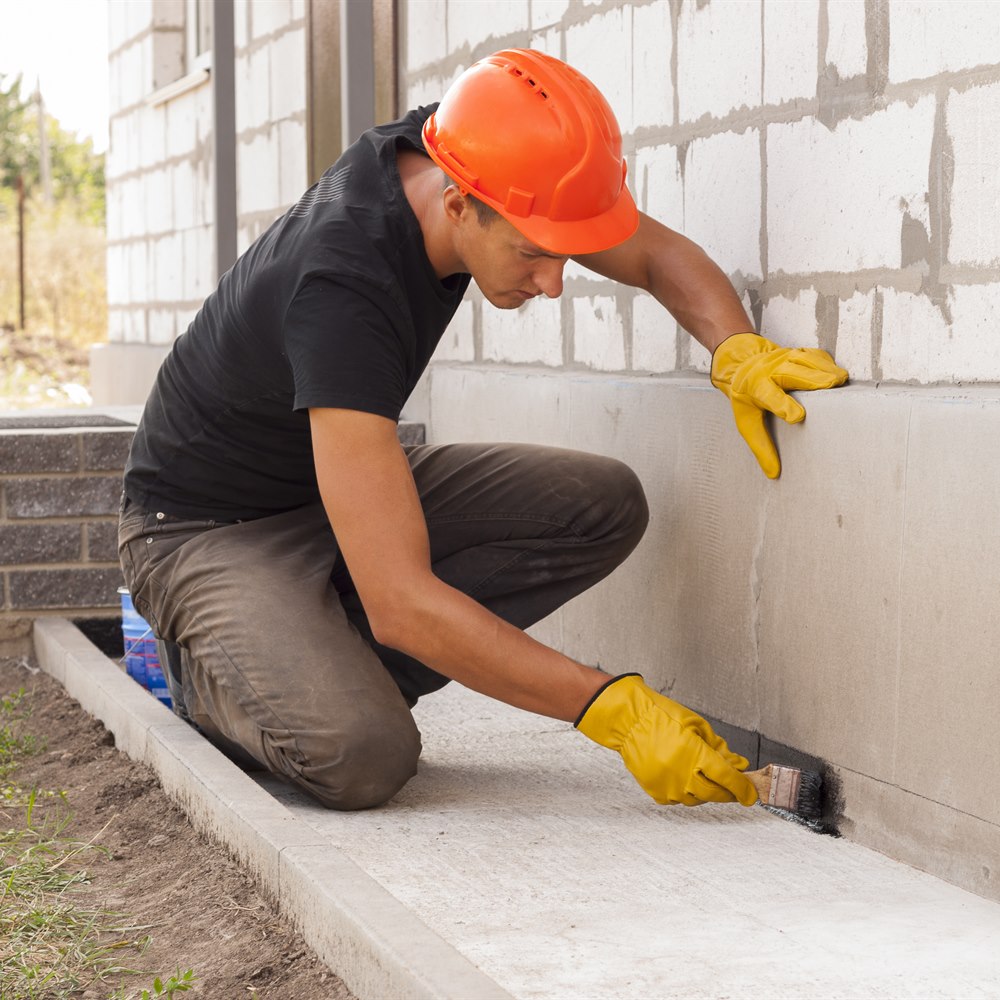
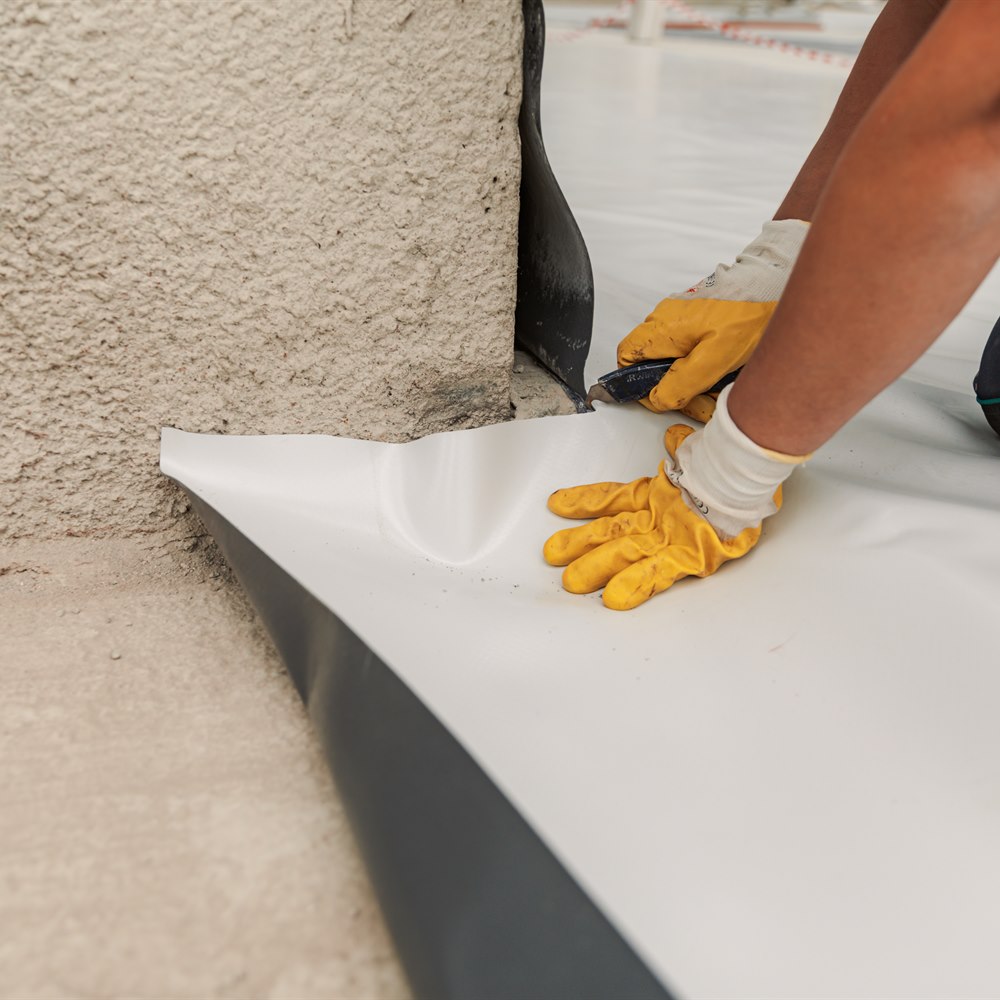
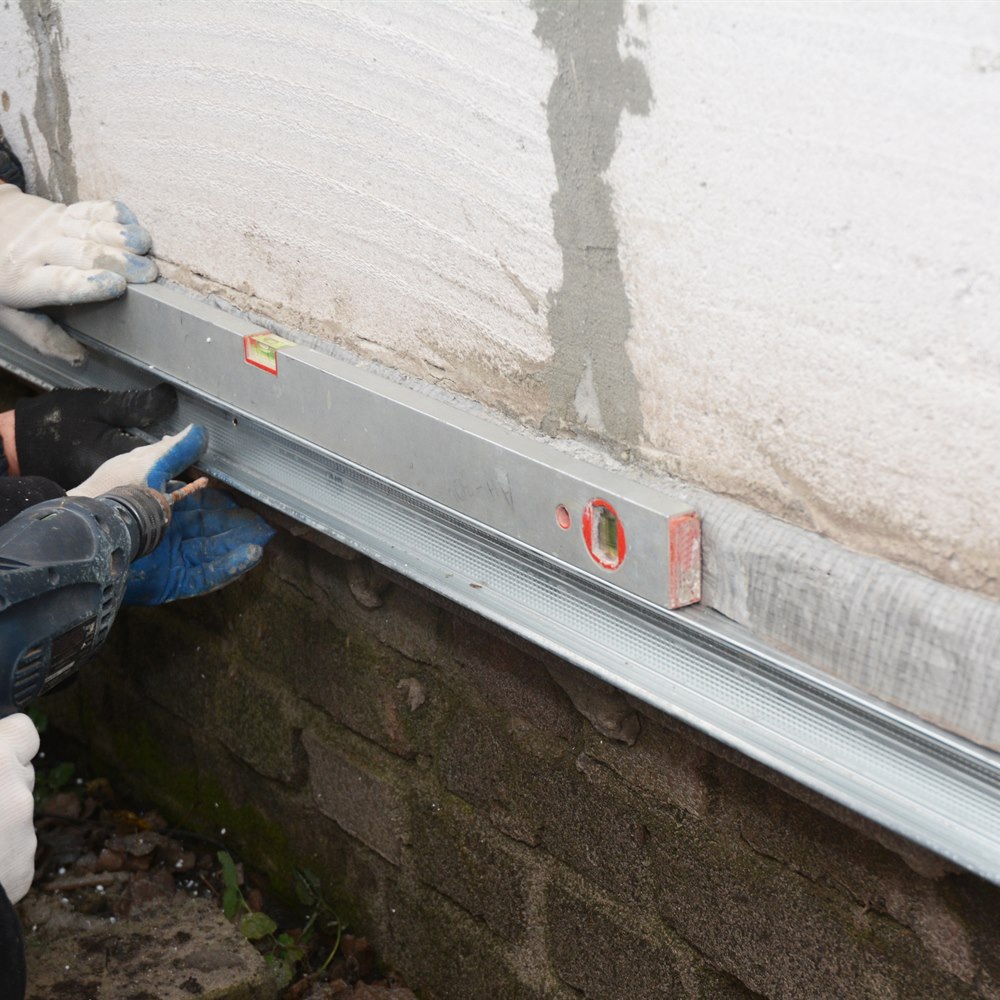
A heavy-duty polyethylene vapor barrier (10 to 20 mil thickness) installed on the crawl space floor and up the foundation walls: the minimum required moisture control measure for any crawl space. The barrier prevents ground moisture from evaporating into the crawl space air. Installation: overlap seams by 12 inches, seal seams with tape, and secure edges to the foundation wall with a termination bar and sealant. A basic vapor barrier installation: $1,500 to $4,000 professionally installed for a typical 1,200-square-foot crawl space. A more comprehensive encapsulation system (thicker liner, sealed to the entire foundation wall and pier surfaces, with drainage mat below the liner): $3,000 to $8,000.
Dehumidification and Drainage
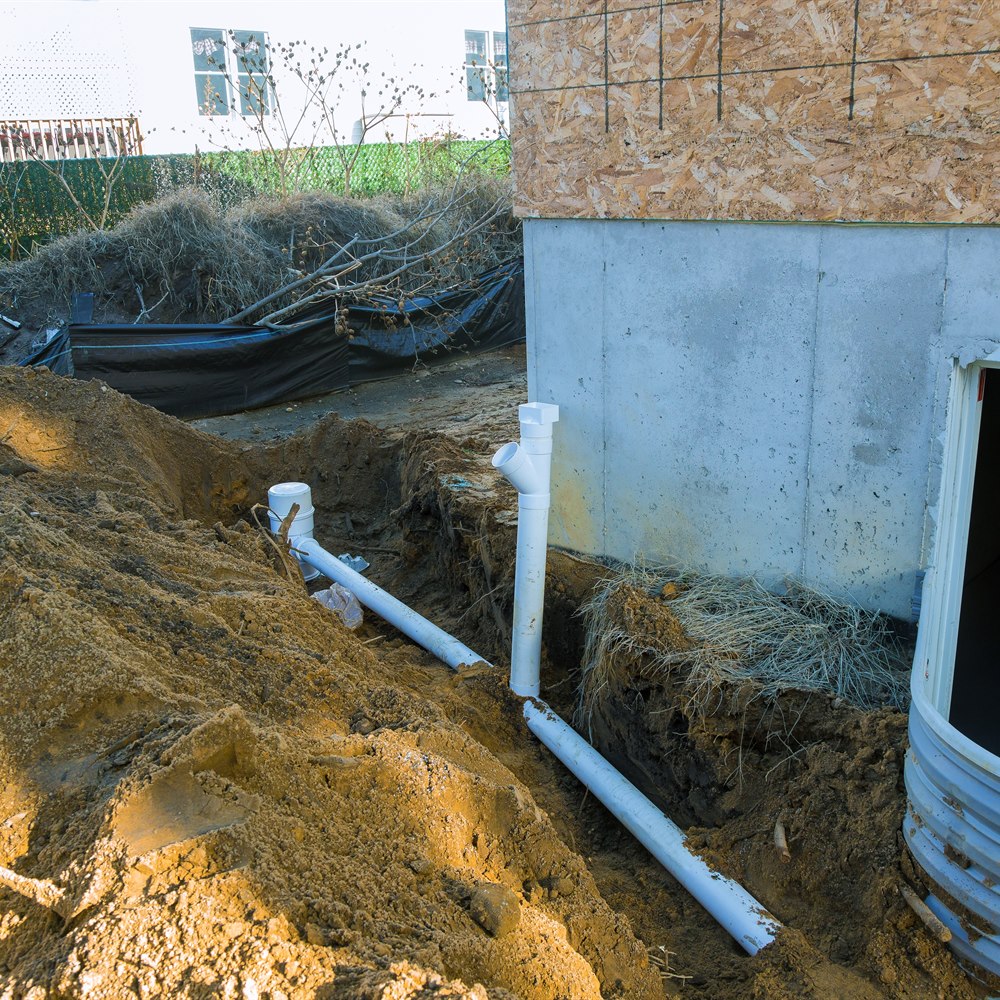
A sealed crawl space requires mechanical dehumidification: a crawl space dehumidifier ($800 to $2,000 installed) maintains the crawl space at below 60 percent relative humidity (the threshold above which mold growth accelerates). A drain tile at the crawl space perimeter (routing water that infiltrates through the walls to a sump pump): $2,000 to $5,000, appropriate for crawl spaces with active water entry rather than just vapor transmission.
Working With a Contractor on This Project
Getting the right outcome on any home services project starts before the work begins. A few consistent practices make the difference between a smooth project and a frustrating one.
Get at least two or three quotes. A single quote gives you no basis for comparison. Two or three quotes reveal the market rate for the work, expose scope differences between bidders, and let you assess contractor communication quality before any commitment is made. The lowest bid is not automatically the best value if the scope is thin or the materials are underspecified.
Ask for licenses and insurance before work starts. Verify current general liability insurance and, for any work involving workers on your property, workers compensation coverage. Licensing requirements vary by state and trade; confirm the specific requirements in your jurisdiction. A licensed contractor who carries appropriate insurance protects both parties if something goes wrong during the project. (For more on this, see Basement Waterproofing Questions to Ask Before Hiring.)
Get the scope in writing. A written proposal that specifies materials, labor scope, timeline, what is included (permits, cleanup, disposal), and warranty terms is the foundation of a professional engagement. Verbal agreements on any of these points invite misunderstanding. For any project over $500, written scope is non-negotiable.
Clarify the payment schedule upfront. A reasonable payment schedule ties major payments to project milestones: a deposit at signing, a payment at material delivery or project start, and a final payment at completion after a walkthrough confirms satisfaction. A contractor who requires full payment upfront before work begins is a red flag in any trade.
Making a Confident Decision
The information in this article is designed to help you ask better questions of the professionals you work with, evaluate their answers with more confidence, and understand the decisions involved in this type of home services project. It is not a substitute for professional assessment of your specific home.
Every home is different. Roof slopes, local weather, tree exposure, soil conditions, and existing system condition all affect what the right solution is for your specific situation. The general principles here apply broadly, but a professional who assesses your home in person will give you guidance that accounts for the details that general articles cannot. (For more on this, see The Best Basement Waterproofing Solution for Your Situation.)
When you are ready to move forward, getting at least two or three quotes from licensed, insured, local contractors is the most important practical step. It lets you compare approaches, assess contractor quality, and confirm that the solution proposed matches your specific situation and budget.
Basement Waterproofing Cost at a Glance
Sump pump or crack sealing: $600 to $2,500.
Interior drainage (drain tile + sump pump): $6,000 to $15,000.
Exterior waterproofing (excavation + membrane): $15,000 to $35,000.
Overall range: $600 to $35,000, averaging $10,000 for a comprehensive interior drainage system. Surface drainage corrections should be evaluated first — they often reduce or eliminate the need for a major waterproofing system. (For more on this, see Interior vs. Exterior Basement Waterproofing: Which Is Right?.)
Cost figures on this page were checked against published pricing on September 2, 2026. How we source cost data.