Which Basement Waterproofing Solution Is Best for You?
The best waterproofing solution depends on your specific problem, a single leak, occasional dampness, a chronically wet basement, or a space you’re about to finish all call for different approaches. Matching the solution to your situation gets a dry basement without overspending. Here’s how to choose.
For a Single Leak or Crack: A Targeted Fix
If your problem is one specific leaking crack or entry point, the best solution is a targeted fix, sealing that crack (with epoxy or polyurethane injection) or addressing that specific spot. This is the affordable, appropriate answer for a contained, localized problem, no whole-basement system needed. For a single, identifiable leak, a targeted repair is the right-sized solution. Don’t buy a full system for one crack. The injection methods that handle these localized leaks are genuinely permanent when the crack is non-structural, epoxy or polyurethane is pumped into the crack under pressure so it fills the full depth of the wall and seals the path the water was taking, so a single leaking crack that’s been correctly injected simply stops leaking, which is why paying for a whole-basement system to address it would be solving a spot problem with a building-wide tool.
For Water From Outside Causes: Fix the Source First
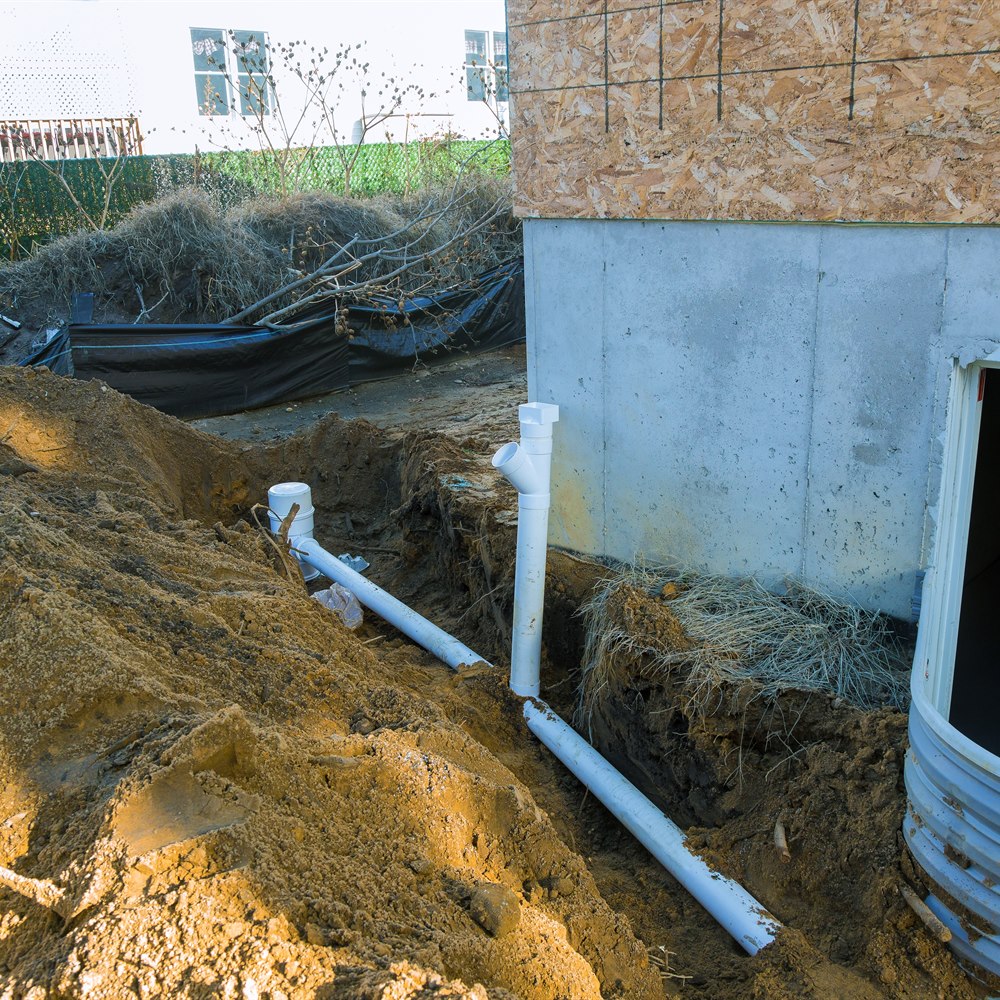
If the water comes from outside causes, downspouts dumping at the foundation, poor grading, clogged drainage, the best first solution is fixing those: extending downspouts, regrading soil away from the house, cleaning gutters. These cheap outside fixes often reduce or solve the problem for a fraction of a system’s cost. When outside water management is the issue, addressing the source is the smart first step. The cheapest solution is often outside. These outside fixes deliver such good value because they intercept the water before it ever reaches the foundation, a downspout extended to discharge several feet from the house and soil regraded to shed rain outward can remove the very water that was being funneled at the basement wall, so a problem that looked like it needed an interior system sometimes disappears entirely once the yard stops delivering water to it.
For a Chronically Wet Basement: An Interior Drainage System
For a basement that’s regularly wet despite outside fixes, the best practical solution is usually an interior drainage system, a perimeter drain that collects entering water and pumps it out via a sump pump (with a battery backup for reliability). It’s effective, less disruptive than exterior work, and runs $6,000 to $15,000 installed for a full basement perimeter. For most chronically wet basements, interior drainage is the sensible, effective choice. It keeps the basement dry affordably. Interior drainage earns its place as the practical default because it addresses a genuinely wet basement without the excavation exterior work requires, the perimeter channel gives entering water a defined path to the sump pump, which lifts it up and out, so for the common case of a basement that gets wet despite reasonable outside drainage, it delivers a reliably dry result at a fraction of exterior waterproofing’s cost and disruption. (For more on this, see When Basement Waterproofing Isn’t Necessary (and When It Is).)
For a Severe Problem or Foundation Protection: Exterior Waterproofing
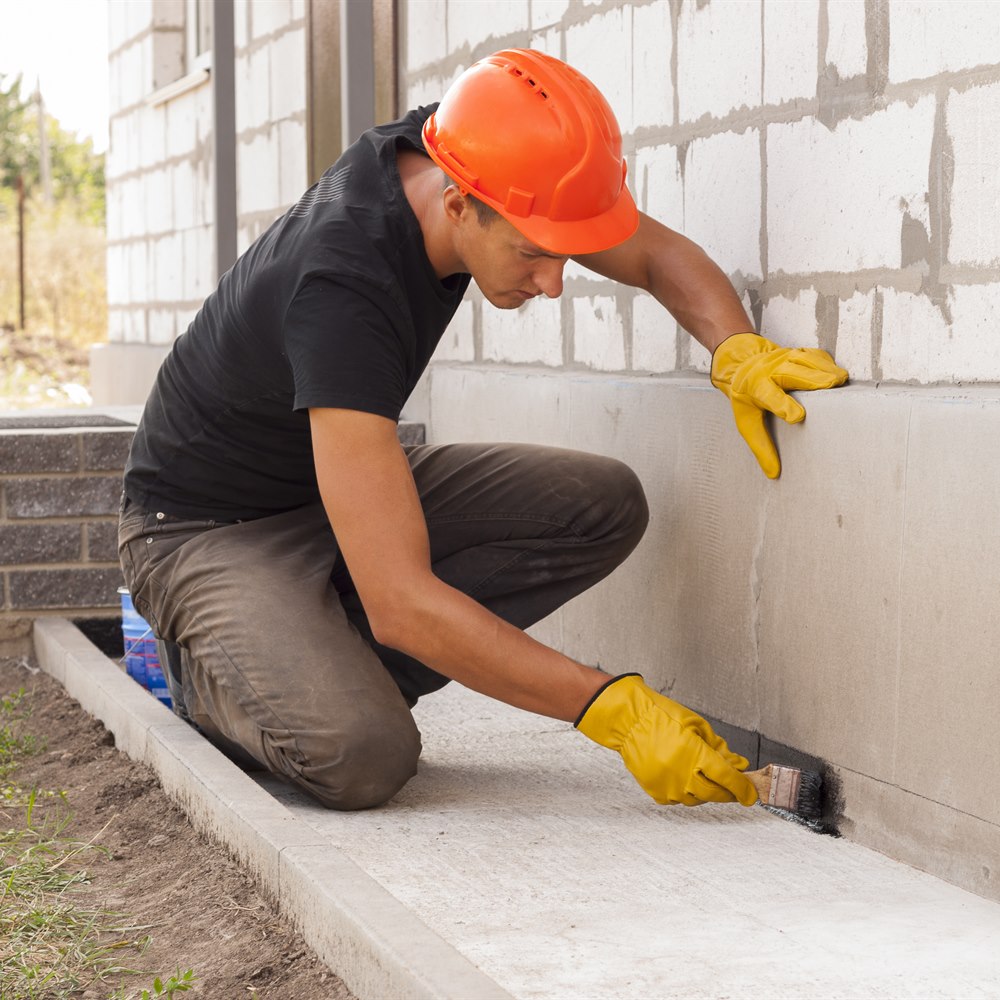
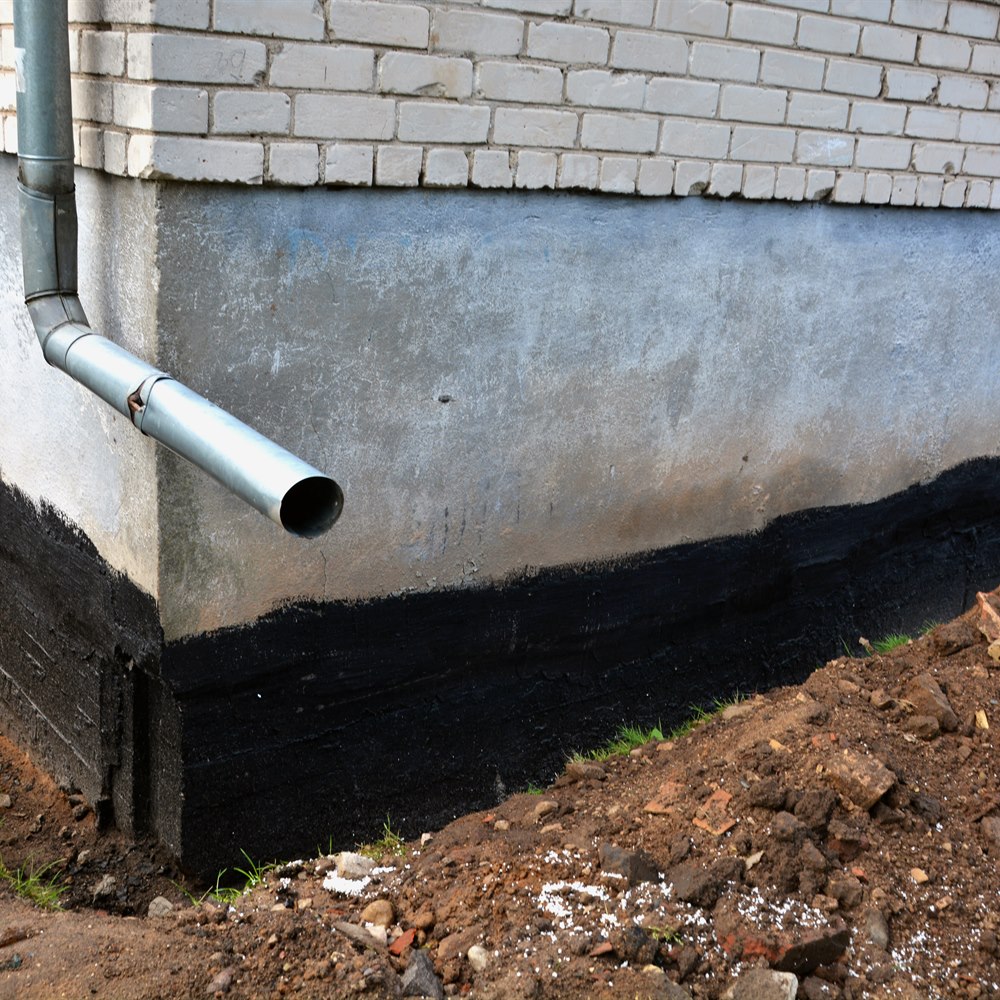
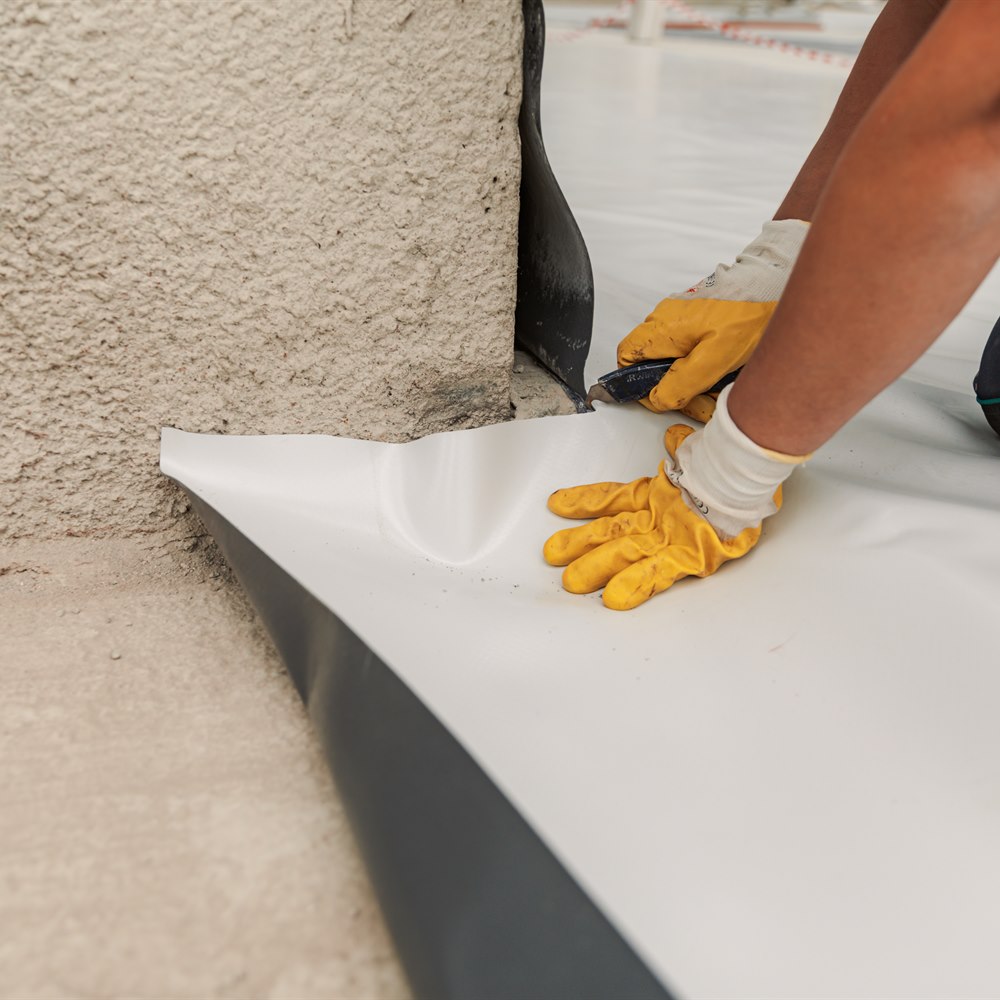
For a severe water problem, or when you want to block water at the source and protect the foundation itself, exterior waterproofing, excavation and a waterproof membrane around the foundation, is the best (if more expensive and disruptive) solution. It stops water before it enters. For the worst problems, or to keep water off the foundation entirely, exterior is the thorough choice. When blocking water at the source matters, exterior waterproofing delivers it. The distinguishing benefit is that exterior work is the only approach that keeps water off the foundation itself, because the membrane and footing drain stop water outside the wall rather than managing it once it’s inside, so for a severe, pressure-driven problem, or where protecting the foundation structure from constant water contact is the priority, the added cost and yard excavation buy a fundamentally more complete kind of protection.
For a Basement You’re Finishing: Comprehensive Protection
If you’re finishing the basement into living space, the best approach is comprehensive protection matched to the water risk, because water damage to a finished basement is costly. Even a moderate risk justifies proper waterproofing (interior drainage, sump with backup, and addressing outside sources) before you invest in finishes. For a basement you’re finishing, err toward thorough protection. Protect the investment before you make it. The sequence matters as much as the protection, because installing waterproofing after finishing means tearing into new drywall and flooring to reach the walls and floor edge, whereas doing it first, sizing interior drainage, a backed-up sump, and outside source fixes to the risk before any finishes go in, both costs less and spares you the far worse expense of water ruining a completed finished basement down the line. (For more on this, see What Makes Basement Waterproofing Cost More (or Less)?.)
For Pure Humidity: A Dehumidifier
If the “problem” is dampness and humidity rather than actual water entering, the best solution isn’t waterproofing at all, it’s a dehumidifier and better ventilation. Condensation from humid air needs air management, not a drainage system. For a humidity-only issue, a dehumidifier is the right, far cheaper solution. Match the fix to whether it’s water or just humidity. The EPA treats moisture control as the decisive factor — mold returns unless the water source is fixed.
Matching the Solution to Your Situation
The best solution flows from your problem: a targeted fix for a single leak, outside fixes for drainage causes, interior drainage for a chronically wet basement, exterior for a severe problem or foundation protection, comprehensive protection for a basement you’re finishing, and a dehumidifier for pure humidity. An honest professional helps identify which you need. Knowing your real problem points to the right solution. (For more on this, see Interior vs. Exterior Basement Waterproofing: Which Is Better?.)
Getting the Right Solution for You
The best waterproofing solution matches your specific situation, targeted fix, outside repair, interior system, exterior system, comprehensive protection, or dehumidifier. An honest professional diagnoses your problem and recommends accordingly. When you’re ready for that guidance, connect with a local pro below.
Cost figures on this page were checked against published pricing on August 25, 2026. How we source cost data.
Frequently Asked Questions
A targeted fix, sealing that crack with epoxy or polyurethane injection, or addressing the specific entry point. It's the affordable, appropriate answer for a contained, localized problem, no whole-basement system needed. For a single, identifiable leak, don't buy a full system for one crack.
Fix the source first: extend downspouts away from the foundation, regrade soil to slope away, and clean gutters. These cheap outside fixes often reduce or solve the problem for a fraction of a system's cost. When outside water management is the issue, addressing the source is the smart, inexpensive first step.
Usually an interior drainage system, a perimeter drain that collects entering water and pumps it out via a sump pump (with a battery backup). It's effective, less disruptive than exterior work, and runs $6,000 to $15,000 installed for a full basement perimeter. For most chronically wet basements, interior drainage is the sensible, effective choice.
For a severe water problem, or when you want to block water at the source and protect the foundation itself. Excavation and a waterproof membrane around the foundation stop water before it enters. It's more expensive and disruptive, but the thorough choice for the worst problems or to keep water off the foundation.
If it's dampness and humidity rather than actual water entering, the best solution isn't waterproofing, it's a dehumidifier and better ventilation. Condensation from humid air needs air management, not a drainage system. Match the fix to whether it's water intrusion or just humidity, the latter is far cheaper to solve.