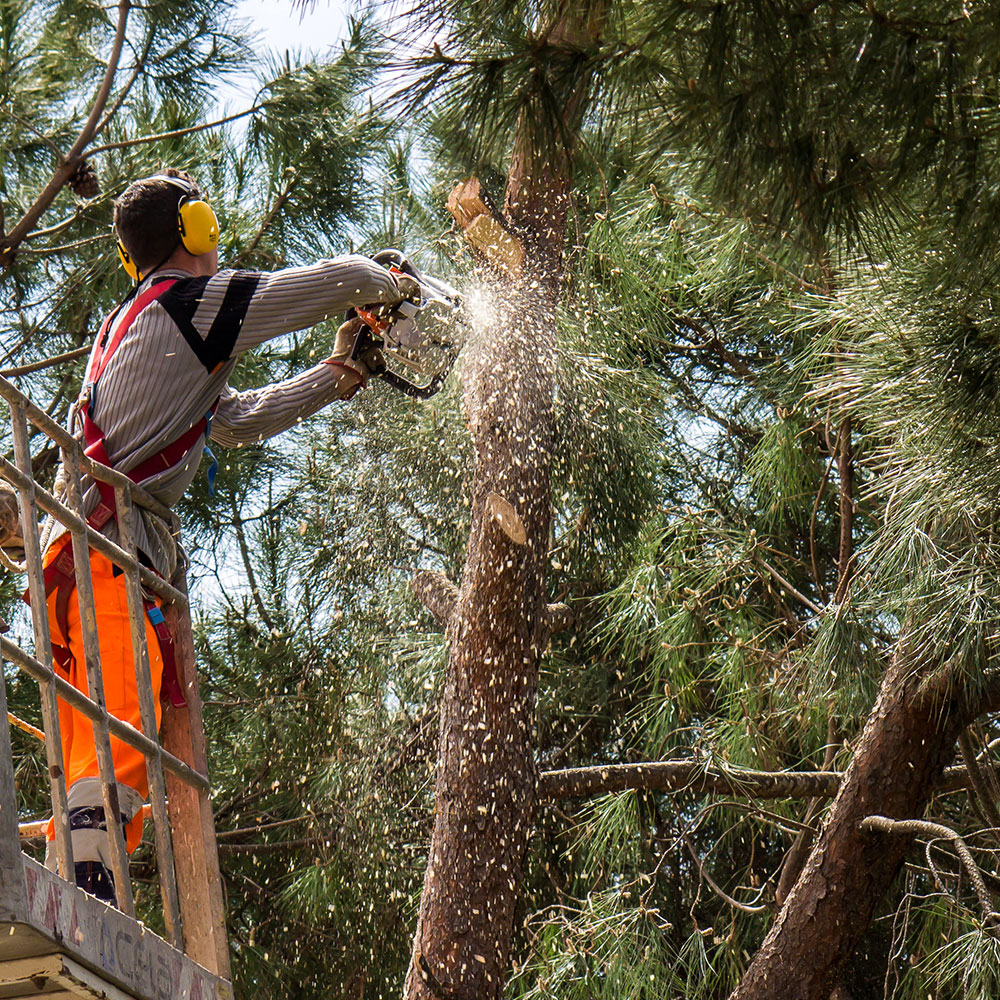
Tree Trimming
Healthy, Shaped, and Safe Trees
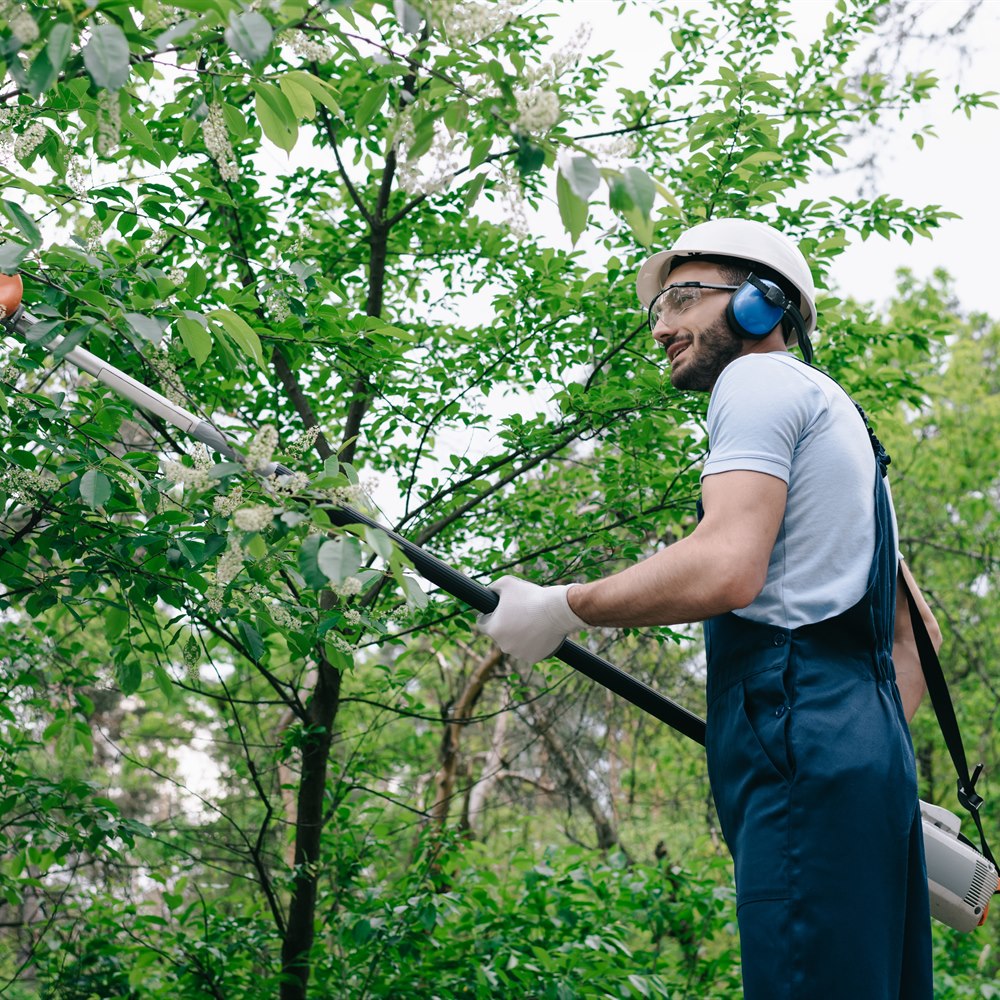
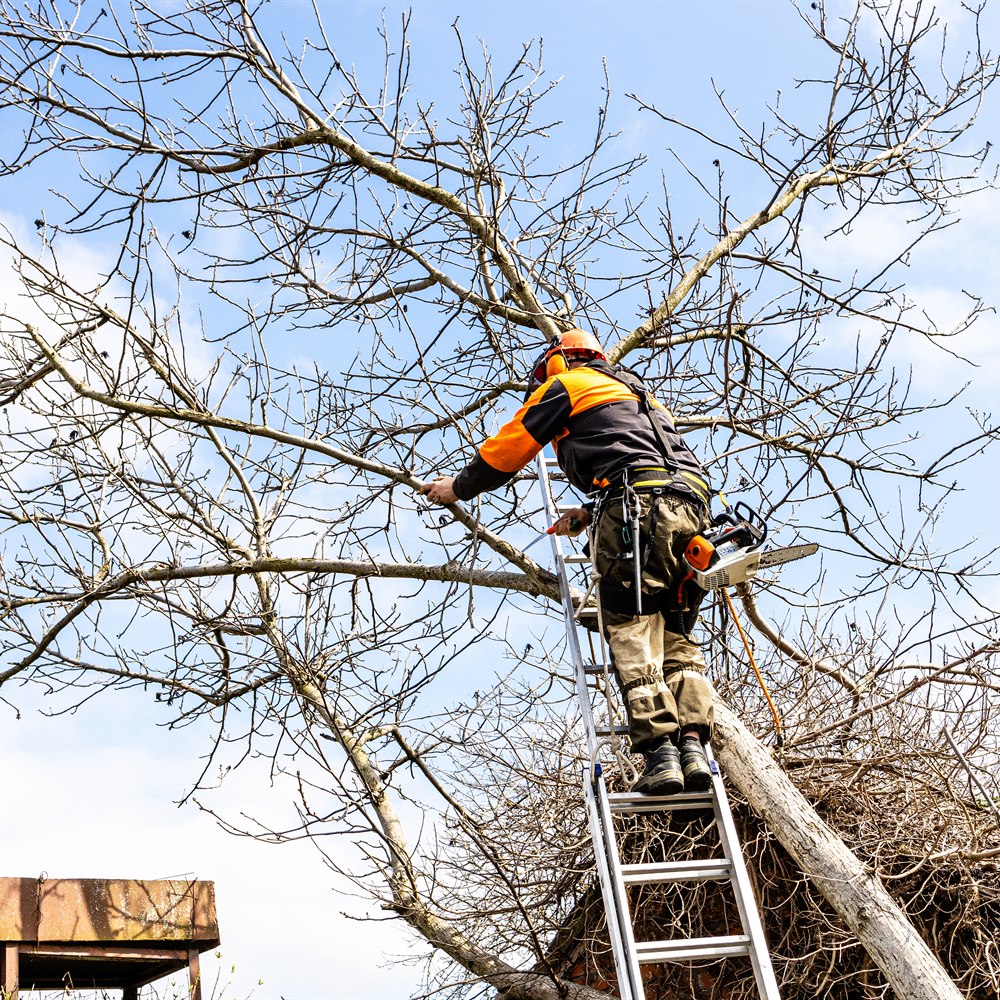
Regular trimming keeps your trees healthy, safe, and looking their best. Removing dead or overgrown branches prevents them from falling, keeps limbs clear of your home and power lines, and encourages strong, balanced growth.
Good pruning is part science, part skill. A trained arborist knows how and where to cut for the tree's health rather than just hacking it back, and can spot early signs of disease or structural problems worth addressing.
Abode connects you with local tree trimming pros and arborists. Compare specialists, understand the cost, and keep your trees thriving.

Did You Know?
Improper pruning can permanently harm or even kill a tree, which is why trimming is a job for a trained arborist rather than a rushed DIY cut.
Tree Trimming Cost. How Much Do Projects Cost?
Most projects run between $200 and $1,800. The average price is typically around $450. The $200 to $1,800 range describes a routine trim of one residential tree. Size is the dominant driver and the table prices the whole ladder, so a small ornamental can land just under the range at a crew's $100 to $300 minimum while a mature tree over 60 ft runs above it at $1,200 to $3,000. Trimming inside a power-line clearance zone or directly over a structure is a different job quoted from $1,500 up and billed by crew time, and debris haul-away adds $75 to $250.
Typical duration: A few hours to 1 day
| Cost Factor | Typical Range | Notes |
|---|---|---|
| Small tree (under 30 ft) | $150-$500 | Ornamentals and young trees; most crews enforce a $100-$300 minimum job fee, so nobody mobilizes for less |
| Medium tree (30-60 ft) | $450-$1,200 | A shade tree that needs climbing or a bucket truck rather than a pole saw |
| Large tree (over 60 ft) | $1,200-$3,000 | Mature hardwoods and heritage trees, where rigging and a full crew day set the price |
| Near a house or power lines | $1,500-$10,000 | Clearance-zone and over-structure work is billed by crew time, roughly $100-$240 per hour or $800-$1,775 per day for two people |
Cost data verified August 26, 2026. How we source cost data.
08/26/2026
Signs You Need Tree Trimming
- Overgrown or unbalanced branches
- Limbs near your home or power lines
- Dead or broken branches
- A tree that hasn't been pruned in years
- Branches blocking light or views
Is It Right For You?
Who It's For
- Homeowners maintaining tree health and safety
- Anyone with overgrown or hazardous branches
Who It's Not For
- Dead or hazardous trees that need full removal
- Minor clipping a homeowner can safely reach
What to Watch Out For
Bad cuts can damage a tree's health
Height and proximity to hazards raise the price
Alternatives to Consider
| Alternative | Better When | Worse When |
|---|---|---|
| DIY trimming | Fine for low, small branches | Dangerous and easy to harm the tree on larger jobs |
| Tree removal | Necessary for dead trees | Far more drastic and costly than trimming a healthy one |
Is It Worth It?
Regular tree trimming is worth it to preserve tree health, prevent falling-limb hazards, and protect your home, all for far less than removal or repair.
Questions to Ask Your Pro
- Are you an ISA-certified arborist?
- How much should be trimmed without harming the tree?
- Will you haul away the debris?
Frequently Asked Questions
A routine trim runs $200 to $1,800 per tree, averaging around $450, and size sets where you land: a small tree under 30 ft is $150 to $500, a 30 to 60 ft tree $450 to $1,200, and a tree over 60 ft $1,200 to $3,000. Work near a structure or inside a power-line clearance zone is quoted separately and starts around $1,500.
The main drivers are the tree's size and height, its accessibility, and its proximity to structures or power lines. Hazard work is billed by crew time rather than per tree, roughly $100 to $240 per hour for a two-person crew.
Most trees benefit from trimming every three to five years, though fast-growing species or those near structures may need it more often.
Improper pruning can harm or kill a tree, so a trained arborist knows how to cut for the tree's health and can spot early problems.
Yes. Trimming preserves a healthy tree by removing select branches, while removal takes down a dead, diseased, or hazardous tree entirely.