When Is Aging-in-Place Remodeling Not the Right Move?
Aging-in-place remodeling helps many people stay safely at home, but it’s not the right answer for every situation. Sometimes a single targeted fix, a simpler solution, or even relocating makes more sense than an accessibility remodel. Knowing when saves money and leads to a better outcome. Here’s when something other than a remodel fits.
When You Only Need One or Two Safety Fixes
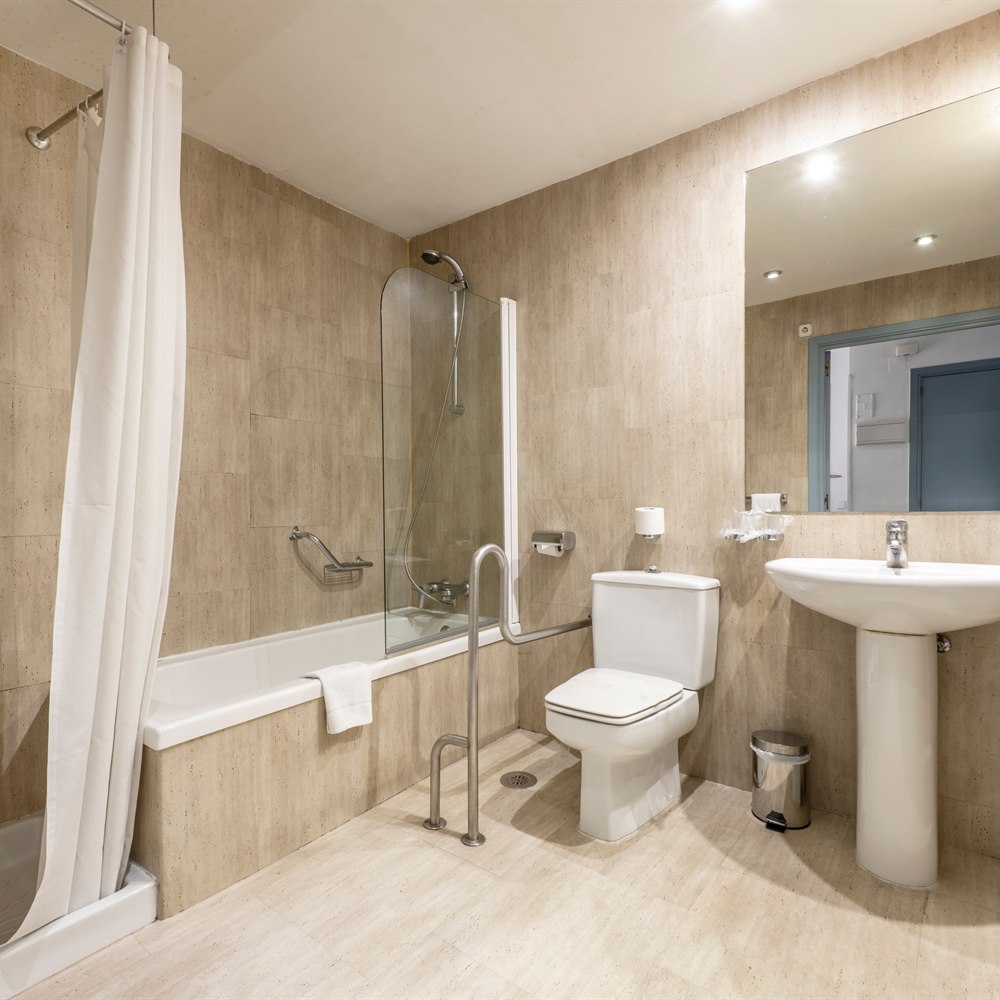
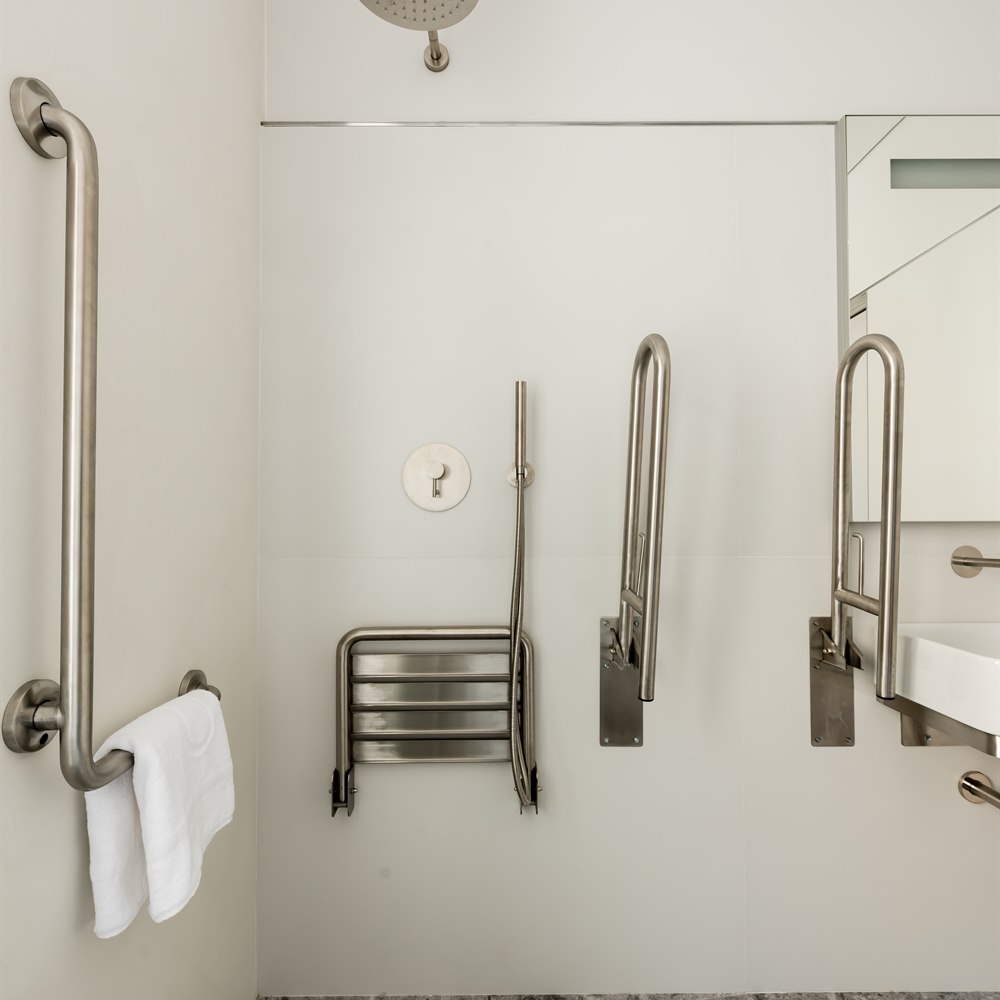
If the actual need is modest, some grab bars, better lighting, a handheld shower, you don’t need a “remodel.” These are simple additions, not a construction project. Installing a few targeted safety features addresses the need directly and cheaply, without the scope or cost of a remodel. Don’t over-scope a project when a handful of safety improvements is what’s genuinely required. Match the effort to the actual need, sometimes that’s just a few well-chosen additions. The tell is whether the need can be met by attaching things to the home versus changing the home, grab bars, a handheld shower, better lighting, and lever handles all install without construction, so when that list covers the actual need, calling it a remodel over-scopes what is really a straightforward set of safety additions.
When a Simpler Solution Solves It
Sometimes a non-construction solution works better than remodeling. If stairs are the problem, a stair lift avoids reconfiguring the home. If a bathroom is hard to use, a few well-chosen fixtures may suffice without a full accessible remodel. Rearranging the home so essential living happens on one floor can defer or avoid bigger changes. Before committing to construction, ask whether a simpler adaptation, equipment, rearrangement, targeted fixtures, achieves the goal. The least invasive solution that works is often the best. Equipment frequently beats construction for this reason, a stair lift, for instance, solves a multi-level home’s stair problem without the far greater cost and disruption of reconfiguring the house for single-floor living, so weighing the least-invasive option that genuinely meets the need, before defaulting to a remodel, tends to serve both the budget and the home.
When the Home Is Fundamentally Unsuitable
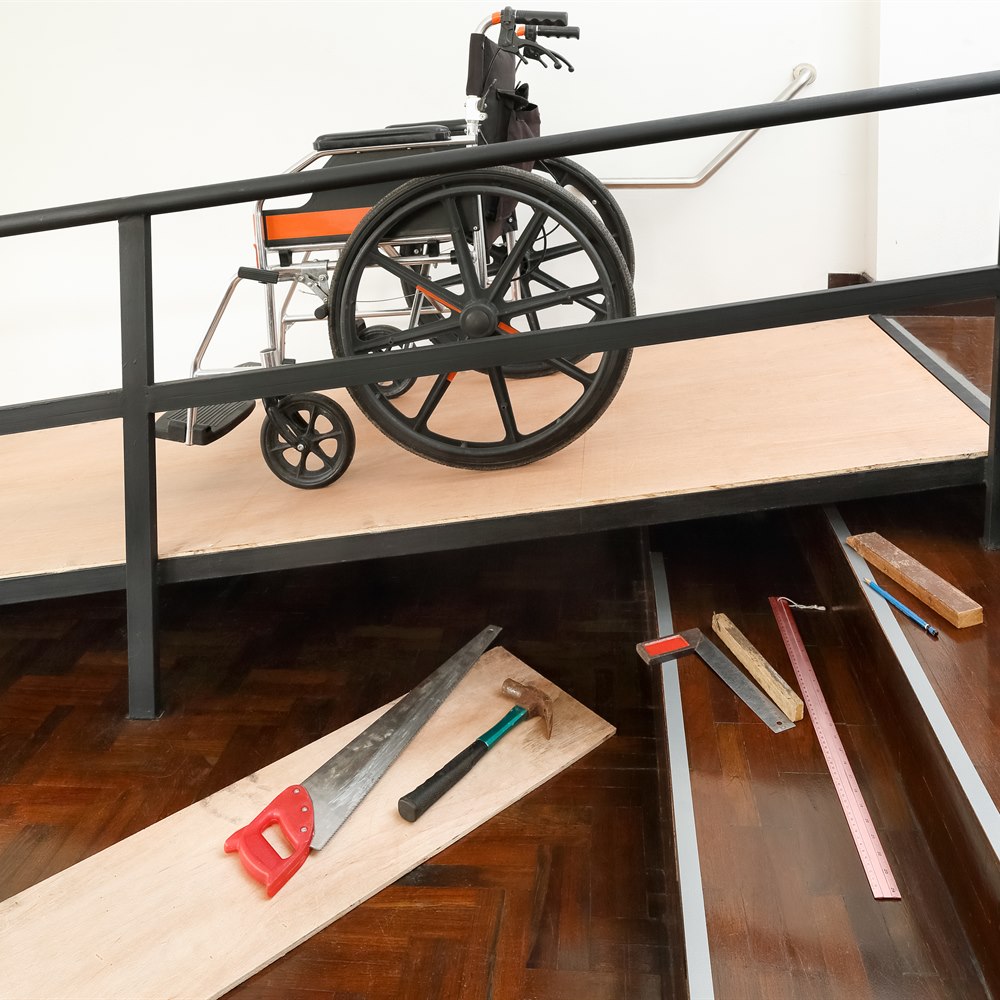
Some homes are genuinely difficult to adapt: a multi-level home with no possibility of first-floor living, a very tight layout that can’t accommodate accessible dimensions, or a home where full accessibility would cost more than it’s worth. If adapting your home would be impractical or prohibitively expensive, a full remodel may not be the right move, and relocating to a more suitable home might serve better. When the home fights accessibility at every turn, forcing an expensive remodel may not be the wise choice. Some layouts genuinely resist accessibility, a home with no room for a 32-to-36-inch doorway or a proper turning radius, split levels that can’t accommodate a ramp at a safe 1-in-12 slope, or no possibility of full first-floor living, and when meeting the basic accessibility standards would require gutting or rebuilding, relocating to a home that already works can be both cheaper and better.
When Care Needs Exceed What a Home Can Provide
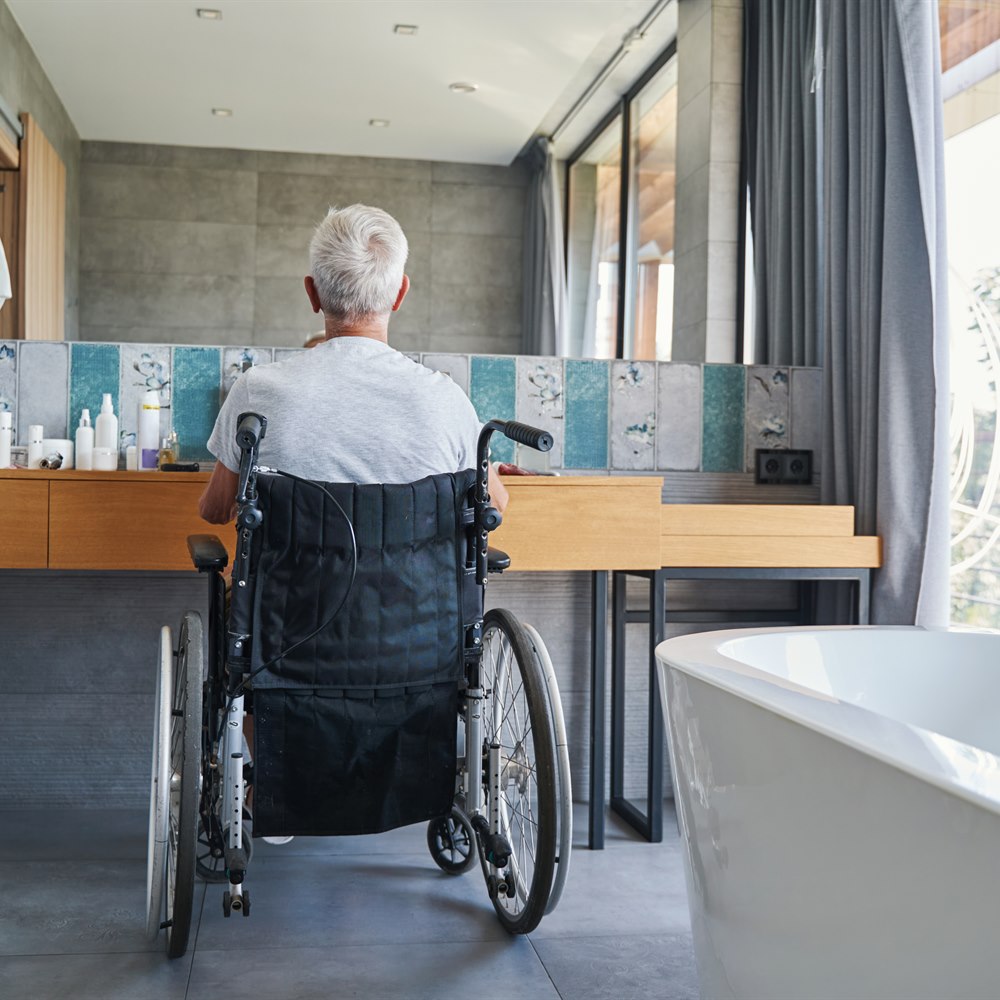
Aging-in-place remodeling addresses the physical home, not care needs. If someone needs a level of daily care or supervision that no home modification can provide, remodeling the home doesn’t address the real need. In that situation, assisted living or other supported housing may be more appropriate than adapting the home. Honestly assessing whether the need is about the home’s accessibility or about care requirements is important, they call for very different solutions. The clarifying question is whether the barrier is the building or the care, an inaccessible bathroom is a building problem a remodel can solve, whereas needing help with medications, meals, or supervision is a care problem no amount of construction addresses, so matching the solution to which kind of need you actually have prevents spending remodeling money on a problem it can’t fix. (For more on this, see The Drawbacks of Aging-in-Place Remodeling: An Honest Look.)
When Relocating Makes More Sense
Sometimes moving to a home or community designed for accessibility, or closer to family or care, is a better answer than an expensive retrofit. A single-story home, an accessible condo, or a senior living community may provide accessibility (and other benefits like community and services) that an aging-in-place remodel can’t fully match. If you’re not deeply attached to your current home, or it’s poorly suited to adapt, relocating deserves genuine consideration alongside remodeling. Staying isn’t automatically better than moving to a more suitable situation. Purpose-built accessible housing and senior communities can offer things a retrofit simply can’t, single-level layouts designed around accessibility from the start, plus community, social connection, and on-site or available services, so for someone whose home is a poor candidate for adaptation, a move can deliver more accessibility and support together than an expensive, imperfect retrofit of an unsuitable house. (For more on this, see Aging in Place vs. Moving to Accessible Housing: Which Is Right?.) The CDC’s STEADI initiative treats home modification as a core part of reducing fall risk for older adults.
When You’re Planning Ahead but Needs Aren’t Clear Yet
If you’re thinking about future accessibility but don’t yet have specific needs, a full remodel may be premature. It can make sense to do inexpensive future-proofing now, like adding blocking in walls for future grab bars during any other remodel, while deferring the actual accessibility work until needs are clearer. Building in the cheap groundwork now while waiting to invest in features until they’re needed is often smarter than a speculative full remodel. Plan ahead economically rather than remodeling for needs you don’t yet have. The economical form of planning ahead is adaptability, the universal-design idea of building in the cheap groundwork now, blocking inside walls for grab bars, a bit of extra clearance where a future ramp might go, so that when a specific need does arrive, meeting it is quick and inexpensive rather than requiring a fresh round of demolition.
When Aging-in-Place Remodeling Is the Right Move
Aging-in-place remodeling genuinely makes sense when you want to stay in a home that can reasonably be adapted, when the needs justify the work, when the home’s layout can accommodate accessibility, and when care needs are within what a modified home supports. In those cases, it’s an excellent investment in independence and safety. The lesson: match the response to the real situation, a few fixes, a simpler solution, or relocating may serve better than a full remodel, and sometimes a remodel is exactly right. When you’re ready for help deciding, connect with local pros below. (For more on this, see Questions to Ask an Aging-in-Place Remodeling Contractor.)
Frequently Asked Questions
When you only need one or two safety fixes (not a remodel), when a simpler solution solves it, when the home is fundamentally unsuitable to adapt, when care needs exceed what a home can provide, when relocating makes more sense, or when you're planning ahead but needs aren't clear yet.
No. If the need is modest, grab bars, better lighting, a handheld shower, those are simple additions, not a construction project. Installing a few targeted safety features addresses the need directly and cheaply, without the scope or cost of a remodel.
When your home is fundamentally hard to adapt (multi-level with no first-floor-living option, a very tight layout), or when a more suitable home or community offers accessibility and benefits a retrofit can't match. If you're not deeply attached to your home, relocating deserves consideration.
Then remodeling doesn't address the real need. Aging-in-place work adapts the physical home, not care requirements. If someone needs daily care or supervision no modification can provide, assisted living or supported housing may be more appropriate than adapting the home.
Often it's premature. Instead, do inexpensive future-proofing, like adding blocking in walls for future grab bars during any other remodel, and defer the actual accessibility work until needs are clearer. Cheap groundwork now beats a speculative full remodel.