Adapt Your Home or Move, Which Is Right?
As accessibility needs grow, many people face a choice: age in place by adapting their current home, or move to housing that’s already accessible or offers support. They differ in cost, disruption, and lifestyle, and the right one depends on your home, your needs, your finances, and how much staying put matters to you. Here’s how they compare.
The Quick Answer
Age in place when you love your home, it can reasonably be adapted, and your needs are within what a modified home supports. Move when your home is fundamentally hard to adapt, when your care needs exceed what any home modification provides, or when a more suitable home or community better fits your situation. The deciding factors are your home’s adaptability, your needs, and your attachment to staying. (For more on this, see When Aging-in-Place Remodeling Isn’t the Right Move.)
Side by Side
| Age in Place | Move to Accessible Housing | |
|---|---|---|
| Familiarity | Stay in a home you know | New environment |
| Cost | Modification cost (varies widely) | Moving + new housing cost |
| Support/care | The home only, care added separately | May include community, services, care |
| Best when | Home is adaptable, you want to stay | Home unsuitable, or higher care needs |
The Case for Aging in Place
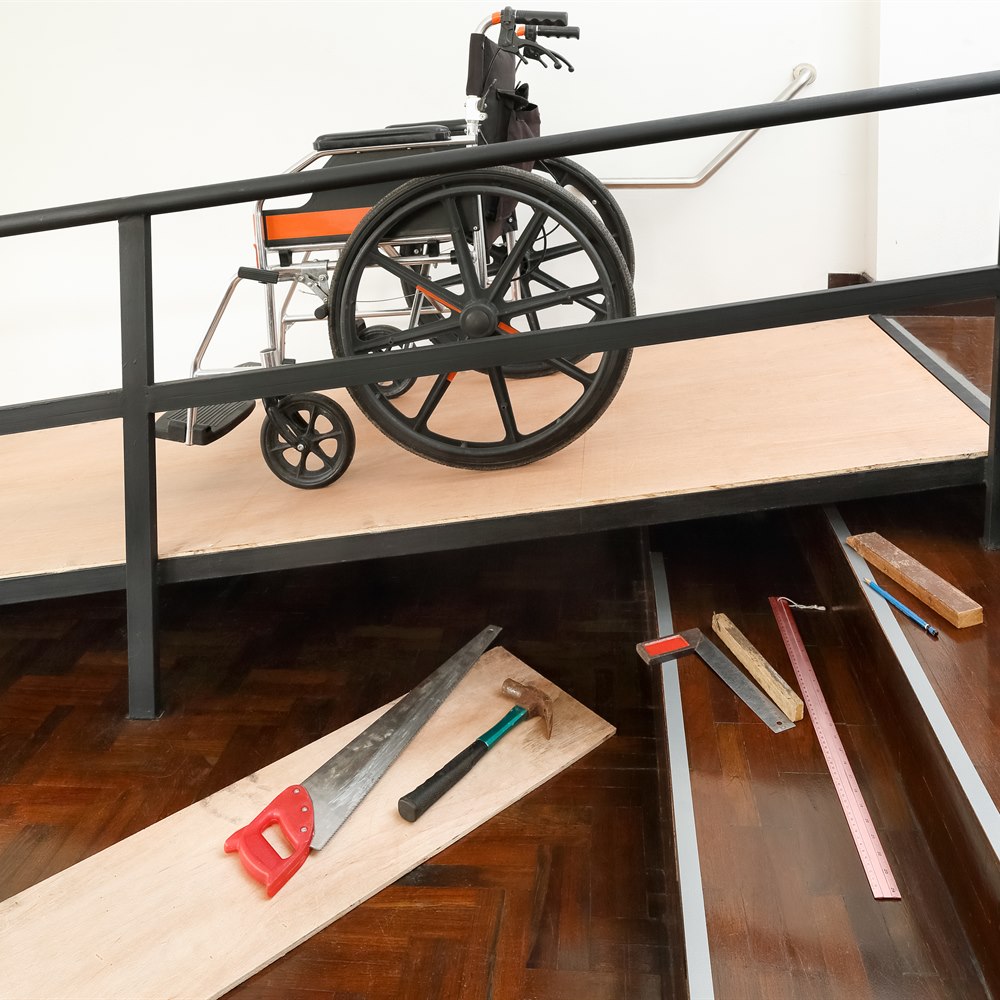
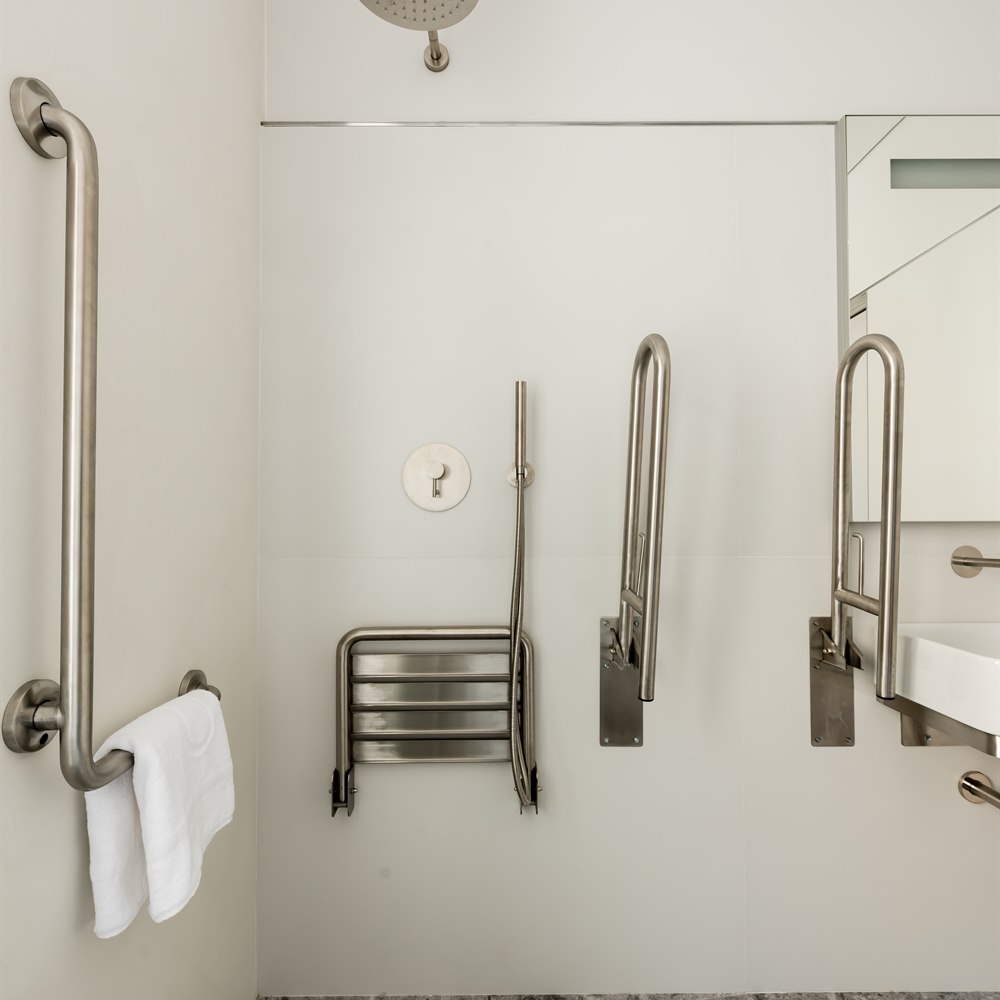
Aging in place lets you stay in the home and community you know, your familiar surroundings, neighbors, memories, and routines, which has real emotional and psychological value. For many, remaining in a beloved home is deeply important, and modifications can make it safe and accessible. Aging in place also avoids the upheaval, cost, and stress of moving. When your home can reasonably be adapted and you want to stay, aging in place preserves what matters, home, familiarity, independence, while addressing safety. The comfort of the familiar is a genuine benefit that shouldn’t be underestimated. Modifications can preserve that familiarity while making the home genuinely safe, meeting the same accessibility standards, anchored grab bars, a curbless bath, adequate doorway widths, that purpose-built housing offers, so for an adaptable home the choice isn’t between comfort and safety but a way to keep both. The CDC’s STEADI initiative treats home modification as a core part of reducing fall risk for older adults.
The Case for Moving
Moving to accessible housing makes sense when your current home is genuinely hard or impractical to adapt, a multi-level home with no first-floor-living option, a very tight layout, or one where full accessibility would cost more than it’s worth. It can also make sense when you’d benefit from more than the home itself, community, services, social connection, or available care, that a standalone house can’t provide. Senior living communities, accessible condos, or single-story homes offer accessibility plus other benefits. If your home fights accessibility, or your needs call for more support, moving can serve better than an expensive, imperfect retrofit. The imperfect part matters, some homes can be made safer but never truly accessible, split levels that can’t take a compliant ramp, footprints too tight for 32-inch doorways or a turning radius, so when a retrofit would be both costly and only partial, a home already built to accessibility standards can deliver a better result for the money.
Weighing the Costs
Compare the real costs. Aging in place costs the modifications, which range from modest (safety basics) to major (full retrofit). Moving costs the price and transaction of relocating, plus potentially higher ongoing costs for supportive housing. For modest needs in an adaptable home, aging in place is often far cheaper. For a home requiring an expensive, extensive retrofit, or when care needs are significant, moving may be more economical or practical. Run the numbers for your specific situation, including the cost of any care that would be added at home versus included elsewhere. That care comparison is often the decisive number, because modifications are a one-time cost while care is ongoing, so a home that’s cheap to adapt but would require paid in-home assistance can end up costing more over time than supportive housing that bundles accessibility and services together, which is why the honest comparison has to include care, not just construction. (For more on this, see The Drawbacks of Aging-in-Place Remodeling: An Honest Look.)
Considering Care Needs
A crucial factor is whether the need is about the home’s accessibility or about care. Modifications make a home safer and more usable, but they don’t provide care. If someone needs, or will soon need, daily assistance or supervision, aging in place requires arranging (and paying for) that care separately, while some housing options include it. Honestly assessing current and likely future care needs, not just today’s mobility, is essential to choosing well, because it may tip the decision toward supported housing. The clean way to separate the questions is to ask what each option actually provides, a remodel delivers an accessible building and nothing more, while supportive housing can deliver accessibility plus assistance, supervision, and community, so when the real need includes care and not just a safer home, the housing option addresses something a retrofit simply cannot. (For more on this, see How to Budget and Pay for Aging-in-Place Remodeling.)
Making the Call
Age in place when your home is adaptable, you want to stay, and your needs fit what a modified home supports, it preserves familiarity and independence. Move when your home is fundamentally unsuitable, your care needs exceed what modifications provide, or a more supportive setting better fits your life. The deciding factors are your home’s adaptability, your care needs, and your attachment to staying, honestly weighed. A contractor can assess what adapting your home would involve and cost, which helps inform the decision. When you’re ready for that guidance, connect with a local pro below.
Frequently Asked Questions
Age in place when you love your home, it can reasonably be adapted, and your needs fit what a modified home supports. Move when your home is fundamentally hard to adapt, your care needs exceed what modifications provide, or a more suitable home or community fits better.
Staying in the home and community you know, familiar surroundings, neighbors, memories, and routines, which has real emotional value. It also avoids the upheaval, cost, and stress of moving. When your home is adaptable and you want to stay, it preserves what matters while addressing safety.
When your home is genuinely hard or impractical to adapt (multi-level with no first-floor option, a tight layout, or where full accessibility costs more than it's worth), or when you'd benefit from community, services, or care a standalone house can't provide.
For modest needs in an adaptable home, often far cheaper, just the modification cost. For a home needing an expensive, extensive retrofit, or when care needs are significant, moving may be more economical or practical. Run the numbers for your specific situation.
Crucially. Modifications make a home safer but don't provide care. If someone needs daily assistance or supervision, aging in place means arranging and paying for that separately, while some housing includes it. Assessing current and future care needs, not just mobility, is essential.