Chairlifts, Elevators
Move Between Floors With Ease
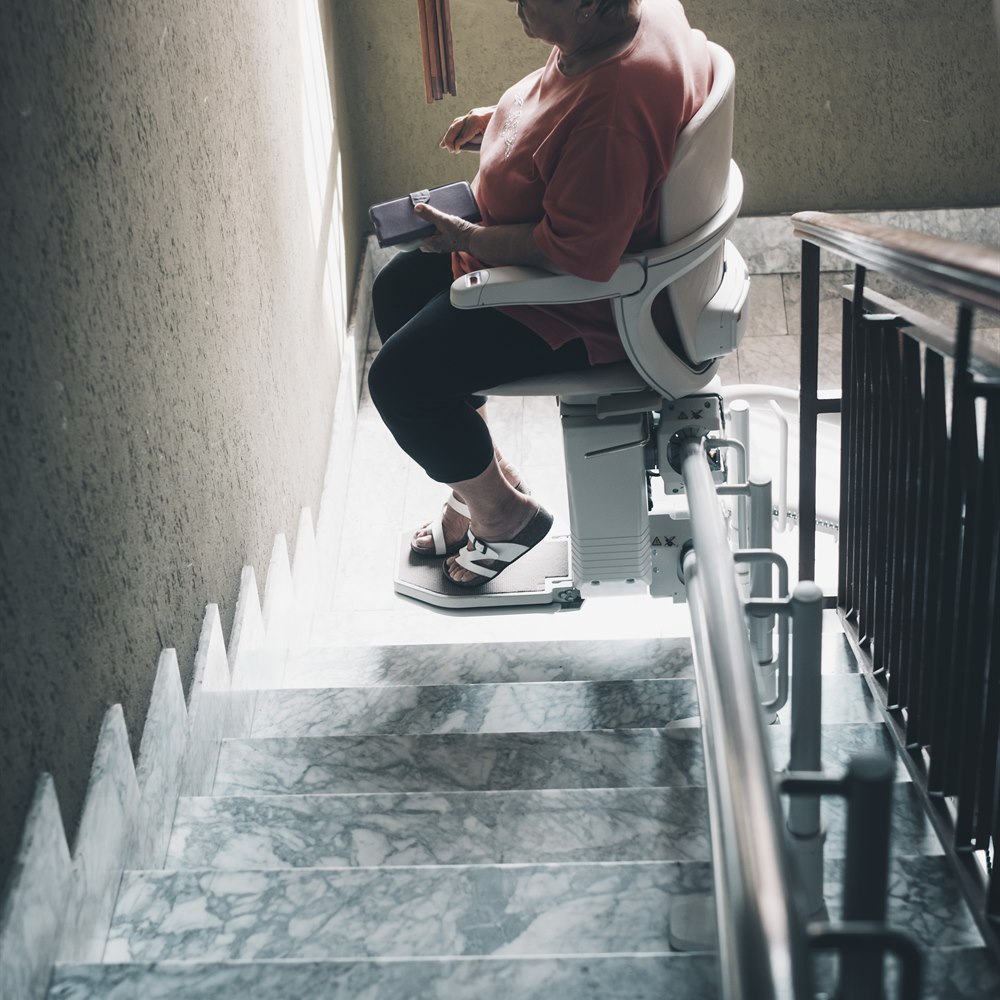
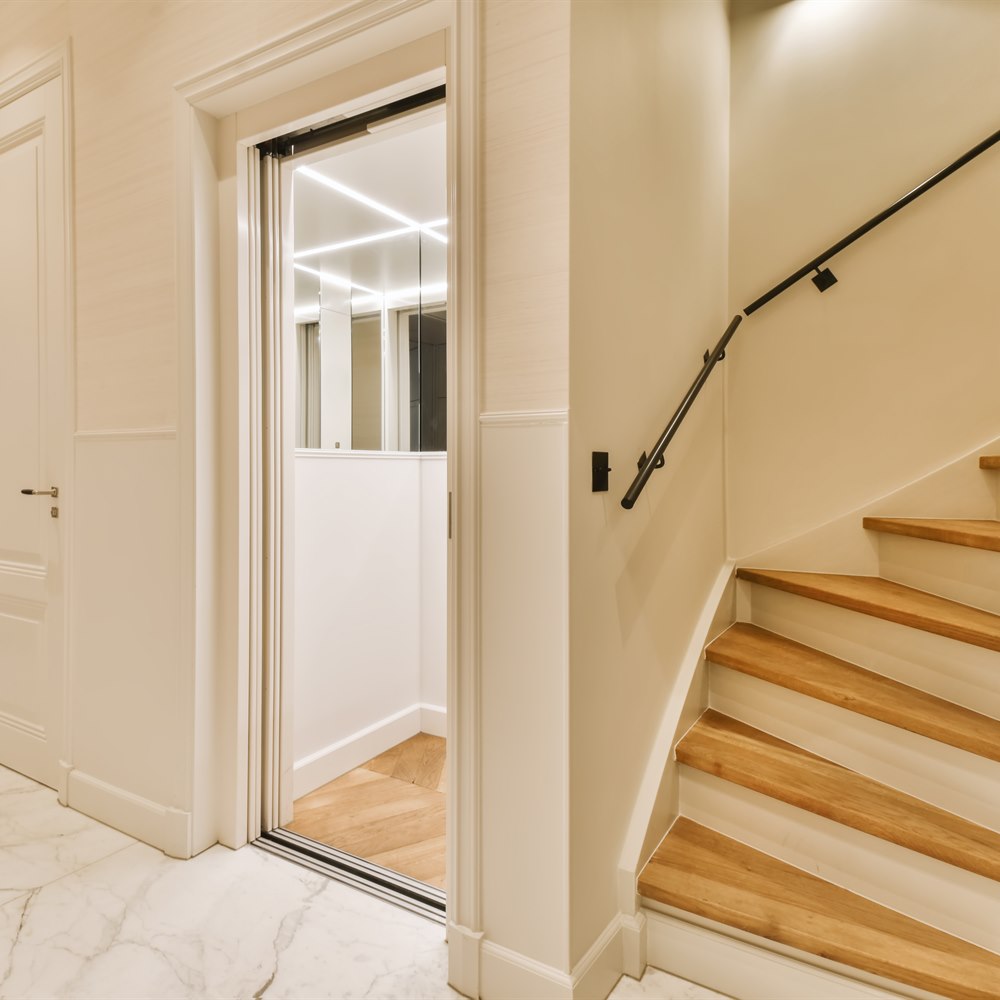
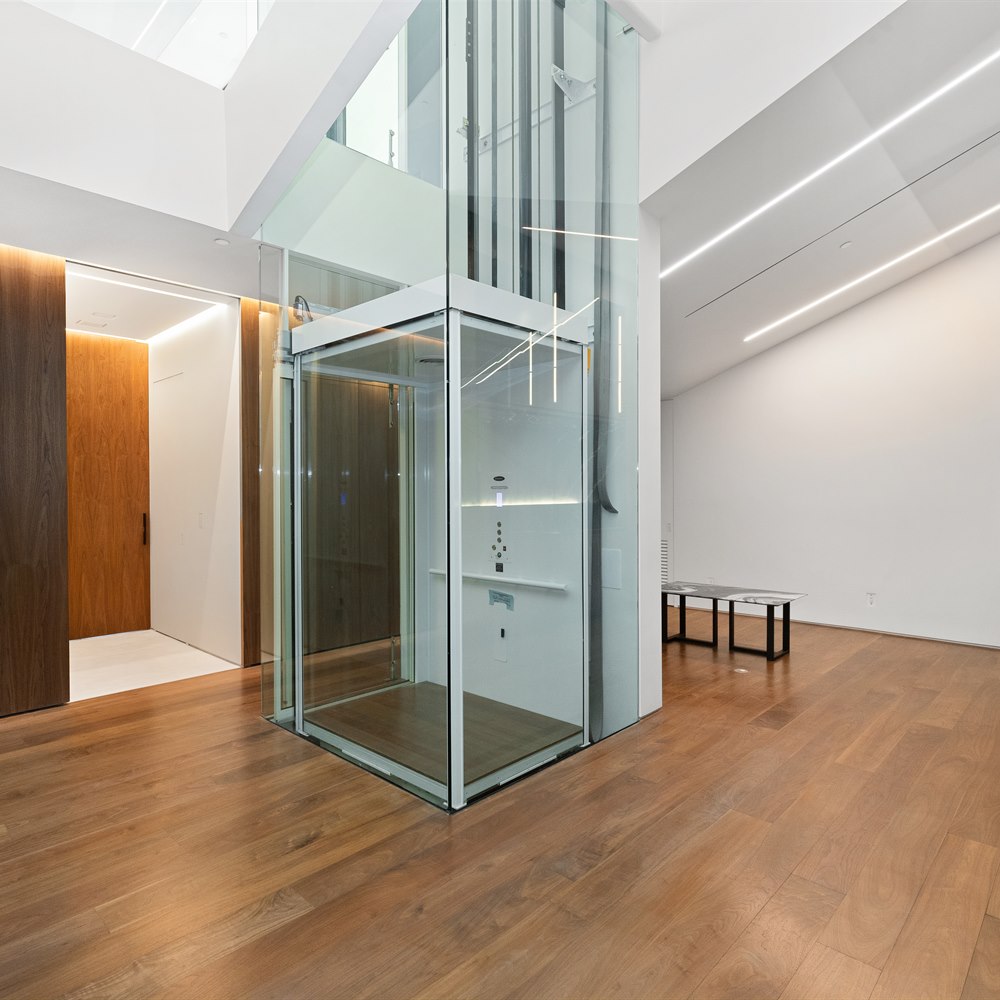
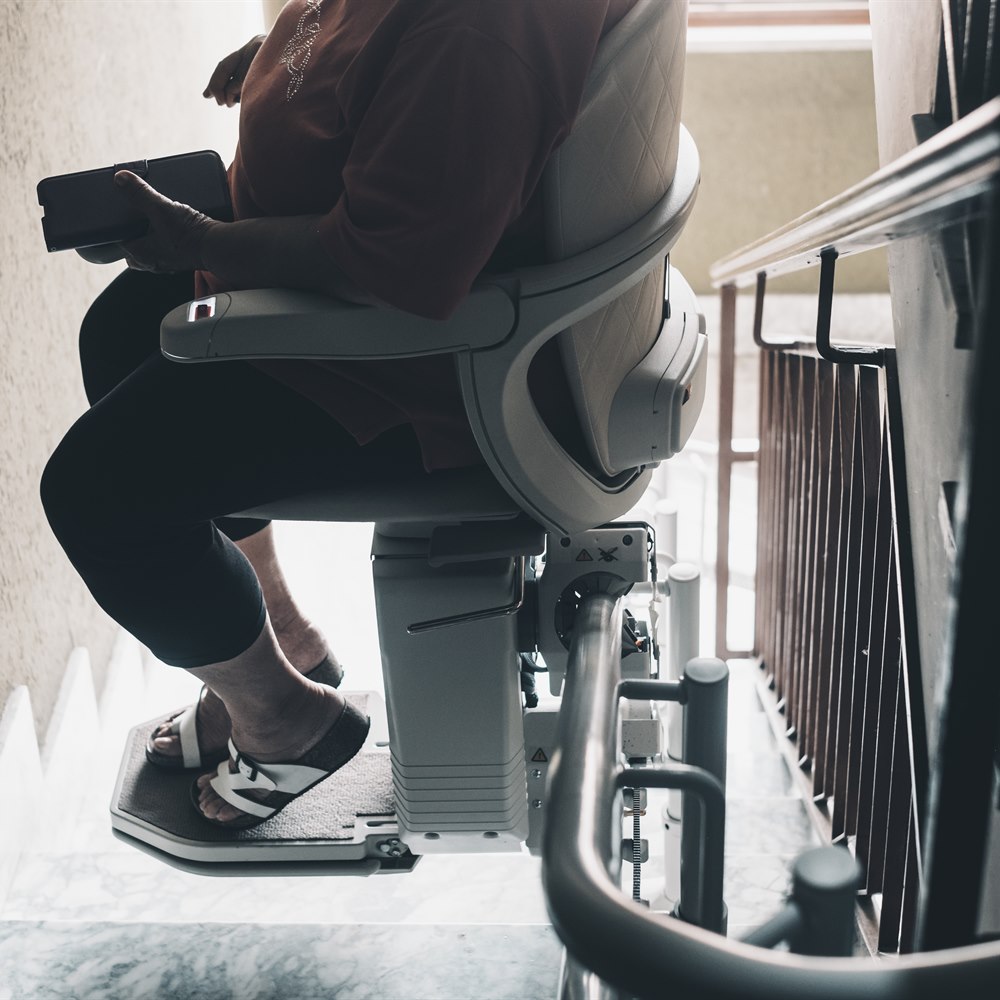
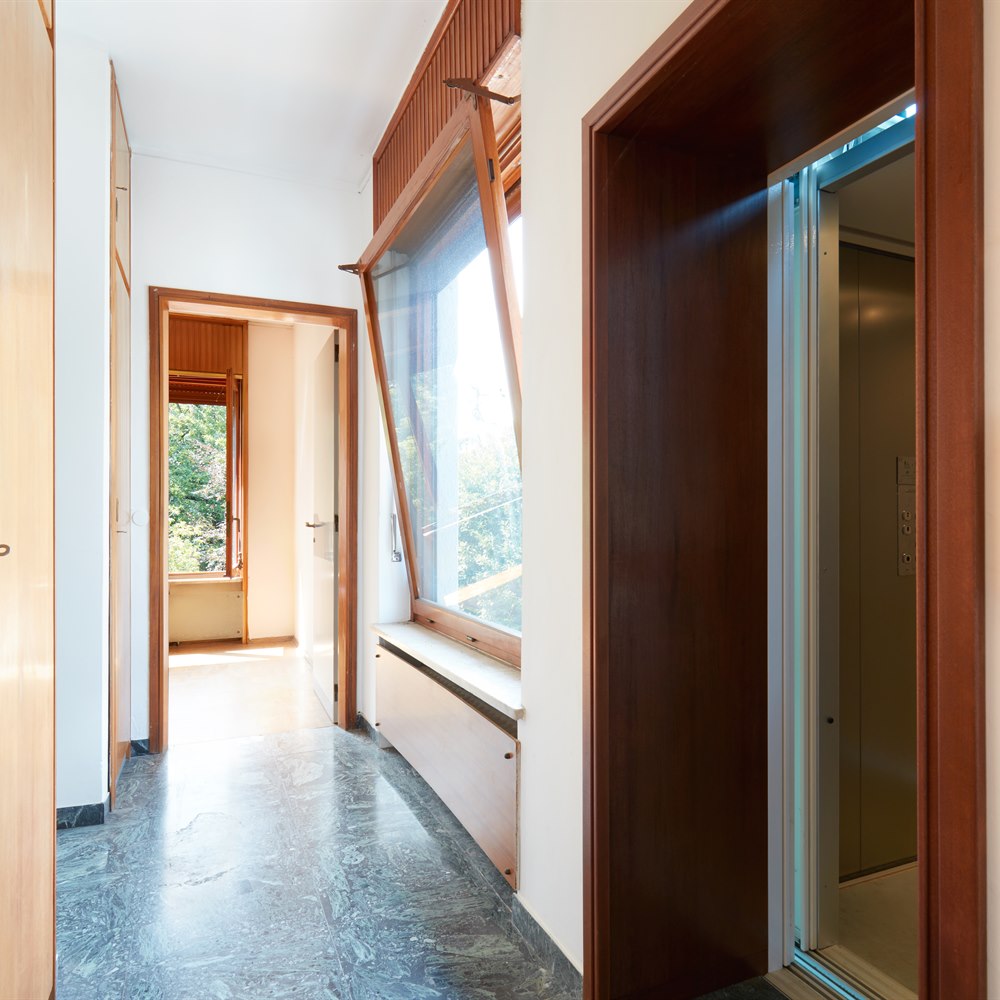
For anyone who struggles with stairs, a stair lift or home elevator restores access to their whole home. A stair lift carries you smoothly along the staircase, while a residential elevator offers full multi-floor mobility, both letting homeowners stay in a multi-level home safely.
A good installer assesses your staircase or space, recommends the right solution, straight or curved stair lift, or an elevator, and installs it for safe, reliable operation. The right choice depends on your needs, your home, and your budget.
Abode connects you with local accessibility pros. Compare specialists, understand the cost, and reclaim every floor of your home.
Did You Know?
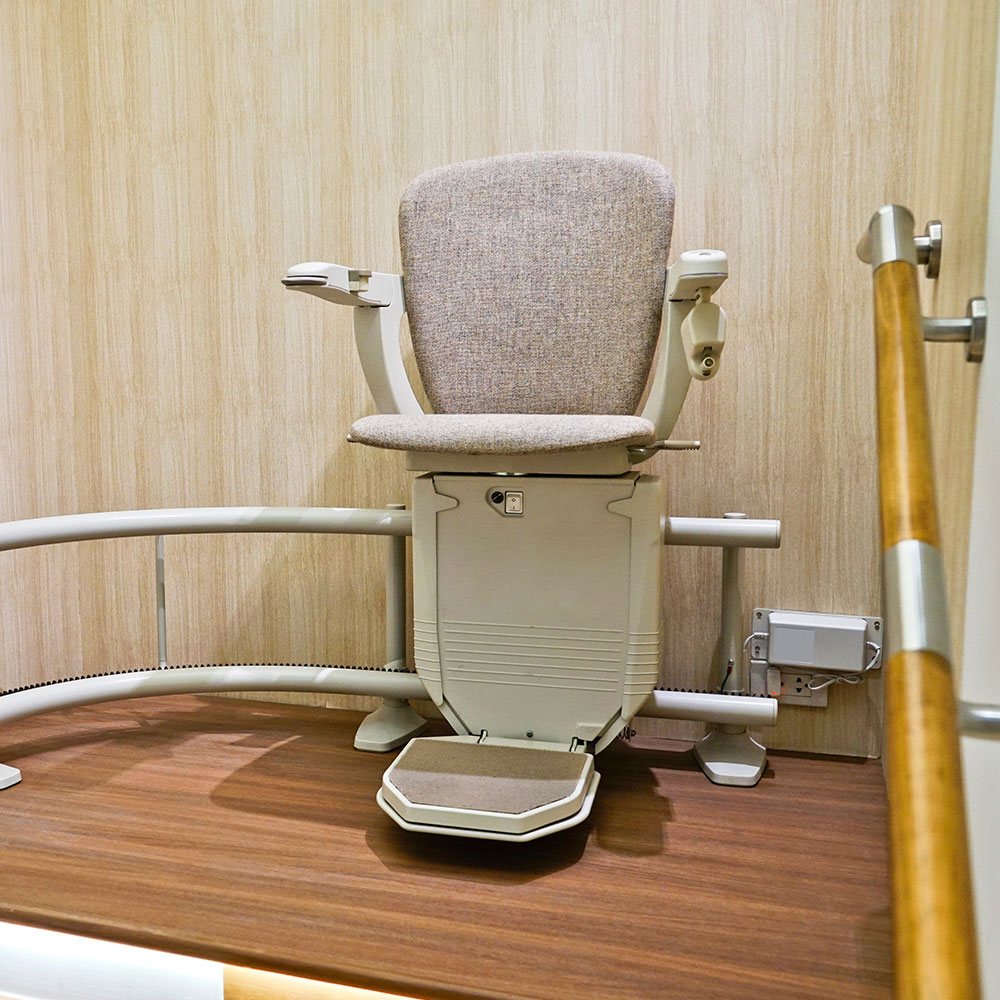
A straight stair lift can often be installed in a single day, making it one of the faster ways to restore full-home access for someone who can no longer manage stairs.
Chairlifts, Elevators Cost. How Much Do Projects Cost?
Most projects run between $3,200 and $20,000. The average price is typically around $5,500. These figures cover stair lifts only: $3,200 to $7,500 installed on a straight staircase and $9,000 to $20,000 on a curved one, with a typical straight lift around $5,500 and the table's $2,200 floor being a refurbished unit rather than a new one. Residential elevators are a separate purchase well above this range at $30,000 to $60,000 or more installed, starting near $25,000 for a compact through-floor lift.
Typical duration: 1 day to several weeks
| Cost Factor | Typical Range | Notes |
|---|---|---|
| Straight stair lift | $2,200-$8,500 | Standard straight staircase |
| Curved stair lift | $7,500-$15,000+ | Custom-fit to a curved staircase |
| Residential elevator | $30,000-$60,000+ | Full multi-floor access |
Cost data verified August 23, 2026. How we source cost data.
08/23/2026
Signs You Need Chairlifts, Elevators
- Difficulty or danger navigating stairs
- Limited mobility in a multi-level home
- Wanting to age in place
- Avoiding relocating to a single-level home
- A household member using a wheelchair
Is It Right For You?
Who It's For
- Homeowners who struggle with stairs
- Anyone wanting full access in a multi-level home
Who It's Not For
- Single-level homes with no stairs
- Needs met by a simpler mobility aid
What to Watch Out For
Residential elevators are the high-end option
Custom fitting to a curved staircase raises the price
Alternatives to Consider
| Alternative | Better When | Worse When |
|---|---|---|
| Relocating to a single floor | No equipment cost | Loses use of upper floors |
| Straight lift over elevator | Far cheaper | Only serves the staircase, not full mobility |
Is It Worth It?
A stair lift or elevator is worth it for those who can't safely manage stairs, restoring full-home access and enabling aging in place.
Questions to Ask Your Pro
- Is a straight or curved lift right for my staircase?
- Would an elevator make more sense long-term?
- What's the weight capacity and battery backup?
Frequently Asked Questions
A new straight stair lift runs $3,200 to $7,500 installed and a curved one $9,000 to $20,000, with refurbished straight units starting around $2,200. A residential elevator is a separate purchase at $30,000 to $60,000 or more.
A straight lift fits a standard straight staircase affordably, while a curved lift is custom-built to follow a curved or multi-turn staircase.
A stair lift is far more affordable and quick to install, while an elevator offers full mobility and is usually chosen during a major renovation.
A straight stair lift can often be installed in a single day, while curved lifts and elevators take longer.
Standard insurance usually doesn't, though some medical or veterans' programs may help in specific circumstances.