How Do You Budget for Basement Waterproofing?
Basement waterproofing ranges from a $600 targeted fix to a $35,000 comprehensive system, so budgeting well means matching the solution to your actual problem, addressing the source, and understanding the long-term value of protecting your basement. Here’s how to approach it.
Match the Solution to the Problem
The biggest budgeting decision is not over- or under-solving. A minor, localized issue (one leaking crack, occasional minor dampness) may need only a targeted fix, not a full system. A chronically wet basement needs a comprehensive solution. Getting an honest assessment of the actual severity, and matching the solution to it, avoids both paying for more than you need and under-fixing a real problem. Right-size the solution to your specific water problem. The stakes of getting this right cut both ways: paying for a full interior-and-exterior system when a downspout extension would have solved the problem wastes thousands, while installing only a crack seal on a basement fighting hydrostatic pressure fails to fix anything, so the honest severity assessment that precedes the budget is what keeps you from either error, which is why it’s worth insisting on before any quote frames your expectations. (For more on this, see The Best Basement Waterproofing Solution for Your Situation.)
Address the Source First (It’s Often Cheaper)
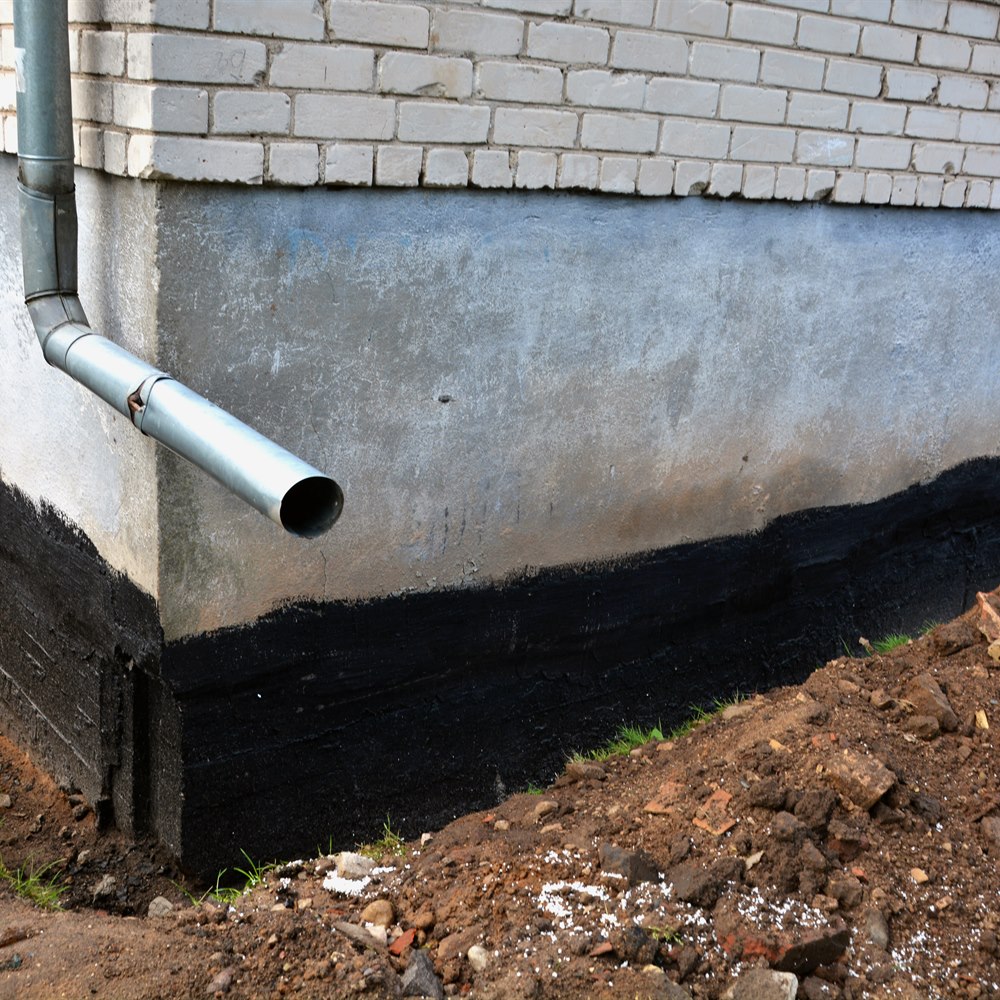
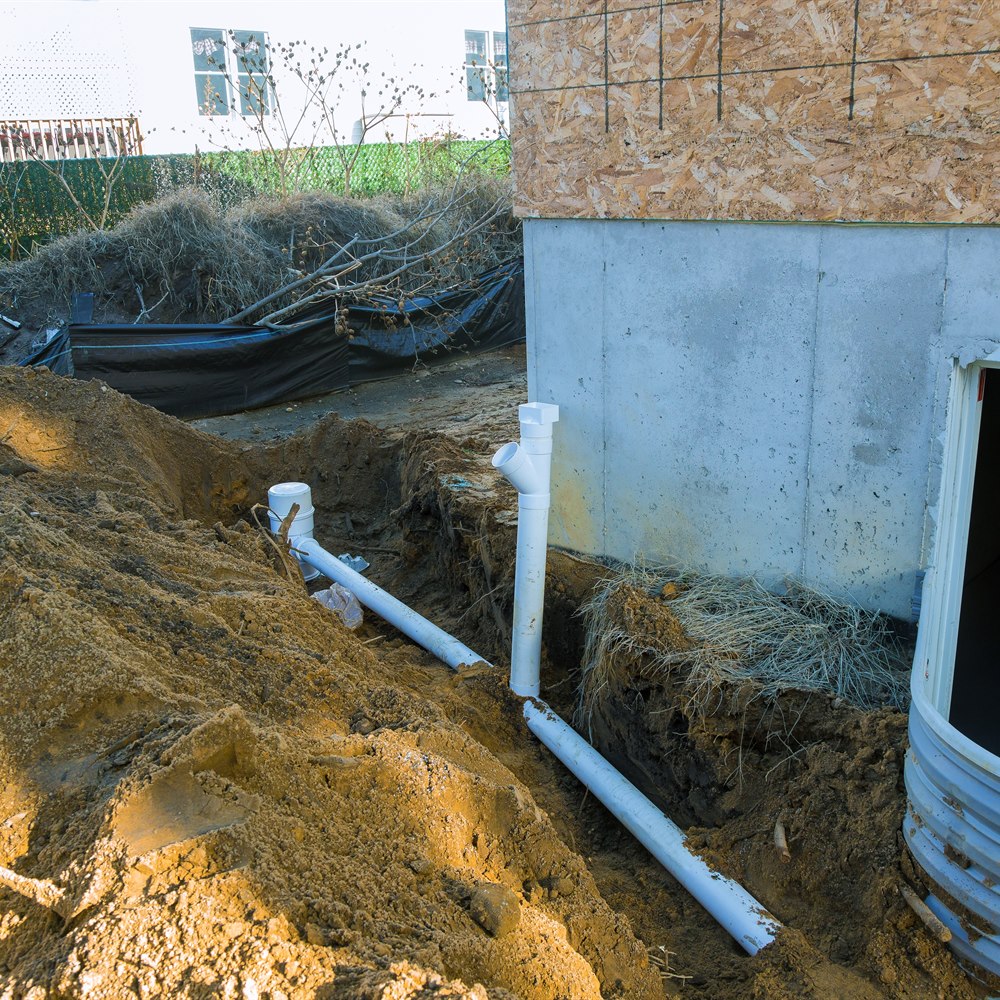
Before committing to an expensive system, address the outside causes, which are often the cheapest fixes with the biggest impact. Extending downspouts away from the foundation, regrading soil to slope away from the house, and clearing exterior drainage can dramatically reduce water reaching the basement, sometimes solving the problem for a fraction of a full system’s cost. Start with the inexpensive source fixes; you may need less system than you think. Cheap outside fixes can prevent expensive inside ones. The reason these outside fixes punch so far above their cost is that they attack the water before it ever reaches the foundation, redirecting a downspout to discharge several feet from the house or regrading soil to shed rain away from the walls can remove the very water an interior system would otherwise have to collect and pump, so it’s genuinely common for a basement to dry out after a weekend of gutter and grading work that costs a tiny fraction of a system. (For more on this, see Common Basement Waterproofing Mistakes and How to Avoid Them.)
Weigh the Cost of Not Waterproofing
A wet basement isn’t just an inconvenience, it causes real, costly damage: mold, ruined finishes and belongings, structural issues, and lost usable space, plus health concerns from mold and a lower home value. Weighing waterproofing’s cost against the ongoing damage of a wet basement reframes it as protective. Preventing water damage is far cheaper than repeatedly repairing it. Factor the cost of doing nothing into the decision. Waterproofing protects against expenses that recur without it. The recurring nature is what changes the math, because a wet basement doesn’t cause its damage once and stop, each wet season brings fresh mold growth, more deterioration of finishes and stored belongings, and continued erosion of the space’s usability and the home’s value, so the cost of waterproofing is weighed not against a single repair but against an open-ended series of them for as long as the water keeps coming. (For more on this, see When Basement Waterproofing Isn’t Necessary (and When It Is).)
Get Multiple Assessments
Waterproofing recommendations and prices vary, and the industry has its share of overselling, so get more than one assessment for a significant project. Different contractors may propose different (and differently-priced) solutions, so comparing protects against overpaying and unnecessary scope. The cost of a second opinion is small against a multi-thousand-dollar system. Multiple assessments help you budget accurately and avoid an oversold solution. The spread between quotes tends to be wide in this trade precisely because the right approach is a judgment call and the industry has a documented tendency toward overselling, so gathering two or three independent assessments does double duty, it gives you a realistic price band to budget against and surfaces whether any one contractor is proposing a far larger, costlier system than the others think the problem warrants.
Check Insurance and Consider Financing
Homeowner’s insurance rarely covers gradual water seepage, but may cover damage from specific sudden events, so it’s worth checking your policy, though coverage for waterproofing itself is unlikely. For a large system, financing exists: home equity financing can be cost-effective for a value-protecting improvement, and many contractors offer financing. Match the payment approach to the project’s size, and don’t count on insurance for the waterproofing itself. The pattern in most homeowner’s policies is that gradual water seepage and the preventive waterproofing to stop it are excluded as maintenance, while damage from a sudden, covered event may be considered, so it’s worth reading your policy and asking your insurer about the specific cause, but planning as though the waterproofing project itself will come out of pocket is the realistic default.
Don’t Delay a Serious Water Problem
A chronically wet basement causes escalating damage, mold spreads, finishes and structure deteriorate, so delaying a real fix lets the damage (and cost) grow. If you have a genuine, ongoing water problem, addressing it is usually cheaper than living with the damage. Balance careful budgeting against the cost of ongoing water damage. A real water problem rarely improves on its own. The escalation is the reason delay costs money rather than saving it: unchecked moisture lets mold spread from a manageable patch to a remediation project, rots framing and ruins finishes progressively, and quietly erodes the home’s value, so once a genuine, ongoing water problem is confirmed, treating it promptly is usually cheaper over any real time horizon than absorbing the mounting damage while you wait. The EPA treats moisture control as the decisive factor — mold returns unless the water source is fixed.
The Smart Approach
Match the solution to the problem, address cheap outside sources first, weigh the cost of not waterproofing, get multiple assessments, check insurance and consider financing, and don’t delay a serious problem. That approach controls cost while protecting your home. When you’re ready for an assessment to plan around, connect with local pros below.
Cost figures on this page were checked against published pricing on August 25, 2026. How we source cost data.
Frequently Asked Questions
Match the solution to your actual problem (a targeted fix for a minor issue, a full system for a chronically wet basement), address cheap outside sources first (downspouts, grading), weigh the cost of ongoing water damage, and get multiple assessments to avoid overpaying. Right-size the solution to your specific problem.
Sometimes, by addressing outside causes first, extending downspouts away from the foundation, regrading soil to slope away, and clearing exterior drainage. These inexpensive fixes can dramatically reduce water reaching the basement, sometimes solving the problem for a fraction of a full system's cost. Start there before committing to an expensive system.
Usually, when there's a real water problem. A wet basement causes costly damage, mold, ruined finishes and belongings, structural issues, lost usable space, plus health concerns and lower home value. Preventing water damage is far cheaper than repeatedly repairing it, so waterproofing is protective against recurring expense.
Rarely for gradual seepage or the waterproofing itself, though it may cover damage from specific sudden events, so it's worth checking your policy. Don't count on insurance for waterproofing. For a large system, home equity financing can be cost-effective, and many contractors offer financing.
Not for a serious, ongoing problem. A chronically wet basement causes escalating damage, mold spreads, finishes and structure deteriorate, so delaying lets the damage and cost grow. If you have a genuine water problem, addressing it is usually cheaper than living with the damage. A real problem rarely improves on its own.