
How Do You Find a Great Home Addition Builder?
A home addition is a specialized build, joining new structure to an existing home, matching materials, integrating rooflines, tying into systems, and navigating zoning, so the builder you choose determines whether you get a seamless, sound addition or a tacked-on, problem-prone one. The best addition builders share a few clear traits. Here’s how to find one.
They Integrate Seamlessly With Your Home
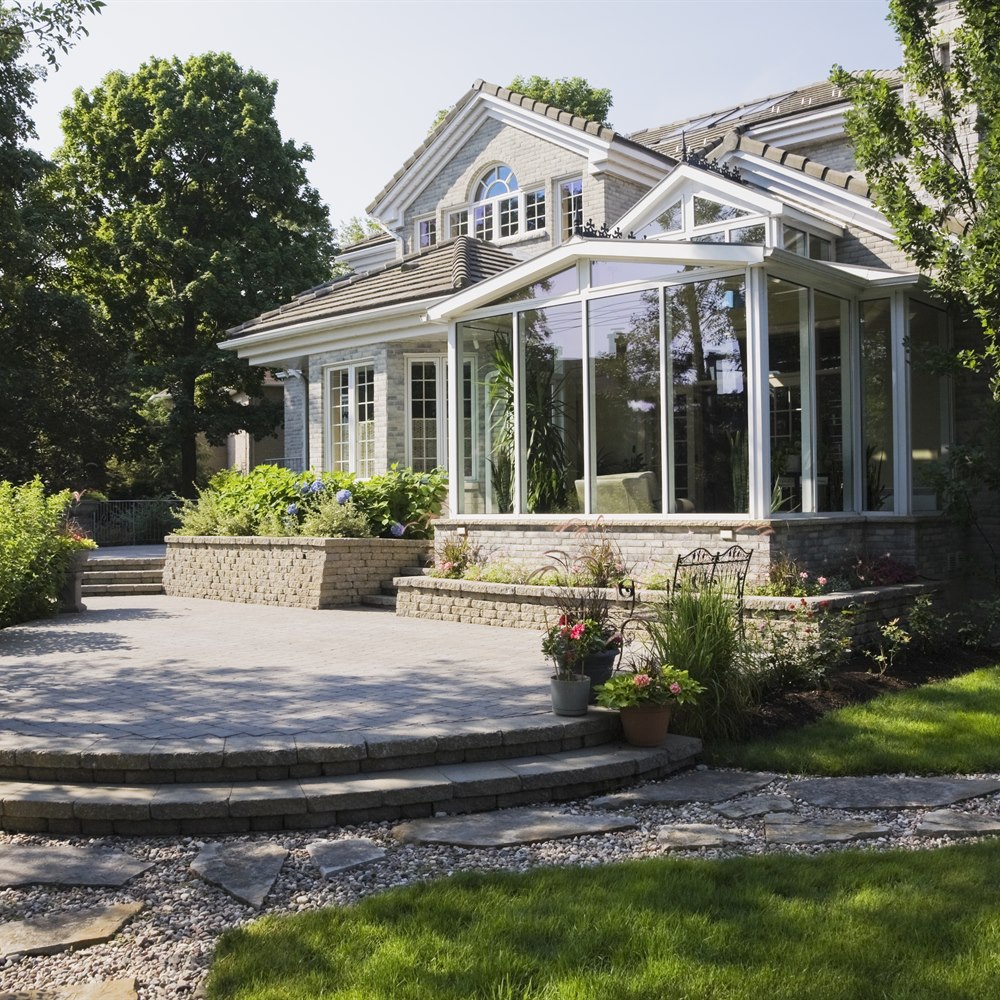
The single clearest marker of a great addition builder is how well their additions blend with the existing home. The best ones match materials (siding, roofing, windows, trim), align rooflines and architecture, and make the addition look like it was always part of the house. Ask to see their completed additions, a strong builder’s work looks seamless, not tacked-on. Integration skill is where addition quality is truly made, and a portfolio of additions that blend beautifully is the best evidence you’ll get. When reviewing their work, look specifically at the transitions, whether you can tell where the original house ends and the addition begins, since a builder whose additions are hard to spot has demonstrably mastered the material matching and roofline integration that make the difference between a seamless result and an obvious box bolted onto the side. (For more on this, see Questions to Ask a Home Addition Contractor.) The FTC advises hiring only licensed, insured contractors, getting the full scope in writing, and never paying the full amount up front.
They Know the Structural and Weatherproofing Details
Great addition builders handle the technically demanding junctions well: the foundation or structural tie-in, and the weatherproofing where the new roof and walls meet the old. These are common failure points, so a builder who explains them confidently, and gets them right, is essential. A builder who demonstrates command of the structural connection and weatherproofing is one whose additions will be sound and leak-free. This technical competence is non-negotiable for a lasting addition. The two junctions to probe are the structural tie-in, how the new foundation connects to the existing one, or how a second story’s load is carried down through reinforced structure, and the weatherproofing where the new roof and walls meet the old, because these are the failure points that separate an addition that stands sound and dry for decades from one that settles or leaks.
They Navigate Permits and Zoning
The best builders know how to handle permits, zoning, and setbacks, checking what your lot allows early, designing within the rules, and managing the permitting process. A builder fluent in the regulatory side saves you from costly redesigns and delays. One who addresses zoning and permits proactively is protecting you; one who’s casual about it risks a plan that can’t be built. Regulatory competence is a hallmark of a builder who’s done additions properly before. A builder fluent in the regulatory side will raise setbacks, lot coverage, and height limits early and design within them, or advise a variance when needed, which not only prevents a rejected plan but often shapes a smarter design from the outset, since the constraints are known before the drawings rather than discovered after them.
They Have Real Addition Experience
Because additions are specialized, look for a builder who does them regularly, not a general remodeler treating an addition like any project. Ask about their addition experience specifically, and to see completed additions with references. A portfolio of successful, well-integrated additions demonstrates the specialized competence this build requires. Demonstrated addition experience matters more here than general contracting credentials. Ask to see additions completed a few years back, not just recent ones, because the true tests of an addition, whether the roof junction stays watertight, whether the structure settles evenly, whether the match still reads as seamless, only reveal themselves over time and seasons, which a freshly finished project can’t yet demonstrate. (For more on this, see Common Home Addition Problems and How to Avoid Them.)
They Manage the Full Project Well
An addition is a months-long project spanning design, permitting, and construction, with multiple trades. The best builders manage the whole process, coordinating the trades, keeping the timeline, and communicating throughout. A builder with strong project management delivers the addition efficiently rather than letting it drag. Ask how they manage the timeline and trades, and look for the communication and organization a months-long build requires. Because an addition spans design, engineering, permitting, and a multi-trade construction phase over months, a builder who can explain how they’ll sequence those stages and keep you informed throughout is demonstrating the project-management capacity that keeps a long build from stalling between phases or drifting off schedule. Good project management keeps a complex build on track. (For more on this, see The Drawbacks of a Home Addition: An Honest Look.)
They’re Licensed, Insured, and Well-Reviewed
Confirm the essentials: valid licensing, solid insurance (critical for major structural work), proper permit handling, and consistent reviews. For additions specifically, look for reviews mentioning seamless integration, sound construction, no leaks or structural issues, and on-schedule completion, reviews describing additions that blend perfectly and have held up tell you more than generic praise.
How to Compare Your Options
Compare addition builders on integration skill, structural and weatherproofing competence, permitting savvy, addition-specific experience, and project management, not just the lowest quote. The cheapest bid from a builder weak on integration or the technical junctions isn’t the best value, a tacked-on or leaky addition is a costly disappointment. When you’re ready to connect with qualified local pros who check these boxes, use the button below.
Frequently Asked Questions
Look for one who integrates additions seamlessly with the existing home, knows the structural and weatherproofing details, navigates permits and zoning, has real addition experience, manages the full project well, and is licensed, insured, and well-reviewed.
How well their additions blend with the existing home, matching materials, aligning rooflines and architecture, so the addition looks like it was always there. Ask to see completed additions; a strong builder's work looks seamless, not tacked-on.
Command of the structural tie-in (foundation or second-story reinforcement) and weatherproofing where the new roof and walls meet the old. These are common failure points, so a builder who explains and executes them well is essential for a sound, leak-free addition.
Yes, a lot. Additions are specialized, integration, structure, systems, weatherproofing, zoning, so look for a builder who does them regularly, not a general remodeler. Ask to see completed additions with references. It matters more than general contracting credentials.
No. Compare integration skill, structural and weatherproofing competence, permitting savvy, addition experience, and project management. The cheapest bid from a builder weak on integration or the technical junctions isn't the best value, a tacked-on or leaky addition is a costly disappointment.