What Are the Downsides of a Home Addition?
A home addition adds genuine square footage and value while letting you stay in the home and location you love, and for the right situation it’s an excellent choice. That’s the honest verdict. But building on is a major undertaking with real drawbacks, and understanding them helps you commit with clear eyes. Here’s the candid look.
It’s Expensive, Sometimes More Than Expected
An addition is one of the pricier home projects, and because you’re building new structure (foundation, framing, roof) and integrating it into an existing home, the true cost, with design, permits, engineering, system tie-ins, and matching materials, can exceed the headline construction number. The cost-per-square-foot of building new space is significant. Going in, expect an addition to be a major investment, and budget for the full picture rather than just the visible room. The gap between the visible room and the true cost comes from everything that makes new space usable and integrated, the foundation or structural reinforcement beneath it, the design and engineering before it, the systems tied into it, and the materials matched around it, all of which are real line items that a mental picture of just the finished room tends to skip. (For more on this, see When a Home Addition Isn’t the Right Move.)
It’s a Months-Long Project
A significant addition takes months from design through permitting to construction, not weeks. Design and permitting alone take time before building even starts, and the construction, foundation, framing, roofing, systems, finishing, is a substantial build. For the duration, you’re living with a construction project attached to your home. The timeline is a real commitment, and being realistic that an addition is a months-long undertaking is essential to committing without frustration. A large share of that timeline happens before any construction, design has to be finalized, engineering completed where required, and permits secured, and permitting in particular can take weeks on its own, so the calendar starts running well before there’s anything visible to show for it on site. (For more on this, see Questions to Ask a Home Addition Contractor.) The FTC advises hiring only licensed, insured contractors, getting the full scope in writing, and never paying the full amount up front.
Construction Disruption to Your Home
An addition means construction against and often into your existing home, noise, dust, workers, and the disruption of connecting new space to old (opening walls, tying in systems, integrating the roof). Depending on the addition, part of your home may be disrupted or temporarily exposed. It’s less disruptive than a whole-home remodel in some ways (the new space is often separate until connection), but building on is still a significant disruption to daily life while it lasts. The disruption peaks at the connection points, opening an exterior wall to join the addition to the existing home, and tying the new roof into the old one, temporarily exposes part of the house and concentrates the noise and mess, which is often the most intrusive phase even when the new space itself is built somewhat separately.
Permitting and Zoning Hurdles
Additions face real regulatory steps: permits, plans, inspections, and, crucially, zoning and setback rules that govern whether and how you can build. Setback requirements may constrain your design, and a plan that doesn’t comply requires reworking or a variance (an added process and cost). Navigating permitting and zoning is a genuine part of an addition that can limit your plans, delay the start, and add cost, more so than an interior remodel. Because an addition changes the home’s footprint or height, it triggers exterior-facing regulations an interior remodel never touches, setbacks, lot coverage, floor-area ratios, and sometimes historic-district or neighborhood review, any of which can reshape or delay the project in ways that purely interior work simply doesn’t encounter. (For more on this, see Hidden Costs of a Home Addition to Watch For.)
Integration Challenges
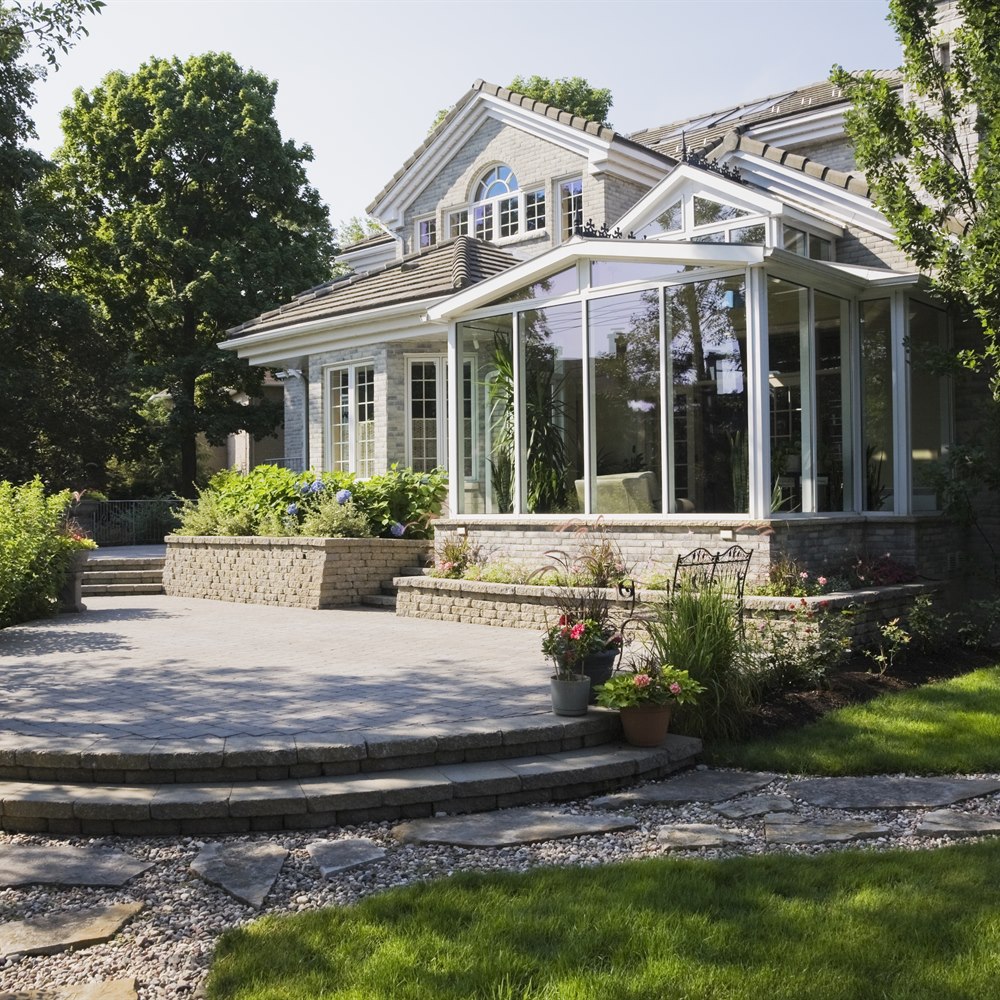
Making an addition look and function as a seamless part of the home, not a tacked-on box, is a real challenge. Matching materials, aligning rooflines, blending the architecture, and connecting systems cleanly all require skill, and a poorly integrated addition can hurt both the look and value of your home. This integration challenge is unique to additions and demands a builder who does it well. Done poorly, it undermines the whole investment; done well, it costs effort and money. The integration challenge spans several trades at once, siding and roofing to match, framing tied cleanly into the existing structure, a roofline married without awkward transitions, and interior finishes that flow from old space to new, so achieving the seamless result depends on a builder who coordinates all of them toward the single goal of making the addition read as original.
The Return Isn’t Guaranteed
An addition adds value, but rarely 100% of its cost, and over-building for your neighborhood may not pay off. A large or lavish addition on a modest street can exceed what the market will return. If you’re building primarily as an investment, the return is real but partial and depends on matching the addition to your home and market. Treating an addition as a guaranteed money-maker is a mistake; treating it as space you’ll use that also adds value is realistic.
Is It Still Worth It?
For a home you love in a location you want to keep, where you need genuine additional space, an addition is often absolutely worth it, giving you the room you need without moving. The drawbacks are about preparation: expect real cost, a months-long timeline, construction disruption, permitting and zoning hurdles, integration challenges, and a partial cost return. Weighed honestly, with the right builder and clear planning, a home addition can be a great decision. When you’re ready to find a builder who does it right, connect with local pros below.
Frequently Asked Questions
For a home you love in a location you want to keep, where you need genuine additional space, it's often absolutely worth it, giving you the room without moving. It's about committing with clear eyes to the cost, timeline, and disruption.
Because you're building new structure (foundation, framing, roof) and integrating it into an existing home, the true cost, with design, permits, engineering, system tie-ins, and matching materials, can exceed the headline construction number.
Months, not weeks. Design and permitting take time before building even starts, and the construction, foundation, framing, roofing, systems, finishing, is a substantial build. For the duration, you're living with a construction project attached to your home.
Setback rules governing how close to property lines you can build, and lot-coverage limits. A plan that doesn't comply requires reworking or a variance (added process and cost). Navigating permitting and zoning can limit plans, delay the start, and add cost.
Making an addition look and function as a seamless part of the home, not a tacked-on box, requires matching materials, aligning rooflines, blending architecture, and connecting systems cleanly. Done poorly, it hurts the look and value; done well, it takes skill and money.