What Are the Downsides of Basement Waterproofing?
A comprehensive waterproofing system runs $6,000 to $15,000, and full exterior work can reach $35,000, and exterior work means excavating around the foundation and restoring everything that was in the way. For a genuinely wet basement it’s usually well worth it, it protects your home from serious, ongoing damage. That’s the honest verdict. But here’s the candid look at the trade-offs before you commit.
It Can Be Expensive
A comprehensive waterproofing system, especially exterior work or a full interior-and-exterior solution, is a significant expense (a full interior perimeter system runs $6,000 to $15,000; exterior excavation runs $15,000 to $35,000). For a badly wet basement, the cost is justified by the damage it prevents; for a minor issue, a full system may be more than needed. The cost is real, and the key is matching the solution to the problem so you’re not overspending. Waterproofing is an investment, so right-sizing it matters. The way to keep the cost proportionate is to insist the solution match the diagnosis, since the same basement might need only a few hundred dollars of crack sealing and downspout work or a full system depending on what’s actually driving the water, so the expense becomes a problem mainly when a comprehensive system is sold for a problem that a targeted fix would have solved. (For more on this, see Interior vs. Exterior Basement Waterproofing: Which Is Better?.)
Exterior Work Is Disruptive
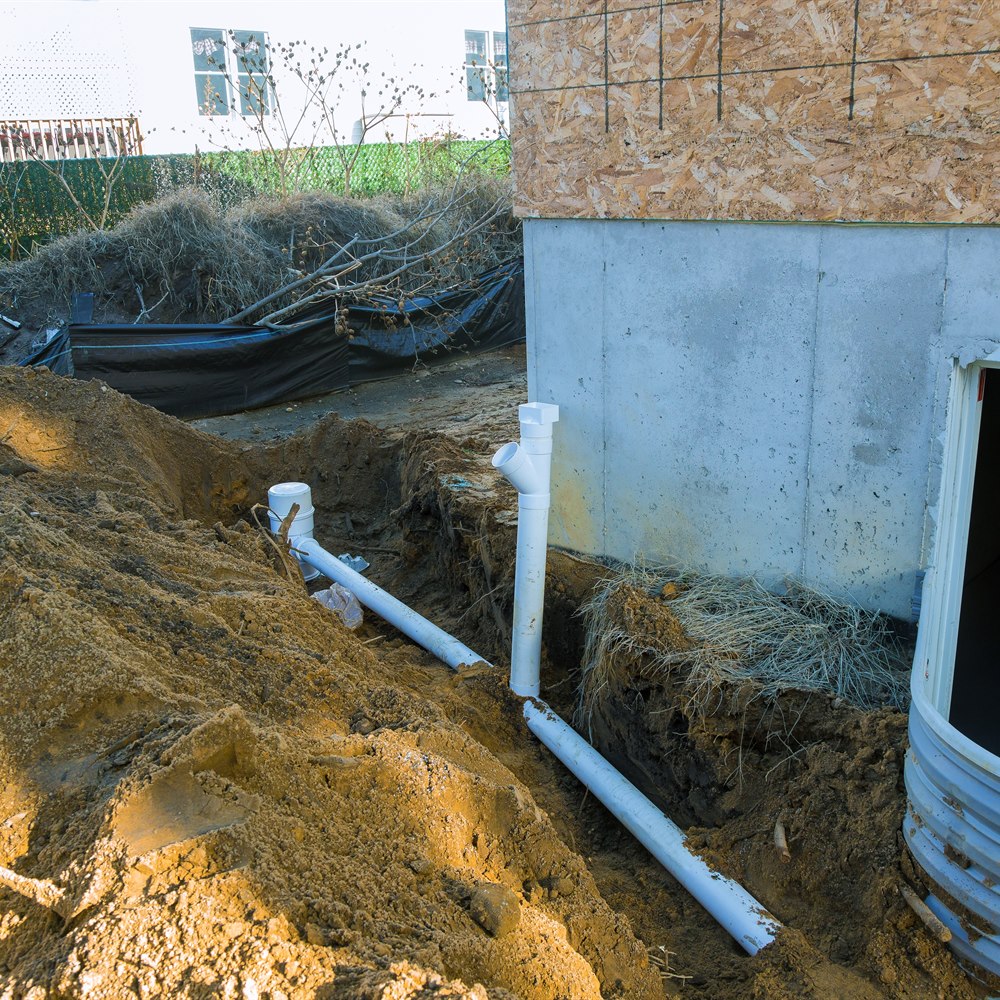
Exterior waterproofing requires excavating around the foundation, which disrupts your yard, landscaping, walkways, and anything around the foundation is dug up and must be restored. This is a major, if temporary, disruption, and the restoration adds cost and time. For exterior work, expect real disruption to the yard during the project. It’s more involved than the waterproofing alone suggests. The disruption is worth anticipating concretely, because reaching the outside of the foundation means a trench dug down to the footing all around the affected walls, so for the duration of the project the yard along the house becomes an open excavation, and features in the dig zone come out and go back afterward, which is why exterior work is planned around when you can tolerate your yard being torn up.
Interior Systems Manage Water Rather Than Stop It
Interior waterproofing (perimeter drainage to a sump pump) manages water that enters rather than stopping it at the source, which works well but means water still comes in and is collected and pumped out. It relies on the sump pump working (hence the value of a backup), and it doesn’t keep water out of the foundation itself. For some, exterior source-blocking is preferable, but it costs more. Interior systems are effective but manage rather than prevent entry. Understand which approach you’re getting. The practical implication of managing rather than blocking is that an interior system’s reliability rests on the sump pump continuing to run, so its Achilles’ heel is a pump failure or a power outage during a storm, which is precisely why a battery backup is so strongly recommended, and why some homeowners with severe problems prefer paying more for exterior work that keeps water off the foundation in the first place.
It May Not Address Every Cause
Waterproofing addresses water intrusion, but if the real issue involves structural foundation problems or a cause not fully addressed, water may find another path. A waterproofing system is only as good as its diagnosis, if the true source or a related structural issue isn’t addressed, results can disappoint. This is why an accurate diagnosis matters. Waterproofing works when it targets the actual problem correctly. This is where diagnosis and results are inseparable, because a system installed against the wrong cause can leave a basement still wet, if the true source is a structural foundation crack or a path the chosen approach doesn’t cover, water simply finds the route that wasn’t addressed, so the disappointing outcomes attributed to waterproofing are often really failures of diagnosis rather than of the work itself. (For more on this, see How Much Does Basement Waterproofing Cost?.)
Systems Need Maintenance
A waterproofing system isn’t entirely set-and-forget. Sump pumps need periodic testing and eventual replacement, interior drains can clog and need clearing, and exterior drainage needs to stay clear. This maintenance is modest, but a system requires occasional attention to keep working. Expect some upkeep, especially of the sump pump, over the years. The sump pump is the component most worth putting on a maintenance rhythm, since it’s a mechanical device that runs hardest exactly when you’re relying on it, so periodically testing that it switches on, keeping the pit free of debris, and replacing the pump at the end of its service life are modest tasks that prevent the quiet failure of finding a dead pump only after the basement has already flooded. (For more on this, see Hidden Costs of Basement Waterproofing.) The EPA identifies radon as the second leading cause of lung cancer and recommends testing any home, new or old.
Is It Still Worth It?
For a genuinely wet basement, waterproofing is often very worth it, the damage a chronic water problem causes (mold, ruined finishes, structural harm, lost space, lower value) far exceeds the cost of preventing it. The drawbacks are about going in informed: it can be expensive, exterior work is disruptive, interior systems manage rather than block water, it must target the real cause, and systems need maintenance. Weighed honestly, for a real water problem, waterproofing is a sound, protective investment. When you’re ready to explore it, connect with local pros below.
Cost figures on this page were checked against published pricing on August 25, 2026. How we source cost data.
Frequently Asked Questions
The cost, a comprehensive system, especially exterior or full interior-and-exterior work, can reach $35,000, against $6,000 to $15,000 for a full interior perimeter system. For a badly wet basement it's justified by the damage prevented; for a minor issue a full system may be more than needed. The key is matching the solution to the problem so you're not overspending.
Yes. It requires excavating around the foundation, so the yard, landscaping, and walkways are dug up and must be restored, a major, if temporary, disruption that adds cost and time. For exterior work, expect real disruption to the yard during the project. It's more involved than the waterproofing alone suggests.
They manage it rather than stop it at the source, an interior perimeter drain collects water that enters and pumps it out via a sump pump. It works well but means water still comes in, and it relies on the pump working (hence a backup's value). Exterior source-blocking prevents entry but costs more.
Some. Sump pumps need periodic testing and eventual replacement, interior drains can clog and need clearing, and exterior drainage needs to stay clear. This upkeep is modest, but a system requires occasional attention to keep working. Expect some maintenance, especially of the sump pump, over the years.
For a genuinely wet basement, usually yes, the damage a chronic water problem causes (mold, ruined finishes, structural harm, lost space, lower value) far exceeds the cost of preventing it. Weigh the expense, exterior disruption, that interior systems manage rather than block water, and maintenance, for a real problem, it's a sound investment.