How Do You Budget for Aging-in-Place Remodeling?
Aging-in-place remodeling can range from a few hundred dollars in safety basics to a $120,000 whole-home retrofit, with one fully accessible bathroom at $15,000 to $45,000 in between, so budgeting well means prioritizing what matters most, phasing the work, and exploring the assistance that may be available. Here’s how to approach it.
Prioritize Safety Basics First
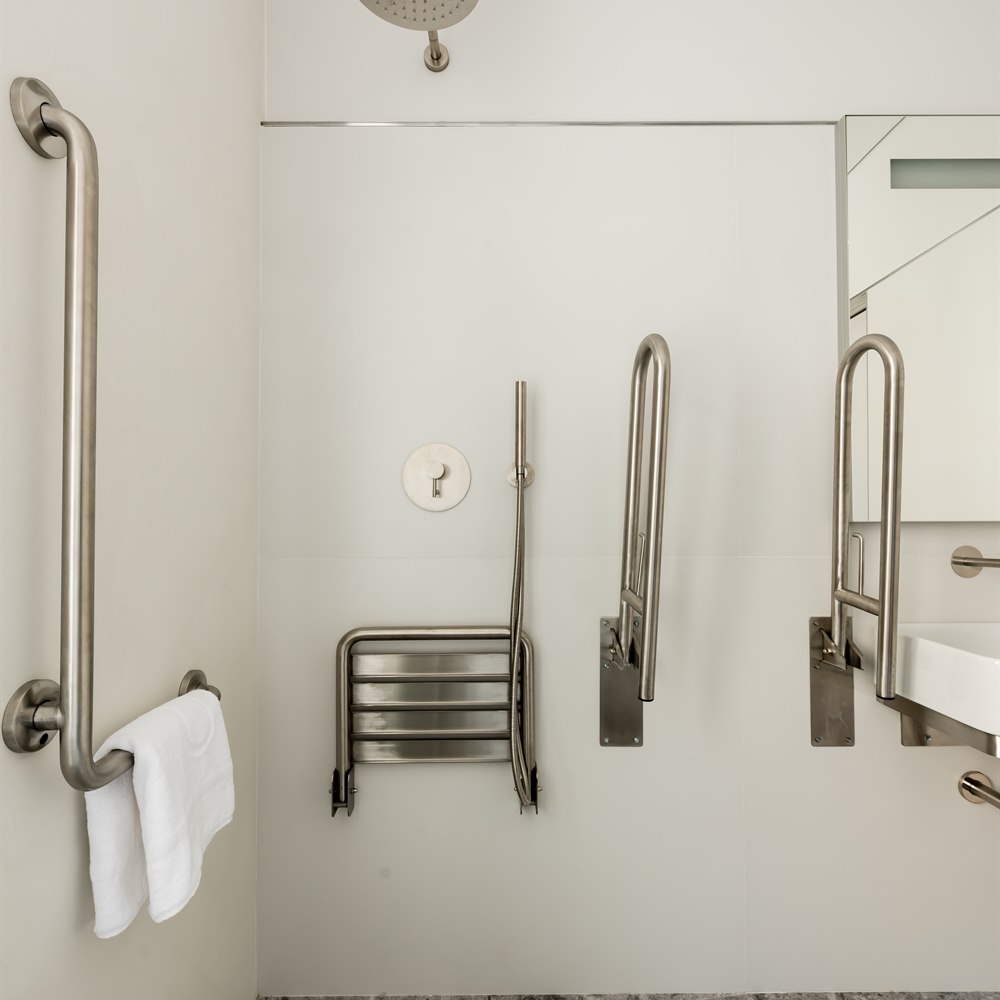
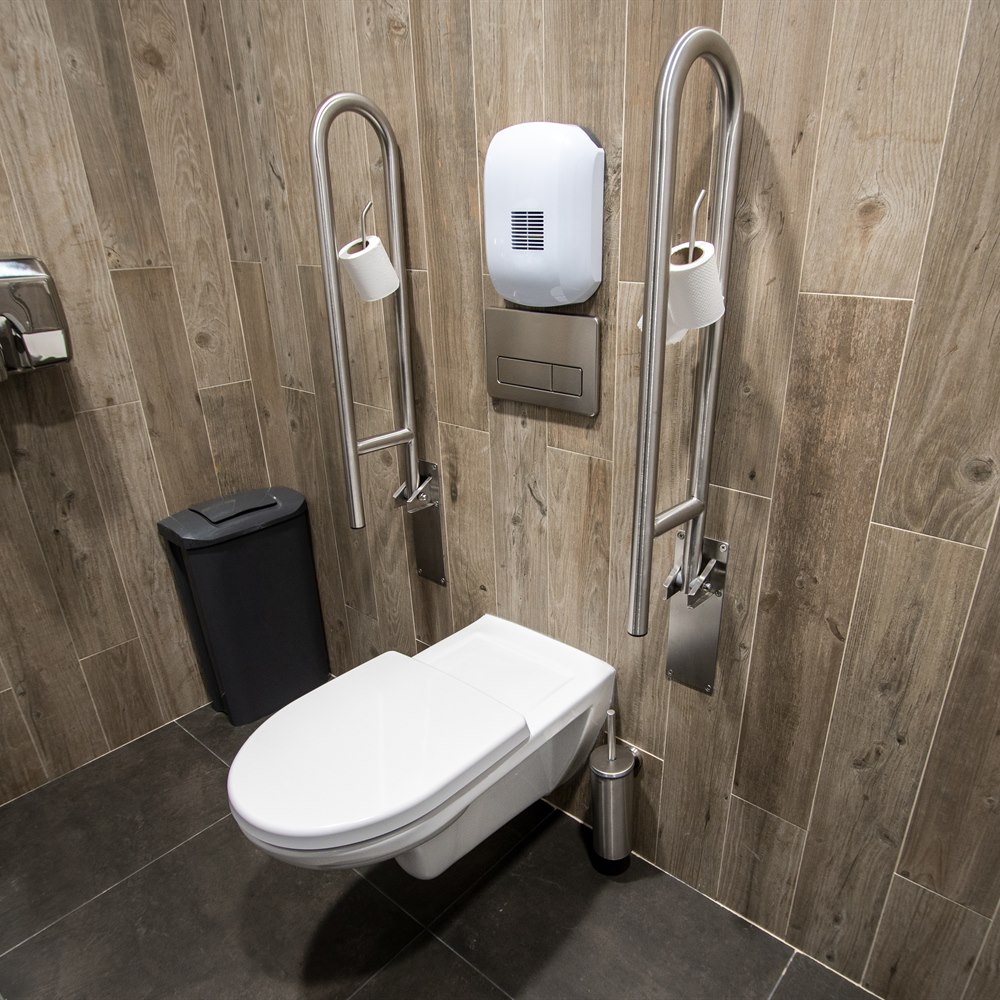
The smartest budgeting move is to start with the high-impact, low-cost safety improvements that prevent the most common problems, especially falls. Grab bars, improved lighting, non-slip flooring, lever handles, and a comfort-height toilet address the biggest risks for a small fraction of a full remodel’s cost. Doing these first means you get the greatest safety benefit immediately, whatever your total budget. Prioritizing the basics is both the safest and the most cost-effective starting point, address the biggest hazards before the bigger projects. Falls are the specific hazard these basics target, and they’re the leading cause of home injury for older adults, so grab bars anchored into studs, better lighting on stairs and pathways, and slip-resistant flooring aren’t just cheap, they’re aimed squarely at the single most consequential risk, which is what makes them the highest-return dollars in the whole budget. The CDC’s STEADI initiative treats home modification as a core part of reducing fall risk for older adults.
Phase Larger Work Over Time
If a full accessibility retrofit is beyond your budget, phasing lets you spread the cost. Do the safety basics now, tackle the accessible bathroom next when funds allow, and address whole-home changes later. Aging-in-place needs often evolve over time anyway, so phasing both spreads the cost and lets you adapt as needs change. A phased approach makes comprehensive accessibility achievable without a single large outlay, budget it as a series of prioritized projects rather than one big one. Phasing pairs naturally with a core universal-design idea, adaptability, so during any phase where a wall is already open, adding inexpensive blocking for future grab bars or roughing in for later changes costs little now and makes the next phase far cheaper, letting the home grow more accessible in stages without redoing work. (For more on this, see How to Find the Best Aging-in-Place Remodeler Near You.)
Look Into Assistance Programs
A range of programs may help pay for aging-in-place modifications, though eligibility and availability vary, so this is worth investigating for your specific situation. Depending on circumstances, potential sources can include certain Medicaid waiver programs, Veterans Affairs benefits for eligible veterans, some long-term care insurance policies, and various area agencies on aging or nonprofit programs, and some medical-related home modifications may have tax implications worth asking a tax professional about. These vary widely and none is guaranteed, but because accessibility modifications sometimes qualify for assistance that general remodeling doesn’t, it’s worth researching what you might be eligible for before assuming you’ll pay entirely out of pocket. Because these programs each have their own eligibility rules, application processes, and limits, and because they change over time, the practical step is to contact the specific program or a local area agency on aging to learn what genuinely applies to your situation, rather than counting on any particular source until you’ve confirmed it. (For more on this, see The Drawbacks of Aging-in-Place Remodeling: An Honest Look.)
Consider Financing for Larger Retrofits
For a substantial retrofit, financing may make sense. Because accessibility work is a home improvement that adds lasting value and function, financing through home equity (a home equity loan or line of credit) is common and often cost-effective, with typically lower interest than unsecured options. Many contractors also offer financing. For a larger aging-in-place project, weigh financing against paying cash and against phasing the work instead. Phasing is often the better alternative to financing for aging-in-place work specifically, since needs tend to evolve over time anyway, spreading the work across years as needs emerge can avoid both interest costs and the risk of paying now for features that a later assessment shows you’d have configured differently.
Get a Needs Assessment
Spending wisely on aging-in-place work starts with knowing what you actually need. An occupational therapist or a contractor experienced in accessibility (such as a Certified Aging-in-Place Specialist) can assess the home and the person’s needs, identifying what will genuinely improve safety and usability. This prevents spending on features that aren’t needed while missing ones that are. A proper needs assessment ensures your budget goes to what actually matters, which is especially valuable when funds are limited. This is where a Certified Aging-in-Place Specialist or an occupational therapist earns their keep, by evaluating the person’s actual mobility and daily routines against the home, they can steer a limited budget toward the changes that genuinely prevent injury and away from generic upgrades that look accessible but don’t address that individual’s real risks. (For more on this, see The Best Aging-in-Place Upgrades for Your Budget.)
The Smart Approach
Prioritize safety basics first for the most benefit per dollar, phase larger work over time as needs and funds allow, research assistance programs you might qualify for, consider financing for a big retrofit, and get a needs assessment so your money goes where it counts. That approach makes aging-in-place work manageable at any budget. When you’re ready for a quote to plan around, connect with local pros below.
Cost figures on this page were checked against published pricing on August 27, 2026. How we source cost data.
Frequently Asked Questions
Prioritize safety basics first, grab bars, lighting, non-slip flooring, lever handles, comfort-height toilet, for the most safety per dollar. Then phase larger work over time, research assistance programs, and get a needs assessment so your money goes where it counts.
Possibly, though it varies and none is guaranteed. Depending on your situation, potential sources can include certain Medicaid waivers, VA benefits for eligible veterans, some long-term care insurance, and area agencies on aging or nonprofits. It's worth researching your eligibility.
Some medical-related home modifications may have tax implications, but it depends on your circumstances, so it's worth asking a tax professional. Don't assume, verify what applies to your specific situation before counting on any deduction.
Often, yes. Do safety basics now, the accessible bathroom next, whole-home changes later. Needs evolve over time anyway, so phasing spreads the cost and lets you adapt. It makes comprehensive accessibility achievable without a single large outlay.
For a substantial one, it's worth considering. Home equity (a loan or HELOC) is often cost-effective for a value-adding improvement, with lower interest than unsecured options. Weigh financing against paying cash and against phasing the work instead.