
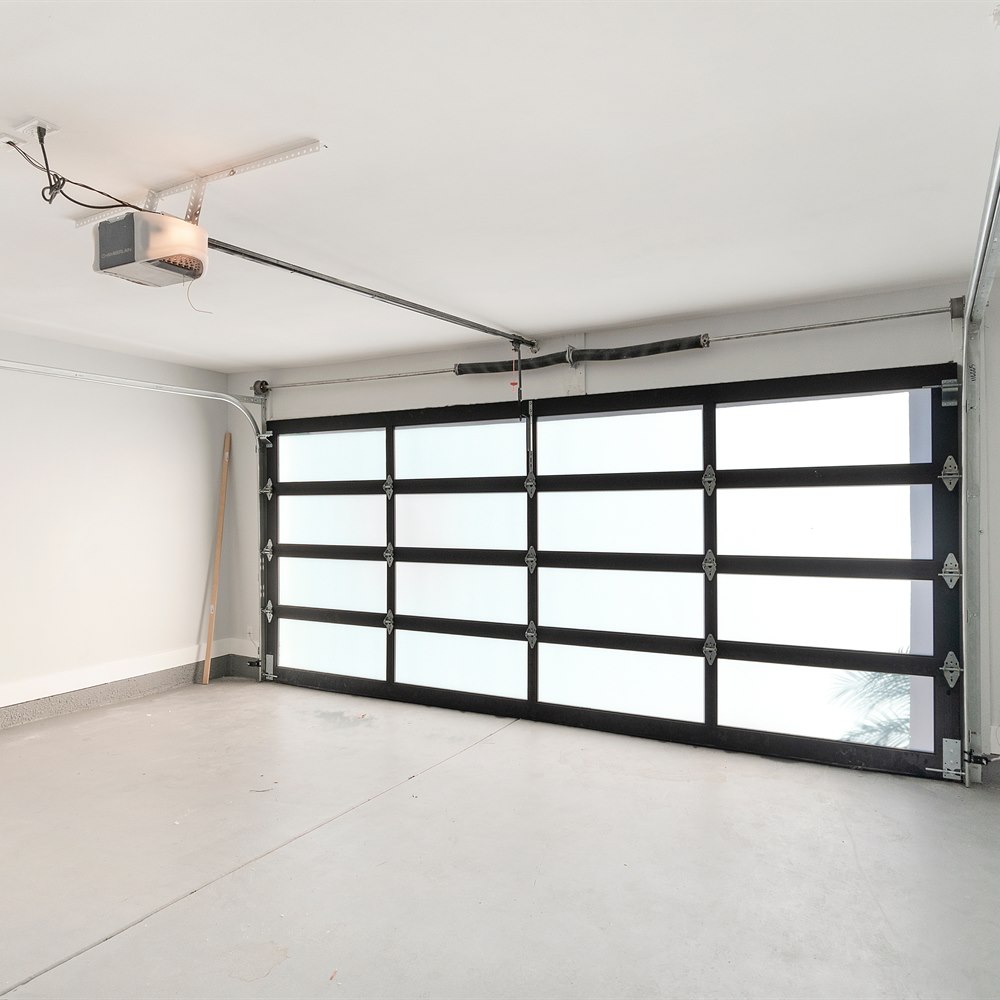
Should You Repair or Replace Your Garage Door Opener?
Repair an opener less than five or six years old, and replace one that is 10 to 15 years old and hitting its first significant failure or where the repair would cost more than 50 percent of a new installed unit. The repair-versus-replace decision for a garage door opener depends on the type of problem, the opener’s age, and how repair cost compares to replacement. Here is a practical framework.
When Repair Is Clearly Right
Repair is the clear choice for: a remote that needs re-pairing or a new battery, photo-eye sensor realignment or sensor replacement, a trolley that has been accidentally disconnected and needs re-engagement, and any single component failure on an opener less than five or six years old. These are component repairs on a system with most of its service life ahead.
When Replacement Makes More Sense
Replacement is the better answer when: the opener is 10 to 15 years old and experiencing its first significant failure; the repair cost would exceed 50 percent of a new opener’s installed cost; the existing opener lacks currently valued features (smart connectivity, battery backup, current auto-reverse sensitivity standards); or the opener is producing significant ongoing operational problems despite repeated adjustments. (For more on this, see Common Garage Door Opener Problems and What They Mean.)
The Safety Upgrade Case
Very old openers (pre-1993) may not meet current UL 325 safety standards for auto-reverse force sensitivity. If an older opener does not meet current safety standards, replacing it is both an economic and a safety decision.
The Smart Upgrade Opportunity
When an older opener needs replacement, the incremental cost of choosing a smart opener over a standard replacement is $100 to $250. If smart features align with your use case, a required replacement is the natural time to upgrade rather than deferring it to a separate future purchase. (For more on this, see Garage Door Opener Upgrade: When It Makes Sense.)
Making the Decision
Repair component failures on younger openers. Replace openers that are 10 to 15 years old with significant failures, that pre-date current safety standards, or where replacement cost is close to repair cost on an aging unit. Connect with a local pro below when you are ready for an assessment.
Verifying Credentials Before Committing
Before approving any contractor for a significant project, verify their current license status with the applicable state licensing board (most have online lookup tools), request a current certificate of general liability insurance with your name as an additional insured for the duration of the project, and confirm workers’ compensation coverage for any employees. These verifications take 15 minutes and protect you from the financial liability of an uninsured worker injured on your property and from the accountability issues of working with an unlicensed contractor. Legitimate contractors provide these documents without hesitation; one who resists or deflects the request should not be trusted with a significant project.
The Test Request: How They Handle Questions Reveals How They Handle Problems
A reliable indicator of how a contractor will handle problems during a project is how they handle detailed questions before the project. A contractor who answers questions specifically, who follows up when they say they will, who provides written proposals without needing repeated requests, and who treats your due diligence as reasonable rather than burdensome is demonstrating the same professionalism they will bring to problem-solving mid-project. One who is evasive about qualifications, who provides vague answers, or who pressures for a quick decision without allowing proper evaluation time is revealing the same traits they will demonstrate if a dispute arises during the project.
Making a Confident Decision
The homeowners who get the best outcomes from this type of project are those who define what they want specifically before engaging contractors, who gather multiple site-visit quotes on equivalent defined scope, who verify contractor credentials and references before committing, and who plan the complete project cost including all components rather than the primary line item alone. The decision becomes clearer when you know your priority order: is upfront cost the dominant factor, or is long-term low maintenance, or is quality of outcome, or is turnaround time? Different priorities lead to different right answers on material, contractor, and timing. Clarifying priorities before you are in a contractor conversation produces better decisions than discovering your priorities mid-negotiation.
When you are ready to get site-specific quotes from local professionals in your area, the form below connects you with vetted contractors who can assess your specific situation and provide pricing that reflects your actual project scope and local market rates. A site visit and written quote from a qualified local contractor is the most reliable foundation for any significant home improvement investment.
The Value of Starting With a Professional Assessment
One of the most common ways homeowners lose money on home improvement projects is by making material and contractor decisions before fully understanding the project scope, site conditions, and realistic cost range. A professional site assessment, even one that results in choosing not to proceed immediately, provides the foundation for a better decision. You learn what the project actually involves for your specific site, what the realistic cost range is in your local market, what the contractor’s approach to quality-critical steps is, and whether the contractor is someone whose judgment and accountability you trust. That information is worth the time required to get it, even if the project timeline means proceeding months later.
Ranges here are national ballpark figures, not quotes. Actual pricing varies by region, home condition, materials, and contractor. How we source cost data.
Frequently Asked Questions
Repair for component failures (sensors, remote, trolley) on openers less than 5 to 6 years old. Replace when the opener is 10 to 15 years old with a significant failure, repair cost exceeds 50 percent of replacement cost, safety standards are not met, or smart features are desired and the replacement opportunity is natural.
Most openers have a service life of 10 to 15 years. An opener at 10 to 15 years experiencing its first significant failure is near end of life. Repairing it is likely to result in another failure within a few years. Replacement with a new warranted opener with improved features is often the better investment.
Often not for significant repairs. An opener at 15 years is likely at or near end of service life. A repair costing $150 to $250 on a unit that will need replacement within 1 to 3 years is not a good investment. Compare the repair cost to a new opener installation with a full warranty and improved features.
Increasing noise despite lubrication, intermittent operation, motor straining audibly against the door load, slower response to remotes and wall button, and age over 10 years combined with any of these symptoms indicate a system approaching end of life.
If app control, remote monitoring, or battery backup are genuinely relevant to your household's use: yes. The incremental cost of a smart opener over a standard replacement is $100 to $250. A required replacement is the natural time to upgrade rather than making a separate future purchase when the standard replacement eventually fails.