
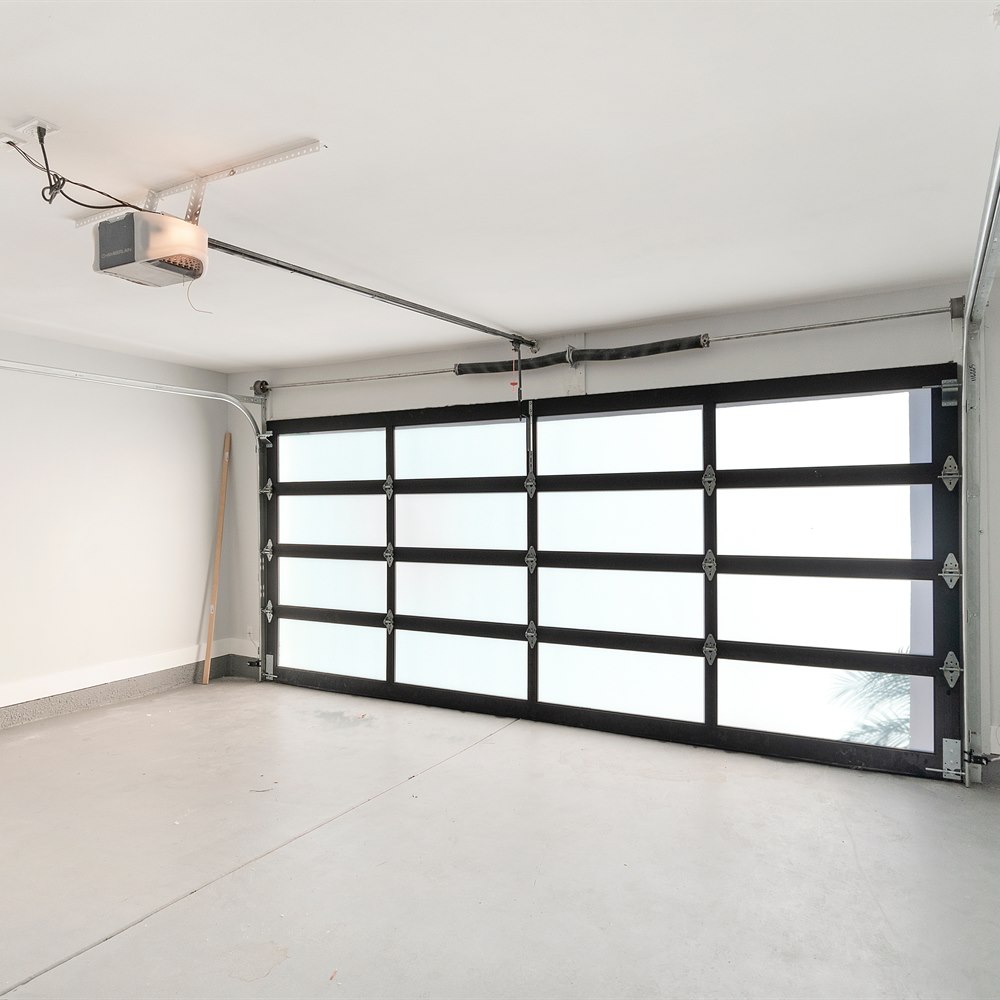
What Do Common Garage Door Opener Problems Mean?
Garage door opener problems range from simple fixes the homeowner can handle to motor or circuit board failures requiring professional service. Understanding what symptoms indicate helps you troubleshoot before scheduling a service call and describe the problem accurately when you do. Here are the most common opener problems and what they mean.
Remote Not Working
If the remote does not work but the wall button does: check the remote battery first (the most common cause). If battery replacement does not resolve it, try reprogramming the remote to the opener (the owner’s manual describes the process, or the opener’s learn button sequence). If the remote works intermittently, radio frequency interference from a nearby source (a new LED bulb in the garage, a neighboring device) may be the cause; LED bulbs are a common source of RF interference with older opener systems. (For more on this, see Common Garage Door Opener Problems and How to Fix Them.)
Door Reverses Before Closing or Doesn’t Close Fully
If the door starts to close but reverses before reaching the floor, the safety sensors are the most likely cause: they may be misaligned, dirty, or obstructed. The sensors’ indicator lights should be steady (not blinking). Cleaning the sensor lenses and checking alignment resolves this in most cases. A door that stops but does not reverse at a consistent point has a travel limit or force adjustment issue that a technician can correct.
Opener Runs But Door Doesn’t Move
If the opener motor runs (you hear it) but the door does not move, check first whether the emergency disconnect has been pulled (the red cord hanging from the trolley) and not reconnected. Pull the cord back toward the motor and attempt to close the door manually; the trolley should re-engage automatically on the next opener operation. If the trolley was not disconnected, a stripped drive gear (in chain or screw-drive systems) or a broken drive mechanism is the likely cause, requiring service. (For more on this, see Garage Door Opener Troubleshooting: Common Problems and Fixes.)
Opener Is Louder Than Normal
Increased noise from the opener typically indicates worn rollers (noisy rollers that have lost their bearings), chain or belt that needs lubrication or adjustment, or hardware that has loosened. Annual lubrication of the chain (for chain drives) and hardware tightening resolves most noise increases. A grinding or metallic sound from the motor mechanism itself suggests internal wear requiring service.
Opener Will Not Operate at All
Check power first: is the outlet powered (test with another device)? Has the circuit breaker tripped? Has the opener’s internal thermal protection tripped from overuse (unplug for 30 minutes and try again)? If power is confirmed and the opener still does not respond to either remote or wall button, the issue is likely an internal circuit board failure requiring professional service or replacement.
When to Act on What You Observe
The most actionable principle from understanding common problems is the distinction between symptoms that indicate an urgent condition and those that indicate a schedulable service need. Any symptom involving safety risk, including electrical issues, structural instability, or conditions where normal use of the system poses a hazard, warrants immediate action: stopping use and scheduling urgent service. Symptoms that indicate declining performance without safety implication generally allow for scheduling a service visit within a reasonable timeframe without emergency urgency.
Acting on symptoms when they first appear, rather than monitoring to see if they resolve spontaneously (which they almost never do for mechanical or structural systems), consistently produces smaller service or repair bills than waiting until the system has failed more completely. The minor symptom that costs $150 to address in the first month often costs $400 to $800 to address six months later after the underlying issue has progressed.
When to Call a Technician
Call a technician when: basic troubleshooting does not resolve the problem, the motor runs but the door is not moving due to a mechanical failure, or any safety function is not working correctly. When you are ready to schedule service, connect with a local pro below. (For more on this, see Garage Door Opener Installation: DIY or Hire a Pro?.)
Any project in this category benefits from thorough preparation before the contractor arrives: a clear definition of the scope, an understanding of the site-specific variables that affect cost, and a set of specific questions about approach, warranty, and timeline. Contractors who answer these questions readily and specifically are demonstrating the same transparency they bring to the project. Those who are evasive or vague about any of them are signaling an approach that may produce the same vagueness in the project execution.
The best outcomes in any home improvement project come from homeowners who approach the hiring decision as a partnership evaluation rather than a pure price comparison. Technical competence, local accountability, clear communication, and a backed warranty are the qualities that determine whether a project provides long-term satisfaction, and all of these are assessable before the project begins by asking the right questions and evaluating the quality of the answers.
Ranges here are national ballpark figures, not quotes. Actual pricing varies by region, home condition, materials, and contractor. How we source cost data.
Frequently Asked Questions
Most commonly a dead battery (replace first). If battery replacement doesn't help, reprogram the remote to the opener using the learn button (refer to the owner's manual). LED bulbs in the garage can cause RF interference with older openers; try replacing any recently installed LED bulbs as a troubleshooting step.
Most commonly a safety sensor issue: the sensors may be misaligned, dirty, or obstructed. The indicator lights on the sensors should be steady, not blinking. Clean the sensor lenses and check alignment. The door reverses as a safety measure when the sensor beam is interrupted or when the sensors cannot confirm a clear path.
First check whether the emergency disconnect cord has been pulled and not reconnected. The cord should be pulled toward the motor and the door closed manually; the trolley re-engages automatically on the next opener operation. If the disconnect is not the cause, a stripped drive gear or broken drive mechanism is likely, requiring professional service.
Usually worn rollers (their bearings have failed), chain or belt needing lubrication or adjustment, or hardware that has loosened. Lubricate the chain or belt (chain drives specifically) and tighten hardware. Worn rollers should be replaced; they are inexpensive and significantly affect both noise and smooth operation.
Repair for: remote programming issues, sensor alignment, travel limit adjustment, or worn rollers and hardware. Replace for: circuit board failure, motor failure on an opener more than 10 to 15 years old, or an opener that lacks safety features required by current code. Replacement is also the right choice when the repair cost approaches the replacement cost.