
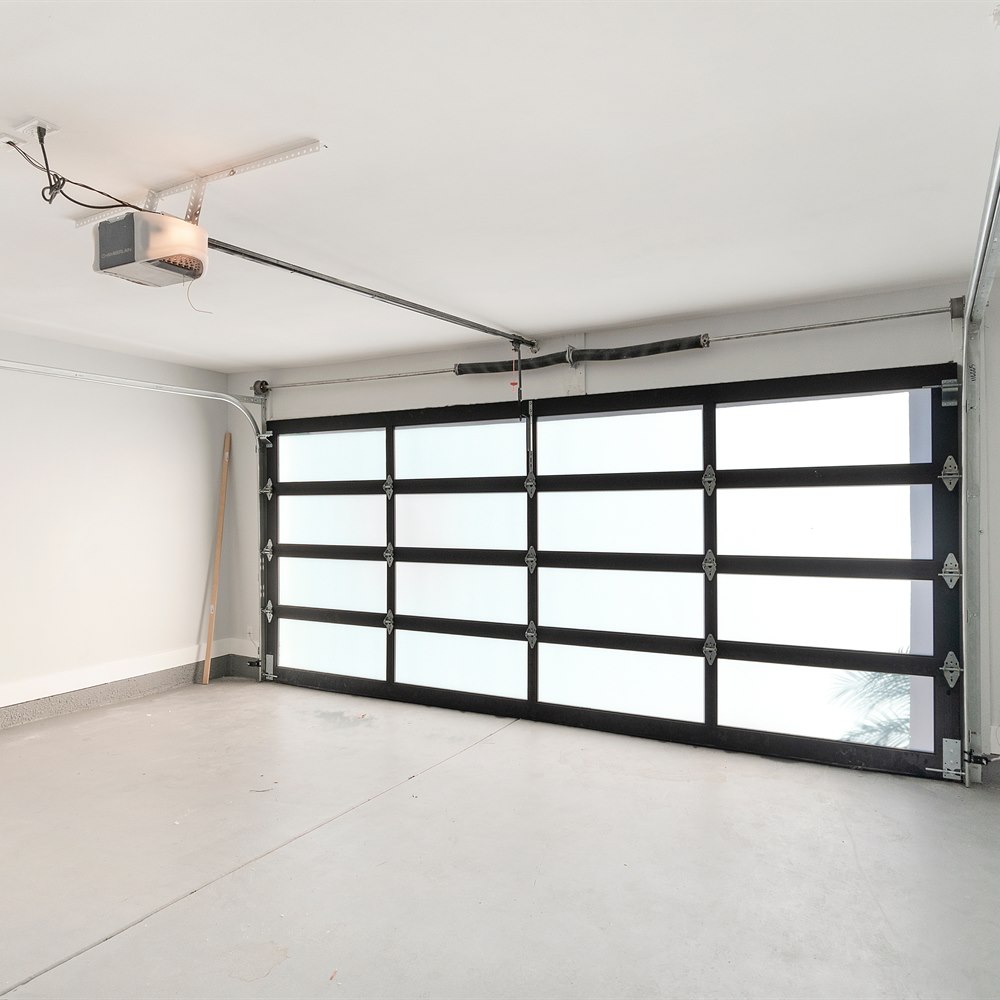
What Can a Smart Garage Door Opener Actually Do?
Smart garage door openers have been available for over a decade, and the feature set has matured significantly. Here is an honest assessment of what these devices offer and whether the features are worth the premium.
Remote Monitoring: The Most Valuable Feature
The ability to check whether the garage door is open or closed from anywhere with a cell signal is the feature most smart opener owners actually use consistently. Practical benefit: receive a push notification when the door has been open for more than a set time period (configurable in the app). Close the door remotely if a family member left it open before leaving for work. Verify the garage is closed before going to sleep without walking to the garage. The notification and remote close functions are used daily by households with multiple people and varying schedules. The Chamberlain MyQ system has the largest installed base of any smart opener platform and integrates with Google Nest, Amazon Key, and Apple Home.
Access Control: Useful but Niche
Temporary access codes (allowing a specific person access for a defined time window): useful for letting in a house cleaner, a contractor, or a delivery service when you are away. Amazon Key integration (allowing Amazon delivery drivers to place packages inside the garage): available on LiftMaster and Chamberlain openers with myQ. Guest access (sending a mobile access code to a family member or guest): useful for households where access codes need to change regularly. These features are used less frequently than remote monitoring but are valuable when needed. (For more on this, see Battery Backup Garage Door Openers: Are They Worth It?.)
Camera Integration
Some smart openers (LiftMaster WLED, myQ-connected devices) include a built-in camera that records activity in the garage and streams to the app. The camera is useful for: verifying what is happening in the garage when the alert fires, checking whether a package was delivered, and general security monitoring. Limitation: the garage camera covers only the garage interior — it does not provide exterior coverage. Most homeowners who install a smart opener camera use it occasionally but rely more on the door status notification than the camera feed for daily use. (For more on this, see Garage Door Opener Buying Guide: What to Know Before You Buy.)
Working With a Contractor on This Project
Getting the right outcome on any home services project starts before the work begins. A few consistent practices make the difference between a smooth project and a frustrating one.
Get at least two or three quotes. A single quote gives you no basis for comparison. Two or three quotes reveal the market rate for the work, expose scope differences between bidders, and let you assess contractor communication quality before any commitment is made. The lowest bid is not automatically the best value if the scope is thin or the materials are underspecified.
Ask for licenses and insurance before work starts. Verify current general liability insurance and, for any work involving workers on your property, workers compensation coverage. Licensing requirements vary by state and trade; confirm the specific requirements in your jurisdiction. A licensed contractor who carries appropriate insurance protects both parties if something goes wrong during the project.
Get the scope in writing. A written proposal that specifies materials, labor scope, timeline, what is included (permits, cleanup, disposal), and warranty terms is the foundation of a professional engagement. Verbal agreements on any of these points invite misunderstanding. For any project over $500, written scope is non-negotiable.
Clarify the payment schedule upfront. A reasonable payment schedule ties major payments to project milestones: a deposit at signing, a payment at material delivery or project start, and a final payment at completion after a walkthrough confirms satisfaction. A contractor who requires full payment upfront before work begins is a red flag in any trade.
Making a Confident Decision
The information in this article is designed to help you ask better questions of the professionals you work with, evaluate their answers with more confidence, and understand the decisions involved in this type of home services project. It is not a substitute for professional assessment of your specific home. (For more on this, see Questions to Ask a Garage Door Opener Installer.)
Every home is different. Roof slopes, local weather, tree exposure, soil conditions, and existing system condition all affect what the right solution is for your specific situation. The general principles here apply broadly, but a professional who assesses your home in person will give you guidance that accounts for the details that general articles cannot.
When you are ready to move forward, getting at least two or three quotes from licensed, insured, local contractors is the most important practical step. It lets you compare approaches, assess contractor quality, and confirm that the solution proposed matches your specific situation and budget.
Ranges here are national ballpark figures, not quotes. Actual pricing varies by region, home condition, materials, and contractor. How we source cost data.