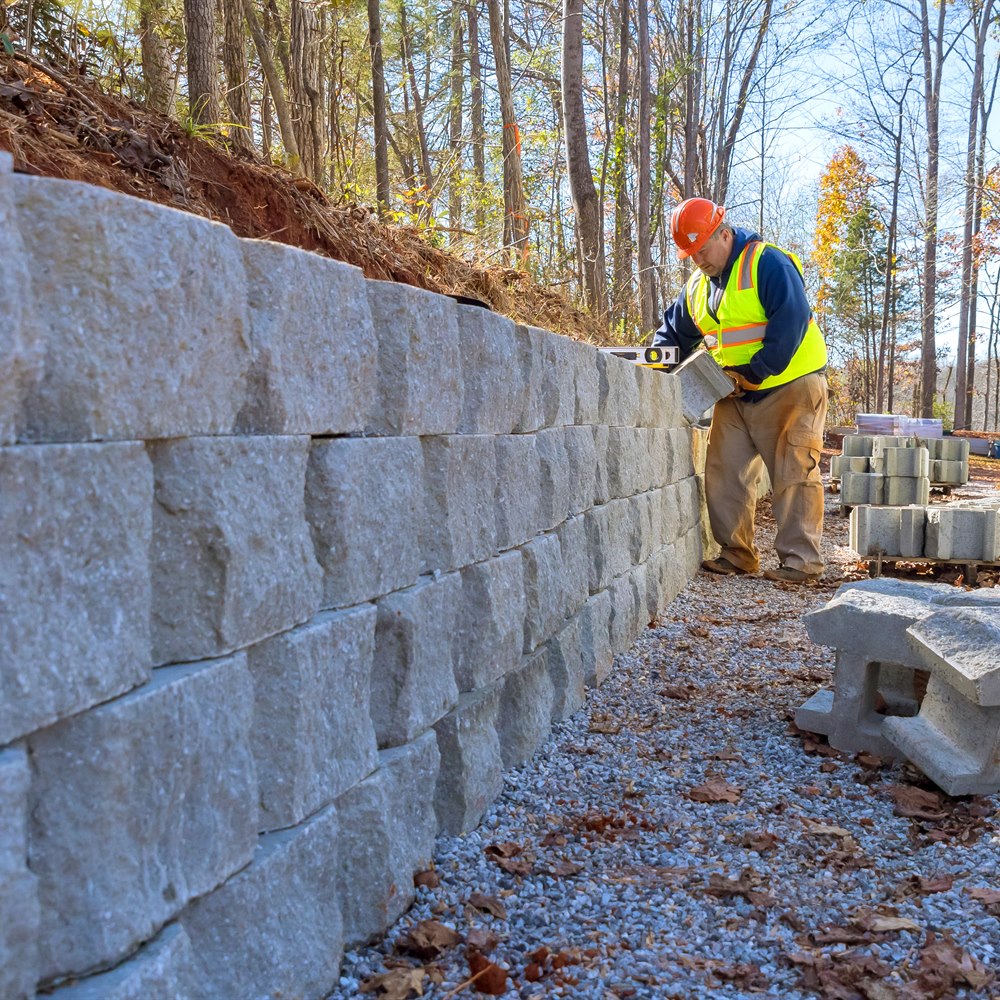
How Do You Budget for a Retaining Wall?
A retaining wall, from $40 to $345 per linear foot, is both a functional necessity (holding back soil) and an investment, and budgeting well means choosing the right material, accounting for the essential fundamentals, and getting a wall that lasts. Here’s how to approach it.
Start With the Material and the Wall’s Requirements
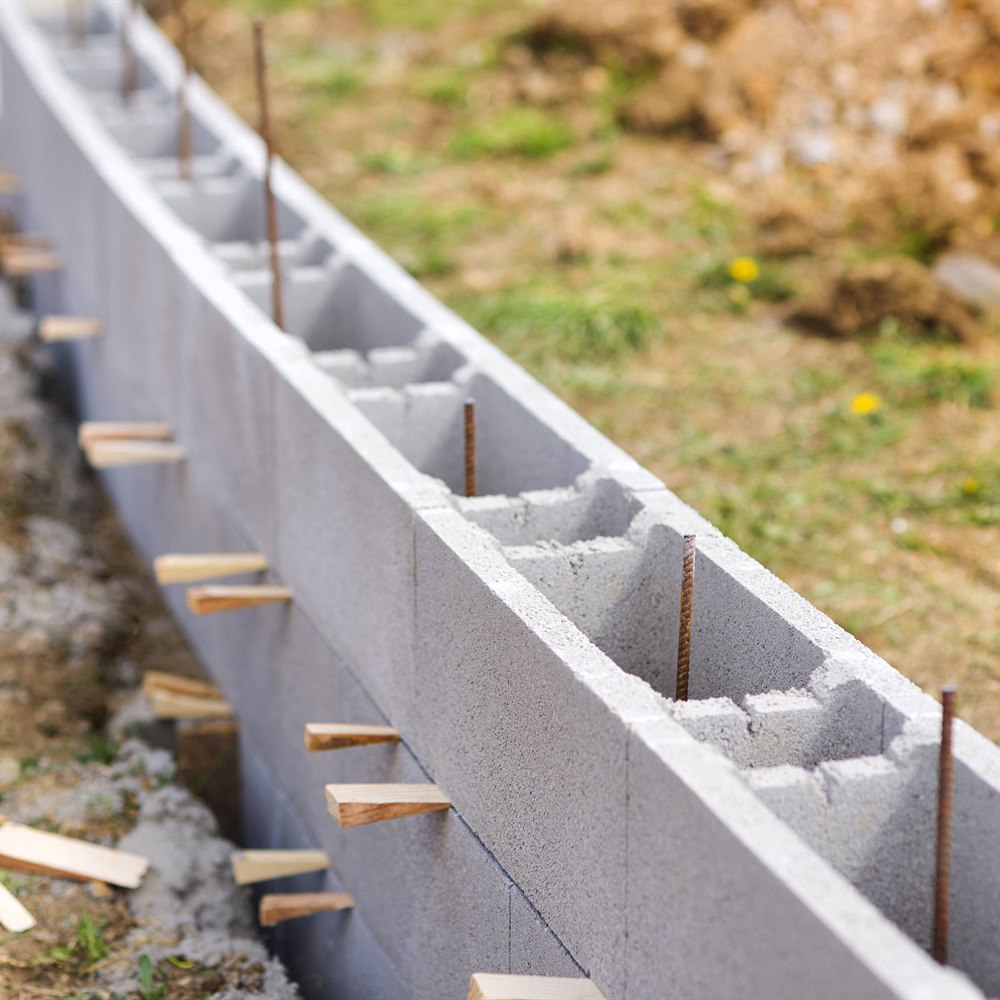
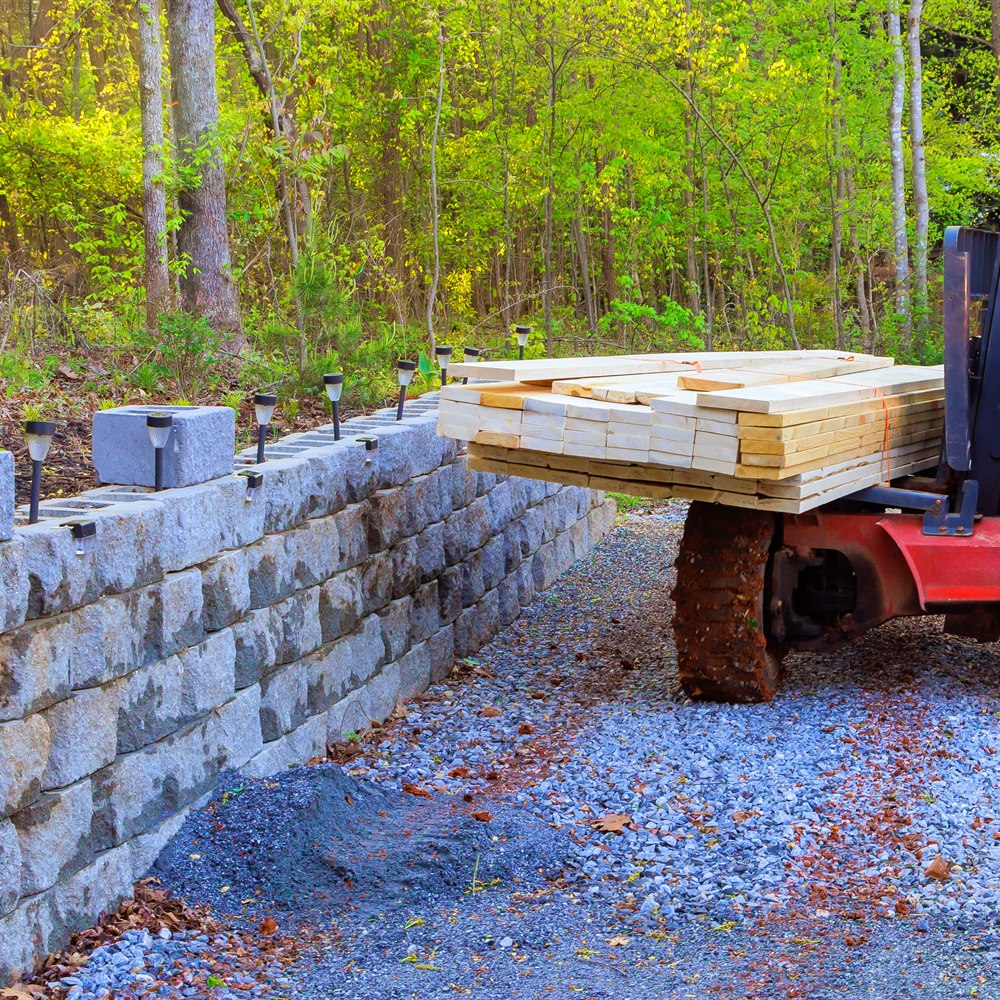
Start with the material, but recognize that the wall’s structural requirements may constrain the choice. For a low garden wall, you can choose freely among block, stone, or other materials based on budget and looks, block for economy, stone for premium appearance. But for a taller wall or one holding significant loads, an engineered approach may be necessary regardless of preference. So begin by understanding what the wall must do structurally, then choose the material within that. Aligning the material with both your budget and the wall’s actual structural requirements is the foundational budgeting step, since function may dictate the approach for a significant wall.
Budget for Drainage as Essential
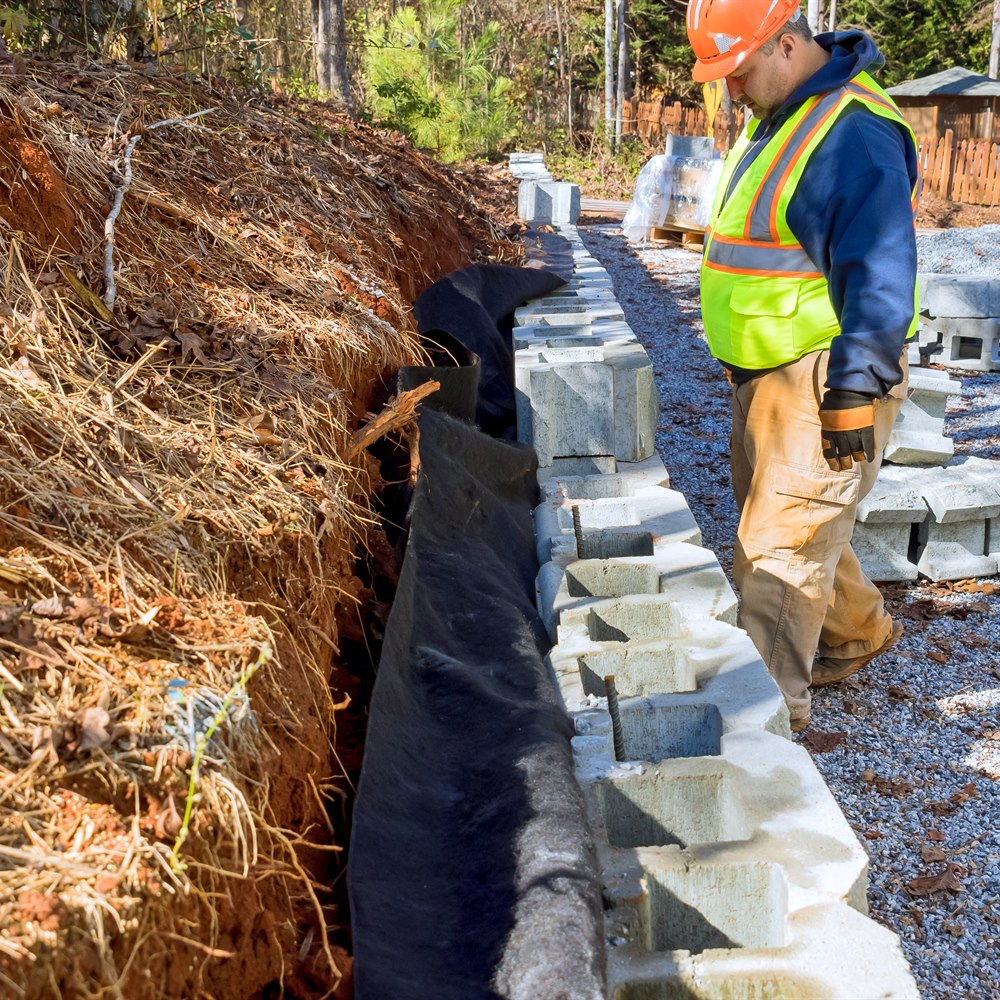
Budget for proper drainage as a non-negotiable part of the project, not an area to cut. Drainage behind the wall prevents the water pressure that’s the leading cause of retaining wall failure, and skimping on it to save money leads to a wall that bulges, cracks, or collapses, a far costlier problem than the drainage would have been. Get a quote that includes proper drainage, and treat it as essential. Budgeting for drainage upfront, and never cutting it to reduce cost, is critical to a wall that lasts, since a retaining wall without proper drainage is destined to fail. (For more on this, see Common Retaining Wall Mistakes and How to Avoid Them.)
Account for Engineering and Permits Where Needed
For taller or load-bearing walls, budget for engineering and permits, which are important costs, not optional extras. Many areas require an engineered design and permit for walls above a certain height, and this engineering ensures the wall is safe and won’t fail. Skipping required engineering to save money risks a wall that fails, plus fines or forced removal. Getting a quote that includes any required engineering and permits gives a realistic budget for a significant wall. These costs, while adding to the total, are part of building a safe, code-compliant, lasting retaining wall. (For more on this, see Hidden Costs of Building a Retaining Wall.)
Get Detailed, Itemized Quotes
Get quotes that itemize the costs, the wall material, base, drainage, excavation and site prep, engineering, and backfill, so you understand what you’re paying for and can compare fairly. An itemized quote lets you see where the money goes and, crucially, verify that essentials like drainage and a proper base are included, not omitted to lower the price. Comparing detailed quotes from a few contractors, on the same scope, helps you find good value and spot a suspiciously low quote that may be skimping on the fundamentals. Detailed quotes are the foundation of a sound budget and a safe wall.
Prioritize Quality and Longevity Over Lowest Price
With a retaining wall, prioritize a properly built, lasting wall over the lowest upfront price, because a failed retaining wall is expensive and disruptive to fix. A wall built with proper drainage, a good base, and (where needed) engineering lasts for decades, while a cut-rate wall that skips these fails, requiring costly rebuilding and risking damage. Investing in a properly built wall, rather than the cheapest one, is sound financial sense for a structure that must safely hold back soil for the long term. The lowest bid that skimps on fundamentals is a false economy, so weigh quality and longevity heavily in the budget.
Consider the Wall’s Function and Value
Remember that a retaining wall often serves a genuine functional purpose, preventing erosion, creating usable level space, protecting your property, so it’s frequently a necessary investment, not just a discretionary one. A wall that stabilizes a slope, prevents erosion, or protects a structure delivers real value beyond appearance. Budgeting for a wall that properly serves its function, rather than an inadequate one that fails to do the job, ensures you get the protection and usable space you need. Framing the retaining wall as a functional investment in your property, where appropriate, helps justify budgeting for a quality, properly built wall. (For more on this, see How to Choose the Best Retaining Wall for Your Property.)
The Smart Approach
Start with the material and the wall’s structural requirements, budget for drainage as essential, account for engineering and permits where needed, get detailed itemized quotes, prioritize quality and longevity over lowest price, and consider the wall’s function and value. That approach gets you a lasting retaining wall within a realistic budget. When you’re ready for a quote to plan around, connect with local pros below.
Ranges here are national ballpark figures, not quotes. Actual pricing varies by region, home condition, materials, and contractor. How we source cost data.
Frequently Asked Questions
Start with the material and the wall's structural requirements (a tall or load-bearing wall may require an engineered approach), budget for drainage as essential (never cut it), account for engineering and permits where needed, get detailed itemized quotes, prioritize quality and longevity over the lowest price, and consider the wall's functional value. Drainage and proper construction are non-negotiable for a wall that lasts.
For a low garden wall, choose freely among block (economy, $40-$100/ft), stone (premium, $100-$250), or others based on budget and looks. But for a taller or load-bearing wall, an engineered approach may be necessary regardless of preference. Begin by understanding what the wall must do structurally, then choose the material within that, aligning it with both your budget and the wall's actual requirements.
Yes, as a non-negotiable essential, not an area to cut. Drainage behind the wall prevents the water pressure that's the leading cause of retaining wall failure, and skimping on it leads to a wall that bulges, cracks, or collapses, a far costlier problem. Get a quote that includes proper drainage and treat it as essential. Never cutting drainage to reduce cost is critical to a wall that lasts.
Rarely, because a failed retaining wall is expensive and disruptive to fix. A wall built with proper drainage, a good base, and (where needed) engineering lasts for decades, while a cut-rate wall that skips these fails, requiring costly rebuilding and risking damage. Investing in a properly built wall, rather than the cheapest one, is sound financial sense, and a low bid that skimps on fundamentals is a false economy.
Often, yes. A retaining wall frequently serves a genuine functional purpose, preventing erosion, creating usable level space, protecting your property, so it's frequently a necessary investment, not just discretionary. A wall that stabilizes a slope, prevents erosion, or protects a structure delivers real value beyond appearance. Budgeting for a wall that properly serves its function ensures you get the protection and usable space you need.