How Do You Choose the Right Retaining Wall?
Concrete block retaining walls run $40 to $100 per linear foot, natural stone $100 to $250, and an engineered wall $150 to $345. Function decides which of those you can actually use: the wall’s height, the soil and loads it must hold back, and the site conditions may dictate the type regardless of preference, and appearance and budget guide the choice only within those structural requirements.
Start With Function: What Must the Wall Do?
Start with the wall’s function, since that constrains the choice. Determine what the wall must do: how tall it needs to be, how much soil and load it must hold back, and the site conditions. A low garden wall retaining a small slope has many options, while a tall wall holding back a significant slope or supporting loads requires a stronger, often engineered approach. Because a retaining wall must safely perform its structural job, the function, especially the height and loads, may dictate or limit the wall type regardless of preference. Understanding what the wall must do is the essential first step that guides every other choice.
Choose the Material Within Those Requirements
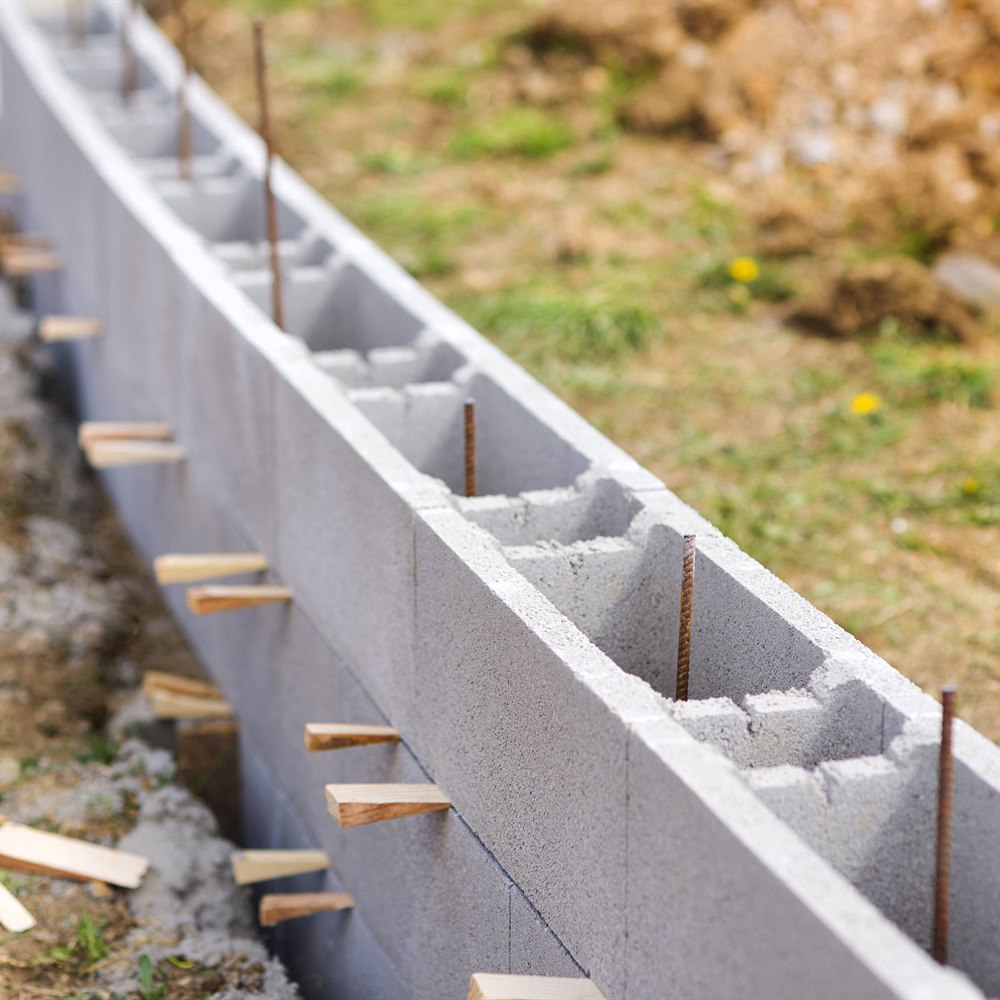
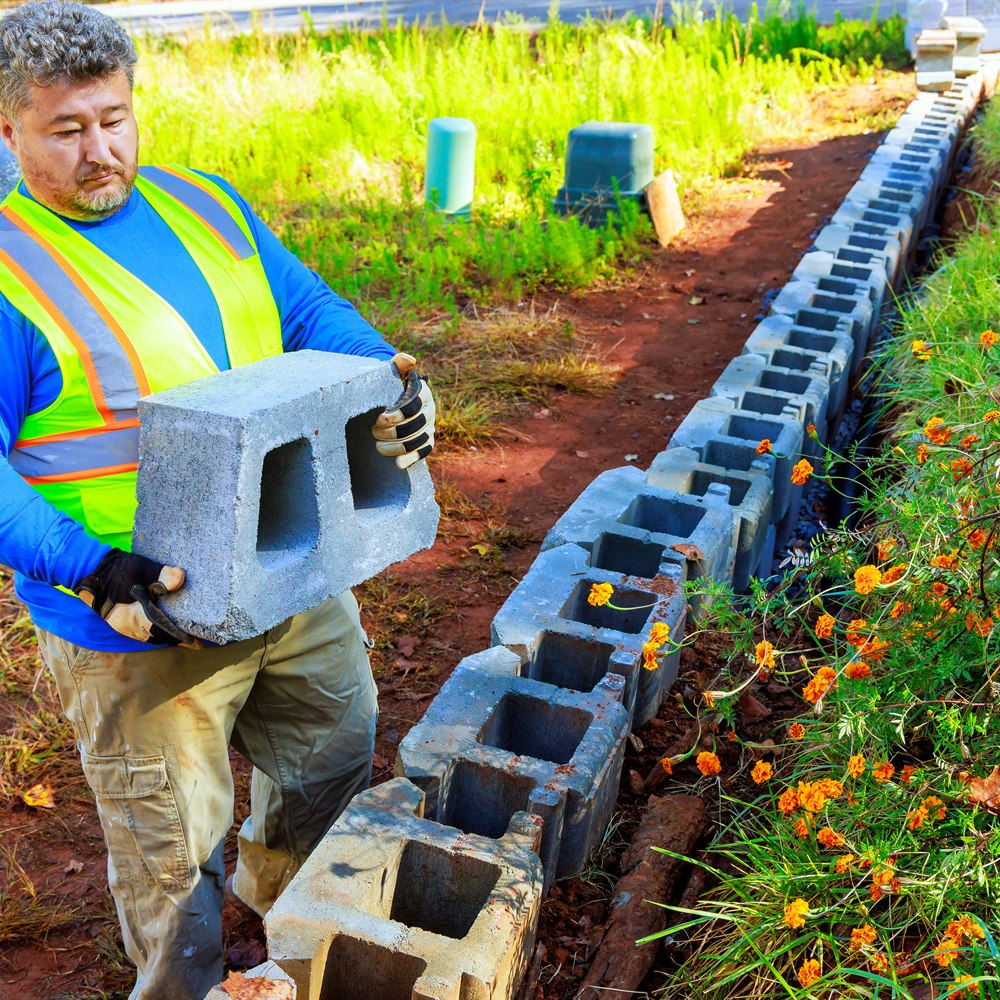
Once you know the function, choose the material within those requirements. For a wall where you have flexibility (typically lower walls), you can choose based on budget and appearance: concrete block ($40 to $100 per linear foot) for economy and versatility, natural stone ($100 to $250) for premium appearance. For a wall requiring structural strength, an engineered approach ($150 to $345) may be necessary. Choosing the material that fits both the wall’s structural requirements and your budget and appearance goals is the core decision, balancing what the wall must do against what you want and can spend within the constraints the function imposes.
Consider Appearance and Your Property’s Style
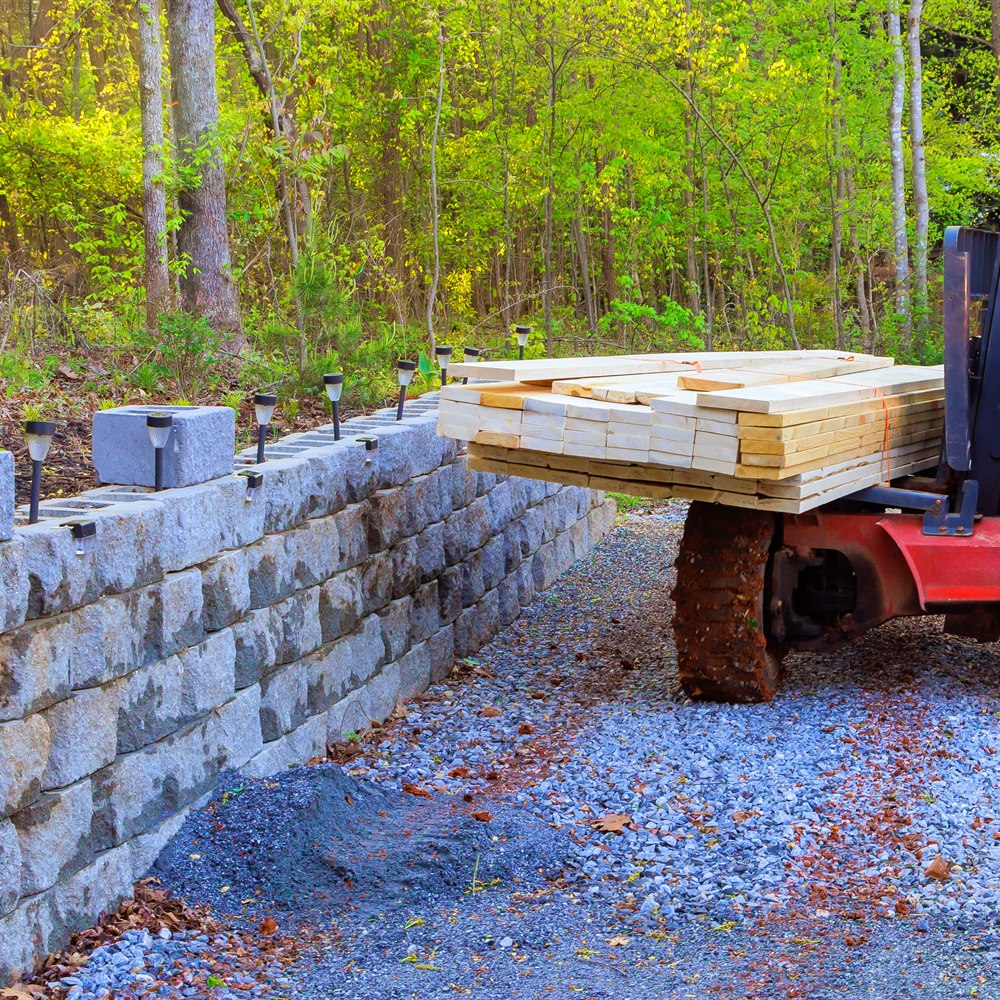
Where you have flexibility, consider appearance and how the wall fits your property. A retaining wall is often a visible landscape feature, so its look matters. Concrete block comes in many styles and colors (including options mimicking stone); natural stone offers a premium, natural appearance; and different materials suit different aesthetics. Consider your home and landscape style and choose a wall that complements them. A wall that harmonizes with your property’s look makes it an attractive feature rather than just a functional structure. Where function allows choice, selecting a material and style that fit your property’s appearance is part of choosing well. (For more on this, see What Makes a Retaining Wall Cost More (or Less)?.)
Factor In Drainage and Site Needs
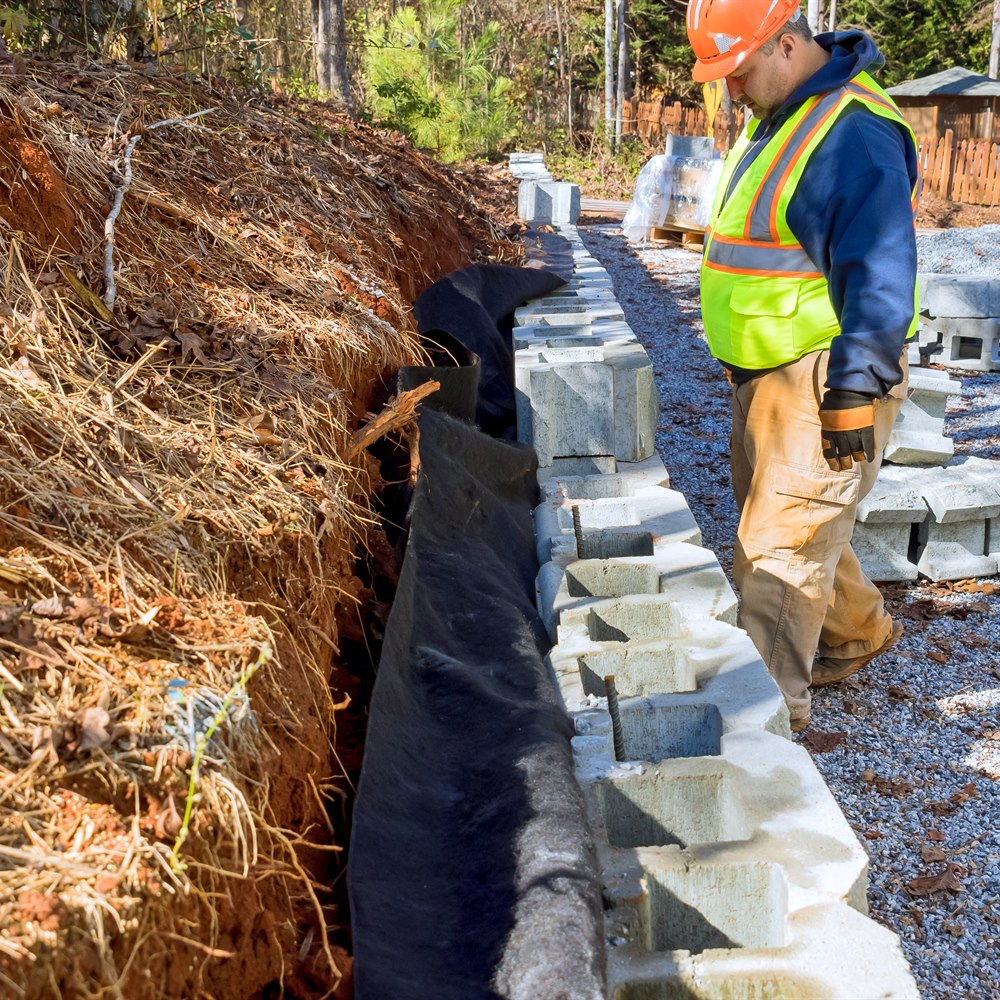
Consider the drainage and site needs, which affect the choice and are essential regardless of material. Every retaining wall needs proper drainage, but demanding sites (wet areas, poor soil, steep slopes) may influence the wall type and approach. Consider your site’s specific conditions, the soil, the water, the slope, and choose a wall type and design suited to them. A wall well-matched to your site’s conditions performs better and lasts longer. Factoring in the site’s drainage and soil needs, and ensuring the chosen wall type suits them, is part of selecting a retaining wall that will hold up in your specific situation.
Balance Cost Against Longevity
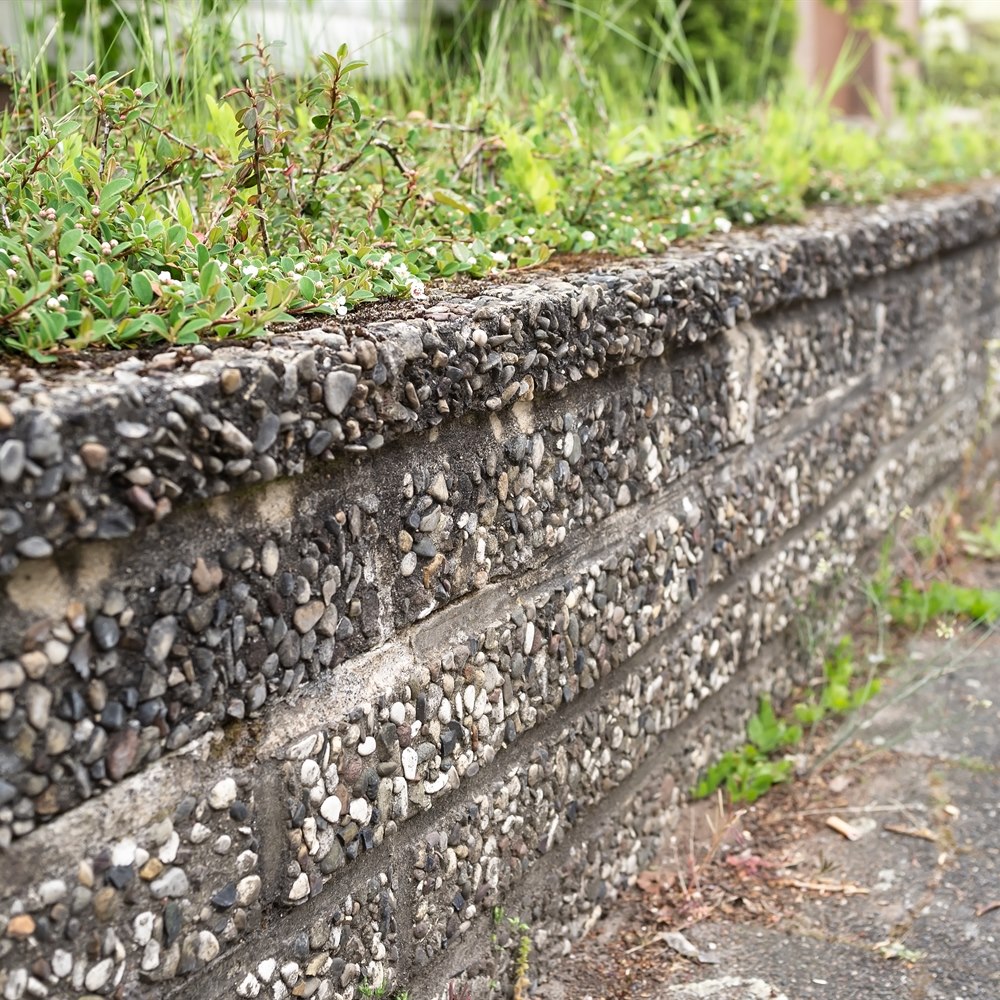
When choosing, balance upfront cost against longevity and the cost of failure. A retaining wall that fails is expensive and disruptive to fix, so choosing a properly built wall, of appropriate material and with proper drainage and base, that lasts is better value than the cheapest option that fails. This doesn’t always mean the most expensive material, a well-built block wall can last decades, but it means not sacrificing the quality and fundamentals that ensure longevity to save money. Choosing based on lasting value, an appropriate, well-built wall, rather than lowest upfront price, is sound for a structural element meant to perform for the long term. (For more on this, see How Long Does a Retaining Wall Take to Build?.)
Get Professional Assessment for Significant Walls
For anything beyond a simple low wall, get a professional assessment to guide the choice. A knowledgeable contractor or engineer can assess your site, the required height and loads, and the soil and drainage, and recommend the appropriate wall type and design. Because a retaining wall is structural and the consequences of getting it wrong are serious, professional input on a significant wall ensures you choose a solution that’s safe and suited to your situation. Combining your preferences on appearance and budget with professional guidance on the structural requirements leads to the best choice for a wall that’s both what you want and structurally sound. (For more on this, see How to Budget and Pay for a Retaining Wall.)
Making the Choice
Choose the best retaining wall by starting with the function (height and loads), choosing the material within those requirements, considering appearance where you have flexibility, factoring in drainage and site needs, balancing cost against longevity, and getting professional assessment for significant walls. That approach gets you a wall that’s structurally sound, suited to your property, and lasting. When you’re ready to plan your retaining wall, connect with a local pro below.
Ranges here are national ballpark figures, not quotes. Actual pricing varies by region, home condition, materials, and contractor. How we source cost data.
Frequently Asked Questions
Start with the function (how tall the wall must be and how much load it must hold, which may dictate the type), choose the material within those requirements (block for economy, stone for looks, engineered for strength), consider appearance where you have flexibility, factor in drainage and site needs, balance cost against longevity, and get professional assessment for significant walls. Function guides the choice, not just looks.
Function first, then looks within those requirements. Because a retaining wall is a structural element that must safely hold back soil, the function, especially the height and loads, may dictate or limit the wall type regardless of preference. A low garden wall has many options, while a tall or load-bearing wall requires a stronger, often engineered approach. Once function is satisfied, appearance and budget guide the material choice.
Within the wall's structural requirements: concrete block ($40-$100/linear ft) for economy and versatility, natural stone ($100-$250) for premium appearance, or an engineered approach ($150-$345) where structural strength is needed. For a lower wall with flexibility, choose based on budget and appearance; for a taller or load-bearing wall, the function may require engineering. Balance what the wall must do against what you want and can spend.
For anything beyond a simple low wall, yes, it's wise. A knowledgeable contractor or engineer can assess your site, the required height and loads, and the soil and drainage, and recommend the appropriate wall type and design. Because a retaining wall is structural and the consequences of getting it wrong are serious, professional input on a significant wall ensures you choose a solution that's safe and suited to your situation.
Not necessarily. Balance upfront cost against longevity and the cost of failure, since a failed retaining wall is expensive and disruptive to fix. Choosing a properly built wall of appropriate material, with proper drainage and base, that lasts is better value than the cheapest option that fails. This doesn't always mean the most expensive material, a well-built block wall can last decades, but it means not sacrificing quality and fundamentals to save money.