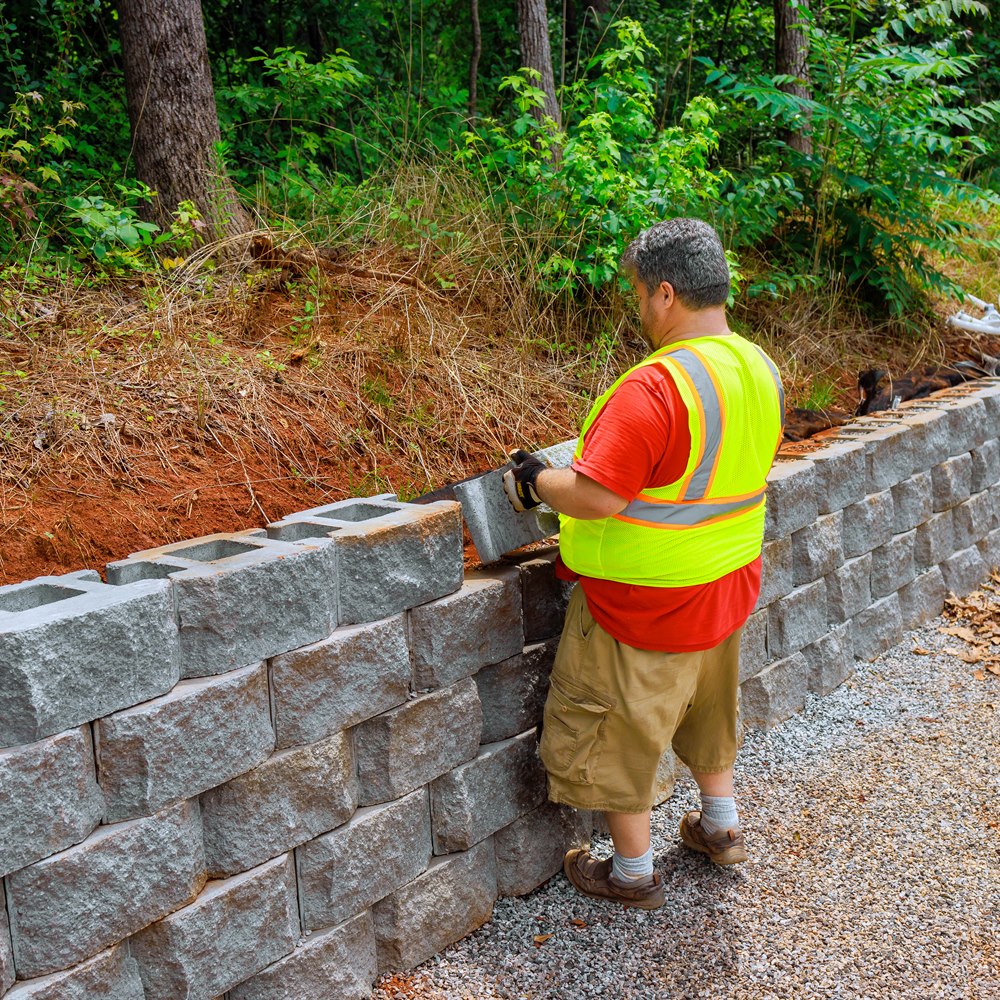
What Goes Wrong When Building a Retaining Wall?
A retaining wall must safely hold back soil for decades, and mistakes, in drainage, the base, engineering, or construction, lead to walls that bulge, lean, crack, or collapse, an expensive and sometimes dangerous failure. Avoiding the common ones ensures a wall that lasts and does its job. Here’s what goes wrong and how to avoid it.
Mistake: Skipping or Skimping Drainage
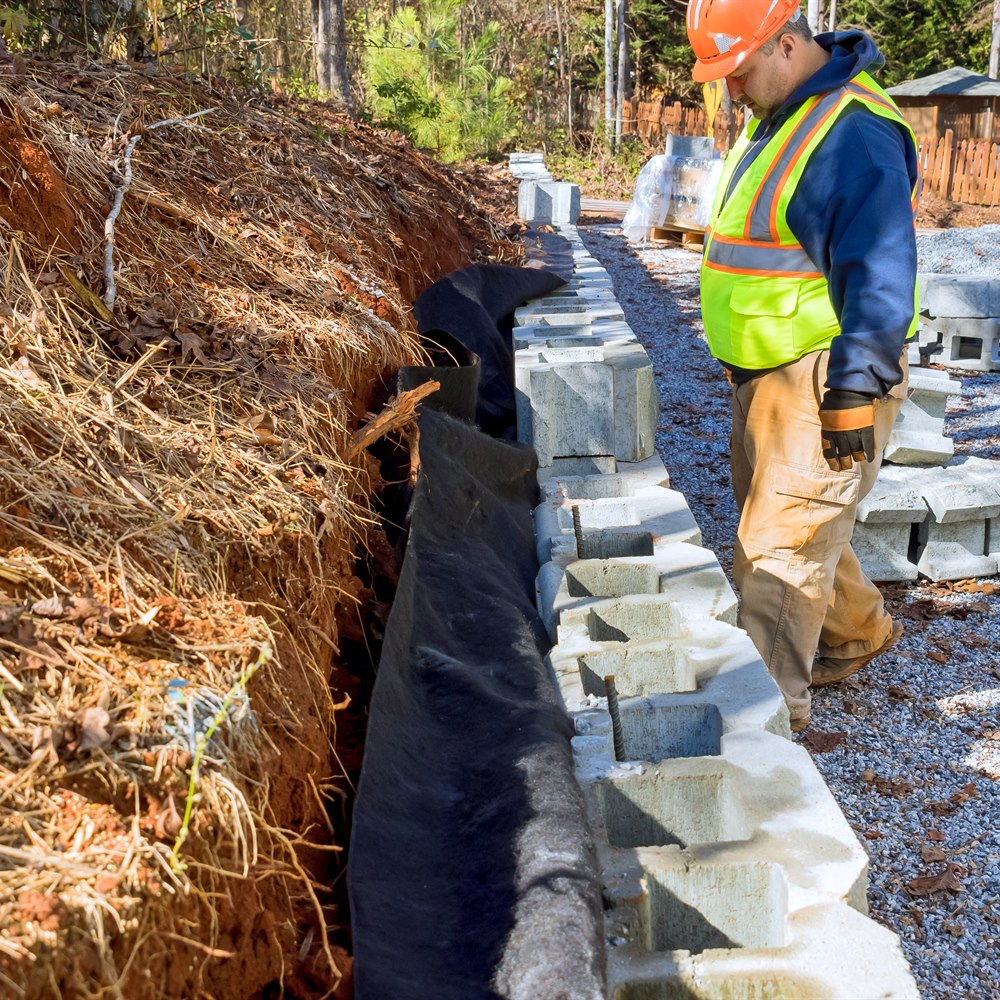
How to avoid it: The most consequential retaining wall mistake is inadequate drainage, the number one cause of wall failure. Water pressure building up behind a wall with no way to escape causes it to bulge, lean, and collapse. Avoid it by insisting on proper drainage, gravel backfill, a drainage pipe, weep holes as appropriate, and ensuring it’s included in the project. Because drainage is invisible in the finished wall and easy to skip, this is the most important thing to insist on. A wall without proper drainage is destined to fail, so proper drainage is non-negotiable. (For more on this, see Hidden Costs of Building a Retaining Wall.)
Mistake: Inadequate Base
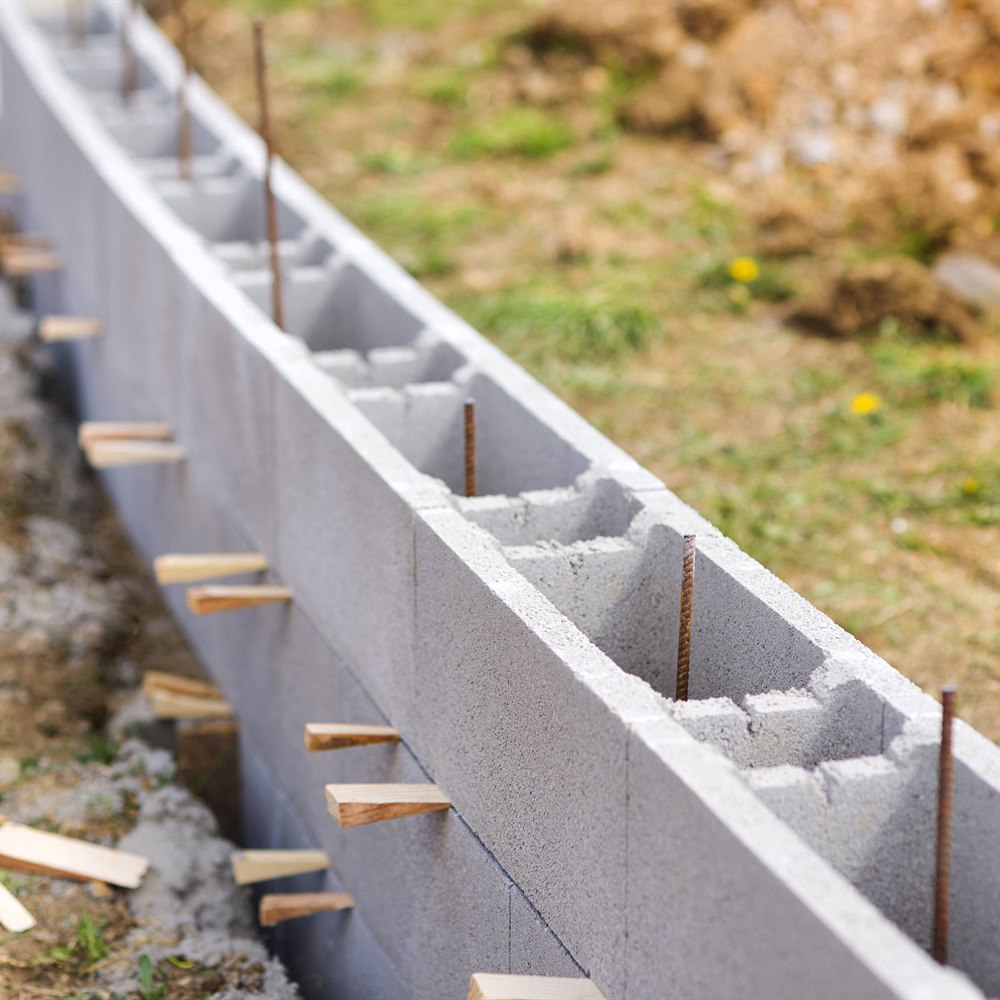
How to avoid it: Building a retaining wall on an inadequate base, too shallow, poorly compacted, or on unstable ground, causes it to settle, lean, and fail. Avoid it by ensuring a proper base: excavated to adequate depth, with compacted, level base material suited to the wall and soil. The base is the foundation of a stable wall, and skimping on it, like drainage, is invisible once the wall is built but leads to failure. A quality builder constructs a proper base, so ensuring the base is done right is essential to a wall that stays stable and doesn’t lean or settle over time. (For more on this, see How to Budget and Pay for a Retaining Wall.)
Mistake: Ignoring Engineering for Tall Walls
How to avoid it: Building a tall or load-bearing wall without proper engineering (where required or advisable) risks a wall that can’t handle the loads and fails, potentially dangerously. Avoid it by getting engineering for taller walls, above the height where it’s required (commonly around four feet, but check locally) or where significant loads are involved. Engineering ensures the wall is designed to safely handle the soil and water pressure. Skipping required engineering to save money risks failure, fines, or forced removal. For a significant wall, proper engineering is essential to safety and longevity.
Mistake: Skipping Permits
How to avoid it: Building a retaining wall that requires a permit without one can lead to fines, forced removal, or problems at resale, and the permit process often ensures the wall is properly engineered and safe. Avoid it by checking whether a permit is required (common for taller walls) and obtaining it. The permit and inspection process, while adding time and cost, helps ensure the wall is built to code and safely. Skipping a required permit is a mistake that can cause legal and financial problems, so ensuring your wall is permitted where required is important.
Mistake: Wrong Material or Design for the Application
How to avoid it: Using a material or design unsuited to the wall’s height, loads, or conditions, like a simple dry-stacked wall where an engineered one is needed, leads to failure. Avoid it by matching the wall type and design to the specific application: the height, the loads, the soil, and the site. A low garden wall and a tall load-bearing wall need different approaches. Choosing the right wall type and design for what the wall must actually do, rather than just what’s cheapest or preferred aesthetically, ensures the wall can handle its job. Matching the solution to the application is essential.
Mistake: Hiring an Inexperienced or Cheapest Builder
How to avoid it: Choosing the cheapest or least experienced builder risks skipped drainage, a poor base, inadequate engineering, or shoddy construction, all invisible until the wall fails. Avoid it by choosing an experienced, reputable builder based on their work and reviews, not just price. A retaining wall is a structural element where proper technique (drainage, base, engineering, construction) determines whether it lasts or fails, and a cut-rate builder who cuts corners on these invisible fundamentals leaves you with a wall destined to fail. Quality construction is worth paying for on a structure that must hold back soil safely.
The Mistake of Treating a Structural Project Casually
Underlying many of the specific retaining wall mistakes is a broader one: treating what is fundamentally a structural engineering project as if it were simple landscaping. A retaining wall, especially anything beyond a low decorative garden wall, is a structure that must safely resist significant forces, the weight of soil and the pressure of water, for decades, and approaching it casually, as merely stacking blocks or stones attractively, leads to the drainage, base, and engineering failures that cause walls to collapse. The homeowners and even some builders who underestimate a retaining wall’s structural seriousness are the ones who skip the drainage, skimp on the base, ignore the engineering, and end up with failures. Recognizing that a retaining wall is a structural element deserving structural respect is the mindset that avoids the whole category of failures.
This structural respect shows up in practical decisions throughout the project. It means insisting on proper drainage even though it’s invisible and adds cost, because you understand water pressure is what destroys walls. It means ensuring a proper base even though no one will see it, because you understand the wall’s stability depends on it. It means getting engineering for a tall or load-bearing wall even if it adds expense and time, because you understand the forces involved exceed what casual construction can safely handle. And it means hiring a contractor who demonstrates this same structural seriousness, one who talks knowledgeably about drainage, base, and engineering rather than just appearance, rather than the cheapest builder treating the project casually. The consequences of a retaining wall failure, damaged property, dangerous collapse, and expensive remediation, are serious enough that the project genuinely warrants this care. Homeowners who approach their retaining wall with an appreciation for its structural nature, prioritizing the engineering fundamentals over shortcuts and choosing a contractor who does the same, are the ones who end up with walls that safely perform for decades. The single most protective thing you can do against retaining wall mistakes is to take the project as seriously as its structural demands require, which naturally leads to the proper drainage, base, engineering, and quality construction that a lasting wall needs. (For more on this, see Questions to Ask a Retaining Wall Contractor.)
Staying Ahead of Mistakes
The common retaining wall mistakes, skipping drainage, an inadequate base, ignoring engineering, skipping permits, the wrong material for the application, and the cheapest builder, are all avoidable with proper design and construction. When you’re ready to connect with a qualified local pro, connect below.
Frequently Asked Questions
Inadequate drainage, the number one cause of wall failure. Water pressure building up behind a wall with no way to escape causes it to bulge, lean, and collapse. Insist on proper drainage, gravel backfill, a drainage pipe, weep holes as appropriate, and ensure it's included. Because drainage is invisible in the finished wall and easy to skip, this is the most important thing to insist on, a wall without it is destined to fail.
Most often from inadequate drainage (water pressure building up behind the wall) or an inadequate base (too shallow, poorly compacted, or on unstable ground, causing settling and leaning). Ignoring engineering for tall walls also causes failure. These fundamentals, drainage, the base, and engineering, are invisible once the wall is built but determine whether it stays stable or bulges, leans, and collapses over time.
Yes, walls above a certain height (commonly around four feet, but check locally) or with significant loads need proper engineering. Building a tall or load-bearing wall without it risks a wall that can't handle the loads and fails, potentially dangerously. Engineering ensures the wall is designed to safely handle soil and water pressure. Skipping required engineering risks failure, fines, or forced removal, so it's essential for a significant wall.
Often, for taller walls. Building a wall that requires a permit without one can lead to fines, forced removal, or resale problems, and the permit process often ensures the wall is properly engineered and safe. Check whether a permit is required (common for taller walls) and obtain it. The permit and inspection process, while adding time and cost, helps ensure the wall is built to code and safely.
No. The cheapest or least experienced builder risks skipped drainage, a poor base, inadequate engineering, or shoddy construction, all invisible until the wall fails. Choose an experienced, reputable builder based on their work and reviews, not just price. A retaining wall is a structural element where proper technique determines whether it lasts or fails, and a cut-rate builder who cuts corners leaves you with a wall destined to fail.