What Hidden Costs Come With a Retaining Wall?
The per-linear-foot price is the headline number, but a retaining wall‘s real cost can include several less-obvious expenses, and understanding them upfront keeps your budget realistic. Because a retaining wall must safely hold back soil, involving drainage, a proper base, and sometimes engineering, a few costs regularly catch homeowners off guard. Here’s what to plan for beyond the wall material.
Drainage Behind the Wall
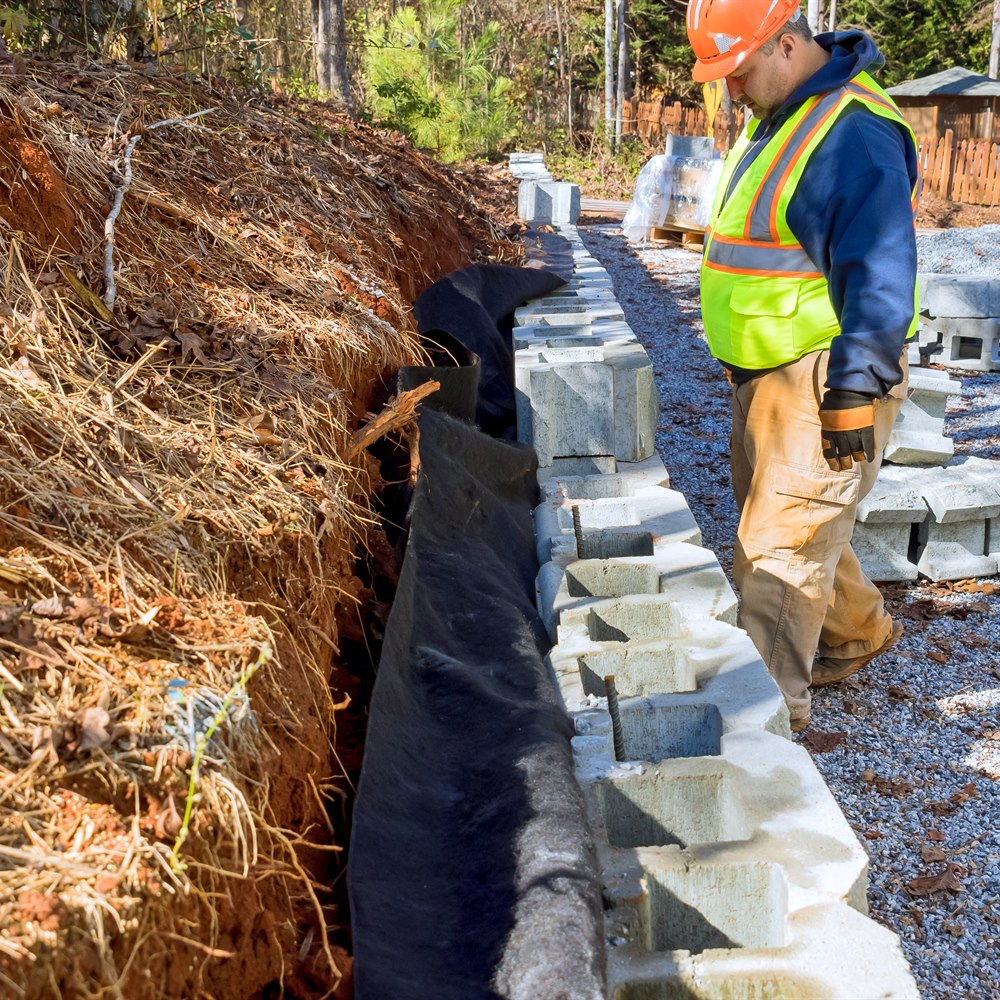
The biggest and most critical hidden cost is drainage. A retaining wall holds back soil, and water pressure building up behind the wall is the leading cause of retaining wall failure. Proper drainage, gravel backfill, a drainage pipe (weep holes or a perforated drain), and appropriate materials to let water escape, is essential to a wall that lasts, and it adds real cost. This drainage system, invisible behind the finished wall, is not optional, it’s what prevents the water pressure that causes walls to bulge, crack, and collapse. Budgeting for proper drainage is essential, since a wall without it is destined to fail. (For more on this, see How to Budget and Pay for a Retaining Wall.)
Engineering and Permits
Taller retaining walls, and walls holding significant loads, often require engineering and a permit, adding cost. Many jurisdictions require a permit and engineered design for walls above a certain height (commonly around four feet, but it varies), and an engineered wall involves design fees and often reinforcement. Even where not strictly required, engineering may be wise for a significant wall. These engineering and permit costs, easy to overlook, are important for a safe, code-compliant wall, and skipping required engineering or permits risks failure, fines, or forced removal. Factoring in engineering and permits (where needed) prevents a surprise. (For more on this, see How Long Does a Retaining Wall Take to Build?.)
Site Preparation and Excavation
Preparing the site adds cost beyond the wall material. Building a retaining wall involves excavating for the wall and its base, and dealing with the slope and soil the wall will retain. On a difficult slope, with poor soil, or with limited access for equipment and materials, this preparation is significant. Because a retaining wall must have a proper base and be built into the slope correctly, the site preparation and excavation, proportional to the site’s difficulty, are a real cost. A challenging site can add substantially to a retaining wall project beyond the wall itself.
The Base and Foundation
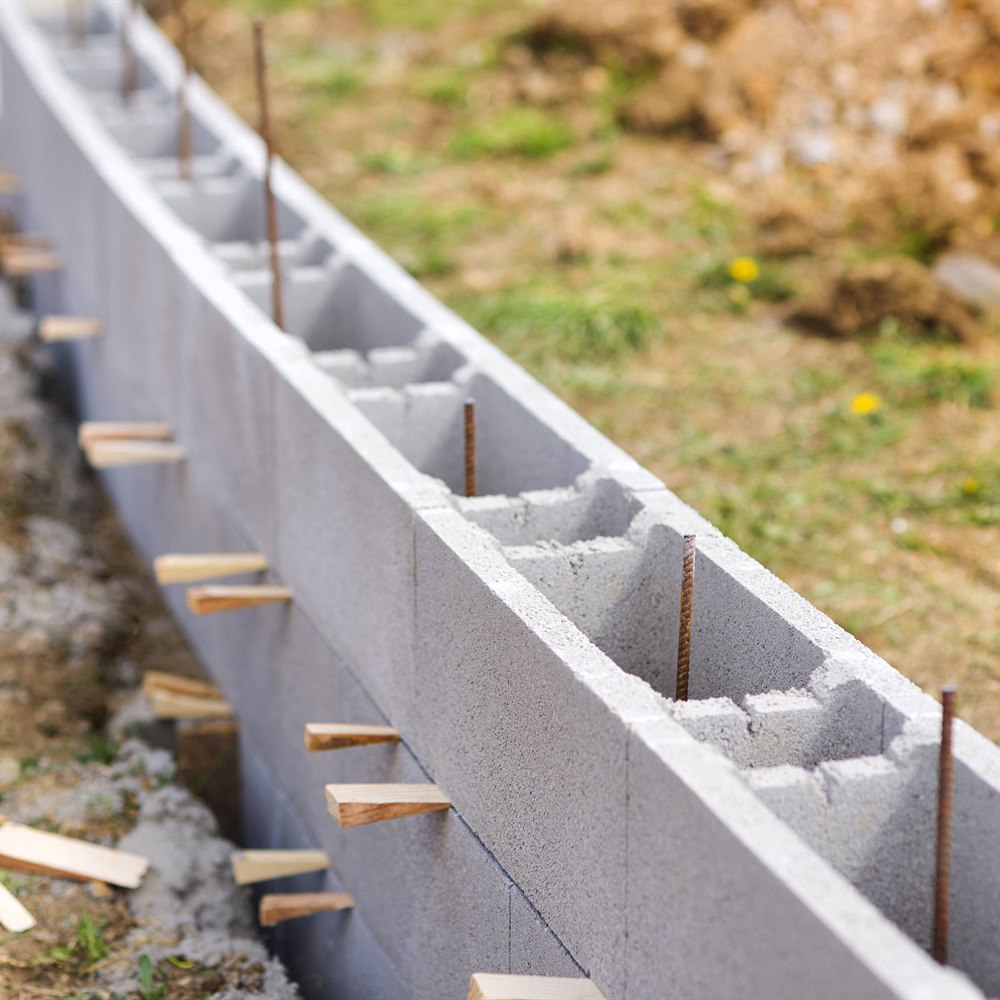
A retaining wall needs a proper base, a compacted, level foundation of gravel or other material, that’s essential to its stability and a real cost the wall material price doesn’t capture. Building the wall on an inadequate base leads to settling, leaning, and failure, so a proper base, excavated and compacted, is fundamental. This foundation, invisible below the finished wall, takes material and labor, and its cost is part of a proper installation. Like drainage, the base is one of the invisible fundamentals of a retaining wall that’s essential to its longevity and a genuine cost.
Backfill and Grading
Beyond the wall, backfill (the material placed behind the wall) and grading the area can add cost. Proper backfill, often including the drainage gravel, and grading the ground above and around the wall to manage water and finish the area are part of a complete project. Restoring or landscaping the disturbed area after construction may add cost too. These finishing elements, backfill, grading, and site restoration, complete the retaining wall project and are real costs beyond building the wall structure itself. Factoring them in gives a realistic picture of the full project cost. (For more on this, see Common Retaining Wall Mistakes and How to Avoid Them.)
The Cost of Getting It Wrong: Why Failures Are So Expensive
Perhaps the most important hidden cost of a retaining wall isn’t a line item on the initial quote at all, but the potentially enormous cost of a wall that fails because the fundamentals were skimped, a cost that makes cutting corners a false economy. When a retaining wall fails, bulging, leaning, or collapsing because of inadequate drainage, a poor base, or missing engineering, the consequences and costs cascade well beyond simply rebuilding the wall. The soil the wall was holding back may shift or slide, damaging landscaping, hardscape, or even structures. The failed wall must be demolished and removed before a new one can be built. And the replacement wall, built properly this time, costs the full amount, on top of everything the failure damaged. A wall that failed to save a few dollars on drainage can end up costing many times the original price to remediate.
This is why the fundamentals, proper drainage, an adequate base, and engineering where required, should never be viewed as optional costs to trim, and why the cheapest quote that achieves its price by skimping on these is not actually the cheapest option over time. The homeowner who saves money by accepting a wall without proper drainage isn’t really saving, they’re deferring a much larger cost to when the wall fails, plus the cost of whatever the failure damages. Understanding this transforms how you should think about a retaining wall quote: the essential fundamentals aren’t hidden costs to be avoided but necessary investments that prevent a far larger expense. When comparing quotes, a somewhat higher price that includes proper drainage, a solid base, and appropriate engineering is genuine value, while a suspiciously low one that omits them is a liability waiting to surface. Recognizing that the true hidden cost of a retaining wall is the expense of a failure, and that proper construction is what prevents it, is the most important cost insight for a structure that must safely hold back soil for decades. Investing in doing it right the first time is invariably cheaper than paying for a failure later.
Keeping Costs Predictable
The way to avoid surprises is to budget for proper drainage (essential, not optional), account for engineering and permits where needed, factor in site preparation and excavation, understand the base is a real cost, and plan for backfill and grading. A good installer discusses these upfront. When you’re ready for a complete, honest quote, connect with local pros below.
Frequently Asked Questions
Drainage behind the wall. Water pressure building up behind a retaining wall is the leading cause of failure, so proper drainage, gravel backfill, a drainage pipe (weep holes or a perforated drain), and materials to let water escape, is essential and adds real cost. This drainage system, invisible behind the finished wall, is not optional, it's what prevents the water pressure that causes walls to bulge, crack, and collapse.
Taller walls and walls holding significant loads often do. Many jurisdictions require a permit and engineered design for walls above a certain height (commonly around four feet, but it varies), and an engineered wall involves design fees and reinforcement. Skipping required engineering or permits risks failure, fines, or forced removal. Factoring in engineering and permits where needed is important for a safe, code-compliant wall.
Yes, and it adds cost. Building a retaining wall involves excavating for the wall and its base and dealing with the slope and soil it will retain. On a difficult slope, with poor soil, or with limited access, this preparation is significant. Because a retaining wall must have a proper base and be built into the slope correctly, the site preparation and excavation, proportional to the site's difficulty, are a real cost.
Somewhat. A retaining wall needs a proper base, a compacted, level foundation of gravel or other material, essential to its stability and a real cost the wall material price doesn't capture. Building on an inadequate base leads to settling, leaning, and failure. This foundation, invisible below the finished wall, takes material and labor, and like drainage, it's one of the invisible fundamentals essential to the wall's longevity.
The material placed behind the wall, often including drainage gravel, which along with grading the area can add cost. Proper backfill and grading the ground above and around the wall to manage water and finish the area are part of a complete project, and restoring or landscaping the disturbed area may add cost too. These finishing elements complete the retaining wall project and are real costs beyond building the wall structure itself.