How Long Does a Retaining Wall Take to Build?
Retaining wall construction time varies with the wall’s size and complexity, from a couple of days for a small wall to over a week for a large or engineered one. Understanding the timeline and the stages involved helps you plan. Here’s what to expect and what affects how long your retaining wall takes.
The Typical Range: A Few Days to Over a Week
A typical retaining wall takes a few days to over a week to build. A small, low garden wall on a good site can be done in a couple of days, while a large, tall, or engineered wall, especially on a difficult site or requiring significant excavation and drainage, takes a week or more. The size (height and length), the material and type, the site conditions, and the drainage and engineering requirements all shape the timeline. Most residential retaining walls fall within this range, with the specific duration depending heavily on the scale and complexity of the particular wall. (For more on this, see How to Budget and Pay for a Retaining Wall.)
Site Preparation and Excavation
The first phase is preparing the site and excavating, marking the wall, excavating for it and its base, and working with the slope and soil. This foundational work takes time proportional to the wall’s size and the site’s difficulty, a level, easy site is quicker, while a steep slope, poor soil, or limited access takes longer. Excavation is significant work for a retaining wall, since the wall must be built into the slope with a proper base. On a difficult site, this phase can be a substantial part of the timeline, and it sets up everything that follows.
Building the Base
Next is building the base, excavating to the proper depth and installing and compacting the base material that provides a stable, level foundation. This is essential work that shouldn’t be rushed, since the base determines the wall’s stability. Proper base construction, especially for a taller or heavier wall, takes time to do right. Like drainage, the base is an invisible fundamental that’s critical to the wall’s longevity, and a quality builder takes the time to build it properly. The base installation is a key part of the timeline that ensures the wall stays stable and doesn’t settle or lean.
Constructing the Wall and Installing Drainage
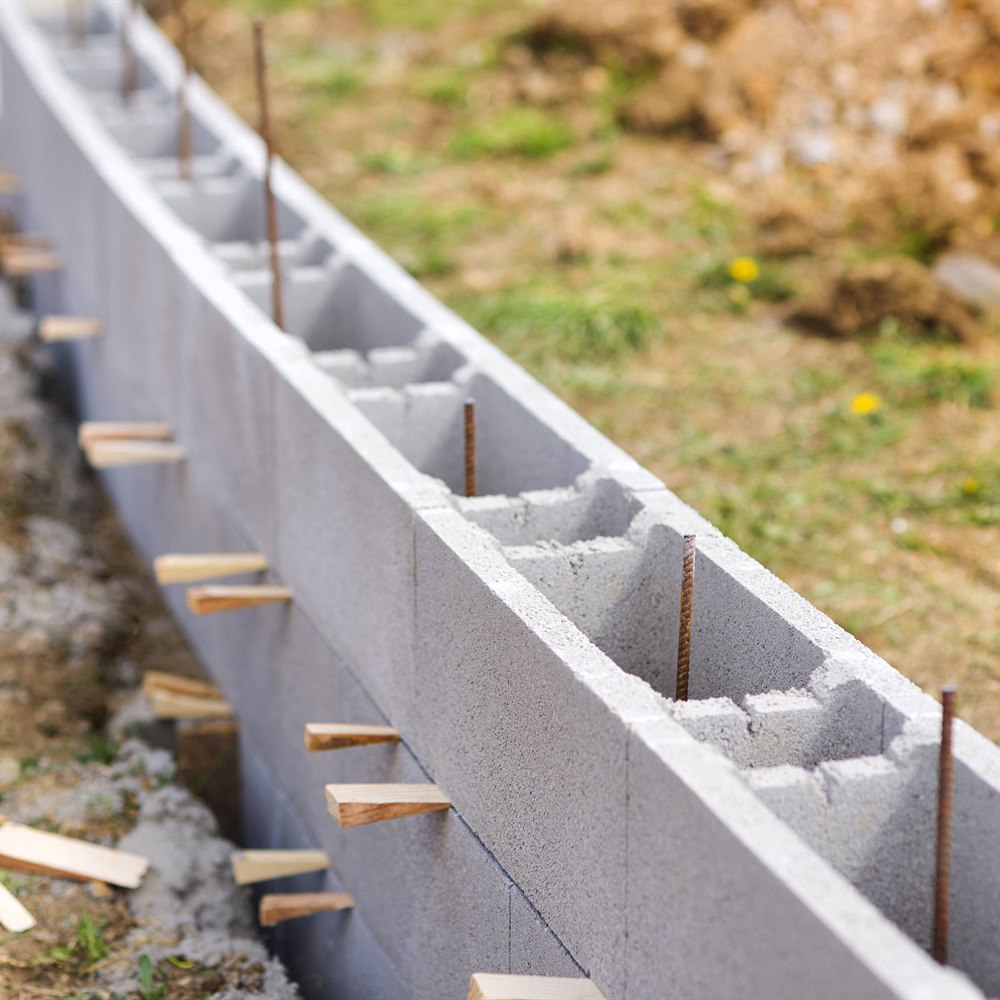
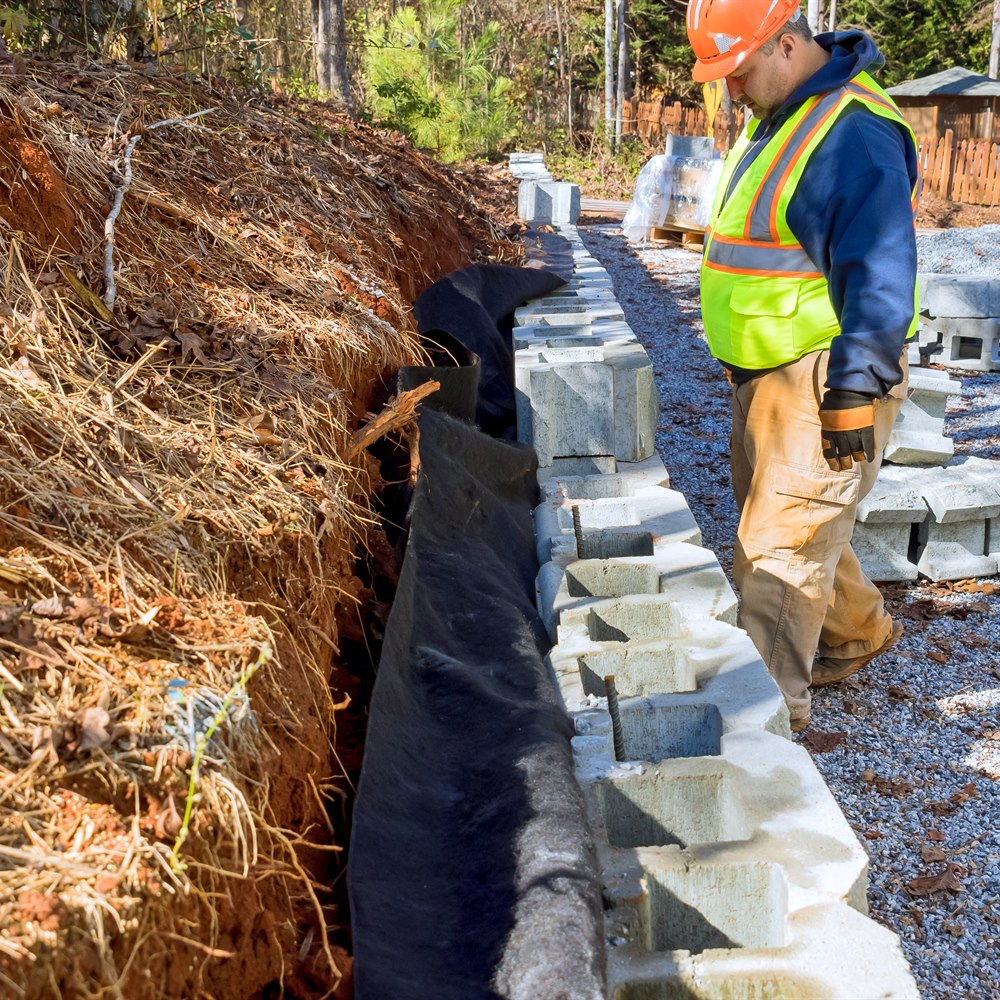
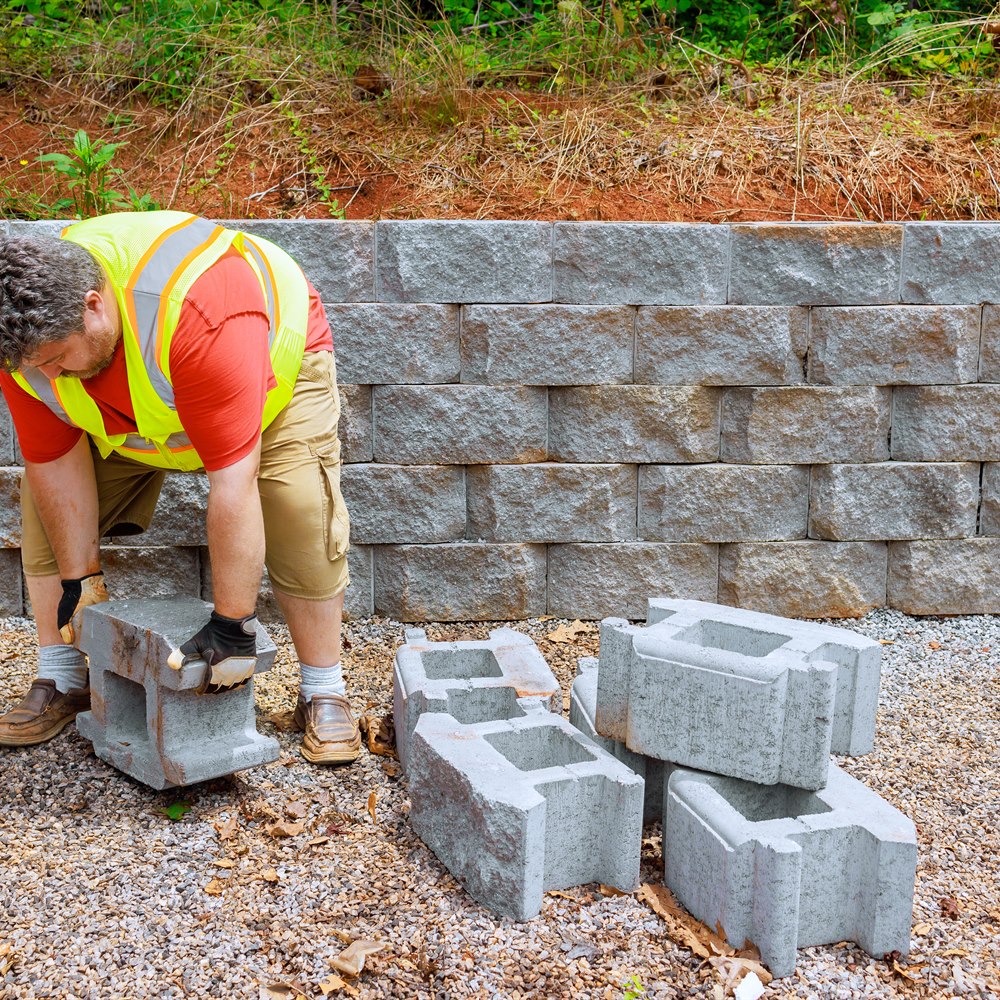
Then comes building the wall itself and installing the drainage together, since the drainage (gravel backfill, drainage pipe) is built in as the wall goes up. The wall is constructed course by course (for block or stone) or built and cured (for poured concrete), with the drainage system installed behind it as it rises. This is the core construction phase, and its duration depends on the wall’s height, length, material, and complexity, a tall or long wall, or one of natural stone requiring skilled placement, takes longer. Building the wall and its drainage properly is the heart of the project and a major part of the timeline.
Backfill, Grading, and Finishing
Finally, backfilling behind the wall, grading the area, and finishing. The space behind the wall is backfilled (including the drainage gravel), the ground above and around is graded to manage water and finish the area, and any site restoration or landscaping is done. These finishing steps complete the project and ensure proper water management and a finished appearance. For an engineered or poured wall, curing time may also factor in before backfilling or full loading. This finishing phase completes the retaining wall and is part of the overall timeline.
What Can Affect the Timeline
Several factors can lengthen a retaining wall project. A larger, taller, or longer wall takes more time. Difficult site conditions (steep slope, poor soil, limited access, extensive excavation) extend it. Engineered or poured concrete walls may involve curing time. Demanding drainage adds time. Permits and inspections, if required, can add lead time and steps. And weather can delay outdoor work, especially concrete. Because these factors vary, the timeline ranges from a couple of days for a small wall to over a week for a large or complex one. A good contractor gives a realistic estimate. (For more on this, see Questions to Ask a Retaining Wall Contractor.)
Why the Right Timeline Protects Your Wall
While it’s natural to want a retaining wall completed quickly, understanding why the various stages take the time they do helps you resist the temptation to rush, which with a structural project like this can genuinely compromise safety and longevity. Each phase of building a retaining wall exists for a structural reason and needs adequate time: excavation and site preparation establish the proper foundation footprint, base construction creates the stable, compacted foundation the wall depends on, the wall construction with integrated drainage is where the structural work and the critical drainage happen together, and backfill and grading complete the water management. For engineered or poured concrete walls, curing time is also essential before the wall can bear its full load. Compressing any of these, particularly the base, the drainage installation, or concrete curing, to finish faster is exactly how retaining walls end up with the settling, leaning, and drainage failures that lead to collapse. (For more on this, see Hidden Costs of Building a Retaining Wall.)
This makes an unusually fast timeline a potential warning sign rather than a benefit when evaluating retaining wall contractors. A contractor who promises to build a significant wall dramatically faster than the typical timeline may be planning to skimp on the base compaction, the drainage installation, or the curing, exactly the time-dependent fundamentals that determine whether the wall lasts. Similarly, if weather delays the project, particularly for concrete work that shouldn’t be done in unsuitable conditions, that delay is protecting the quality and safety of your wall. The right approach is to view the retaining wall’s timeline as the time the structural work genuinely requires to be done properly, and to plan around it, accepting that a wall built to safely hold back soil for decades warrants the days or week it takes rather than pushing for a speed that undermines it. A retaining wall built in the time it properly needs, with the base compacted, the drainage correctly installed, and any concrete fully cured, is one that will perform safely and last for many years, which is far more valuable than saving a few days on a structure whose failure would be dangerous and expensive. Patience with the timeline, and wariness of a contractor who promises to rush a structural project, is an investment in a retaining wall that stands the test of time. Understanding that the timeline reflects genuine structural necessity helps you value the proper duration and choose a contractor who takes the time to build your wall right.
Planning Around the Timeline
Expect a small retaining wall to take a couple of days and a large or engineered wall over a week, through site prep, base, wall construction with drainage, and finishing, with size, site conditions, engineering, and weather affecting it. Understanding the stages helps you set realistic expectations. When you’re ready to plan your retaining wall, connect with a local pro below.
Frequently Asked Questions
It varies with size and complexity, from a couple of days for a small, low garden wall on a good site to over a week for a large, tall, or engineered wall, especially on a difficult site or requiring significant excavation and drainage. The size, material, site conditions, and drainage and engineering requirements all shape the timeline, with most residential walls falling within this range.
Site preparation and excavation (marking, excavating for the wall and base, working with the slope), building the base (excavating to depth, installing and compacting base material), constructing the wall and installing drainage together (building course by course or pouring, with drainage built in), and backfill, grading, and finishing. Each stage takes time proportional to the wall's size and complexity.
Because proper base construction, excavating to the right depth and installing and compacting the base material for a stable, level foundation, is essential to the wall's stability and shouldn't be rushed, especially for a taller or heavier wall. Like drainage, the base is an invisible fundamental critical to the wall's longevity, so a quality builder takes the time to build it properly, ensuring the wall stays stable and doesn't settle or lean.
A larger, taller, or longer wall, difficult site conditions (steep slope, poor soil, limited access, extensive excavation), engineered or poured concrete walls (which may involve curing time), demanding drainage, permits and inspections (adding lead time and steps), and weather delays (especially for concrete). Because these vary, the timeline ranges from a couple of days for a small wall to over a week for a large or complex one.
Yes. The drainage system, gravel backfill and a drainage pipe, is built in as the wall goes up, installed behind the wall as it rises course by course. This is because the drainage must be integrated into the wall's construction to properly relieve water pressure. Building the wall and its drainage together is the core construction phase, and doing the drainage properly as part of it is essential to a wall that lasts.