What Should You Ask a Pet Fence Installer?
The questions you ask before hiring a pet fence installer reveal whether they’re choosing the right solution for your specific dog or proposing a standard product regardless of the situation. Here’s what matters.
What Solution Do You Recommend for My Dog?
Any installer worth hiring will ask about the dog’s temperament, size, drive, and any history of escape before recommending a solution. An installer who recommends an invisible fence without asking about the dog is selling a product rather than solving a containment problem. The right recommendation follows from the dog’s profile; it doesn’t precede it. If the installer recommends the same system for every property, they’re not assessing your specific situation. (For more on this, see How to Find the Best Pet Fence Installer.)
For Invisible Fences: What Does the Training Process Look Like?
Ask specifically what the training protocol is, how long it takes, what the owner’s role is, and what happens if the dog doesn’t respond as expected. A detailed, specific answer indicates a system the installer understands and delivers. A vague answer (“just follow the instructions that come with it”) indicates minimal training support. For invisible fences, the training program is the product as much as the equipment; insist on understanding what support is included.
For Physical Fences: What Foundation and Post Depth Are You Using?
Fence posts set below the frost line in freeze climates, with appropriate concrete footings, stay plumb through freeze-thaw cycles. Posts set too shallow heave and lean over time. Ask the post depth and whether concrete is used, and whether the post depth accounts for your local frost line. This is the structural decision that determines whether the fence stays true over years of use.
Does the Quote Include Dig-Guard or Height Extensions If Needed?
If your dog digs or jumps, ask whether these features are in the quote and what they cost if not. Dig-guard and height extensions installed during construction are a fraction of their retrofit cost. An installer who doesn’t proactively ask about these behaviors when they could affect containment reliability is not thinking about whether the fence will actually work for your dog.
What Warranty Covers the Installation?
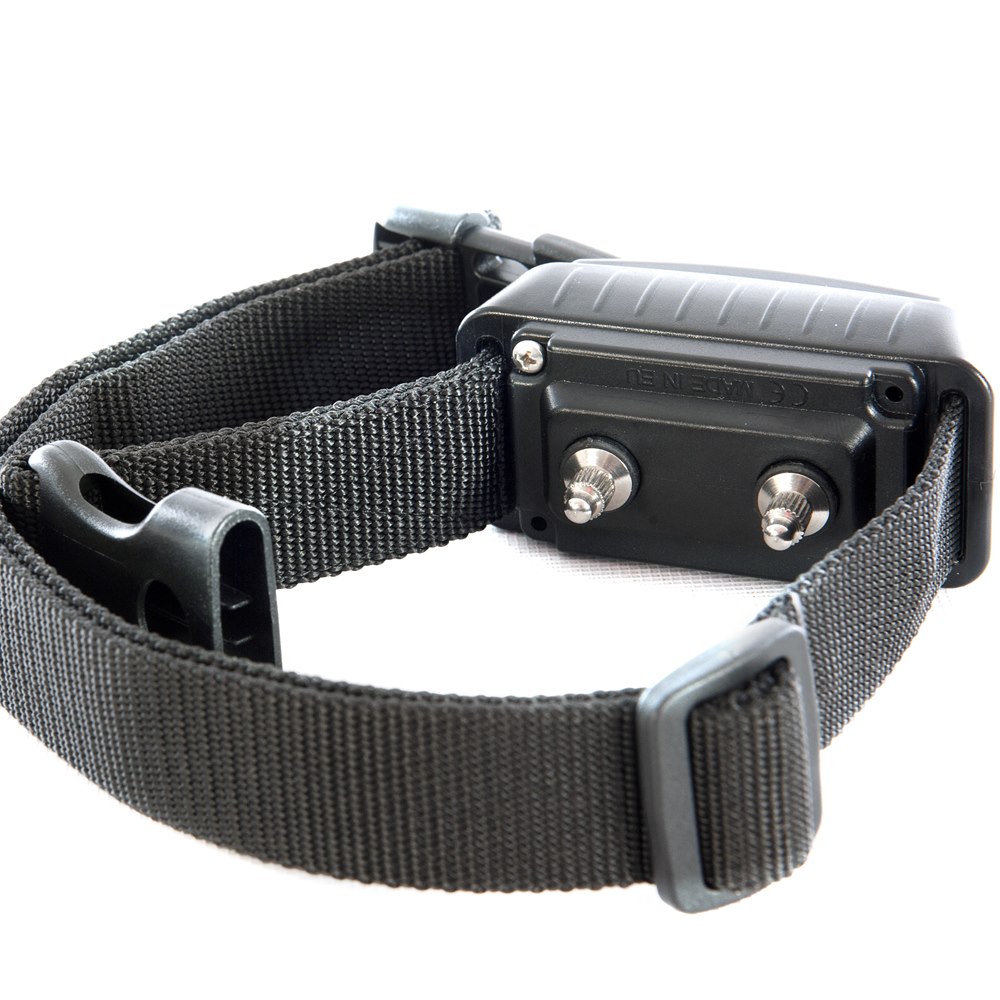
Ask about the contractor’s labor warranty (typically one year for installation defects) and the manufacturer warranty on any system components. For invisible fence systems, ask about the warranty on the transmitter and collar receiver. Understanding what’s covered and the claims process gives you recourse if a component fails or an installation defect appears within a reasonable period.
What to Ask About System Compatibility With Multiple Pets
In households with multiple pets, ask specifically what the system requires for each additional pet and what the cost implications are. For invisible fence systems, each additional pet needs a compatible collar receiver, and the collar must be correctly fitted and programmed for that pet’s size and temperament. For physical fences, each additional pet has no additional hardware cost but may have different height or dig-guard requirements based on their specific behaviors. Understanding how the proposed solution handles the multi-pet situation specifically, rather than assuming the solution scales without complication, ensures the installation serves all pets in the household reliably rather than primarily the one whose profile was discussed at the initial assessment. (For more on this, see Common Pet Fence Mistakes to Avoid.)
The answers to these questions, taken together, tell you more about the installer’s competence and approach than any portfolio photograph or marketing material, since they reveal how the installer thinks about containment problems rather than how they present their services.
Putting It Together
Solution recommendation based on your specific dog, detailed training support for invisible fences, foundation and post depth for physical fences, proactive assessment of dig or jump risk, and warranty coverage distinguish professional installers from those who sell standard products. When you’re ready for quotes, connect below.
The installer who answers these questions thoroughly and who demonstrates that their recommendation follows from the dog’s profile rather than from a standard product pitch is the one most likely to install a fence that actually contains the specific dog it is being built for.
The decision framework for pet containment is most reliable when it starts with the dog and works outward to the solution, since a fence that does not contain the specific dog provides no safety value regardless of its cost or quality, while a fence matched correctly to the dog and property provides years of reliable containment that more than justifies any investment in getting it right. (For more on this, see How to Budget and Pay for a Pet Fence.)
Taken together, these questions produce a clear picture of whether the installer is a professional problem-solver who works from the dog outward, or a product salesperson who works from the catalog inward, and that distinction is the most reliable predictor of whether the fence will actually contain the dog reliably for years.
Frequently Asked Questions
Whether the solution recommendation is based on your specific dog's profile (not a standard product pitch), what the training process looks like for invisible fences, what post depth and foundation are used for physical fences, whether dig-guard or height extensions are included or available for dogs that dig or jump, and what warranty covers the installation.
Because the right solution depends on the dog's temperament, drive, size, and history. An installer who recommends the same system for every property is selling a product rather than solving a containment problem. The recommendation should follow from the dog's profile, not precede it.
A specific protocol for boundary flag training, supervised exposure sessions over one to two weeks, clear owner participation requirements, and support or follow-up if the dog doesn't respond as expected. Vague training guidance indicates minimal support. For invisible fences, the training program is as important as the equipment.
Below the local frost line in freeze climates, typically 24 to 48 inches depending on region. Posts set too shallow heave in freeze-thaw cycles, leaning over time until the fence is no longer secure. Concrete footings anchor posts and prevent movement in soft or sandy soil. Confirm post depth and concrete use with any fence contractor.
A contractor labor warranty of at least one year covering installation defects. For invisible fence systems, the transmitter and collar receiver should carry manufacturer warranties of at least one to two years. Understanding what each covers and the claims process gives you recourse if a component fails or an installation defect appears.