What Does a Pet Fence Cost?
Pet fence costs split across two unrelated products, and they do not meet at one number. An invisible underground containment system runs $1,500 to $3,500 professionally installed for one dog on up to about an acre, averaging around $2,300, or $165 to $285 as a DIY kit you map and bury yourself. A physical fence is a built barrier at $15 to $60 per linear foot installed, or $3,000 to $12,000 or more to enclose a yard.
Invisible Fence Systems: $165 DIY to $3,500 Installed
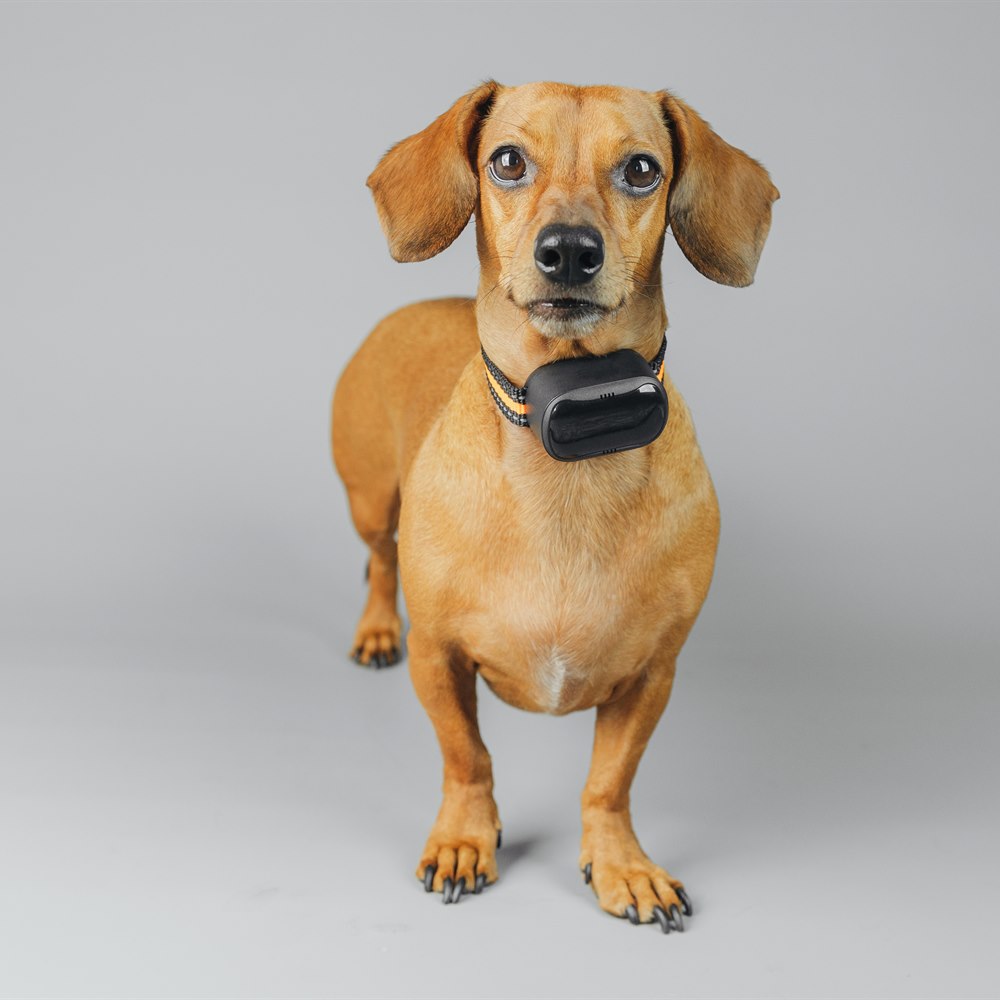
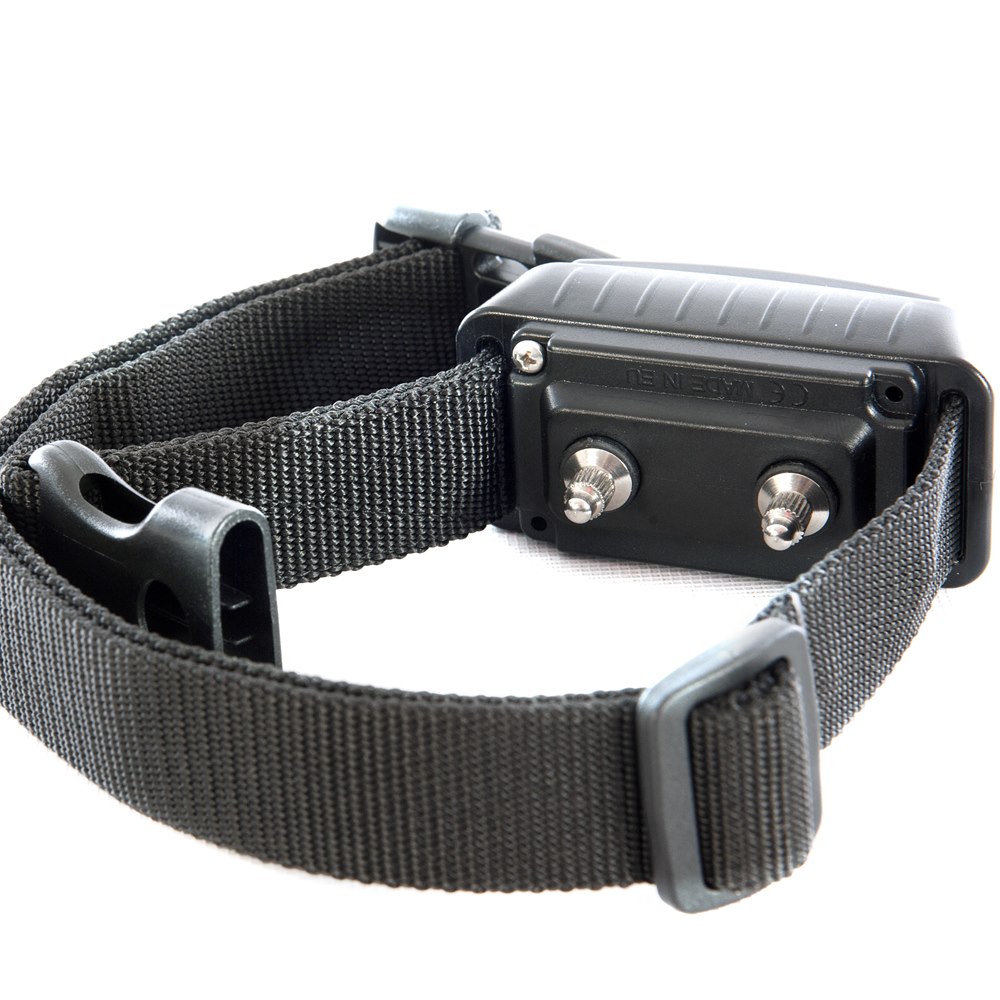
An invisible fence is a buried wire loop, a transmitter, and a collar receiver. When the dog approaches the boundary the collar emits a warning tone, and a mild static correction follows if the dog keeps going. (For more on this, see How to Choose the Right Pet Fence for Your Dog.)
| Cost Factor | Typical Range | Notes |
|---|---|---|
| DIY kits | $165 to $285 | for the transmitter, collar, and boundary wire, which you map and bury yourself |
| Professional installation | $1,500 to $3,500 | for one dog on up to about an acre, covering wire burial, transmitter, collar fitting, and training Adding professional installation to a kit you already own runs $400 to $800. |
| Branded professional systems | $1,800 to $3,500 | including a full professional training program |
| Ongoing cost | $20 to $50 per year | for collar batteries, plus training refreshers when a new dog joins the household |
Cost figures on this page were checked against published pricing on August 28, 2026. How we source cost data.
The limitations are real and worth understanding before you buy. An invisible fence contains your dog but does nothing to keep other animals out, since the correction only works from inside the boundary. It requires committed training to work at all. A dog that bolts through the wire in excitement takes one correction and is then loose outside the boundary with nothing bringing it back. And for a very anxious dog, the correction can make the anxiety worse. For dogs that are reactive to other animals or people, a physical fence is the more reliable answer. (For more on this, see Invisible Dog Fence vs. Physical Fence: Which Is Right?.)
Physical Fences: $15 to $60 per Linear Foot
A physical fence gives a visible, permanent boundary that contains the pet and keeps other animals out, with no training required. Material sets most of the price. (For more on this, see How to Find the Best Pet Fence Installer.)
| Fence or add-on | Cost per linear foot |
|---|---|
| Welded wire panels (dog runs) | $10 to $20 |
| Chain-link | $15 to $35 |
| Wood privacy fence | $25 to $55 |
| Vinyl | $30 to $60 |
| 6-foot privacy fence | $30 to $60 |
| Dig guard | $3 to $8 |
| Coyote roller | $20 to $40 |
Scaled to real yards: a 100-linear-foot partial enclosure, typically one side plus two runs back to the house, costs $2,000 to $4,000 in chain-link or welded wire. An average 150-linear-foot suburban backyard enclosure costs $3,000 to $6,500 depending on material. A large yard of 200 linear feet or more runs $5,000 to $12,000 or more, which is where a full enclosure for a medium to large dog with multiple gates lands.
Fence Height and Escape-Proofing
Match the height to the dog, not to the yard. Small dogs under 20 pounds are usually contained by a 3 to 4-foot fence. Medium dogs of 30 to 60 pounds need 4 feet minimum. Larger athletic breeds such as Labradors, German Shepherds, and Border Collies need 5 to 6 feet. Very athletic or escape-prone breeds such as Siberian Huskies, Belgian Malinois, and Vizslas need 6 feet minimum, and 7 to 8 feet is worth considering. The dog’s own history, whether it has jumped or climbed a fence before, is more informative than any breed’s theoretical athleticism.
For diggers, a dig guard is mesh buried 6 to 12 inches below the fence line and extending 12 to 18 inches out from the base, so the dog hits wire instead of open soil. Options include L-shaped wire mesh laid with the horizontal leg pointing into the yard, a concrete footing at the fence base, or a commercial dig-guard product. Materials cost $3 to $8 per linear foot and add 1 to 2 hours of labor per 50 linear feet. Before any digging begins, call 811 — the free national before-you-dig service — to have underground utilities located and marked.
For climbers and jumpers, a coyote roller, a rotating pipe along the top rail that denies the dog a grip, adds $20 to $40 per linear foot. Extending the fence to 7 or 8 feet is the alternative.
What Else Affects the Price
Terrain is the biggest variable after material. Sloped ground requires stepped or racked installation, and rocky or clay soil requires specialized post-setting techniques; both cost meaningfully more per linear foot than flat, open ground. Long perimeters compound that difficulty across the whole run. Gate count and width, total perimeter length, and local labor rates all add up. HOA rules may restrict material, style, and height, and some jurisdictions require permits depending on fence type and height, so check both before you order material.
Choosing and Quoting the Right Solution
Start with the dog and work outward to the fence. A cheap solution that does not contain your dog costs more than an expensive one that does, because the money is spent and the risk is unchanged. Weigh the cost against the alternative: a loose dog faces vehicle collisions, theft, and injury from other animals, plus impound and retrieval fees. Against that, even a $3,000 fence is a modest investment.
When you request quotes, describe the dog’s behavior alongside the yard dimensions. A 60-pound Lab that stays near the house is a different containment problem than a 60-pound husky with high prey drive, and an installer who accounts for that is answering your real question. Ask two or three installers for site-specific quotes that address both the dog profile and the perimeter, and confirm what is included: gates, permits, terrain work, and any dig guard or height extension. Get the scope in writing and verify general liability insurance before work starts.
Frequently Asked Questions
It depends which product you mean. An invisible containment system runs $1,500 to $3,500 professionally installed for one dog on up to about an acre, averaging around $2,300, or $165 to $285 as a DIY kit you bury yourself. A physical fence is an unrelated product at $15 to $60 per linear foot: chain-link $15 to $25, wood $20 to $40, vinyl $30 to $60. Enclosing an average 150-foot yard runs $3,000 to $6,500, and a large yard of 200 linear feet or more runs $5,000 to $12,000 or more.
$165 to $285 for a DIY kit with the transmitter, collar, and boundary wire you map and bury yourself, or $1,500 to $3,500 professionally installed for one dog on up to about an acre, including wire burial, collar fitting, and training. Branded professional systems with a full training program run $1,800 to $3,500. Budget $20 to $50 per year for collar batteries.
Yes. DIY kits are designed for homeowner installation. The wire buries 1 to 3 inches deep using a lawn edger or a rented trenching tool, and the transmitter plugs into a standard outlet in the garage or house. Training the dog to the boundary is the most important step and comes with the kit. Adding professional installation costs $400 to $800 and usually includes a more thorough training program.
Generally yes, for most dogs, when properly installed and trained. The static correction is brief and meant to discourage boundary crossing rather than punish. The real limitations: it does not keep other animals out, a dog that bolts through takes one correction and is then loose with no containment, and it can worsen anxiety in a very anxious dog. For reactive dogs, a physical fence is more reliable.
$15 to $60 per linear foot depending on material. A 100-linear-foot partial enclosure in chain-link or welded wire runs $2,000 to $4,000, an average 150-linear-foot suburban backyard enclosure runs $3,000 to $6,500, and a large yard of 200 linear feet or more runs $5,000 to $12,000 or more. Terrain difficulty, gate count, and hard soil all add cost. Physical fences contain pets and exclude other animals with no training required.
3 to 4 feet for small dogs under 20 pounds, 4 feet minimum for medium dogs of 30 to 60 pounds, and 5 to 6 feet for athletic breeds like Labradors, German Shepherds, and Border Collies. Escape-prone breeds such as Huskies, Belgian Malinois, and Vizslas need 6 feet minimum, and 7 to 8 feet or a coyote roller is worth considering. The dog's own escape history matters more than the breed.
A mesh barrier buried 6 to 12 inches below the fence and extending 12 to 18 inches out from the base, so a digging dog hits wire instead of soil. Options include L-shaped wire mesh with the horizontal leg pointing into the yard, a concrete footing, or a commercial product. It costs $3 to $8 per linear foot in materials and adds 1 to 2 hours of labor per 50 linear feet.
Yes, significantly. Sloped ground requires stepped or racked installation, and rocky or clay soil requires specialized post-setting techniques. Long perimeters compound that difficulty across the entire run, so a property on difficult ground costs meaningfully more per linear foot than flat, open ground with easy post-setting.