Pet Fences, Invisible Fences
Keep Your Pets Safe at Home
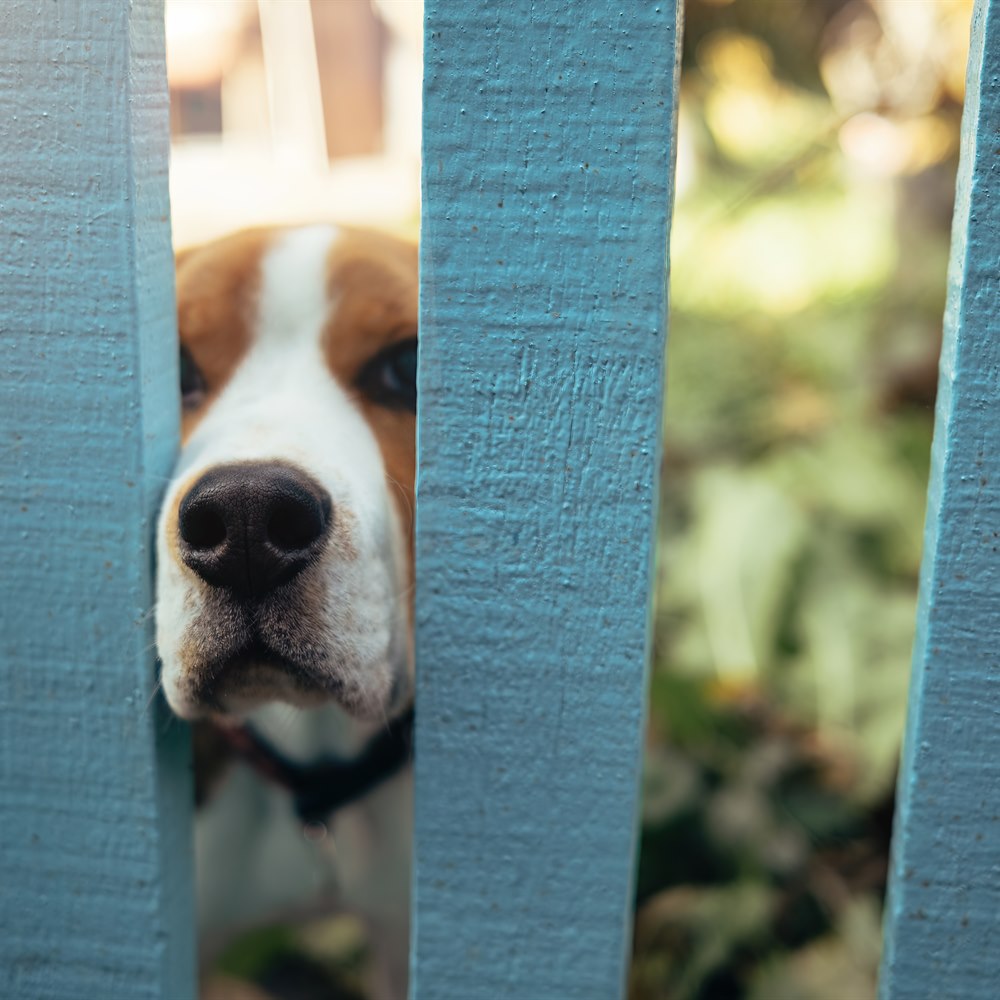
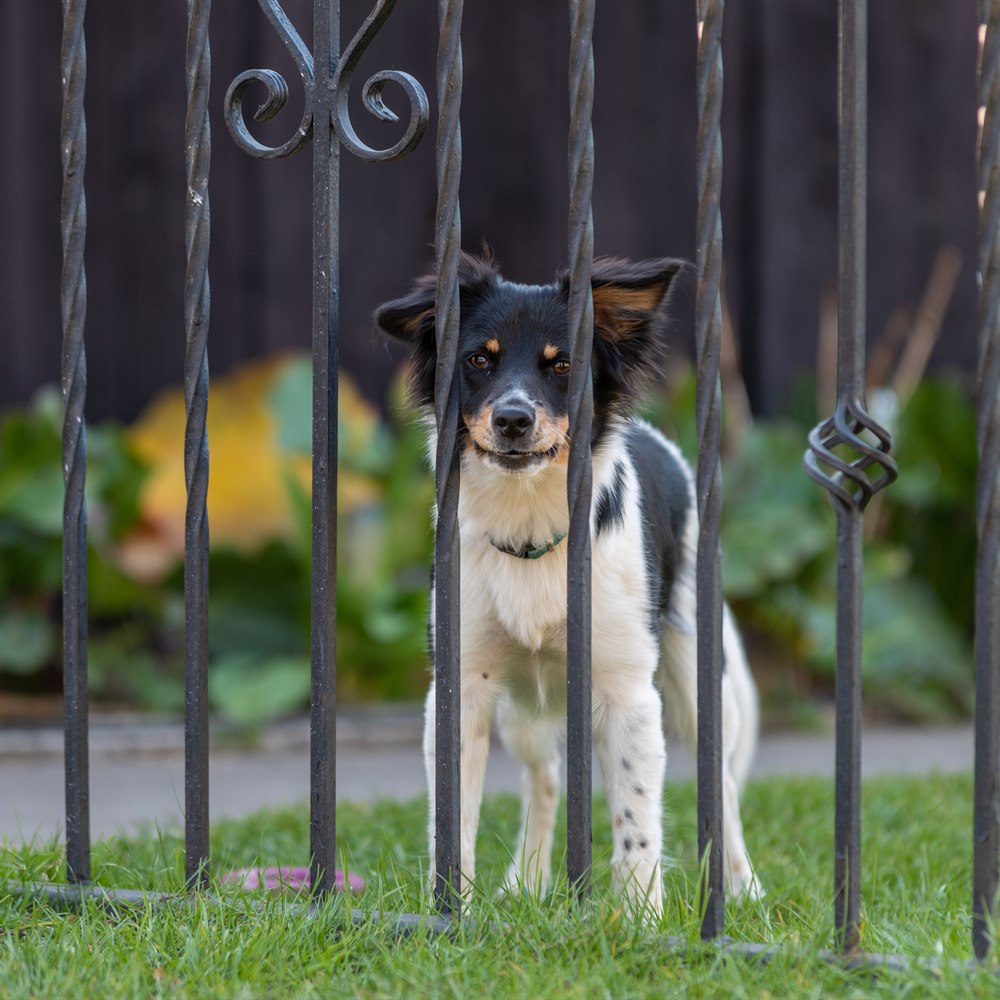
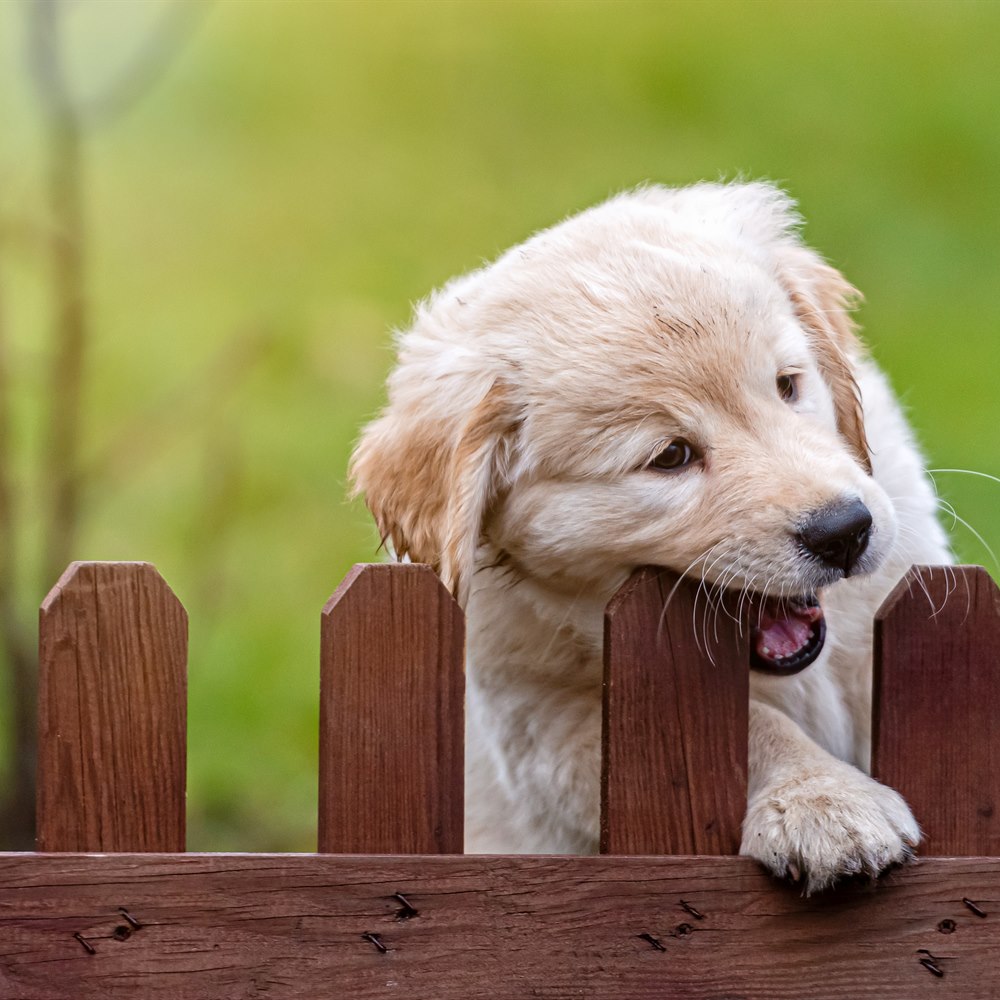
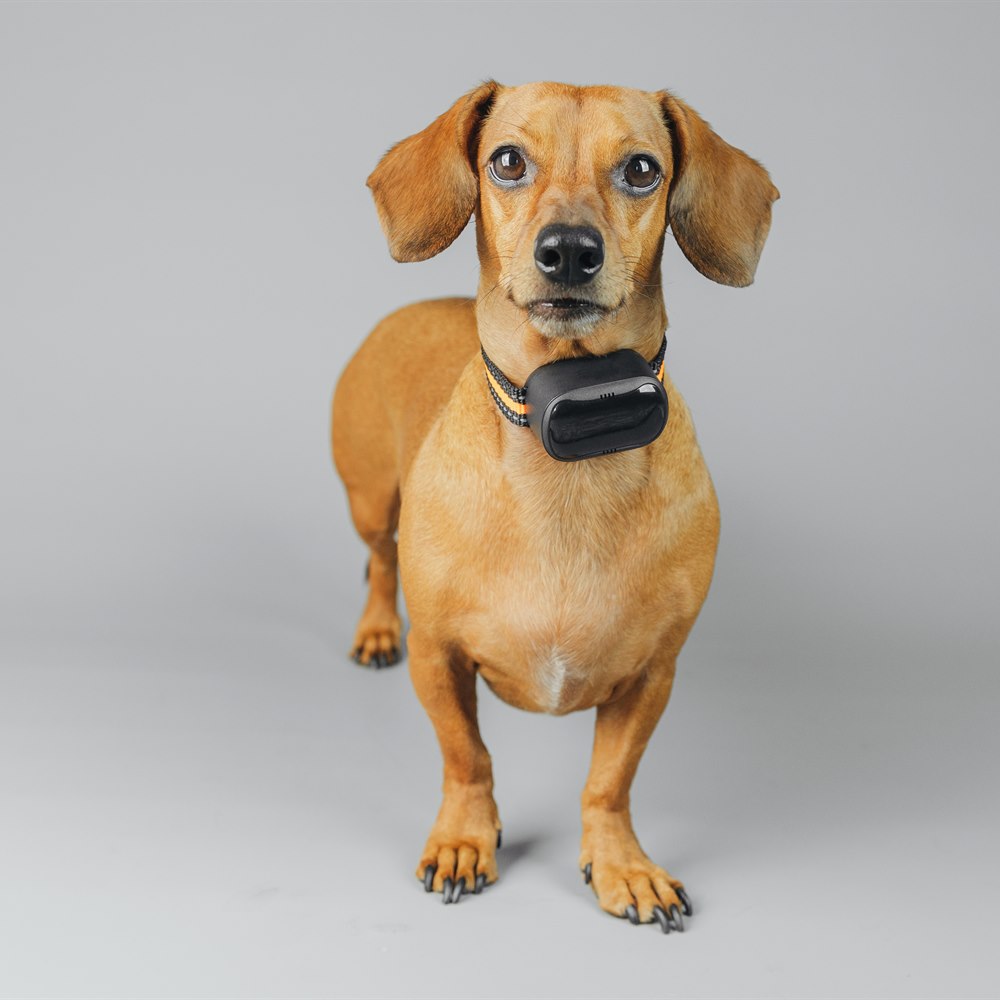
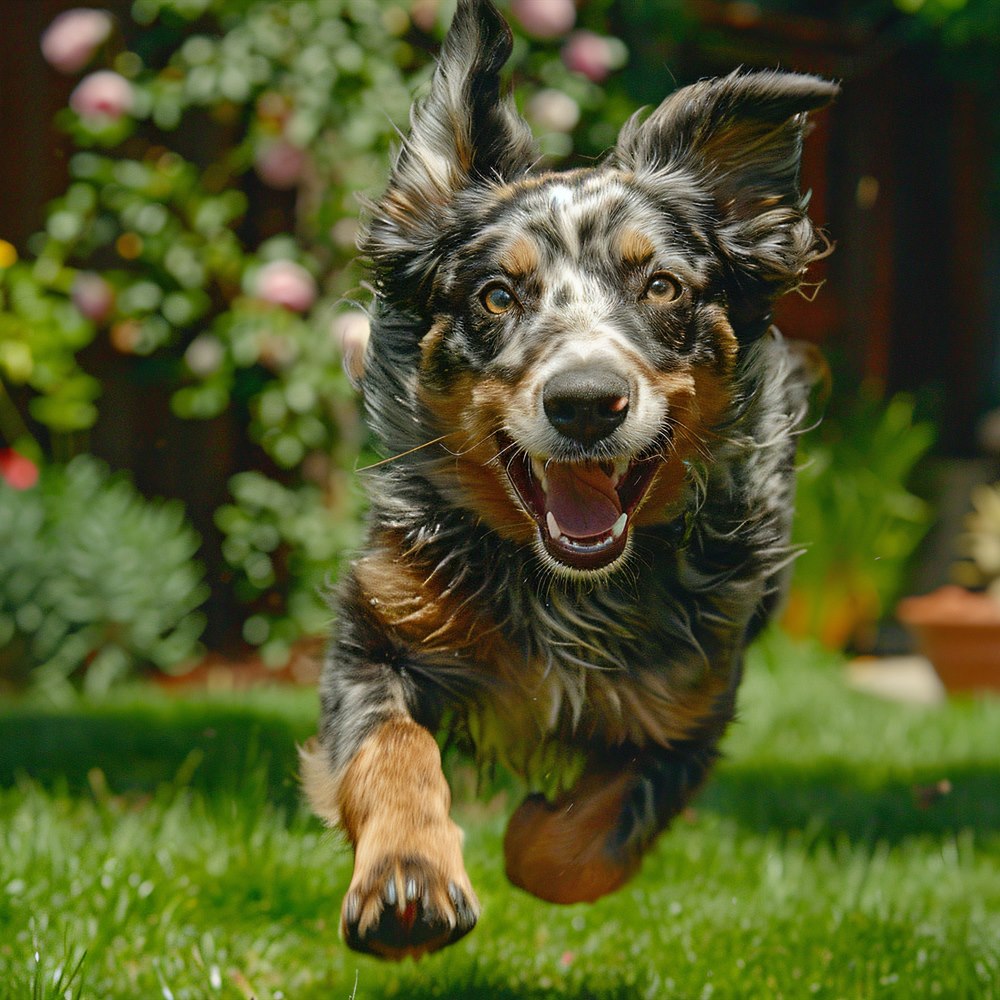
Keeping a pet safely contained gives you peace of mind and them freedom to enjoy the yard. Whether a traditional physical fence or an underground invisible fence with a training collar, the right system keeps pets in your yard and away from roads and neighbors.
A good installer helps you choose based on your pet, yard, and any HOA rules, then installs a physical fence to the right height or maps and buries an invisible system with proper training guidance. The best choice depends on your specific situation.
Abode connects you with local pet fence pros. Compare specialists, understand the cost, and keep your pets safe.
Did You Know?
An invisible fence can cost a fraction of a physical fence while preserving open sightlines, though it relies on consistent training to keep a pet reliably contained.
Pet Fences, Invisible Fences Cost. How Much Do Projects Cost?
Most projects run between $1,500 and $3,500. The average price is typically around $2,300. The $1,500 to $3,500 summary is a professionally installed underground containment system - buried wire, transmitter, collar, and training - for one dog on up to about an acre; a DIY kit is a different purchase at $165 to $285 plus wire that you install yourself. A physical dog fence is an unrelated product at $15 to $60 per linear foot installed, or $3,000 to $12,000 and up to enclose a yard, so those rows sit outside the summary range.
Typical duration: A few hours to 2 days
| Cost Factor | Typical Range | Notes |
|---|---|---|
| Invisible fence, professionally installed | $1,500-$3,500 | An electronic containment system: buried boundary wire, transmitter, collar, and training for one dog on up to about an acre |
| Invisible fence, DIY kit | $165-$285 | The same electronic product as a manufacturer kit; you map and bury the wire yourself |
| Physical fence (per linear ft installed) | $15-$60 per linear ft installed | A built barrier, unrelated to the electronic system: chain link at the low end, vinyl and aluminum at the top |
| Physical fence, installed total | $3,000-$12,000+ | $3,000-$6,500 encloses an average 150-foot yard, $5,000-$12,000+ a large yard of 200 linear feet or more |
Cost data verified August 25, 2026. How we source cost data.
08/25/2026
Signs You Need Pet Fences, Invisible Fences
- A pet that roams or escapes the yard
- Wanting to give a pet safe yard freedom
- A busy road or neighbors nearby
- An unfenced or partially fenced yard
- Peace of mind about pet safety
Is It Right For You?
Who It's For
- Pet owners wanting safe containment
- Anyone giving a pet freedom in the yard
Who It's Not For
- Yards already securely fenced
- Pets that can't be safely trained to an invisible system
What to Watch Out For
They rely on consistent training to be effective
Full physical enclosure of a large yard is pricier
Alternatives to Consider
| Alternative | Better When | Worse When |
|---|---|---|
| Invisible over physical | Much cheaper | Requires training and doesn't keep other animals out |
| Tie-out or run | Cheapest | Limited freedom and not ideal long-term |
Is It Worth It?
A pet fence is worth it for the safety and freedom it provides, with invisible systems keeping costs low and physical fences offering full containment.
Questions to Ask Your Pro
- Is an invisible or physical fence better for my pet and yard?
- Does the invisible system include training?
- What height and material keep my pet contained?
Frequently Asked Questions
A professionally installed invisible fence runs $1,500 to $3,500, around $2,300 on average, while a DIY kit is $165 to $285 plus wire. A physical fence is a separate product at $15 to $60 per linear foot installed, or $3,000 to $12,000 and up to enclose a yard.
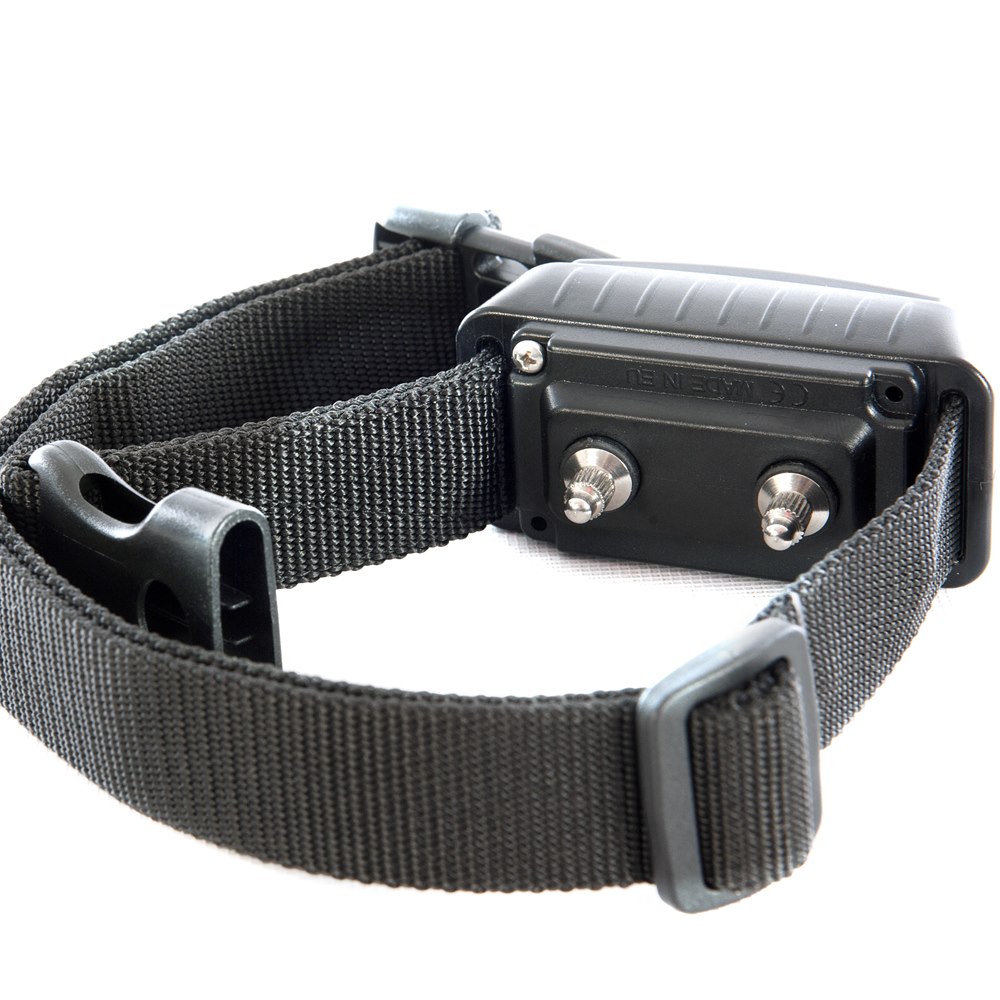
An invisible fence uses an underground wire and training collar to keep pets in, while a physical fence is a visible barrier that also keeps other animals out.
It can be, but it relies on consistent training and works best for pets that respond to the training collar's cues.
For an invisible system, the containment area, the number of dogs, and whether a pro installs it or you do. For a physical fence, the perimeter length, the material, and terrain.
It depends on your pet, yard, budget, and any HOA rules, and a pro can help you weigh invisible versus physical options.