How Do You Maintain a Pet Fence?
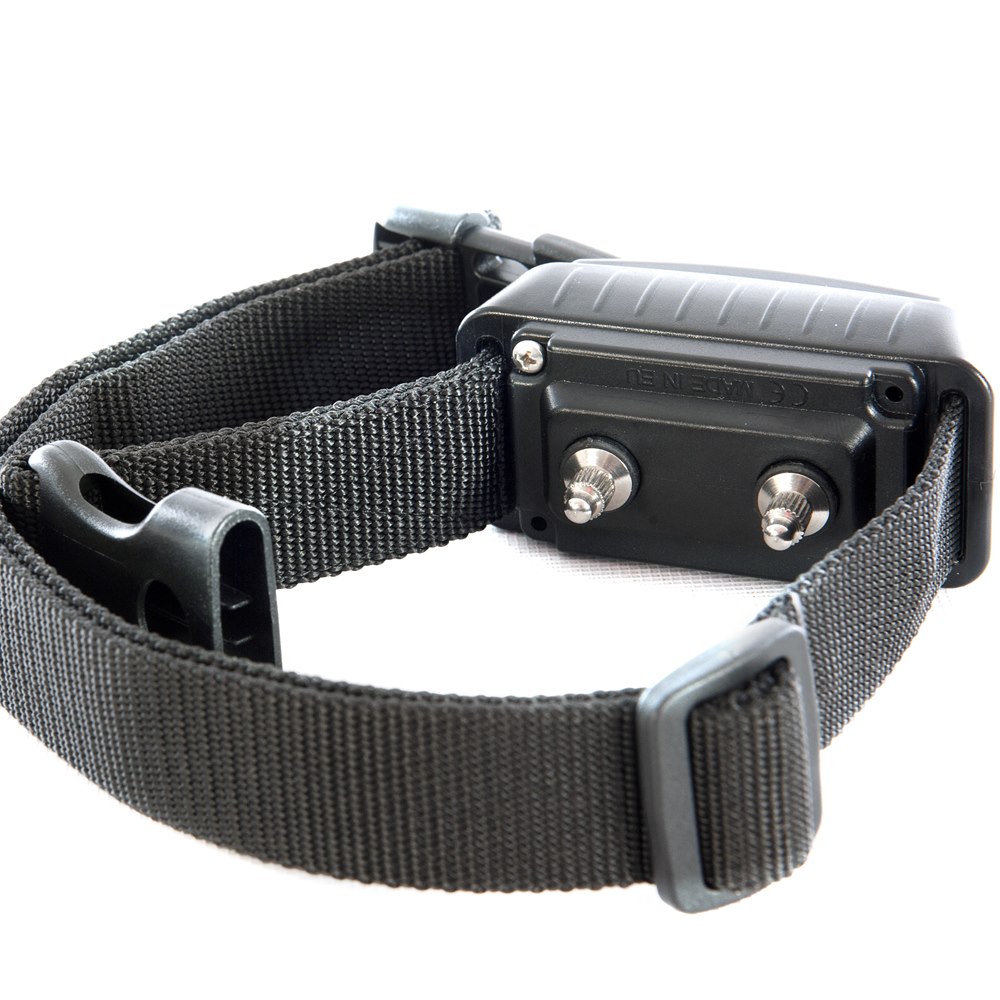
Inspect posts and boards annually, and test the gate’s self-closing hardware and the invisible fence collar monthly. Lubricate hinges and latches once a year, and re-test the boundary wire after any lawn aeration. A pet fence is a safety system — its failure means the dog is loose — and consistent maintenance prevents the most common failure modes.
Physical Fence: Annual Post and Board Inspection
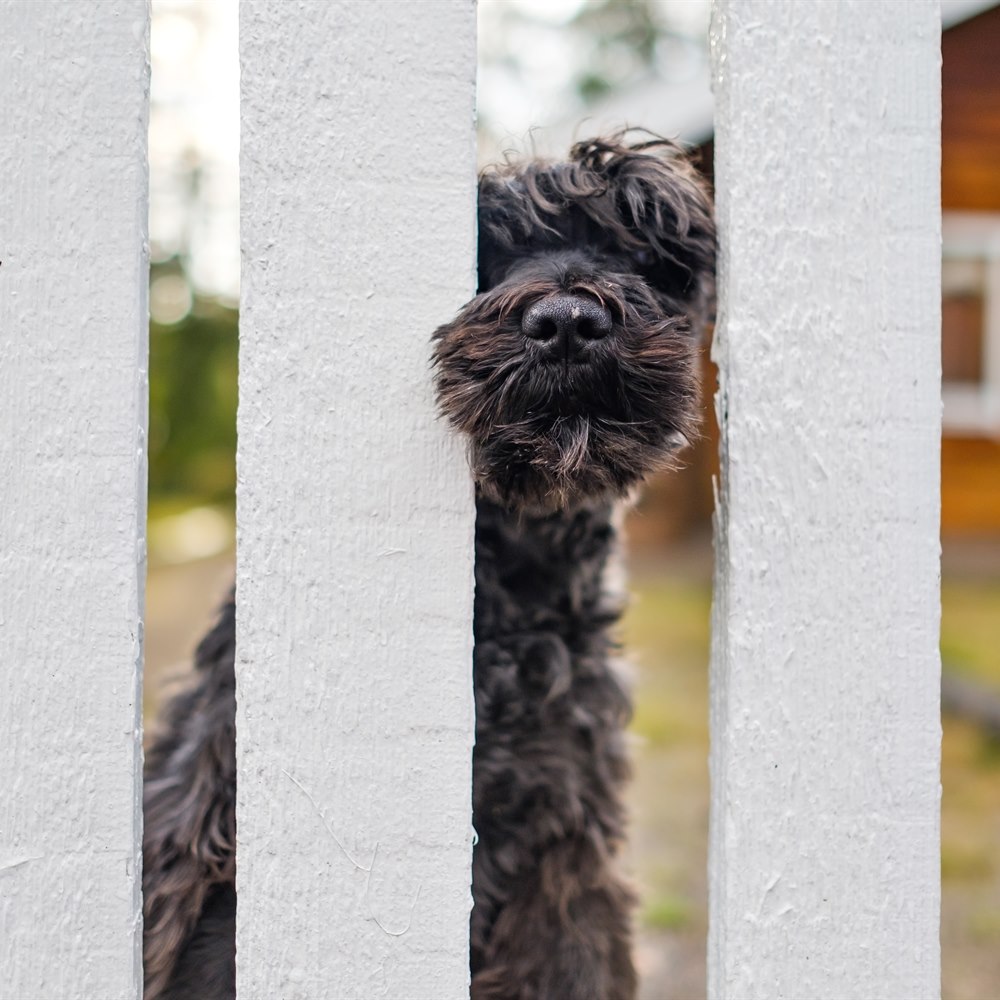
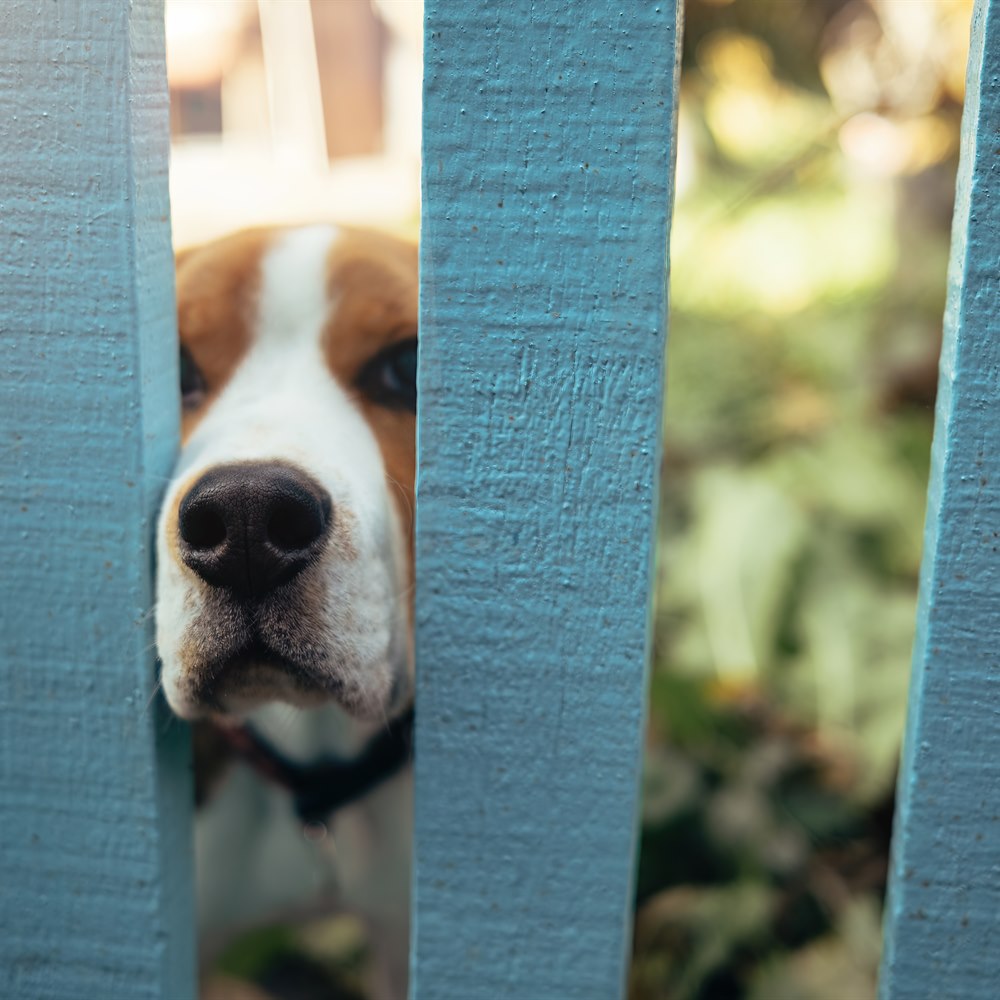
Inspect each post annually for signs of rot or instability. Probe the in-ground base with a screwdriver — soft spots indicate rot. A post that feels loose when pushed should be reinforced with a sister post or replaced. For wood fences: inspect all boards for significant splitting, splintering, or rot. Replace any boards with significant damage immediately. A dog can feel a compromised board and may target it for escape.
Gate Hardware: Monthly Lubrication and Adjustment
Gate hinges and latches should be lubricated annually with silicone spray or graphite powder. Self-closing spring closers lose tension over time — test monthly by opening the gate, releasing it, and confirming it closes and latches completely. Adjust the spring tension per the manufacturer’s instructions or replace the spring when it no longer closes reliably. A gate that does not fully close and latch is the highest-risk element of a pet fence. (For more on this, see Hidden Costs of Pet Fence Installation.)
Invisible Fence: Battery and Wire Maintenance
Test the collar receiver monthly — most systems include a test light that confirms the collar is receiving the signal. Replace the battery when the test indicator shows low power. After lawn aeration: always test the boundary signal at the full perimeter before returning the dog to the yard — aeration tines can cut the wire without the homeowner noticing.
Working With a Contractor on This Project
Getting the right outcome on any home services project starts before the work begins. A few consistent practices make the difference between a smooth project and a frustrating one.
Get at least two or three quotes. A single quote gives you no basis for comparison. Two or three quotes reveal the market rate for the work, expose scope differences between bidders, and let you assess contractor communication quality before any commitment is made. The lowest bid is not automatically the best value if the scope is thin or the materials are underspecified.
Ask for licenses and insurance before work starts. Verify current general liability insurance and, for any work involving workers on your property, workers compensation coverage. Licensing requirements vary by state and trade; confirm the specific requirements in your jurisdiction. A licensed contractor who carries appropriate insurance protects both parties if something goes wrong during the project. (For more on this, see Questions to Ask Before Installing a Pet Fence.)
Get the scope in writing. A written proposal that specifies materials, labor scope, timeline, what is included (permits, cleanup, disposal), and warranty terms is the foundation of a professional engagement. Verbal agreements on any of these points invite misunderstanding. For any project over $500, written scope is non-negotiable.
Clarify the payment schedule upfront. A reasonable payment schedule ties major payments to project milestones: a deposit at signing, a payment at material delivery or project start, and a final payment at completion after a walkthrough confirms satisfaction. A contractor who requires full payment upfront before work begins is a red flag in any trade.
Making a Confident Decision
The information in this article is designed to help you ask better questions of the professionals you work with, evaluate their answers with more confidence, and understand the decisions involved in this type of home services project. It is not a substitute for professional assessment of your specific home.
Every home is different. Roof slopes, local weather, tree exposure, soil conditions, and existing system condition all affect what the right solution is for your specific situation. The general principles here apply broadly, but a professional who assesses your home in person will give you guidance that accounts for the details that general articles cannot.
When you are ready to move forward, getting at least two or three quotes from licensed, insured, local contractors is the most important practical step. It lets you compare approaches, assess contractor quality, and confirm that the solution proposed matches your specific situation and budget.
Pet Fence Cost at a Glance
| Cost Factor | Typical Range | Notes |
|---|---|---|
| Invisible fence, professionally installed | $1,500 to $3,500 | — an electronic containment system: buried boundary wire, transmitter, collar, and training for one dog on up to about an acre, averaging $2,300 |
| Invisible fence, DIY kit | $165 to $285 | — the same electronic product as a manufacturer kit; you map and bury the wire yourself |
| Physical fence (per linear foot) | $15 to $60 per linear foot | — a built barrier, unrelated to the electronic system: chain-link at the low end, vinyl and aluminum at the top |
| Physical fence, installed total | $3,000 to $12,000 | + — $3,000 to $6,500 encloses an average 150-foot yard, $5,000 to $12,000+ a large yard of 200 linear feet or more |
Cost figures on this page were checked against published pricing on August 25, 2026. How we source cost data.