Which Patio Material Should You Choose?
The three main patio materials, concrete, pavers, and natural stone, differ in cost, appearance, durability, and maintenance, and choosing the right one is the biggest decision in a patio project. Each has strengths and trade-offs. Here’s how they compare so you can pick the material that fits your budget, taste, and needs.
Concrete: Economical and Versatile
Poured concrete ($8 to $22 per square foot) is the most economical option. It’s durable, low-maintenance, and versatile, it can be left plain or finished with stamping, coloring, or staining to mimic other materials. Its main drawbacks are that it can crack over time (especially with ground movement or freeze-thaw), and a crack in a slab is harder to repair invisibly than replacing a paver. Plain concrete is also less distinctive than pavers or stone. For a budget-friendly, functional, low-maintenance patio, concrete is a strong practical choice, particularly for larger areas where cost matters.
Pavers: The Popular Middle Ground
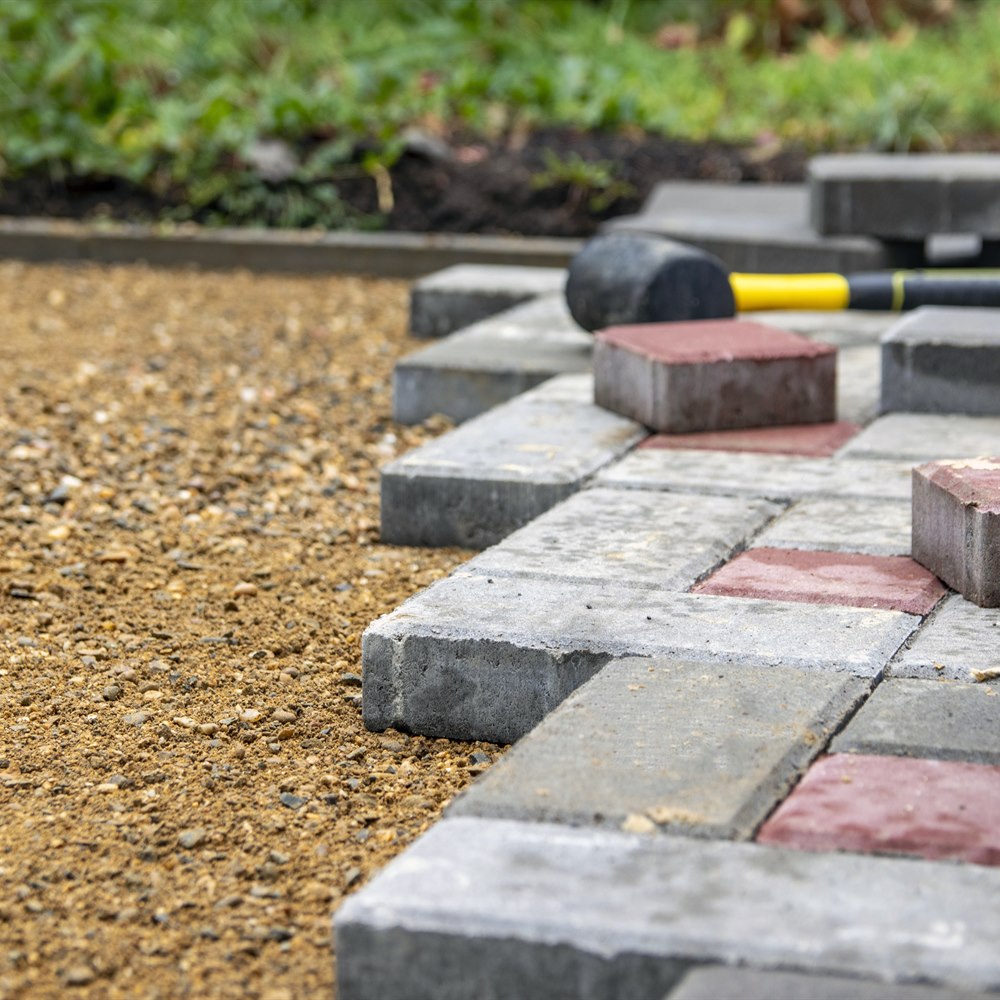
Pavers ($10 to $25 per square foot), individual units of concrete, brick, or stone, are a popular middle ground. They’re durable, attractive, and offer wide design flexibility (many colors, shapes, and patterns). A key advantage is that their interlocking, jointed installation resists cracking, and if a paver is damaged, it can be individually replaced, an easy repair. Pavers do have joints where weeds can grow and may need occasional maintenance (re-sanding joints, resealing), and they cost more than concrete. For a balance of appearance, durability, flexibility, and reasonable cost, pavers are a widely popular choice.
Natural Stone: Premium Appearance
Natural stone ($15 to $30 per square foot), such as flagstone, bluestone, or travertine, is the premium option. Its main appeal is a distinctive, high-end, natural appearance with variation that manufactured materials can’t fully match, and it’s durable and long-lasting. The trade-offs are the higher cost, both material and the skilled labor stone requires, and that some stones need sealing or specific maintenance. For homeowners who want the most upscale, natural look and are willing to pay for it, natural stone delivers a premium patio that manufactured materials can only imitate.
Comparing Cost
On cost, concrete is cheapest, pavers are mid-range, and natural stone is most expensive, a clear hierarchy. But consider long-term value, not just upfront cost: pavers’ easy individual repair and concrete’s crack-repair difficulty affect lifetime cost, and a durable material properly installed lasts longer. The cheapest option upfront isn’t always the best value over the patio’s life. Weighing the upfront cost against durability, maintenance, and repairability gives a fuller cost picture than the per-square-foot price alone, which matters for a long-lasting installation. (For more on this, see Concrete vs. Pavers vs. Natural Stone Patio: Which Is Right?.)
Comparing Looks and Maintenance
On appearance, plain concrete is the most utilitarian (though decorative finishes help), pavers offer wide design variety, and natural stone provides the most distinctive, upscale look. On maintenance, concrete is lowest (occasional sealing), pavers need occasional joint maintenance and resealing, and stone varies (some sealing). None is high-maintenance, but they differ. Your priorities, budget, appearance, durability, repairability, maintenance, point to the right material, since each excels in different areas and the “best” depends on what matters most to you.
Which Is Right for You?
Choose concrete for the most economical, low-maintenance, functional patio, especially for larger areas. Choose pavers for a strong balance of appearance, durability, design flexibility, and easy repair at a moderate cost. Choose natural stone for the most premium, distinctive appearance if your budget allows. There’s no universally best material, just the one that fits your budget, taste, and priorities. Being honest about what matters most, cost, looks, durability, or maintenance, points you to the right choice for your patio. (For more on this, see Best Patio Material: How to Choose for Your Home.)
Matching the Material to Your Climate and Home
Beyond the general trade-offs among concrete, pavers, and stone, two factors specific to your situation should shape your material choice: your climate and your home’s style. Climate matters because materials perform differently in different conditions. In areas with harsh freeze-thaw cycles, for instance, the way a material handles repeated freezing and thawing affects its longevity, poured concrete can be more prone to cracking under ground movement and freeze-thaw stress, while pavers’ jointed, flexible installation tends to accommodate movement better without cracking. In hot, sunny climates, how a material handles heat and how hot it gets underfoot can matter for comfort. Considering how each material performs in your specific climate helps you choose one that will hold up and remain enjoyable rather than deteriorating or becoming uncomfortable.
Your home’s architecture and your yard’s character are the other consideration, because the best material is one that harmonizes with its surroundings. Natural stone’s organic variation suits homes and landscapes with a natural, upscale, or traditional character; the clean lines of concrete complement modern or minimalist homes; and pavers’ versatility in color and pattern lets them match a wide range of styles. A material that fits your home’s look makes the patio feel intentional and integrated, an extension of the house, while one that clashes can look out of place no matter how well it’s installed. When weighing the materials, then, look past the general pros and cons to how each would actually perform in your climate and complement your specific home and yard. The material that’s “best” in the abstract may not be the best for your situation, and matching the choice to your climate and your home’s character is what ensures the patio both lasts and looks right in your particular setting, which is ultimately what makes a material choice successful. (For more on this, see What Makes a Patio Cost More (or Less)?.)
Making the Choice
Concrete, pavers, and natural stone each offer a different balance of cost, appearance, durability, and maintenance. Match the material to your budget and priorities, concrete for economy, pavers for balance, stone for premium looks. When you’re ready to plan your patio with the right material, connect with a local pro below.
Cost figures on this page were checked against published pricing on September 1, 2026. How we source cost data.
Frequently Asked Questions
There's no universally best material, it depends on your priorities. Concrete ($6-$15/sq ft) is most economical and low-maintenance; pavers ($10-$25) offer a balance of appearance, durability, flexibility, and easy repair; natural stone ($15-$30) provides the most premium, distinctive look. Choose based on what matters most to you: cost, appearance, durability, or maintenance.
They offer different trade-offs. Pavers cost more but are more attractive, offer wide design flexibility, resist cracking through their jointed installation, and allow individual damaged units to be replaced easily. Concrete is cheaper and low-maintenance but can crack over time, and a crack is harder to repair invisibly. Pavers are a popular middle ground; concrete is the budget-friendly, functional choice, especially for larger areas.
For homeowners who want the most upscale, distinctive appearance and can afford it, yes. Natural stone ($15-$30/sq ft) offers a high-end, natural look with variation manufactured materials can't fully match, and it's durable and long-lasting. The trade-offs are the higher cost, both material and skilled labor, and that some stones need sealing. It delivers a premium patio manufactured materials only imitate.
All three, concrete, pavers, and natural stone, are durable and long-lasting when properly installed, but they differ in how they age and repair. Concrete can crack (harder to fix invisibly), pavers resist cracking and allow easy individual replacement, and natural stone is durable but may need sealing. Proper installation and the right base matter as much as the material for longevity, so consider repairability alongside durability.
Concrete, at $6 to $15 per square foot, is the cheapest, followed by pavers ($10-$25) in the middle, and natural stone ($15-$30) as the most expensive. But consider long-term value, not just upfront cost: pavers' easy repair and concrete's crack-repair difficulty affect lifetime cost. The cheapest upfront isn't always the best value over the patio's life, so weigh durability and repairability too.