How Do You Choose the Best Invisible Dog Fence?
The best invisible dog fence system is one that effectively contains your specific dog, is installed reliably, and is backed by a meaningful training program. Here is how to identify it.
Confirm Your Dog Is a Candidate First
Before evaluating systems, confirm that an invisible fence is appropriate for your dog. Dogs with high prey drive who break through corrections to chase wildlife, dogs with a history of escaping physical fences, dogs with thick coats that reduce correction sensation, and anxious dogs who may injure themselves at the boundary are not good candidates regardless of the system’s quality. An honest assessment of your dog’s temperament with a trainer or veterinary behaviorist, if uncertain, is the most important step before committing to an invisible fence solution. (For more on this, see Invisible Dog Fence vs. Physical Fence: Which Is Right?.)
Established Brands Outperform Generic Systems
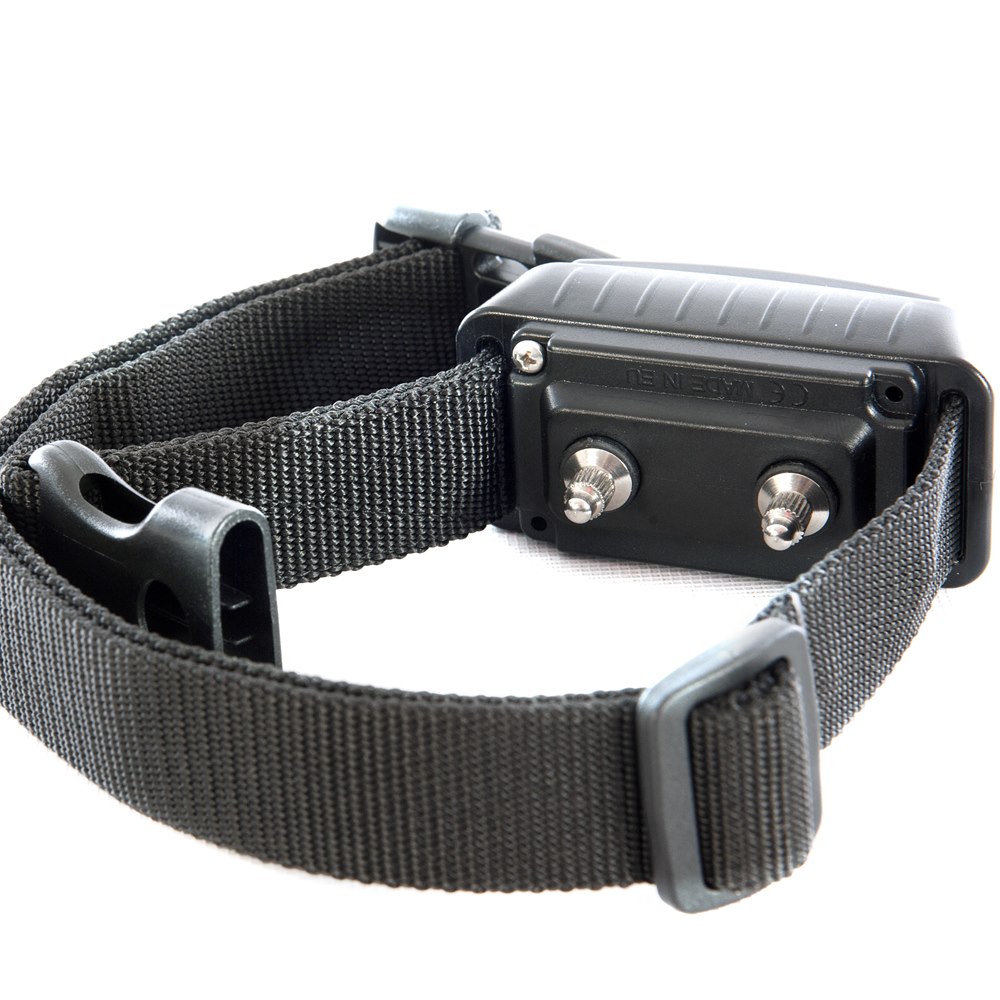
Invisible fence systems from established brands have been refined through years of field experience and feature design that generic or no-name systems lack. The collar receiver is the most critical component: it must be reliable enough to deliver consistent correction precisely at the boundary, not intermittently or at distance. Established systems have collar receivers with well-documented performance, rechargeable options that eliminate ongoing battery cost, and customer support that can diagnose problems. Generic systems from online marketplaces vary dramatically in quality and have limited support when components fail.
Rechargeable Collars Are Worth the Premium
Collar receivers that use rechargeable batteries eliminate the ongoing battery replacement cost and the risk of the system failing because the battery was not replaced. Over a dog’s lifetime, the battery cost difference is meaningful, and rechargeable collars are consistently rated more reliable than disposable-battery versions because battery state is visible and managed rather than unknown. For any system expected to be used for several years, a rechargeable collar is the right specification.
Professional Installation and Training Is Worth the Cost
The performance difference between a professionally installed and trained invisible fence and a DIY installation is primarily in the training, since the equipment is similar. Professional installers who actively support the training process produce more reliable containment outcomes than owners who self-manage an identical system. If the goal is confident, reliable containment, professional installation with active training support is the specification worth paying for. A DIY kit runs $165 to $285 while professional installation with training runs $1,500 to $3,500, and the reliability difference for dogs that weren’t easily trained is substantial.
Verify Coverage for Your Property Shape
Invisible fence systems work well on standard residential lots. Long, narrow lots, properties with significant hardscape in the boundary zone, lots with buried metal objects or utility lines that interfere with the signal, and lots with challenging topography may require special wire routing or additional equipment. Confirm with the installer that your specific property configuration is compatible with reliable system performance before purchase and installation. (For more on this, see How to Find the Best Pet Fence Installer.) Before any digging begins, call 811 — the free national before-you-dig service — to have underground utilities located and marked.
What the Transmitter Range Means for Larger Properties
Invisible fence transmitters emit a radio signal that the buried boundary wire carries around the property perimeter. The transmitter’s range rating is the relevant specification for larger properties: a transmitter with insufficient range produces a weak or inconsistent signal on long wire runs, reducing the reliability of the boundary correction at the collar. Most residential installations are well within standard transmitter range, but larger properties or those requiring unusual wire routing may need a higher-capacity transmitter or a multi-transmitter setup to maintain consistent signal strength around the full perimeter. Confirming that the proposed system’s transmitter capacity is adequate for your specific property’s perimeter before installation, rather than discovering signal problems after, is a specification check worth performing for any larger-than-average residential lot.
The invisible fence market rewards careful selection at the front end: a system matched to a confirmed-suitable dog, from an established brand, with professional installation and meaningful training support, produces reliable containment; a generic system self-installed without proper training produces an expensive noise-maker that the dog ignores within weeks.
Finding the Right System
Confirm the dog is a candidate, choose an established brand with a rechargeable collar, invest in professional installation and training, and verify property compatibility. When you are ready to connect with a qualified invisible fence installer, use the button below.
The right invisible fence system is the one matched to a confirmed-suitable dog, installed professionally with active training support, from an established brand with a rechargeable collar and a customer support structure that remains available through the system’s operating life.
The decision framework for pet containment is most reliable when it starts with the dog and works outward to the solution, since a fence that does not contain the specific dog provides no safety value regardless of its cost or quality, while a fence matched correctly to the dog and property provides years of reliable containment that more than justifies any investment in getting it right. (For more on this, see How to Budget and Pay for a Pet Fence.)
Cost figures on this page were checked against published pricing on August 25, 2026. How we source cost data.
Frequently Asked Questions
Confirm the dog is a suitable candidate (moderate drive, trainable, no escape history that suggests high drive). Choose an established brand with a rechargeable collar receiver. Invest in professional installation with active training support rather than self-managing the training. Verify the property configuration is compatible with reliable system performance.
Yes, meaningfully. Established brands have refined their collar receivers and system components through years of field experience. The collar receiver is the most critical component and must deliver consistent correction at the boundary reliably, not intermittently. Generic systems from online marketplaces vary dramatically in quality and have limited support when components fail.
They eliminate ongoing battery replacement cost, reduce the risk of system failure from a dead battery, and make battery state visible and managed rather than unknown. Over a dog's lifetime, the cost difference is meaningful. Rechargeable collars are consistently rated more reliable in use than disposable-battery versions.
Yes if reliable containment is the goal. The performance difference between professional and DIY installation is primarily in the training support. Professional installers who actively support training produce more reliable containment outcomes than owners who self-manage an identical system. The added cost — $1,500 to $3,500 installed versus $165 to $285 for a DIY kit — is worth the reliability for dogs that require more than self-managed training.
Not always. Long, narrow lots, properties with significant hardscape in the boundary zone, buried metal, or utility line interference may require special wire routing or additional equipment. Significant topography can affect signal consistency. Confirm with the installer that your property configuration is compatible before purchase and installation.