How Long Does Pet Fence Installation Take?
Pet fence installation takes from a few hours to 2 days, depending on whether the solution is an invisible underground fence system or a physical fence and on property size and conditions. Here’s what to expect.
Invisible Fence System: 2 to 4 Hours
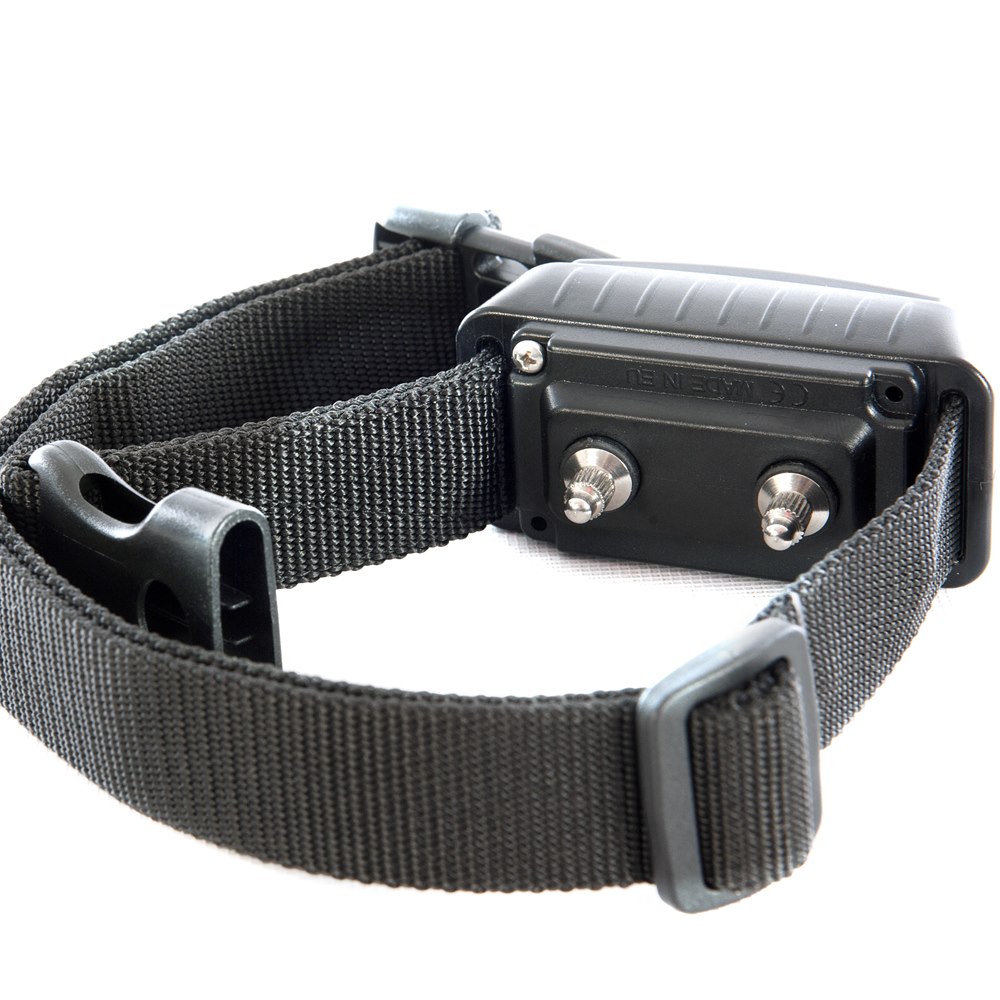
Professional installation of an invisible fence system, including wire burial around the property perimeter, transmitter mounting, and collar programming, typically takes 2 to 4 hours for a standard residential property. The wire is buried using a lawn edger or slit trencher along the perimeter, and the transmitter is mounted in a dry indoor location near an outlet. After installation, the training process begins, which takes one to two weeks of owner participation rather than contractor time. The training is not counted in the installation timeline but is essential to the system working. Before any digging begins, call 811 — the free national before-you-dig service — to have underground utilities located and marked.
Physical Fence: 1 to 2 Days
Most residential physical fence installations complete in 1 to 2 days. A straightforward fence enclosure on flat ground with good soil takes a professional crew one day. A longer perimeter, multiple gates, sloped terrain, rocky soil, or difficult post-setting conditions takes closer to two days. Very long fence runs on difficult terrain may take longer. The primary variables are perimeter length and site conditions.
What Extends Physical Fence Installation Time
Rocky or clay soil that slows post setting is the most common cause of extended installation. Each post in difficult soil requires more time, and a fence with many posts compounds this. Sloped terrain requiring stepped or racked installation requires planning and adjustment at each post location. Multiple gates and their hardware installation add time. Very long perimeters scale time proportionally. Permit inspection requirements, where the fence must be inspected before panels are installed or before the project is complete, add scheduling dependencies. (For more on this, see Common Pet Fence Mistakes to Avoid.)
What Extends Invisible Fence Installation Time
Larger properties with long perimeter wire runs take longer to complete. Properties with hardscape areas where the wire must be routed along the perimeter of the hardscape rather than buried across it add installation time. Any buried utility lines that must be avoided around the perimeter slow the burial process. Signal interference from certain building materials (some concrete and masonry types) may require adjustments to the wire routing that add time.
Planning the Training Period
For invisible fences, the installation itself is completed in a single session, but the dog is not fully contained until training is complete over the following one to two weeks. During this period, supervised outdoor time with the boundary flags in place is required. Planning for this training period, not just the installation day, is what makes the transition to using the fence system successful. Scheduling the installation on a day when the owner can begin the training program immediately rather than waiting a week improves training outcomes. (For more on this, see Invisible Fence vs. Physical Fence: Which Is Right for Your Dog?.)
Scheduling the Training Period for Invisible Fences
For invisible fence installations, scheduling the installation at the right time in the calendar is as important as the installation itself. The two-week training period requires consistent owner participation across multiple daily sessions, which means scheduling the installation during a period when the homeowner has reliable time available each day rather than during travel, work crunch, or other high-demand periods. Training sessions that are inconsistent, abbreviated, or skipped because the owner’s schedule doesn’t support them produce unreliable boundary learning in the dog, and the system’s containment reliability correlates directly with how completely the training protocol was executed. Treating the training period as an integral part of the fence project, not as an afterthought to the installation, is the discipline that produces a successfully contained dog.
Building the training period timeline into the overall project schedule from the beginning, rather than treating it as a separate owner responsibility that starts after the installer leaves, is the discipline that produces a successfully contained dog rather than a partially trained one who tests the boundary at the first high-arousal opportunity.
Setting Expectations
Plan for 2 to 4 hours for invisible fence installation plus two weeks of training, and 1 to 2 days for physical fence installation. When you’re ready to schedule, connect with a local pro below.
The installation timeline is the shorter and simpler part of the pet containment project; the more consequential timeline is the training period that follows for invisible fences and the post-installation observation period for physical fences during which the dog’s response to the new boundary reveals whether the solution is working as intended.
The decision framework for pet containment is most reliable when it starts with the dog and works outward to the solution, since a fence that does not contain the specific dog provides no safety value regardless of its cost or quality, while a fence matched correctly to the dog and property provides years of reliable containment that more than justifies any investment in getting it right. (For more on this, see What Affects the Cost of a Pet Fence?.)
Frequently Asked Questions
2 to 4 hours for an invisible underground fence system. 1 to 2 days for a physical fence enclosure, with variation based on perimeter length, terrain, soil conditions, and gate count. Invisible fence training takes an additional one to two weeks of owner participation after installation is complete.
Installation (wire burial, transmitter, collar programming) takes 2 to 4 hours. The training program begins after installation and takes one to two weeks of owner participation with boundary flags. The dog is not reliably contained until training is complete. Scheduling installation when the owner can begin training immediately improves outcomes.
Physical fence installation: 1 to 2 days. Invisible fence installation: 2 to 4 hours, but with a two-week training period following. The physical fence takes more contractor time; the invisible fence takes more owner time for training.
Rocky or clay soil that slows post setting, sloped terrain requiring stepped or racked installation, multiple gates and their hardware, long perimeters compounding all site conditions, and permit inspection requirements that add scheduling dependencies. Soil condition is the most common cause of extended installation in otherwise straightforward projects.
Yes for both types. An invisible fence installs in 2 to 4 hours. A straightforward physical fence on flat ground with good soil completes in a single day for a professional crew. Difficult terrain or long perimeters push physical fence installation into a second day.