How Long Does Interior Painting Take?
Most interior painting jobs take 1 to 4 days, though the exact timeline depends on the scope (number of rooms and elements), the prep required, the room complexity, and drying time between coats. Understanding the timeline and the stages involved helps you plan around the disruption. Here’s what to expect and what affects how long your painting project takes.
The Typical Range: 1 to 4 Days
A typical interior painting job takes one to four days. A single room with sound walls can often be done in a day, while multiple rooms, a whole house, extensive prep, or lots of trim and detail work takes several days. This range covers prep, priming, painting the coats, and cleanup. Most residential painting projects fall within this window, though whole-house repaints or jobs with significant repair can extend it. The scope and the prep required are the biggest factors in where your project lands in this range. (For more on this, see Hidden Costs of Interior Painting.)
Preparation
The first phase is preparation, which can be quick or extensive depending on your walls. Prep includes cleaning, patching holes and cracks, sanding, filling, caulking, priming where needed, and repairing damaged surfaces, plus protecting the space (covering floors and furniture, taping). On sound walls, prep is relatively quick, while walls needing significant repair take much longer. Because a quality paint job depends on proper prep, this phase is essential and shouldn’t be rushed. On rooms with poor walls, prep can be a substantial part of the total time, sometimes as long as the painting itself.
Priming
Priming, where needed, adds time. New surfaces, bare walls, dramatic color changes (especially covering dark colors), and stain coverage require a primer coat before the finish coats, adding a step and drying time. Not every job needs priming, but where it’s required, it adds to the timeline. The primer must also dry before the finish coats can go on. Understanding that priming, when needed, is an additional step with its own application and drying time helps you account for it in the timeline, particularly for color changes and new or stained surfaces.
Painting the Coats
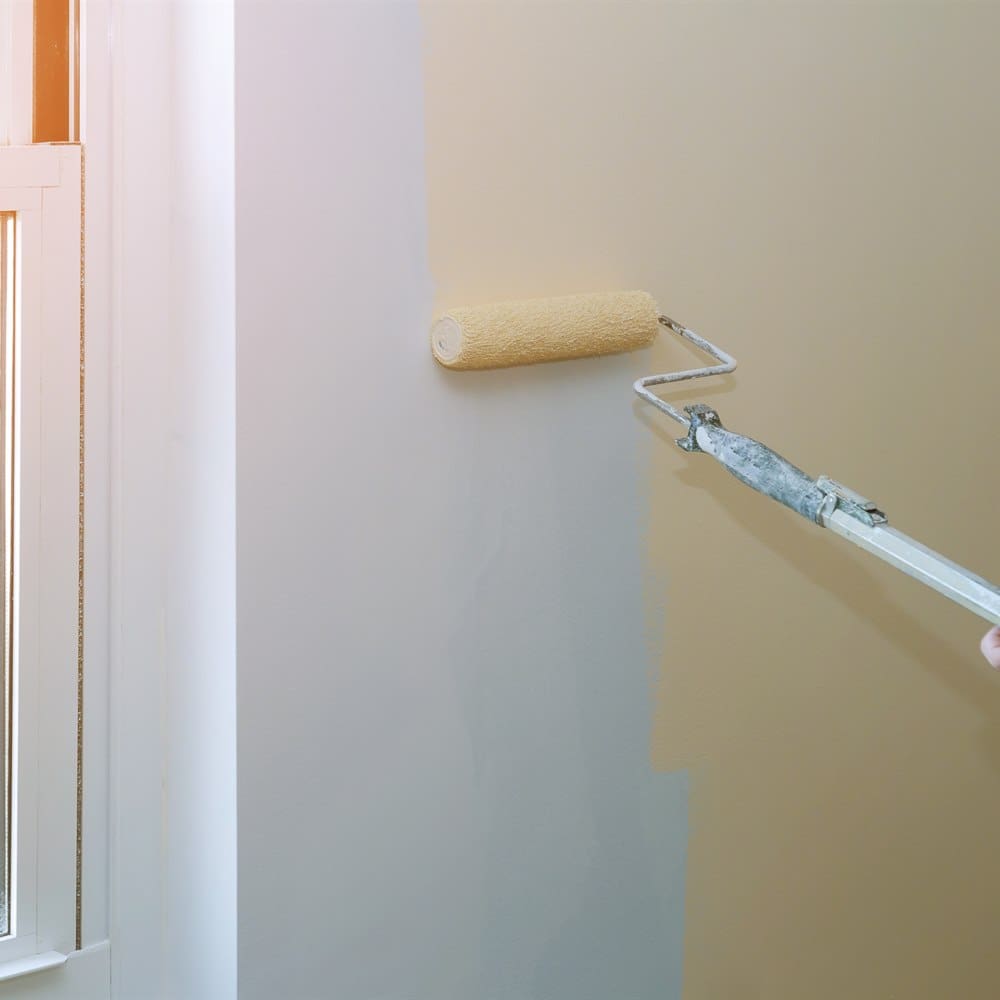
Then comes the actual painting, applying the finish coats, usually two (more for dramatic color changes). This is the core phase, and its duration depends on the area, the room complexity (trim and detail take longer), and the number of coats. Each coat takes time to apply, and coats must dry before the next goes on. Cutting in around trim, painting detailed woodwork, and doing trim, doors, and ceilings all add time. The painting phase, including the multiple coats and the drying between them, is the heart of the job, and its length reflects the scope and complexity. (For more on this, see What Makes Interior Painting Cost More (or Less)?.)
Drying Time Between Coats
Drying time between coats is a factor that extends the timeline. Paint must dry adequately between coats, and rushing this causes problems, so proper drying time is built into the schedule. The drying time varies with the paint, humidity, and conditions. This means a two-coat job isn’t just the painting time but the painting plus the drying time between coats, which can add hours or more. Understanding that drying time between coats is a necessary part of the timeline, not just the active painting, helps you set realistic expectations for when the job will be complete.
What Can Affect the Timeline
Several factors can lengthen a painting job. More rooms or a whole house takes longer. Extensive prep and wall repair adds significant time. High ceilings, extensive trim, and detailed work slow the painting. Priming (where needed) adds a step. Dramatic color changes requiring extra coats add time. And drying conditions (high humidity slows drying) affect it. Because these vary, the 1-to-4-day range is typical but not universal, especially for whole-house jobs or extensive repair. A good painter gives you a realistic timeline based on your specific project’s scope and condition.
Planning Around the Disruption of a Painting Project
Beyond knowing how many days a painting project takes, it helps to plan around the disruption it creates in your home, since painting temporarily affects the rooms being worked on and, for larger projects, can impact your daily life. During painting, the rooms being worked on need to be cleared or have furniture moved to the center and covered, and they’re unusable while wet, with the paint smell and the presence of the painter and materials adding to the disruption. For a single room, this is a modest, contained inconvenience, but for a whole-house repaint, the disruption is more significant, potentially affecting much of your living space over several days. Understanding upfront that the project will temporarily disrupt the affected rooms helps you plan, arranging furniture, setting up alternative spaces, and scheduling the work for a convenient time.
Several practical aspects of painting particularly affect planning. Furniture must be moved and covered, so you’ll need to clear the rooms or have the painter do so (possibly at added cost), and plan for that furniture being out of place during the work. The paint smell, while modern low-VOC paints have reduced it, can still be a consideration, especially if you’re sensitive or if rooms need ventilation, and you may want to ensure good airflow or plan to be away during the strongest smell. For occupied homes, coordinating which rooms are painted when, so you always have usable space, and planning around bedrooms being painted (alternative sleeping arrangements for a night) helps. And the drying time means rooms aren’t immediately usable after painting, so factor in when spaces will be ready. Thinking through these practical impacts, which rooms will be affected, for how long, and how you’ll manage, lets you approach the project prepared rather than caught off guard. A good painter can tell you the expected timeline and how they’ll sequence the work to minimize disruption, and asking about it upfront, how they’ll protect and sequence the rooms, and when spaces will be usable, lets you plan effectively. Understanding not just the duration but the disruption of a painting project, and planning around it, ensures the project, while temporarily inconvenient, goes smoothly and delivers your freshly painted rooms with minimal stress on your household. In homes built before 1978, the EPA’s Lead Renovation, Repair and Painting rule requires anyone paid to disturb painted surfaces to be certified in lead-safe practices.
Planning Around the Timeline
Expect most interior painting to take 1 to 4 days, through prep, priming, painting the coats, and cleanup, with the scope, prep required, room complexity, and drying time affecting it. Understanding the stages helps you set realistic expectations and plan around the disruption. When you’re ready to plan your painting project, connect with a local pro below. (For more on this, see How to Budget and Pay for Interior Painting.)
Frequently Asked Questions
Most jobs take 1 to 4 days, depending on the scope (rooms and elements), the prep required, room complexity, and drying time between coats. A single room with sound walls can often be done in a day, while multiple rooms, a whole house, extensive prep, or lots of trim and detail takes several days. The range covers prep, priming, painting the coats, and cleanup.
Preparation (cleaning, patching, sanding, priming where needed, repairing, and protecting the space), priming (where required, for new surfaces, color changes, or stains), painting the finish coats (usually two, more for color changes), and drying time between coats. Each stage takes time proportional to the scope, the prep required, and the room complexity, with prep and painting being the main phases.
Because prep, cleaning, patching holes and cracks, sanding, filling, caulking, priming, and repairing damaged surfaces, can be quick on sound walls but extensive on walls needing significant repair. Because a quality paint job depends on proper prep, this phase is essential and shouldn't be rushed. On rooms with poor walls, prep can be a substantial part of the total time, sometimes as long as the painting itself, extending the timeline.
Yes, and it extends the timeline. Paint must dry adequately between coats, and rushing this causes problems, so proper drying time is built into the schedule, varying with the paint, humidity, and conditions. A two-coat job isn't just the painting time but the painting plus the drying between coats, which can add hours or more. Understanding that drying time is a necessary part of the timeline helps set realistic expectations for completion.
More rooms or a whole house, extensive prep and wall repair (which adds significant time), high ceilings and extensive trim or detailed work, priming where needed (an added step), dramatic color changes requiring extra coats, and drying conditions (high humidity slows drying). Because these vary, the 1-to-4-day range is typical but not universal, especially for whole-house jobs or extensive repair, so a good painter gives a realistic estimate.