What Goes Wrong With Furnace Installations?
A new furnace is a major investment, and because furnace installation involves combustion, venting, gas, and airflow, installation quality determines not just performance but safety. Mistakes can leave a good unit heating poorly, running inefficiently, failing early, or operating unsafely. Avoiding the common ones protects both your investment and your household. Here’s what goes wrong and how to avoid it.
Mistake: Improper Sizing
How to avoid it: Installing an improperly sized furnace, usually oversized, causes short-cycling, temperature swings, wasted fuel, uneven heating, and accelerated wear on the heat exchanger. Avoid it by insisting on a heating load calculation based on your home’s insulation, windows, air sealing, square footage, and climate, rather than a square-footage rule of thumb or simply matching the old unit’s capacity. Because the old furnace may itself have been oversized and because home improvements reduce heat loss, matching the nameplate perpetuates errors. Choose an installer who calculates and can explain the result.
Mistake: Improper or Shortcut Venting
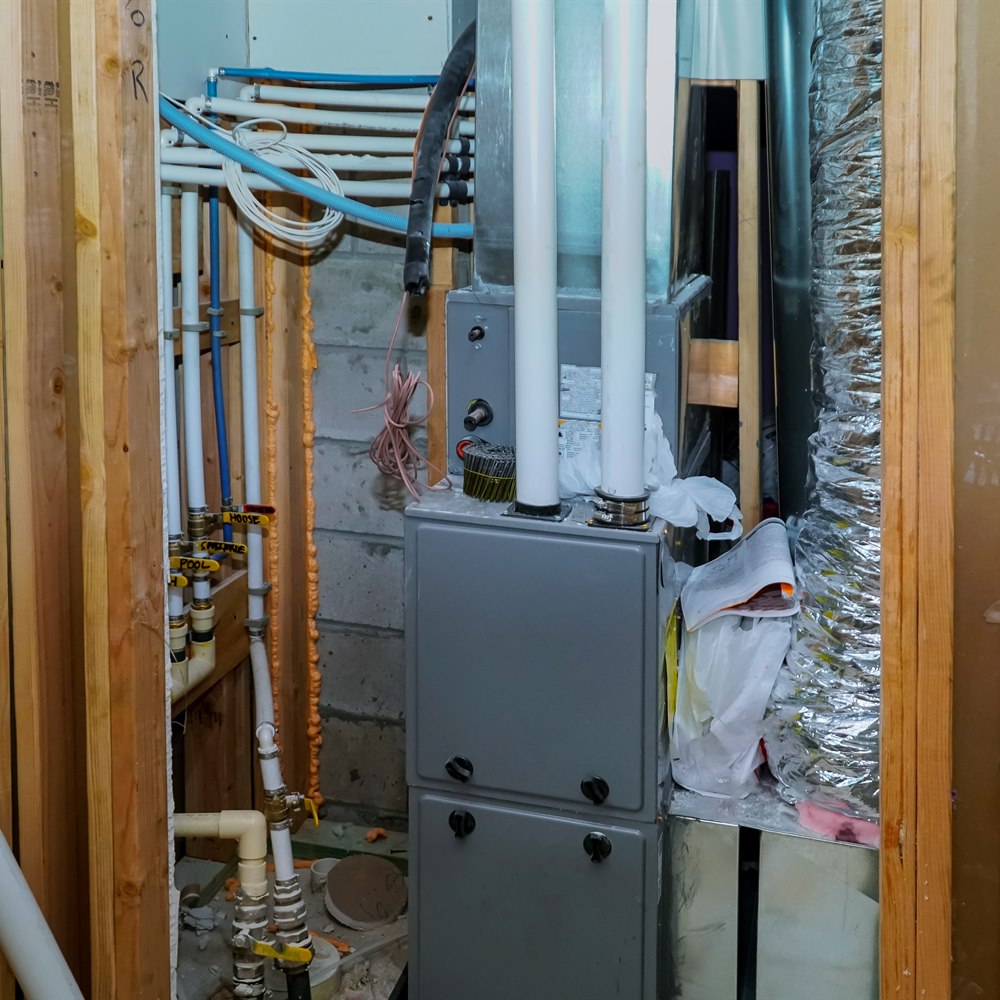
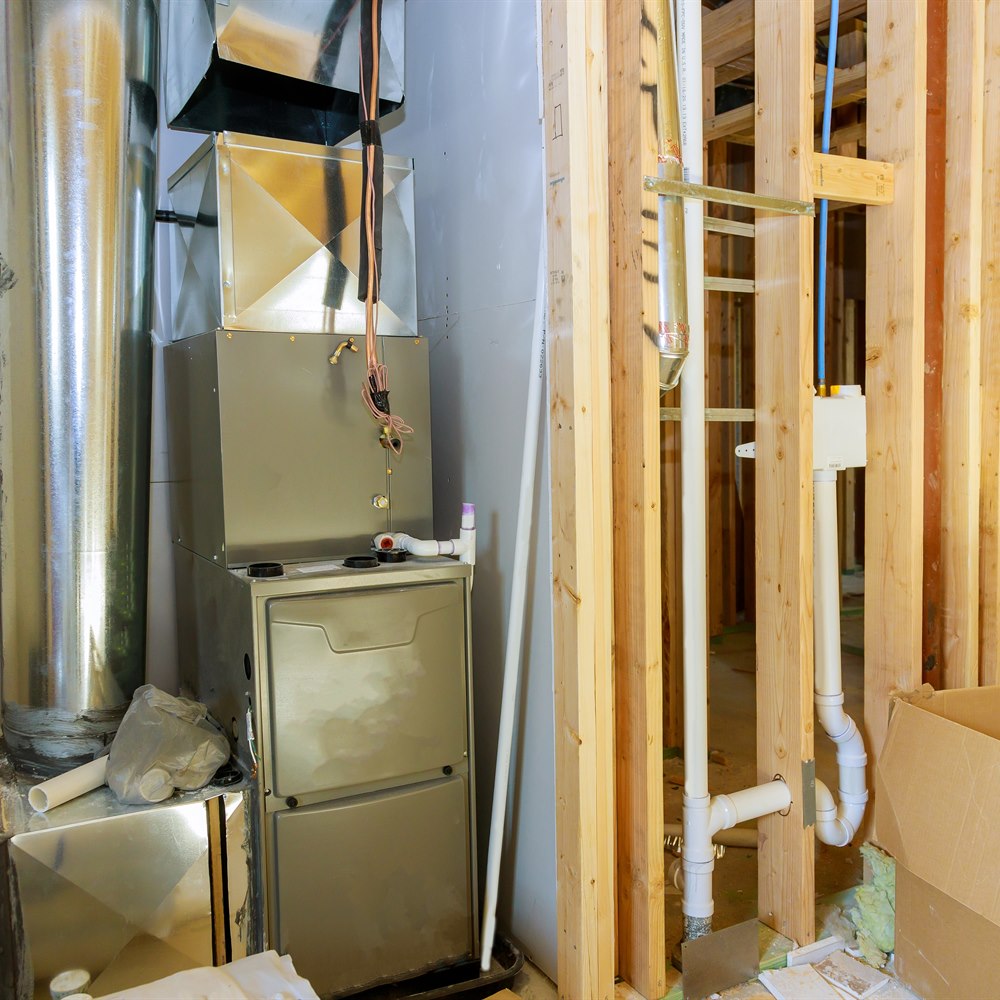
How to avoid it: Venting errors are among the most dangerous installation mistakes, because improper venting can allow combustion gases including carbon monoxide to enter the home. Problems include reusing an unsuitable existing flue, incorrect vent sizing or slope, improper termination clearances, or failing to address a chimney that now serves only a water heater after a high-efficiency furnace is vented separately. Avoid it by using a qualified, licensed installer who follows manufacturer and code requirements for venting and pulls permits so the work is inspected. Never treat venting as an area to economize. (For more on this, see Questions to Ask a Furnace Installation Contractor.)
Mistake: Ignoring the Ductwork
How to avoid it: Installing a new furnace onto leaky, undersized, or poorly designed ductwork wastes the equipment’s capability, producing uneven heating, restricted airflow, and in some cases overheating that stresses the heat exchanger. Avoid it by having the ductwork evaluated as part of the installation and addressing problems, sealing, resizing, or repairing, rather than assuming new equipment will overcome an inadequate distribution system. Because airflow problems can shorten a furnace’s life as well as reduce comfort, duct evaluation is protective, not optional. (For more on this, see How Long Does Furnace Installation Take?.)
Mistake: Skipping Permits and Inspection
How to avoid it: Skipping permits leaves gas, combustion, venting, and electrical work uninspected, which is a safety matter with a fuel-burning appliance, and it can create problems at resale or with insurance claims. Avoid it by using a contractor who pulls the required permits and schedules inspection. The permit cost is modest relative to the project and provides independent verification that the installation meets code. A contractor who suggests skipping permits to save money is signaling how they approach the rest of the work.
Mistake: Choosing on Price Alone
How to avoid it: The lowest bid often reflects a lower-tier or improperly sized unit, omitted venting or ductwork work, skipped permits, or rushed workmanship, all of which cost more over the furnace’s service life or compromise safety. Avoid it by comparing quotes on scope and quality: sizing methodology, venting and ductwork addressed, equipment tier and warranty, permits included, and installer credentials. Because a furnace serves your home for many years and involves combustion safety, value matters far more than the lowest number.
Mistake: Neglecting Maintenance and Warranty Requirements
How to avoid it: Treating a new furnace as maintenance-free leads to declining efficiency, airflow problems, and preventable failures, and many manufacturer warranties require documented annual maintenance, so neglect can void coverage. Avoid it by scheduling annual professional maintenance from the first year, changing filters on a regular schedule, and registering the equipment warranty promptly if registration is required. Building this in from the start protects both the equipment and the warranty protection you paid for.
Why Installation Mistakes Often Stay Hidden for Years
A troubling characteristic of furnace installation mistakes is that many produce no immediate, obvious symptom. The furnace lights, warm air comes out of the vents, the house heats, and the homeowner reasonably concludes the job was done well. Yet an oversized unit will heat the house while short-cycling in ways that cause temperature swings, waste fuel, and accumulate thermal stress on the heat exchanger over years. Ductwork left leaky will heat the house while wasting a meaningful portion of that heat into an attic or crawlspace, showing up only as higher fuel bills and rooms that never quite warm. Skipped permits create no functional problem at all, surfacing years later during a home sale or an insurance claim.
Venting errors are the most serious version of this pattern, because improper venting can allow combustion gases including carbon monoxide into the home without any sensory warning, since carbon monoxide is colorless and odorless. A venting problem may produce no noticeable symptom until it produces a dangerous one. This delayed-symptom pattern is precisely why the pre-installation questions matter so much: asking about the load calculation, the venting plan, the ductwork assessment, and permits is your opportunity to prevent problems you won’t be able to detect afterward. It’s also why permits and inspection have real value beyond bureaucracy, since an independent inspector examines exactly the work you cannot evaluate yourself. And it’s why every home with a fuel-burning appliance should have working carbon monoxide detectors on every level, tested regularly and replaced per the manufacturer’s schedule, as a backstop against combustion problems that develop or go undetected. If you’re living with a furnace you suspect was poorly installed, an inspection by a different qualified contractor can evaluate combustion, venting, draft, airflow, and temperature rise, and many issues are correctable after the fact. But the far better path is prevention: choosing a credentialed installer who calculates the load, plans venting explicitly, evaluates ductwork, pulls permits, and commissions the system properly, because these practices prevent the mistakes whose consequences would otherwise accumulate silently across the many years you own the furnace. (For more on this, see How to Find the Best Furnace Installation Contractor.) ENERGY STAR publishes certified efficiency ratings for heating and cooling equipment, which is the cleanest way to compare models.
Staying Ahead of Mistakes
The common furnace installation mistakes, improper sizing, venting shortcuts, ignored ductwork, skipped permits, price-only selection, and neglected maintenance, are all avoidable by hiring a qualified, licensed installer who performs a load calculation, addresses venting and ductwork properly, permits the work, and stands behind it. When you’re ready to connect with a qualified local pro, connect below.
Frequently Asked Questions
Improper or shortcut venting, because it can allow combustion gases including carbon monoxide to enter the home. Problems include reusing an unsuitable existing flue, incorrect vent sizing or slope, improper termination clearances, or failing to address a chimney now serving only a water heater after a high-efficiency furnace vents separately. Use a qualified, licensed installer who follows code and pulls permits so the work is inspected.
Because installers often use a square-footage rule of thumb or simply match the old unit's capacity instead of performing a heating load calculation. The old furnace may itself have been oversized, and home improvements like new windows, added insulation, and air sealing reduce heat loss, so matching the nameplate perpetuates errors. Oversizing causes short-cycling, temperature swings, wasted fuel, and accelerated heat exchanger wear.
Yes. Installing a new furnace onto leaky, undersized, or poorly designed ductwork wastes the equipment's capability, producing uneven heating, restricted airflow, and in some cases overheating that stresses the heat exchanger. Having the ductwork evaluated and addressing problems, sealing, resizing, or repairing, is protective rather than optional, since airflow problems shorten a furnace's life as well as reduce comfort.
No. Skipping permits leaves gas, combustion, venting, and electrical work uninspected, which is a safety matter with a fuel-burning appliance, and it can create problems at resale or with insurance claims. The permit cost is modest relative to the project and provides independent verification that the installation meets code, so a contractor suggesting you skip permits is signaling how they approach the rest of the work.
Yes, ongoing annual maintenance should start from the first year. Treating a new furnace as maintenance-free leads to declining efficiency, airflow problems, and preventable failures, and many manufacturer warranties require documented annual maintenance, so neglect can void coverage. Schedule annual professional service, change filters regularly, and register the equipment warranty promptly if registration is required.