
What Does Furnace Installation Cost?
Furnace installation costs $3,000 to $12,000, averaging around $5,000. Equipment size and fuel type set the base price, the AFUE efficiency rating adds the largest single equipment premium, and the condition of your ductwork and venting decides how much installation labor sits on top.
Furnace Size and Fuel Type
Heating capacity is a primary driver. A 60,000 BTU furnace costs less than a 120,000 BTU furnace in the same brand and efficiency tier. That capacity should come from a Manual J heating load calculation reflecting your home’s square footage, insulation, window area, air sealing, and climate, not from copying the old unit’s rating. Bigger is not better: an oversized furnace short-cycles, which wastes fuel, produces temperature swings and uneven heating, and adds wear. An undersized one cannot keep up in cold weather. ENERGY STAR publishes certified efficiency ratings for heating and cooling equipment, which is the cleanest way to compare models.
Fuel type affects both equipment price and what the installation involves. Gas requires proper gas piping and combustion venting. Oil involves fuel storage and delivery considerations. Electric furnaces avoid combustion entirely but need substantial electrical capacity and typically cost more to run where electricity is expensive. Which fuel makes sense depends on what is available at your home, your climate, and local fuel prices.
Switching fuels adds real infrastructure cost. Converting from oil to gas means running a new gas line to the house at $500 to $2,500, plus utility company involvement for the meter and service. A like-for-like replacement in the same fuel and efficiency tier is always the least complex and least expensive scenario.
Efficiency Rating, Venting, and Incentives
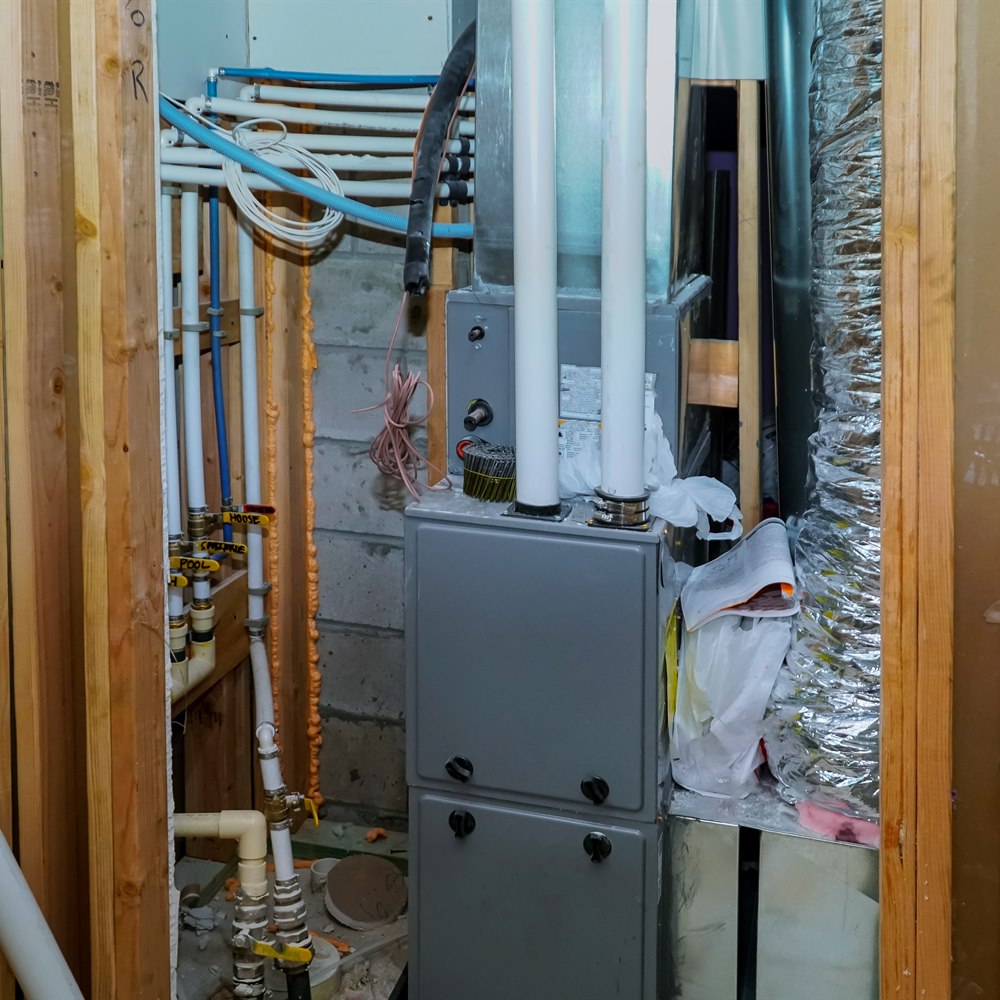
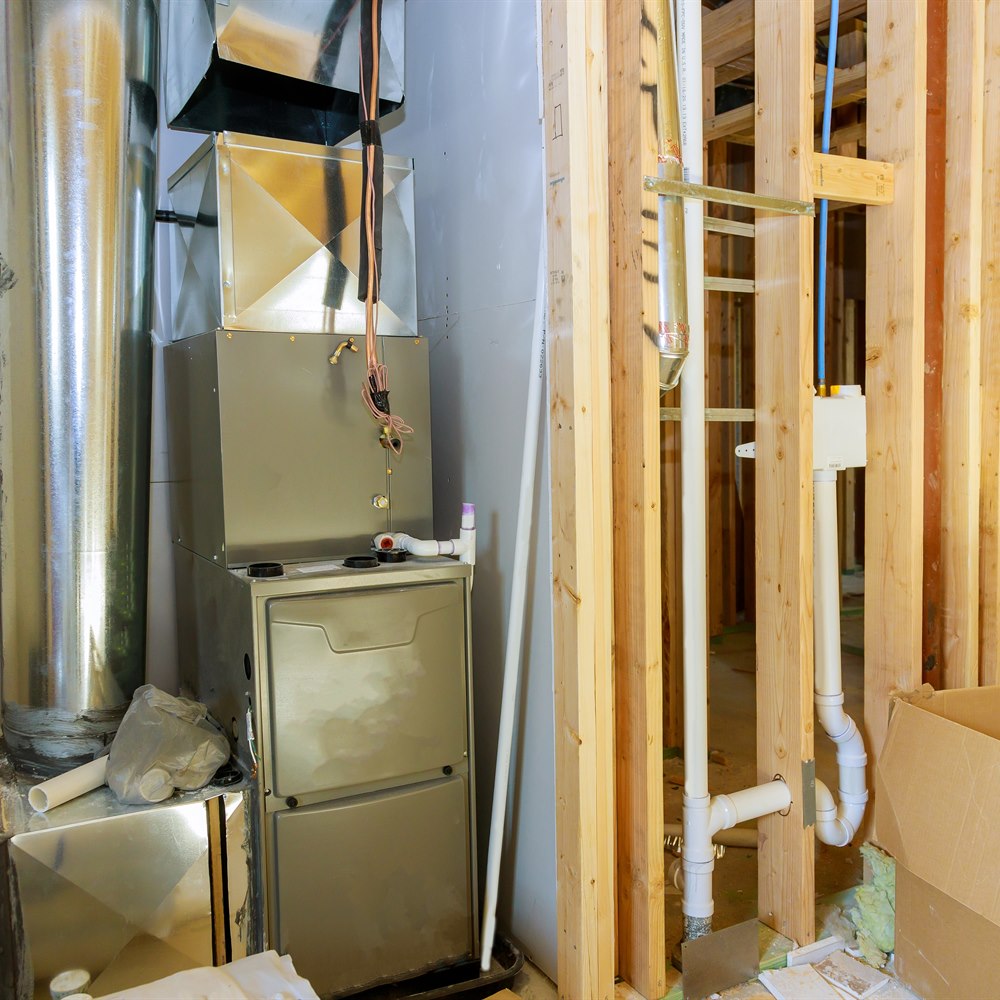
Moving from 80 percent to 95 percent AFUE adds roughly $500 to $700 to the installed price — an 80 percent single-stage unit installs for $2,500 to $4,500 and a 90 to 95 percent condensing unit for $3,000 to $5,200. High-efficiency condensing furnaces also change the venting: converting from a standard metal flue to PVC pipes through the wall runs $200 to $600 in materials and labor, and the unit needs a condensate drain, which adds $100 to $200 for a pump where gravity drainage is not viable. All in, the condensing conversion adds $400 to $1,200 on top of the furnace. The old flue that the standard furnace used becomes obsolete and must be properly capped or repurposed.
Whether the premium pays back depends on your climate. In cold climates with long heating seasons and heavy gas usage, payback is typically 5 to 8 years. In mild climates with short heating seasons, payback stretches to 10 to 15 years, which makes standard efficiency the more rational choice on pure return.
Incentives narrow the gap, though the federal tax credit no longer does. As of 2026 there is no federal tax credit for a furnace: the Energy Efficient Home Improvement Credit (IRC Section 25C) was terminated by P.L. 119-21 and is not allowed for property placed in service after 31 December 2025. For 2023 through 2025 installations the credit was 30 percent of cost but hard-capped at $600 for a qualifying furnace or boiler and $2,000 for a qualifying heat pump, within a $1,200 annual aggregate — never 30 percent of the whole job. See the IRS Energy Efficient Home Improvement Credit page. Income-qualified households may have access to Home Electrification and Appliance Rebates (HEEHRA). These are federally funded but state-administered: the federal program caps the rebate at $840 for a heat pump air handler and $8,000 for the heat pump itself, but whether a rebate is available to you, at what amount, and under what income limits is set by your state’s program and its remaining funding — some states have not launched one, and others have exhausted their allocation. Treat those figures as the federal ceiling rather than an amount you can count on, and check with your state energy office. State and utility rebates vary by location, and low-income weatherization and state energy assistance programs may provide subsidized or free replacement for qualifying households. A tax professional can tell you how this applies to you.
Ductwork and Installation Complexity
Ductwork is the largest potential surprise in a furnace quote.
Ductwork in good condition: no cost beyond the standard installation.
| Cost Factor | Typical Range | Notes |
|---|---|---|
| Duct sealing | $300 to $1,000 | Leaky ducts found by duct blower testing waste system efficiency, and sealing them alongside a new furnace is a good investment. |
| Modification or replacement of undersized or damaged ducts | $1,000 to $5,000 | |
| Full duct installation | $3,000 to $8,000 | for homes with no existing ductwork, such as those previously heated by boilers, electric baseboard, or mini-splits |
Cost figures on this page were checked against published pricing on September 2, 2026. How we source cost data.
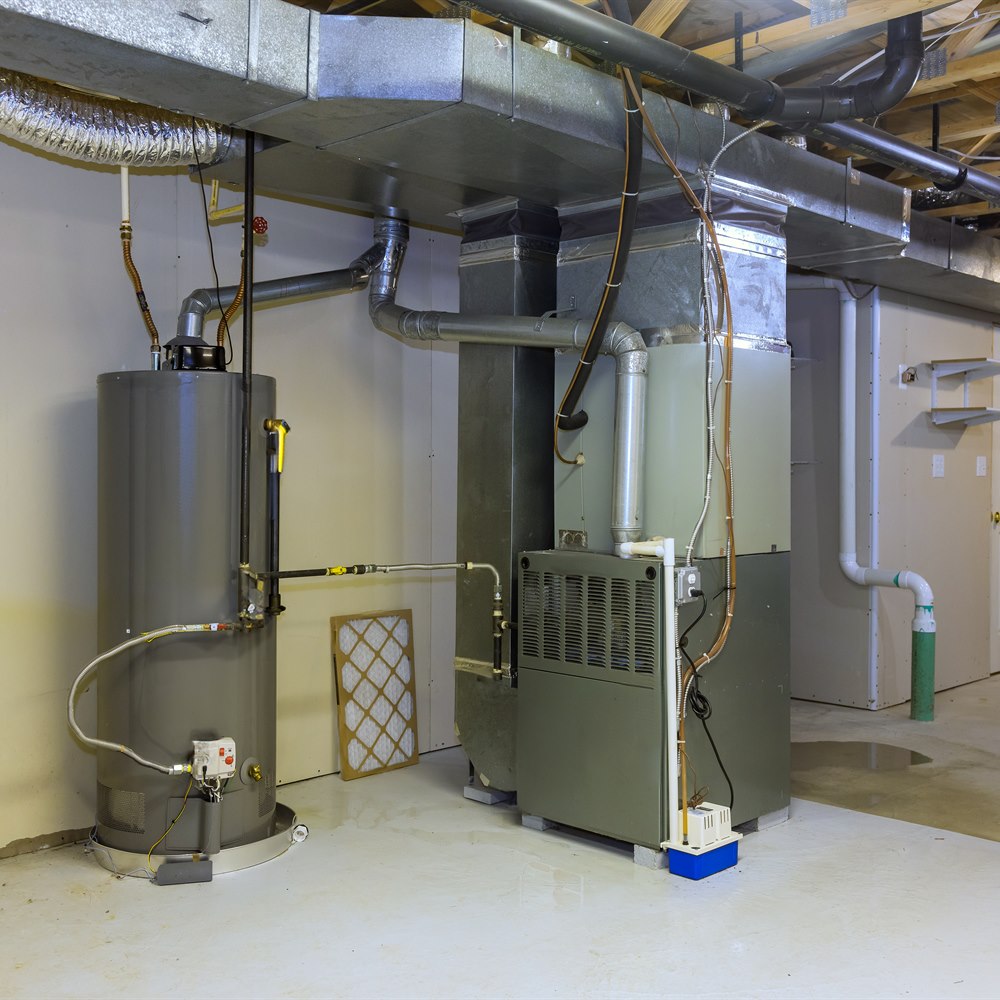
Beyond ducts, complexity rises with new venting runs for a condensing furnace, gas line resizing or extension, electrical upgrades, moving the furnace to a different location, or difficult access such as a tight crawlspace or attic. Permits and inspections apply to furnace work because of the gas, combustion, venting, and electrical elements. Removal and disposal of the old unit is a real line item, as are related tasks such as thermostat replacement, air conditioning coil handling, and chimney lining if the furnace leaves a shared flue. Local labor rates and market conditions vary the total by region. (For more on this, see How Much Does a New Furnace Cost?.)
Equipment Tier, Brand, and Blower Type
Within the size and efficiency you need, equipment selection is a genuine cost lever. Basic single-stage furnaces with standard blowers cost less than two-stage or modulating units, which hold steadier temperatures, run quieter, and move air better for air conditioning.
Blower motor type is part of that. Single-stage furnaces use a PSC blower motor, the most economical option. Two-stage and variable-speed furnaces use ECM blower motors, which add $200 to $500 to the furnace cost and cut blower electricity consumption by 25 to 75 percent compared with PSC motors, while running at lower capacity instead of cycling on and off.
Brand accounts for the rest of the spread at equal efficiency. Premium brands such as Carrier, Lennox, and Trane use higher-grade components, offer longer warranties including extended heat exchanger coverage in some cases, and charge a brand premium. Budget brands such as Goodman and Ameristar use adequate components at lower prices with shorter warranties. Installation quality matters more than brand for most homeowners: a properly installed budget furnace outperforms a poorly installed premium one. (For more on this, see How Much Does Furnace Installation Cost?.)
Getting an Accurate Quote
An accurate price requires an in-home assessment with a heating load calculation and an evaluation of your ductwork, venting, and gas and electrical service. Get at least two written quotes on equivalent defined scope. Wide variation between them usually reflects differences in equipment tier or in what the scope includes rather than simple price competition, so ask each contractor whether permits, disposal, and cleanup are included and what the labor warranty covers.
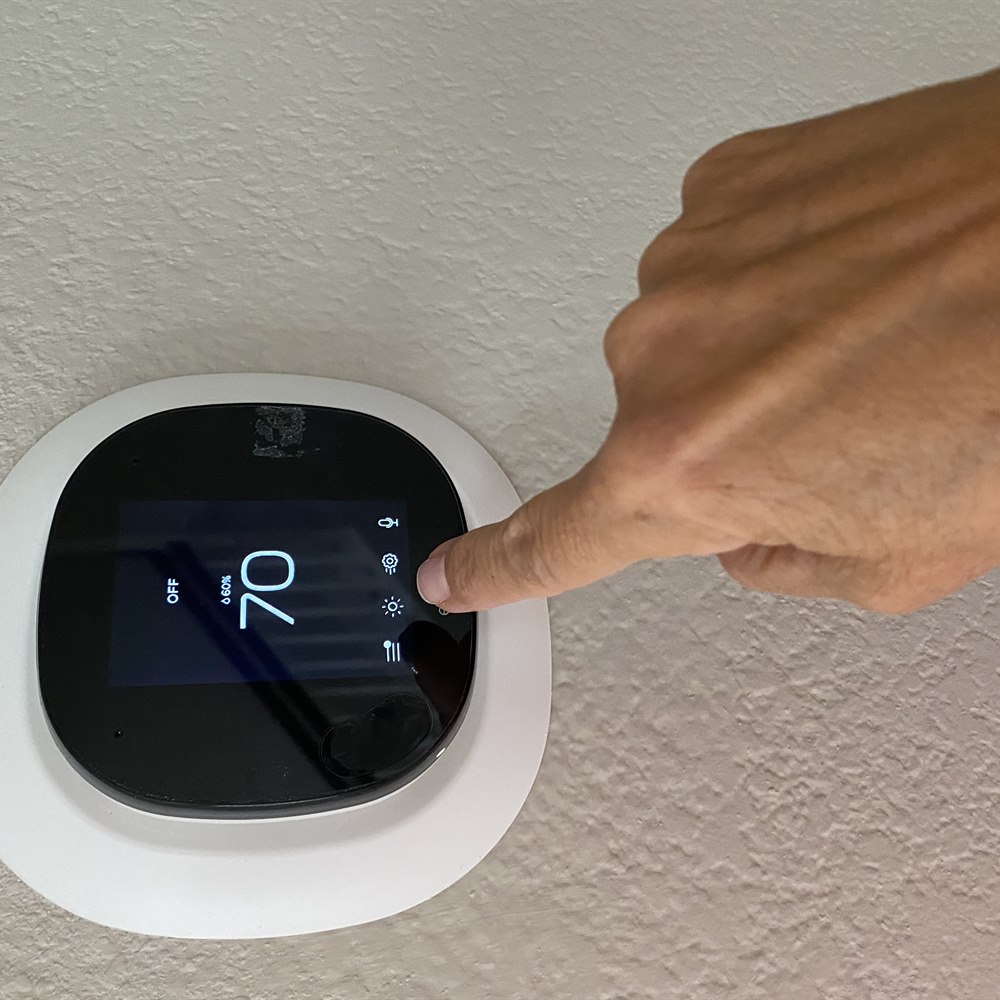
It helps to separate what you control from what you do not. Required heating capacity, the condition of existing ductwork and venting, local labor rates and permit fees, and disposal of the old unit set a baseline for doing the job properly in your home. Economizing there, on capacity, venting, ductwork, or installation quality, costs you in comfort, fuel bills, equipment life, and safety. Your real levers are the efficiency level, the equipment tier and features, optional add-ons such as humidifiers, advanced filtration, and smart thermostats, and whether you switch fuel types at all. Put your budget flexibility there and leave the rest intact. (For more on this, see How to Budget and Pay for Furnace Installation.)
Frequently Asked Questions
Furnace size and fuel type are the primary drivers, with the AFUE efficiency rating second, adding roughly $500 to $700 to the installed price to move from 80 to 95 percent. Ductwork condition is the largest potential unexpected add-on.
By a Manual J heating load calculation reflecting your home's square footage, insulation, window area, air sealing, and climate. An oversized furnace short-cycles, producing temperature swings and extra wear, while an undersized one cannot keep up in cold weather.
Yes, in two ways. The higher-efficiency equipment adds roughly $500 to $700 to the installed price, and condensing furnaces require PVC venting at $200 to $600 plus a condensate drain. Payback is typically 5 to 8 years in cold climates and 10 to 15 years in mild ones.
Ductwork in good condition adds nothing. Sealing leaky ducts runs $300 to $1,000, modifying or replacing undersized or damaged ductwork runs $1,000 to $5,000, and a home with no ducts at all needs a full installation at $3,000 to $8,000.
Gas, electric, and oil furnaces differ in price and installation requirements, and switching fuels adds infrastructure cost. Converting from oil to gas requires a new gas line to the house at $500 to $2,500 plus utility involvement for the meter and service.
Yes. Single-stage furnaces use a PSC blower motor, the most economical. Two-stage and variable-speed furnaces use ECM motors that add $200 to $500 to the furnace cost and reduce blower electricity consumption by 25 to 75 percent.
Component quality, warranty terms, and brand premium. Carrier, Lennox, and Trane use higher-grade components and longer warranties at a premium; Goodman and Ameristar use adequate components at lower prices with shorter warranties. A properly installed budget brand outperforms a poorly installed premium one.
Rebates yes, a federal tax credit no. As of 2026 there is no federal tax credit for a furnace: the Energy Efficient Home Improvement Credit (IRC Section 25C) was terminated by P.L. 119-21 and is not allowed for property placed in service after 31 December 2025. For 2023 through 2025 installations the credit was 30 percent of cost but hard-capped at $600 for a qualifying furnace or boiler and $2,000 for a qualifying heat pump, within a $1,200 annual aggregate -- never 30 percent of the whole job. Income-qualified households may have access to Home Electrification and Appliance Rebates (HEEHRA), which are federally funded but state-administered: the federal program caps them at $840 for a heat pump air handler and $8,000 for a heat pump, but availability, amounts and income limits are set by your state's program and its remaining funding, and some states have not launched one or have exhausted their allocation. Check with your state energy office rather than budgeting on the federal ceiling. State and utility rebates vary by location. A tax professional can tell you how this applies to you.