How Long Does Furnace Installation Take?
A standard furnace replacement in a home with existing ductwork and gas line takes 1 to 2 days. Swapping a similar unit into adequate existing ductwork, venting, gas piping, and electrical usually finishes in a single day of 6 to 8 hours, with the home warm by early evening. Projects that add venting changes, ductwork modification, fuel or electrical work, or a change in the unit’s location run into a second day.
| Phase of a standard replacement | Typical time |
|---|---|
| Removing the old furnace | 1 to 2 hours |
| Setting the new unit | 2 to 3 hours |
| Gas, electrical, and ductwork connections | 1 to 2 hours |
| Commissioning and startup testing | 1 hour |
| Full day including cleanup | 6 to 8 hours |
What Happens on Installation Day
Removing the Old Furnace
The crew shuts off gas and electrical supply, disconnects the fuel and electrical connections, separates the unit from the ductwork and venting, and hauls it out for disposal. On a straightforward replacement this moves quickly, but older units, tight mechanical rooms, awkward basement stairs, and attic or crawlspace locations slow it considerably. Access is one of the most common reasons this phase runs long.
Setting and Connecting the New Unit
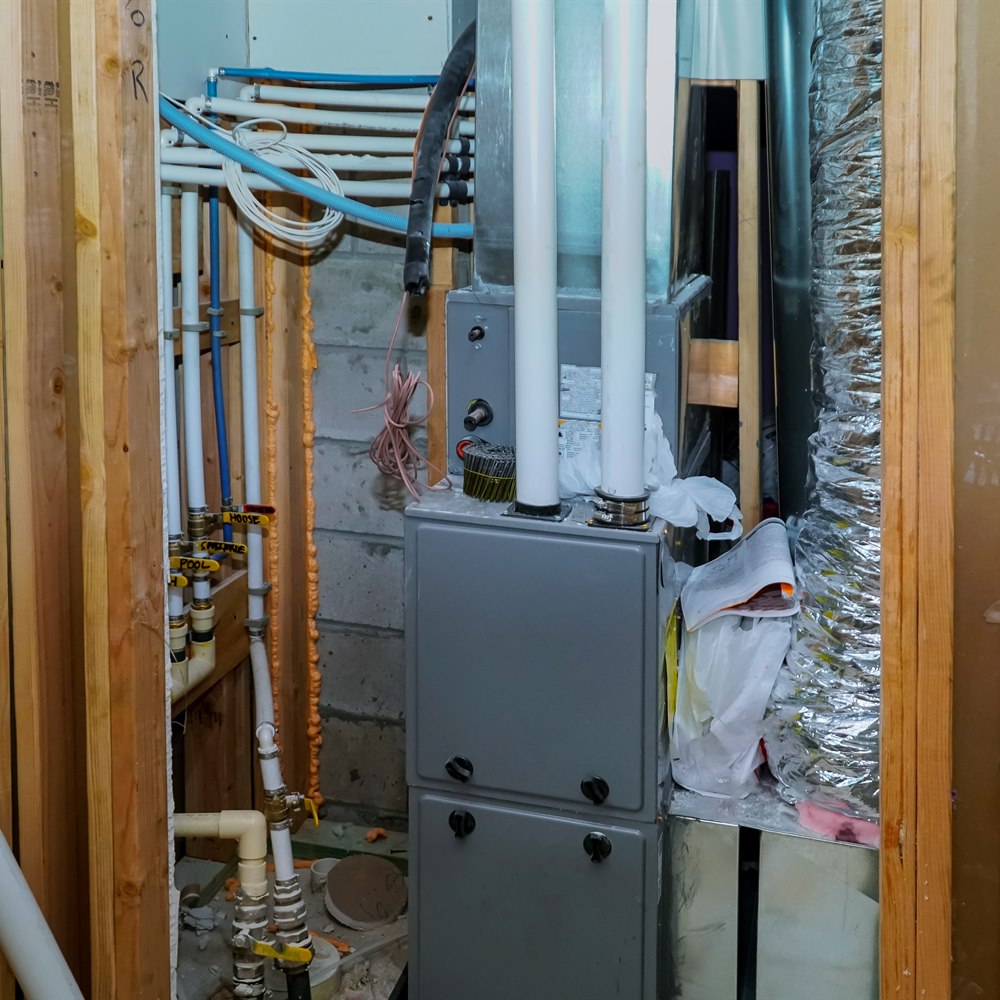
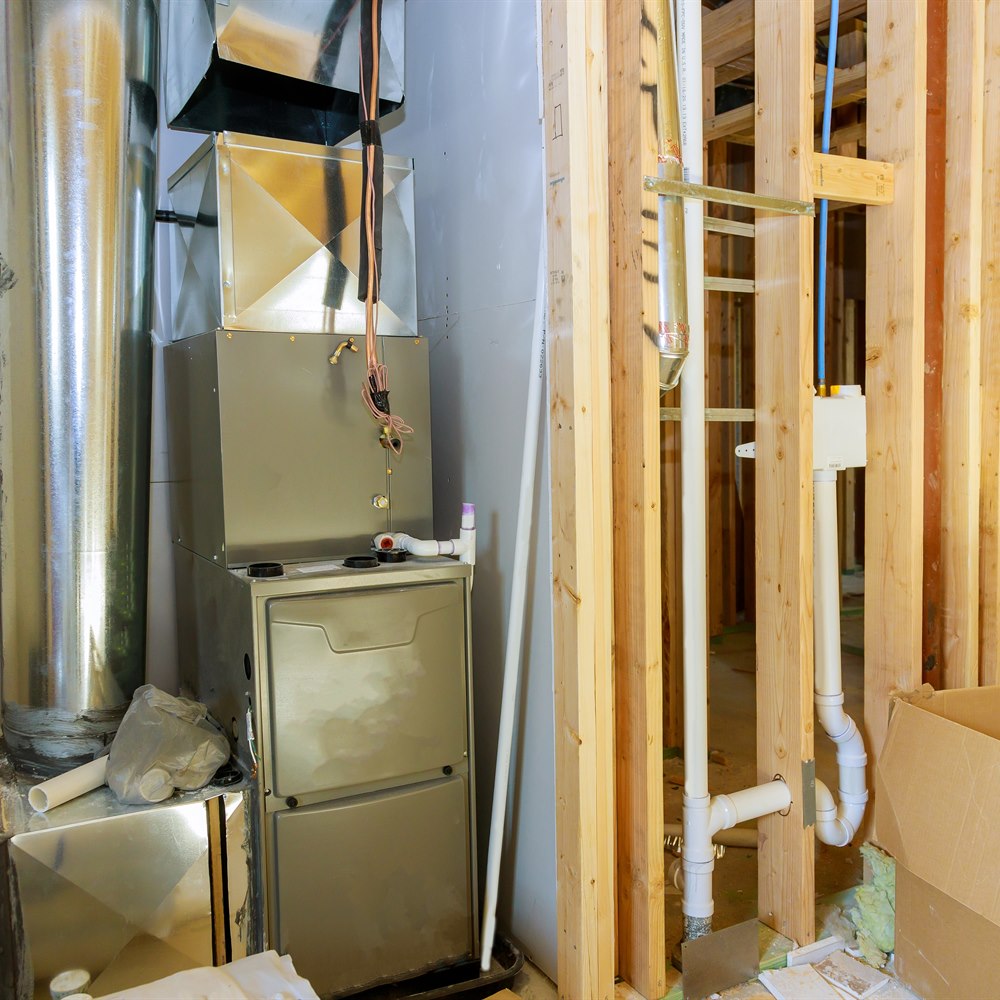
The new furnace is secured and leveled, connected to the supply and return ductwork with appropriate transitions, tied into the gas line, wired for power and thermostat, and connected to the venting. If you have central air conditioning, the evaporator coil is handled in this phase. The duct transitions, gas connection, and electrical work all affect how the system performs and whether it operates safely, so this is careful work rather than fast work. (For more on this, see How Much Does a New Furnace Cost?.)
Venting and Ductwork
Venting is where timelines most often extend, particularly when a high-efficiency condensing furnace requires new PVC venting and a condensate drain instead of the existing flue. Running vent piping to an appropriate exterior termination, arranging condensate drainage, and addressing a chimney now left serving only a water heater all add hours. Duct repair or modification adds more.
Startup, Testing, and Walkthrough
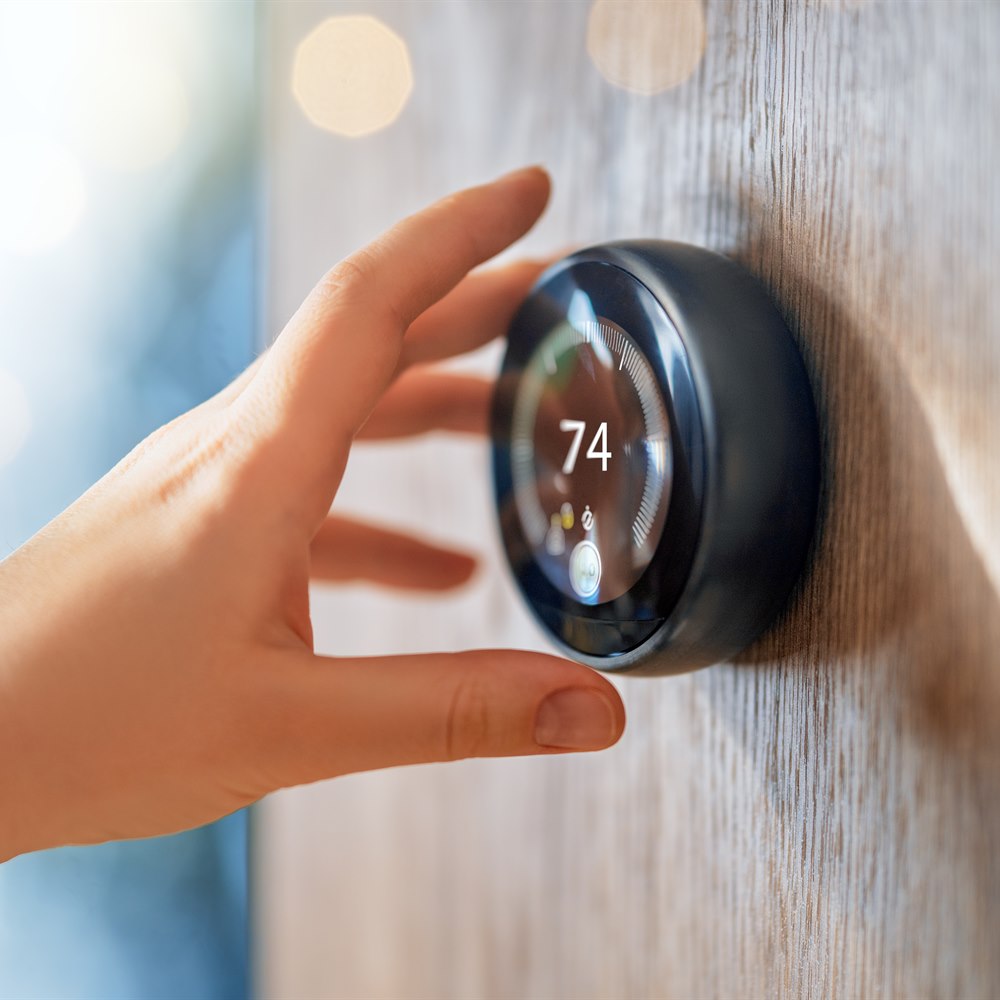
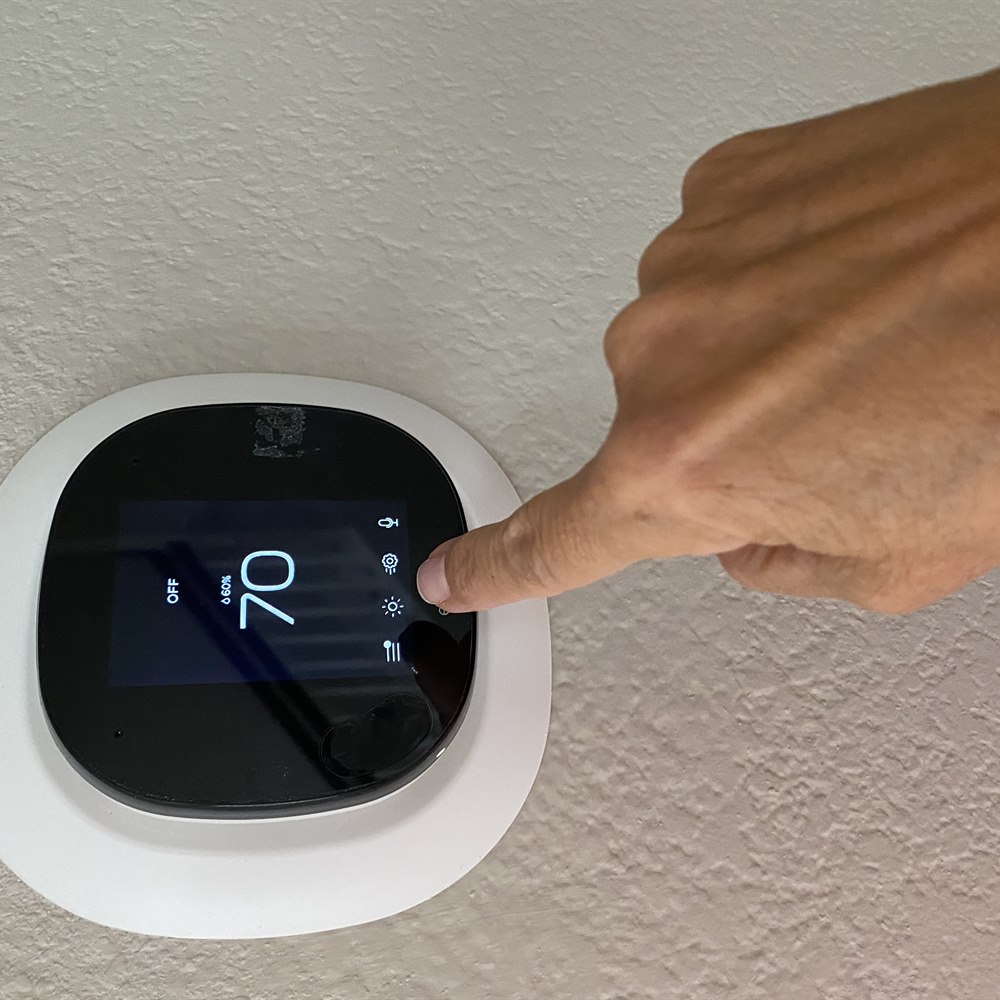
Commissioning is the final phase: starting the furnace, verifying the ignition sequence and burner operation, checking gas pressure and combustion, confirming proper venting and draft, testing safety controls, checking airflow and temperature rise, and setting up the thermostat. Combustion and venting verification is what confirms the furnace runs safely, so a quality installer does not rush it. Expect a walkthrough covering system operation, filter location and change interval, how to shut the system off, and what maintenance the warranty requires.
What Extends the Timeline
- Efficiency upgrade: moving from a standard 80 percent unit to high-efficiency condensing adds 2 to 4 hours for venting changes.
- Ductwork modification: replacing connections in poor condition adds 2 to 6 hours depending on extent.
- Fuel conversion: oil to gas adds 2 to 4 hours for the gas line run.
- New ductwork: a full-home duct system in a house without existing ducts takes 2 to 5 days.
- Electrical panel work: roughly a half day for electrician coordination.
- Other factors: multiple furnace zones in a large home, a change in the furnace’s location, difficult crawlspace or attic access, and unexpected discoveries during removal. If the specific unit must be ordered, that lead time precedes the installation date entirely.
Permits and Inspection
The mechanical inspection required after installation usually does not happen on installation day. Many municipalities schedule inspections within 24 to 72 hours of permit issuance. The furnace typically operates normally in the meantime, since the inspection verifies that the installation meets code rather than whether the unit runs. Confirm the scheduling timeline with your installer so you know when to expect the inspector, and understand that the project is not formally closed until the inspection clears. (For more on this, see How to Find the Best Furnace Installation Contractor.)
Preparing for Installation Day
Clear access to the furnace and the route to it, including basement stairs, hallways, or attic and crawlspace openings. Move stored items away from the unit and clear space around the electrical panel and the gas meter or shutoff. If new venting will run through an exterior wall, clear both the interior and exterior areas around the planned termination. Because difficult access is one of the most common reasons installations run long, this preparation directly protects your schedule.
Plan for the home being without heat while the old unit is out and the new one goes in. Schedule outside of extreme cold when possible, and make arrangements for pets, small children, or anyone sensitive to cold. If temperatures will be low, ask the contractor whether any precautions are needed for plumbing. Expect noise, foot traffic, doors opening as equipment moves, and temporary gas and electrical shutoffs.
Fall, and specifically September to October, is the best window to schedule. The furnace is replaced before the heating season rather than during it, HVAC companies are less heavily booked than at the winter peak, and fall timing often brings better scheduling flexibility and sometimes better pricing than an emergency winter replacement.
Budgeting and Choosing the Installer
Furnace installation runs $3,000 to $12,000, averaging about $5,000. Furnace size and fuel type drive the base price, since gas, electric, and oil units differ. A higher AFUE efficiency rating costs more upfront but lowers operating bills. Installation complexity, meaning ductwork, venting, or fuel-line changes, moves the total the rest of the way. (For more on this, see Hidden Costs of Furnace Installation.) ENERGY STAR publishes certified efficiency ratings for heating and cooling equipment, which is the cleanest way to compare models.
Get at least two written quotes on equivalent defined scope. Wide variation between bids usually reflects differences in equipment, in scope completeness, or in contractor overhead rather than simple price competition. Ask what equipment is included, whether permits, cleanup, and disposal are in the number, and what the labor warranty covers. Verify licensing and insurance before work starts, get the scope in writing, and tie payments to milestones rather than paying in full upfront.
Cost figures on this page were checked against published pricing on August 29, 2026. How we source cost data.
Frequently Asked Questions
1 day for a standard like-for-like replacement with existing ductwork and gas line, typically 6 to 8 hours of work. Efficiency tier upgrades with venting changes, fuel conversions, or duct modifications push it to 2 days, and new ductwork in a home without existing ducts can take up to 5 days.
Removing the old unit, setting and connecting the new furnace, venting and any ductwork work, then startup, testing, and walkthrough. The removal takes 1 to 2 hours, setting the unit 2 to 3 hours, connections 1 to 2 hours, and commissioning about 1 hour on a standard replacement.
Venting changes for a high-efficiency condensing unit add 2 to 4 hours, ductwork modification adds 2 to 6 hours, and an oil-to-gas conversion adds 2 to 4 hours for the gas line. Difficult crawlspace or attic access, electrical panel work, a change in the unit's location, and equipment lead time also add days.
Yes, from the moment the old furnace is disconnected until the new one is operational, typically 6 to 8 hours on a one-day replacement. Schedule on a milder day when possible, and for multi-day projects involving ductwork, supplemental electric space heaters bridge the gap between days.
Fall, specifically September to October. You replace the unit before the heating season rather than during cold weather, HVAC companies are less booked than at the winter peak, and fall timing often brings better scheduling flexibility and pricing than an emergency winter replacement.
Be there at the beginning to review the scope and confirm the equipment, and at the end for the walkthrough, where you verify the system heats from the thermostat and get filter location, warranty registration, and maintenance instructions. Being away during the middle hours is workable if access is arranged.
Because commissioning is what verifies safe operation. The installer checks gas pressure and combustion, confirms proper venting and draft, tests safety controls, and measures airflow and temperature rise. Ask for documentation of the commissioning readings and warranty registration for your records.
The installer should contact you to explain the delay and its cause, usually unexpected ductwork or electrical issues found during removal or permit and inspection scheduling. If the work extends past one day, confirm the next day's schedule and whether heat will be restored by the end of that day.