
The Real Cost of Gutter Protection for Homeowners
Mesh gutter guards run $3 to $15 per linear foot installed, brush guards $3 to $4, and reverse curve guards $15 to $45. This guide explains what separates the three types, what else moves the price beyond material, whether to install them yourself or hire out, and what warranties and long-term savings to expect.
Gutter maintenance can be a hassle, but gutter protection systems offer a solution that saves time and effort. In this blog post, we’ll explore the costs associated with gutter guards, helping homeowners make informed decisions.
What is Gutter Protection?
Gutter guards cost $3 to $15 per linear foot installed for mesh, $3 to $4 for brush, and $15 to $45 for reverse curve. On a typical home with 150 to 200 linear feet of gutter that works out to $900 to $7,000 installed, averaging $2,500. All three do the same job: keep debris out of your gutters so water flows freely and clogs stop forming, which is what cuts the maintenance. The type you choose is what moves the price. (For more on this, see How to Maintain Gutter Guards Over Time.)
Types of Gutter Guards
Several types of gutter guards are available, each with its own cost implications:
Mesh Gutter Guards
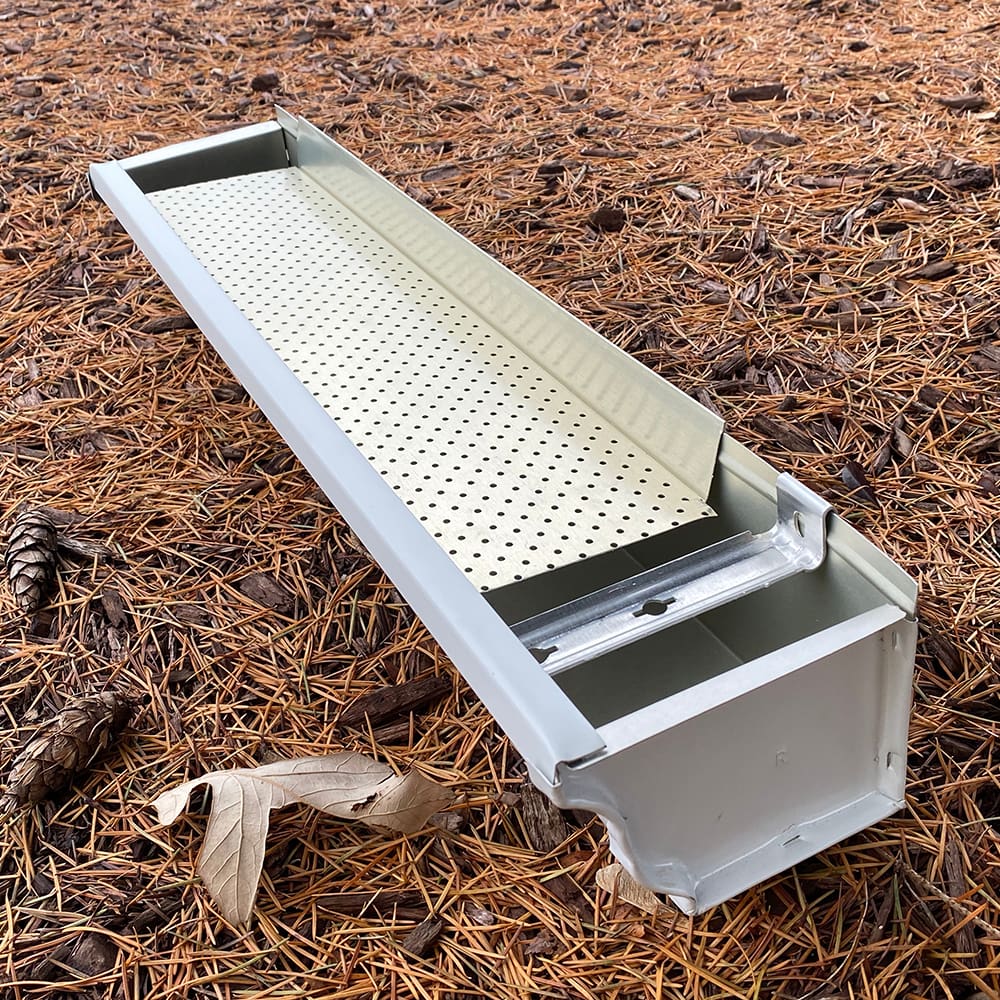
Mesh guards consist of a metal sheet with tiny holes that block debris while allowing water to flow through.
Reverse Curve Gutter Guards
These guards direct water into the gutter while keeping leaves and debris out.
Brush Gutter Guards
Brush guards feature bristles that trap debris while letting water pass through.
Factors Affecting Gutter Protection Cost
Several factors impact the cost of gutter protection systems:
Material Quality
Higher-quality materials result in a higher initial investment but may offer better durability and performance.
Installation Complexity
More complex installations require more labor, increasing the overall cost.
Gutter Length
The length of your gutters directly affects the amount of material needed and, consequently, the cost.
Average Costs of Gutter Guards
Understanding the average costs can help you plan your budget effectively:
Mesh Gutter Guards
Mesh guards typically cost between $3 and $15 per linear foot installed: aluminum mesh runs $3 to $8, and stainless steel micro-mesh runs $8 to $15.
Reverse Curve Gutter Guards
Reverse curve guards range from $15 to $45 per linear foot installed, and branded surface-tension systems sold through company sales representatives average about $40 per linear foot.
Brush Gutter Guards
Brush guards generally cost between $3.00 and $4.00 per linear foot.
DIY vs. Professional Installation
Deciding between DIY and professional installation depends on your skills and budget:
DIY Installation
DIY installation can save money but requires time and effort.
Professional Installation
Professional installation ensures proper fitting but comes at a higher cost.
Long-Term Savings
Investing in gutter protection can lead to long-term savings:
Reduced Maintenance
Gutter guards minimize the need for regular cleaning, saving time and money.
Preventing Damage
Properly functioning gutters prevent water damage to your home’s foundation and roof.
Warranty and Lifespan
Consider warranties and lifespan when choosing gutter guards:
Warranties
Some systems come with warranties, offering peace of mind and protection.
Lifespan
Higher-quality guards tend to have longer lifespans, providing better value over time.
Conclusion
Gutter protection systems are a valuable investment for homeowners. Understanding the costs and benefits helps you make an informed decision. Explore different options, consider your budget, and enjoy a hassle-free gutter experience.
Cost figures on this page were checked against published pricing on September 2, 2026. How we source cost data.
Frequently Asked Questions
Cost depends on type: mesh guards run $3 to $15 per linear foot installed, brush guards $3 to $4, and reverse curve guards $15 to $45.
The main types are mesh guards (metal sheet with small holes), reverse curve guards (direct water in while shedding debris), and brush guards (bristles that trap debris).
The main drivers are material quality, installation complexity, and gutter length, since more linear feet means more material and labor.
Yes for many homeowners. They reduce clog-related maintenance and keep water flowing freely, which can save on cleaning and water-damage repairs over time.
DIY installation saves money but takes time and effort, while professional installation ensures proper fitting at a higher cost.
