Understanding the Cost of Foam Wall Insulation
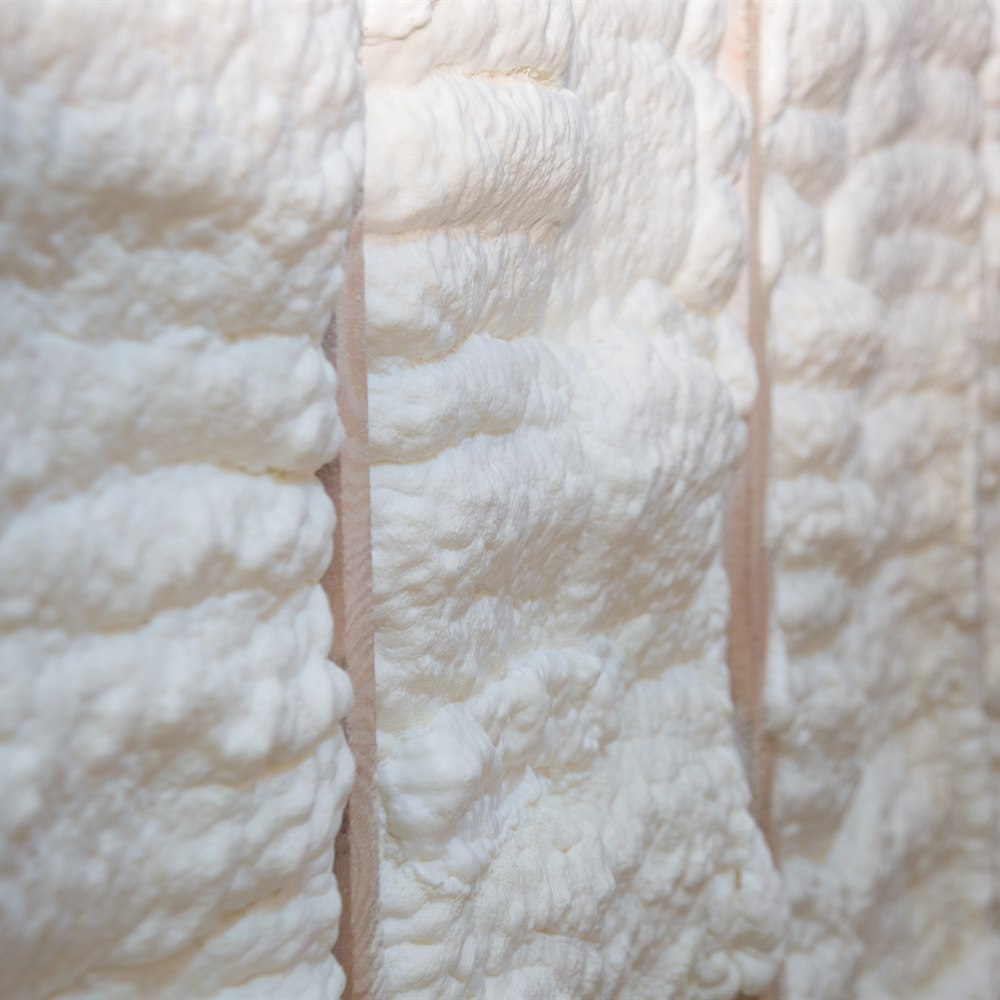
Foam insulation expands on application and seals the small gaps fiberglass leaves open, which cuts energy loss and keeps dust and allergens out of the house. This guide compares open-cell and closed-cell spray foam against rigid foam board, covers what drives the price, and sets out average costs alongside the long-term savings to weigh against them.
Are you considering foam wall insulation for your home? It’s a smart investment that can lead to significant energy savings and improved comfort. However, one of the biggest questions homeowners have is about the cost. This blog post aims to provide a comprehensive guide to understanding the cost of foam wall insulation, ensuring you make an informed decision that aligns with your budget and needs.
Why Choose Foam Wall Insulation?
Foam wall insulation is popular among homeowners due to its excellent thermal performance and ability to seal even the smallest gaps. Unlike traditional insulation materials such as fiberglass, foam insulation expands upon application, creating a tight seal that significantly reduces energy loss. This translates to lower heating and cooling costs, making it a cost-effective solution in the long run. Additionally, foam insulation can improve indoor air quality by reducing the infiltration of dust, allergens, and pollutants. (For more on this, see How Long Does Foam Wall Insulation Last?.) The Department of Energy publishes recommended R-values by climate zone and where insulation pays back fastest.
Types of Foam Wall Insulation
Spray Foam Insulation
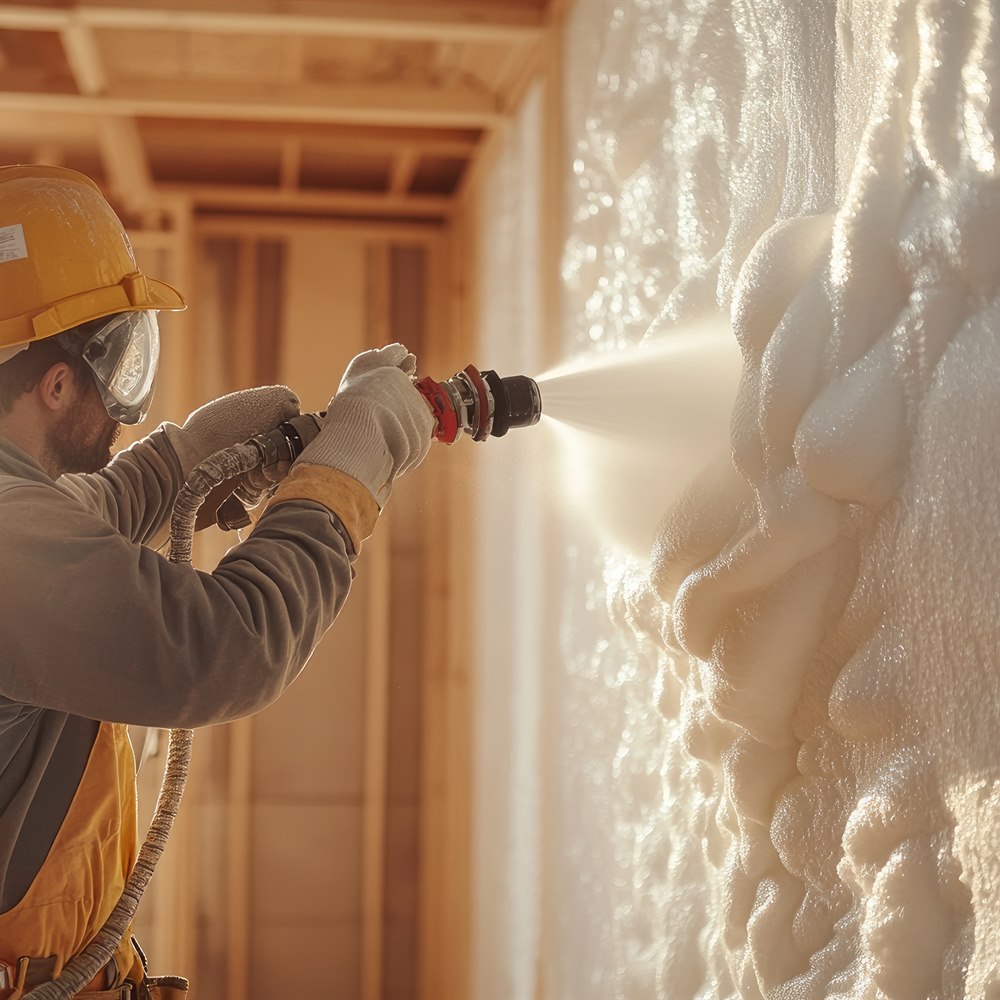
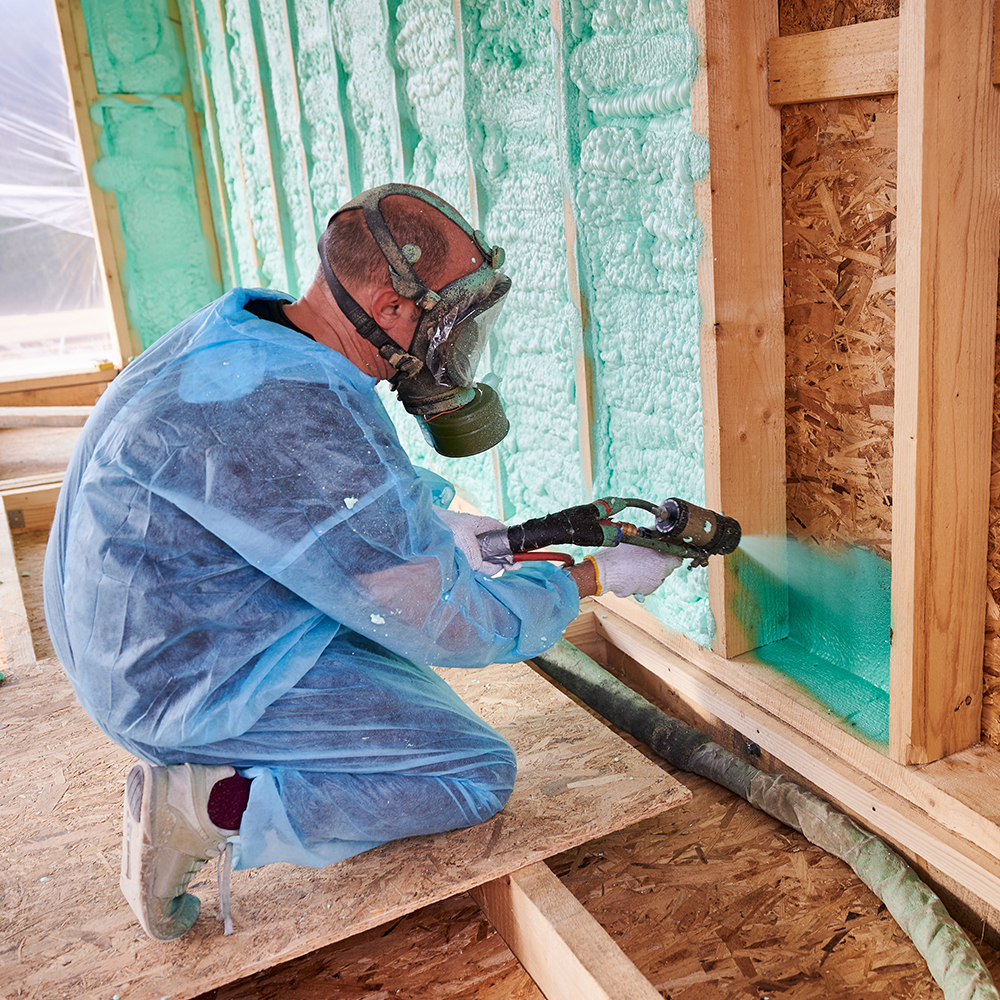
Spray foam insulation is applied as a liquid and expands quickly to fill gaps and voids. There are two main types:
- Open-cell foam: This type is lighter and less dense, making it suitable for interior walls. It offers good thermal insulation and soundproofing properties.
- Closed-cell foam: Denser and more rigid, closed-cell foam provides superior thermal insulation and acts as a moisture barrier. It is often used in exterior walls and areas prone to moisture.
Rigid Foam Boards
Rigid foam boards are pre-cut panels that can be installed directly onto wall surfaces. They come in various thicknesses and offer excellent thermal resistance. These boards are ideal for insulating basement walls, crawl spaces, and other areas where spray foam might be challenging to apply.
Factors Influencing Foam Insulation Cost
Several factors can affect the overall cost of foam wall insulation. Understanding these variables can help you estimate your project’s expenses more accurately. (For more on this, see How Much Does Foam Wall Insulation Cost?.)
Material Costs
The type and amount of foam insulation material you choose will significantly impact the cost. Closed-cell foam is generally more expensive than open-cell foam due to its higher density and better thermal performance. Rigid foam boards also vary in price depending on their thickness and R-value (a measure of thermal resistance).
Labor Costs
Professional installation is crucial for ensuring the effectiveness of foam insulation. Labor costs can vary based on the complexity of the project, the size of your home, and the contractor’s expertise. While DIY options are available for rigid foam boards, spray foam insulation typically requires specialized equipment and professional application.
Area to be Insulated
The total area that needs insulation will directly influence the cost. Larger homes or spaces with more intricate designs will require more materials and labor, leading to higher expenses.
Additional Costs
Other factors such as the need for prep work (e.g., removing old insulation), repairs to existing structures, or additional safety measures can also add to the overall cost. It’s essential to get a detailed quote from your contractor to avoid any surprises.
Average Costs of Foam Wall Insulation
Open-Cell Spray Foam
On average, the cost of open-cell spray foam insulation ranges from $0.44 to $0.80 per board foot (a unit measuring 12 inches by 12 inches by 1 inch). For a 1,000-square-foot wall area at 3.5 inches (a standard 2×4 stud bay), that is 3,500 board feet, or $1,540 to $2,800, and installers commonly hold a minimum charge near $2,000. Doing all four exterior walls of an existing home runs $5,400 to $10,900. (For more on this, see Common Foam Wall Insulation Mistakes and How to Avoid Them.)
Closed-Cell Spray Foam
Closed-cell spray foam insulation is more expensive, with costs ranging from $1.15 to $2.00 per board foot. Insulating exterior walls with closed-cell foam can cost between $4,700 and $11,250 for a 1,500-square-foot home.
Rigid Foam Boards
Rigid foam boards typically cost between $0.75 and $2.00 per square foot of material, depending on the thickness and type: Home Depot prices 1-inch R-5 XPS at $32.94 per 4×8 sheet ($1.03 per square foot) and 2-inch R-10 XPS at $62.78 per sheet ($1.96 per square foot). Installation costs can vary, but homeowners can expect to pay around $2,100 to $4,000 for insulating a basement or similar single area, with foam contractors commonly holding a minimum charge near $2,000.
Long-Term Savings and Value
Despite the initial investment, foam wall insulation can offer substantial long-term savings. By reducing energy loss, homeowners can save up to 20% on heating and cooling costs annually. Additionally, foam insulation can increase your home’s resale value by improving its energy efficiency rating, making it an attractive feature for potential buyers.
Conclusion
Investing in foam wall insulation is a wise decision that can enhance your home’s comfort, energy efficiency, and overall value. While the upfront cost may seem significant, the long-term savings and benefits make it a cost-effective solution for many homeowners. By understanding the factors that influence the cost and the different types of foam insulation available, you can make an informed choice that suits your needs and budget.
Cost figures on this page were checked against published pricing on August 28, 2026. How we source cost data.
Frequently Asked Questions
The main drivers are the foam type and amount, since closed-cell foam costs more than open-cell due to its higher density and superior insulation.
Open-cell foam is lighter and suited to interior walls, while denser closed-cell foam provides better insulation and acts as a moisture barrier for exterior or damp areas.
Foam expands to seal even small gaps, reducing energy loss more effectively than fiberglass, and it can improve indoor air quality by blocking dust and allergens.
Pre-cut rigid foam boards install directly onto surfaces and are ideal for basement walls and crawl spaces where spray foam is harder to apply.
Its tight seal significantly reduces heating and cooling costs, making it a cost-effective long-term choice despite a higher upfront price.