Abode Home Services

Spray Foam

Premium Sealing and Insulation in One

Spray foam is the premium choice when you want insulation and air sealing in a single step. It expands on application to fill gaps, cracks, and voids, forming a solid barrier that stops air leakage and delivers excellent thermal performance, more than traditional insulation can offer.

The two types serve different needs: open-cell is lighter and more affordable, while closed-cell is denser, insulates better, and resists moisture. A good pro matches the type to the space and your goals rather than defaulting to the most expensive option.

Abode connects you with local spray foam pros. Compare specialists, understand the investment, and get top-tier efficiency for your home.

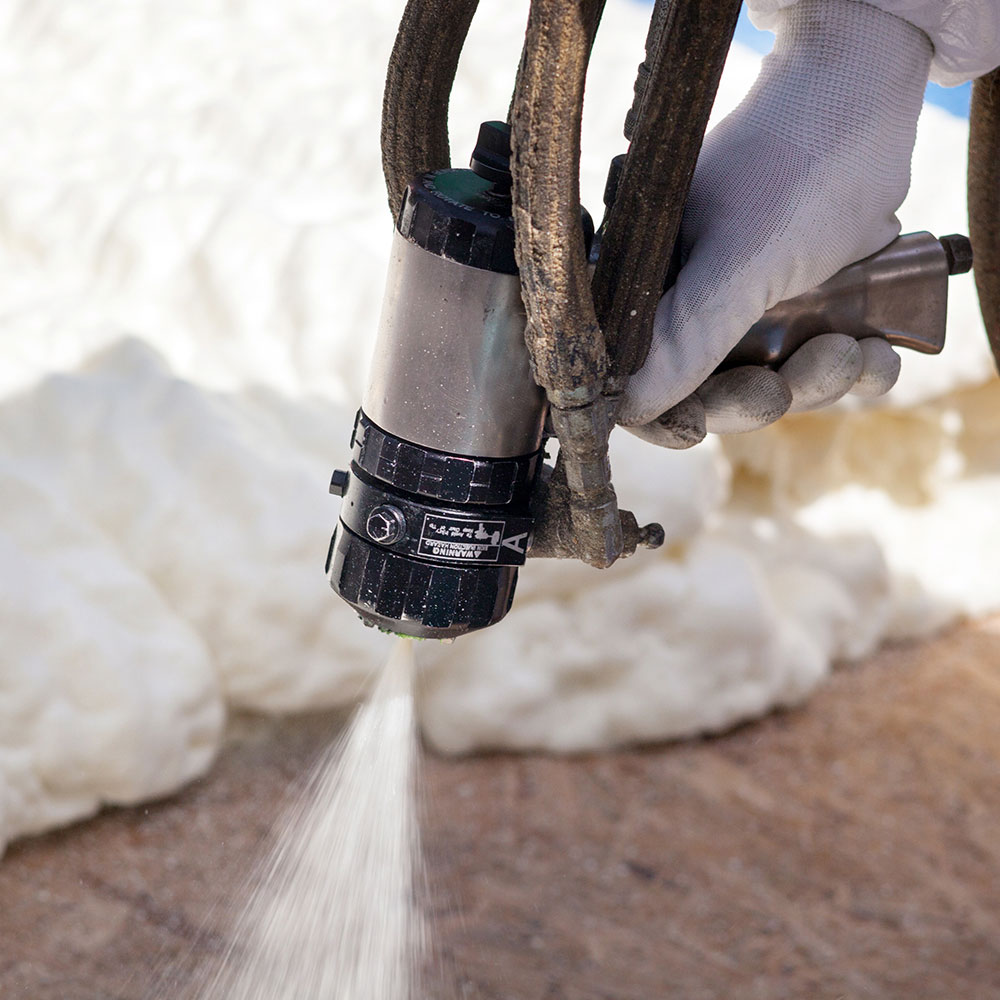
Contractor applying spray foam insulation in an attic

Did You Know?

Spray foam can seal gaps so effectively that it doubles as an air barrier, which is why a properly foamed home can feel dramatically less drafty almost overnight.

Spray Foam Cost. How Much Do Projects Cost?

Most projects run between $1,500 and $3,000. The average price is typically around $2,200.

Cost FactorTypical RangeNotes
Open-cell foam$0.44-$0.65 per board footLighter and more affordable
Closed-cell foam$1.00-$1.50 per board footDenser, better insulation and moisture resistance
Labor$50-$100 per hourExperienced application for correct coverage

Typical duration: 1 to 2 days

Last reviewed: 03/08/2026

Contractor applying spray foam insulation in an attic

Signs You Need Spray Foam

  • Drafts and air leaks throughout the home
  • High energy bills
  • Moisture issues in a crawl space or basement
  • Uneven temperatures
  • A desire for the highest-performing insulation

Is It Right For You?

Who It's For

  • Homeowners wanting top-tier insulation and air sealing
  • Anyone insulating moisture-prone crawl spaces or attics

Who It's Not For

  • Budget projects where blown-in or batt would suffice
  • Simple attic top-ups that don't need foam's performance

What to Watch Out For

Highest upfront cost of common insulation types

Foam's performance comes at a premium price

Professional application essential

Improper installation can trap moisture or off-gas

Alternatives to Consider

AlternativeBetter WhenWorse When
Blown-in insulationMuch cheaper for atticsLess effective as an air and moisture barrier
Batt insulationLowest costLeaves gaps and offers no air sealing

Is It Worth It?

For homes where efficiency and air sealing are priorities, spray foam's superior performance justifies the higher cost through years of energy savings.

Questions to Ask Your Pro

  1. Is open-cell or closed-cell right for this space?
  2. How do you prevent moisture issues after application?
  3. What's the expected energy savings for my home?
Contractor applying spray foam insulation in an attic

Frequently Asked Questions

On average, homeowners pay $1,500 to $3,000 for spray foam in walls and attic, including materials, labor, and prep work.

Closed-cell foam is denser and insulates better but costs more, running $1.00 to $1.50 per board foot versus $0.44 to $0.65 for open-cell.

The main drivers are the area size, the foam type, and installation complexity like accessibility and existing conditions.

Labor typically runs $50 to $100 per hour, and choosing an experienced contractor helps ensure the foam is applied correctly.

It expands to seal gaps, cracks, and voids, forming a solid barrier that stops air leakage and delivers excellent thermal insulation.

Related Articles

  • How Much Does Spray Foam Insulation Cost?

  • What Affects Spray Foam Insulation Cost?

  • Hidden Costs of Spray Foam Insulation

  • What to Expect During Spray Foam Insulation Installation

Related Services

  • Technician air sealing gaps around a residential window

    Air Sealing

    Sealing gaps around windows, doors, and penetrations to stop air leaks and energy loss.

  • Insulation pro blowing loose-fill insulation into a home attic

    Blown-In Insulation

    Loose-fill insulation blown into attics and walls to seal gaps and improve efficiency.

  • Contractor applying foam insulation inside a home wall cavity

    Foam Wall Insulation

    Foam insulation applied within walls to seal gaps and block air and moisture.

Go to Top