What Goes Wrong With Cabinets and Countertops?
New cabinets and countertops are a major kitchen investment, and mistakes, in measurement, planning, material choice, or installation, can lead to poor fit, functional problems, or a result that disappoints. Avoiding the common ones ensures a kitchen that fits, functions, and looks great. Here’s what goes wrong and how to avoid it.
Mistake: Inaccurate Measurements
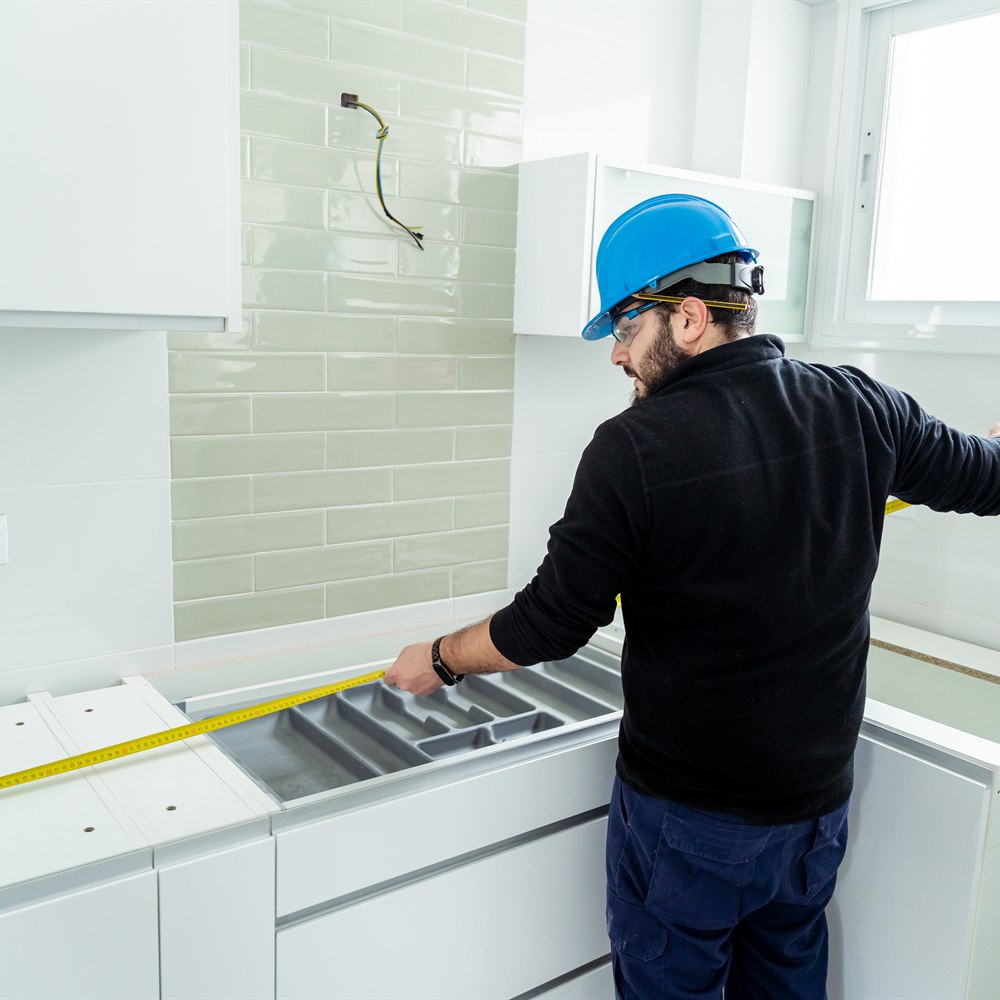
How to avoid it: Inaccurate measurements are a costly cabinet and countertop mistake, cabinets that don’t fit, gaps, or countertops cut wrong waste money and materials. Avoid it by ensuring precise, professional measurement, for stone counters, professional templating is essential. Cabinets must be measured to fit the space, and countertops templated precisely before fabrication. Because errors here are expensive (especially for custom cabinets and stone counters cut to size), accurate measurement is critical. Using a professional for measurement and templating, rather than risking DIY errors on expensive materials, prevents costly mistakes and ensures everything fits. (For more on this, see How to Budget and Pay for Cabinets and Countertops.)
Mistake: Ignoring Kitchen Workflow and Function
How to avoid it: Focusing on looks while ignoring how the kitchen functions leads to a beautiful kitchen that’s frustrating to use, poor workflow, inadequate storage, or awkward layouts. Avoid it by planning for function: the work triangle or zones (sink, stove, fridge), adequate and well-organized storage, counter space where you need it, and a layout that works for how you cook. A kitchen should be functional first, then beautiful. Prioritizing workflow and storage, not just appearance, in the cabinet and counter layout ensures the kitchen works well daily, which matters as much as how it looks.
Mistake: Wrong Material for Your Lifestyle
How to avoid it: Choosing a countertop material or cabinet finish that doesn’t suit your lifestyle leads to disappointment, a delicate material in a busy family kitchen, or one needing more maintenance than you’ll do. Avoid it by matching the material to your actual use: durable, low-maintenance options (like quartz) for busy kitchens, and finishes that hide wear if you have kids. Consider how much maintenance you’ll realistically do. Choosing materials suited to your lifestyle and use, rather than just looks, ensures you’re happy with them long-term and they hold up to your kitchen’s demands. (For more on this, see How Long Does a Cabinet and Countertop Installation Take?.)
Mistake: Skimping on Cabinet Quality
How to avoid it: Choosing the cheapest cabinets to save money can lead to cabinets that deteriorate, sag, or fail, drawers and doors that wear out, boxes that fall apart, especially in a hardworking kitchen. Avoid it by choosing reasonable-quality cabinets with sound construction (quality boxes, good hinges and slides), even within a budget grade. Cabinets endure daily use for years, so basic quality matters for longevity. While you needn’t buy the most expensive, avoiding bottom-tier cabinets that will fail ensures your kitchen lasts. Investing in reasonable cabinet quality is worth it for a durable kitchen.
Mistake: Poor Installation
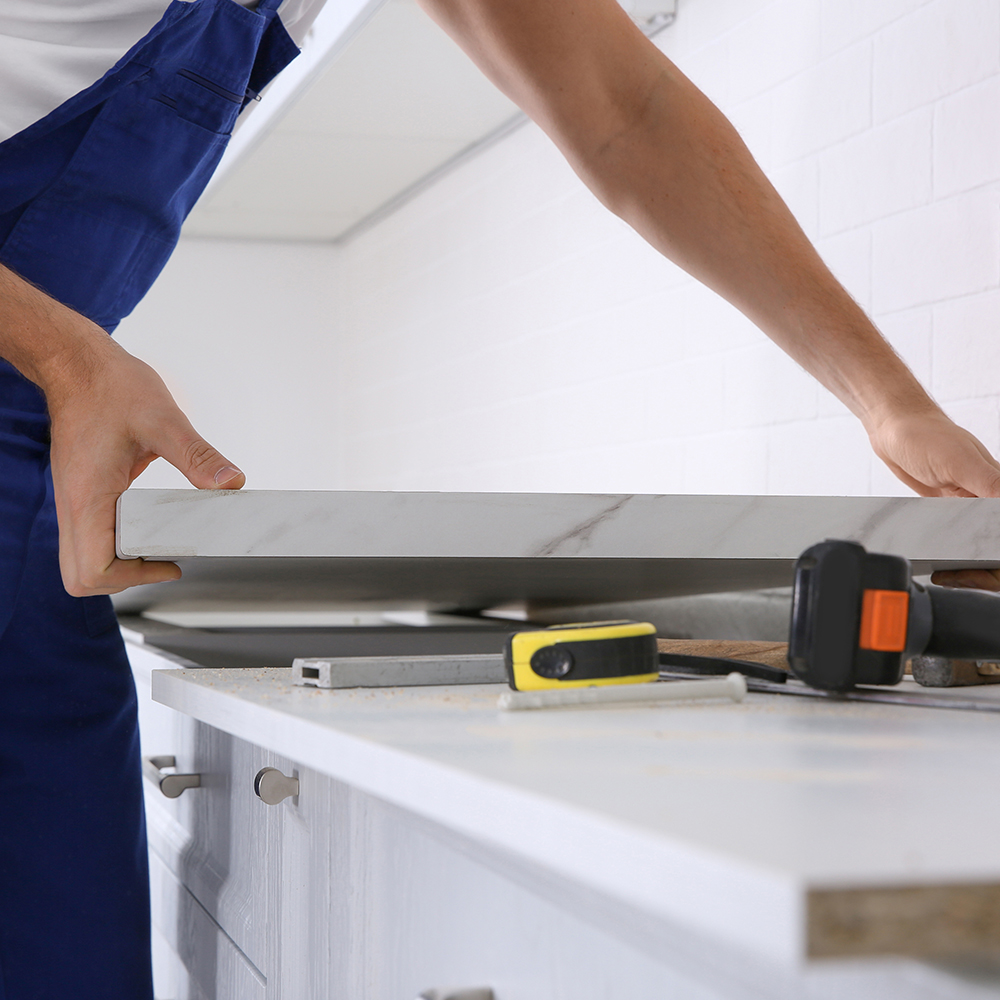
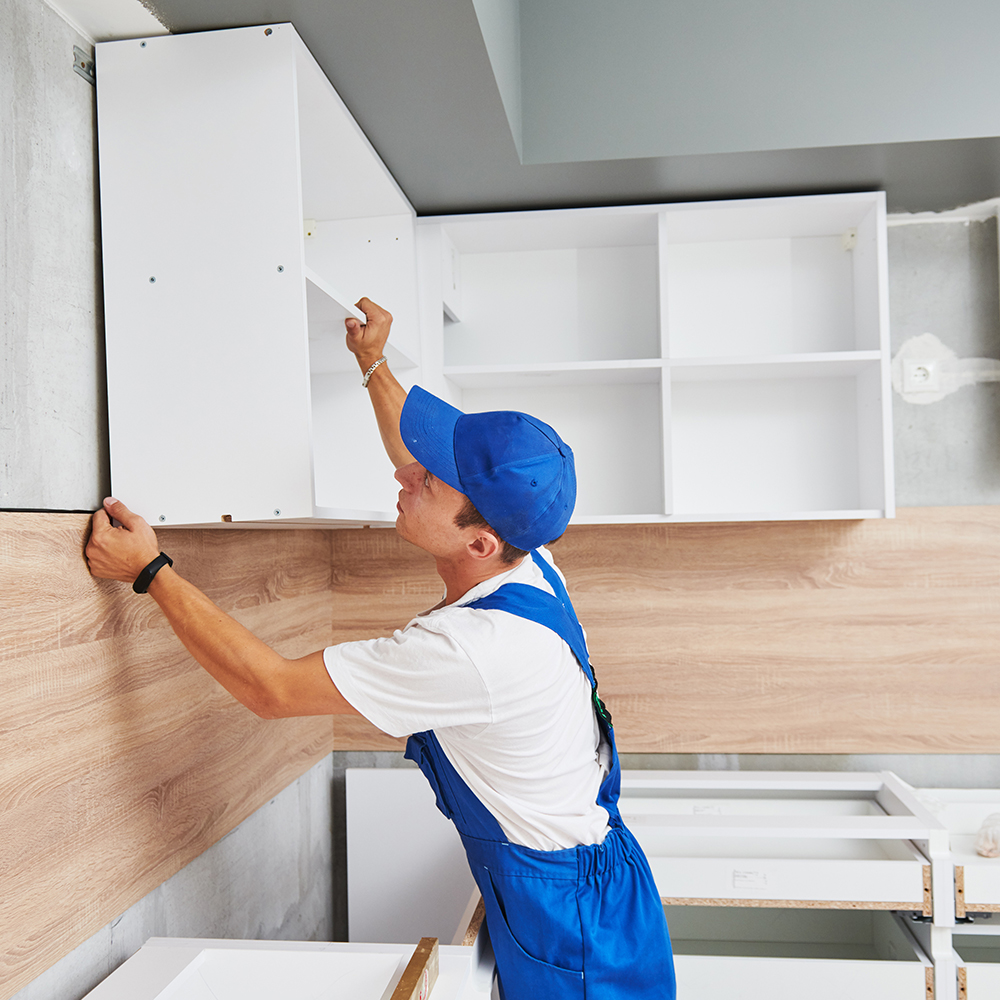
How to avoid it: Poor installation, cabinets not level or securely mounted, countertops improperly installed or seamed badly, or gaps and misalignments, ruins even good materials. Avoid it by using a skilled installer, especially for the precise work of leveling and mounting cabinets and installing stone countertops (which are heavy and require expertise). Cabinets must be level and secure, and stone counters properly supported and seamed. Poor installation of quality materials wastes the investment, so skilled installation is essential. For stone counters especially, professional installation is important given the weight and precision required.
Mistake: Underestimating the Full Cost
How to avoid it: Budgeting only for the cabinets and counters, and forgetting removal, plumbing, fabrication, hardware, backsplash, and modifications, leads to a project that costs more than expected. Avoid it by budgeting for the complete project, all the associated costs, not just the cabinet and counter materials. Getting a detailed, itemized quote reveals the full cost. Because these additional costs are substantial (fabrication and plumbing especially), planning for the complete project prevents the surprise of a bill well above the material prices. Understanding and budgeting for the full scope avoids financial stress mid-project.
The Mistake of Rushing the Planning and Decisions
An underlying mistake that contributes to many kitchen disappointments is rushing the planning and decision-making, treating a major, lasting, expensive project as something to decide quickly rather than thinking through carefully. Cabinets and countertops are a significant investment you’ll live with for many years, and the choices, the layout, the grade, the materials, the features, the style, all deserve careful consideration, yet the eagerness to get the kitchen done, or the pressure of a renovation timeline, sometimes leads homeowners to rush decisions they later regret. Rushing the layout planning can result in poor workflow or inadequate storage; rushing the material choice can mean a countertop that doesn’t suit your use; and rushing the style can lead to choices you tire of. Because these decisions are so lasting and the project so costly, the time invested in careful planning pays off far more than the time saved by rushing. (For more on this, see How to Choose the Best Cabinets and Countertops for Your Kitchen.)
Taking the time to plan thoroughly, ideally before ordering anything, prevents the whole category of regret-driven mistakes. This means thinking carefully about how you use your kitchen and planning the layout and storage around your actual cooking and habits, researching and considering the cabinet grades and countertop materials to choose ones suited to your budget, use, and taste, and visualizing the style to be confident you’ll love it long-term. It also means accounting for the full scope and cost upfront, so financial surprises don’t force rushed compromises mid-project. Given the long lead times for semi-custom and custom cabinets and stone counter fabrication, there’s often natural time in the process for this planning, and using it well, rather than rushing to decisions, leads to better outcomes. A good contractor or designer can help you think through the choices, and taking advantage of their guidance rather than rushing past it improves the result. The lesson is that a kitchen is too significant and lasting an investment to rush: the homeowners happiest with their kitchens are typically those who planned carefully, made considered decisions, and got the layout, materials, and style right through thought rather than haste. Investing the time to plan and decide well, rather than rushing a project you’ll live with for years, is one of the most important ways to avoid kitchen mistakes and end up with a space you’ll genuinely love.
Staying Ahead of Mistakes
The common cabinet and countertop mistakes, inaccurate measurements, ignoring workflow, the wrong material for your lifestyle, skimping on cabinet quality, poor installation, and underestimating the full cost, are all avoidable with careful planning and quality work. When you’re ready to connect with a qualified local pro, connect below.
Frequently Asked Questions
Inaccurate measurements, cabinets that don't fit, gaps, or countertops cut wrong waste money and materials. Ensure precise, professional measurement, and for stone counters, professional templating is essential. Because errors here are expensive (especially for custom cabinets and stone cut to size), accurate measurement is critical, so using a professional rather than risking DIY errors on expensive materials prevents costly mistakes and ensures everything fits.
Because focusing on looks while ignoring function leads to a beautiful kitchen that's frustrating to use, poor workflow, inadequate storage, or awkward layouts. Plan for function: the work triangle or zones (sink, stove, fridge), adequate organized storage, counter space where you need it, and a layout that works for how you cook. A kitchen should be functional first, then beautiful, so prioritizing workflow and storage ensures it works well daily.
Match the material to your actual use: durable, low-maintenance options (like quartz) for busy family kitchens, and finishes that hide wear if you have kids. Consider how much maintenance you'll realistically do, a delicate material or one needing frequent sealing may disappoint in a busy kitchen. Choosing materials suited to your lifestyle and use, rather than just looks, ensures you're happy with them long-term and they hold up.
They can be. Choosing the cheapest cabinets can lead to ones that deteriorate, sag, or fail, drawers and doors that wear out, boxes that fall apart, especially in a hardworking kitchen. Choose reasonable-quality cabinets with sound construction (quality boxes, good hinges and slides), even within a budget grade. Cabinets endure daily use for years, so basic quality matters for longevity, and avoiding bottom-tier cabinets ensures your kitchen lasts.
For quality results, especially with stone, yes. Poor installation, cabinets not level or securely mounted, countertops improperly installed or seamed, ruins even good materials. A skilled installer ensures cabinets are level and secure and stone counters (which are heavy and require expertise) are properly supported and seamed. Poor installation of quality materials wastes the investment, so skilled installation is essential, particularly for heavy stone counters.