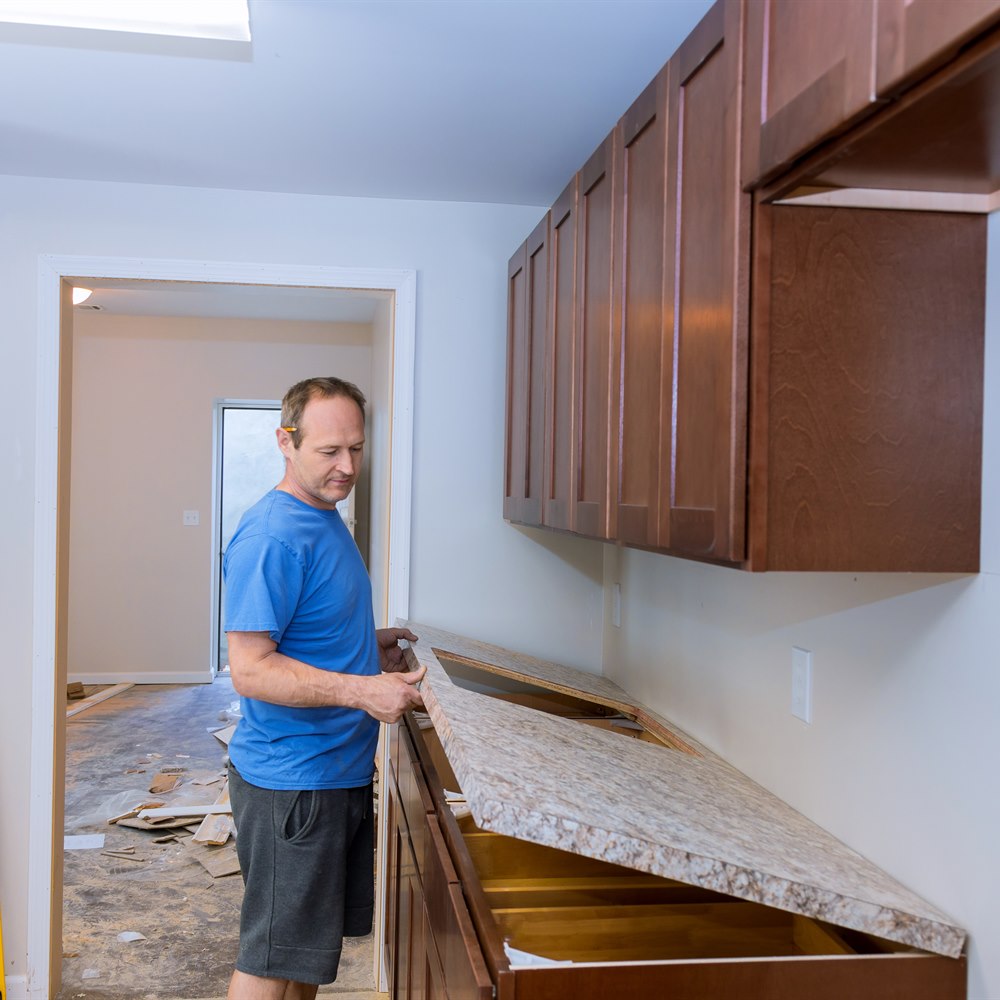
How Do You Choose the Right Cabinets and Countertops?
Choosing the best cabinets and countertops means matching the cabinet grade, countertop material, style, and features to your budget, how you use your kitchen, and your taste. These are major, lasting decisions that shape your kitchen’s function and look. Understanding how to choose helps you get a kitchen you’ll love. Here’s how to choose the best cabinets and countertops for your kitchen.
Choose the Cabinet Grade for Your Budget and Fit
Start with the cabinet grade, matched to your budget and how well standard options fit your kitchen. Choose stock for economy and standard-sized kitchens, semi-custom for more flexibility and a better fit at moderate cost, or custom for a perfect fit, unlimited design, and premium quality when budget allows. Consider whether your kitchen’s dimensions and your design vision are served by standard options (stock or semi-custom) or need custom. Matching the grade to your budget and your kitchen’s fit and design needs is the foundational cabinet decision that balances cost against customization.
Choose Countertops for Durability, Maintenance, and Budget
Choose the countertop material based on durability, maintenance, appearance, and budget, matched to your lifestyle. For a busy family kitchen, durable, low-maintenance quartz is excellent; for natural beauty with some upkeep, granite; for economy, laminate. Consider how you use the kitchen, how much maintenance you’ll do, and your budget. The countertop is a hardworking, prominent surface, so choosing a material that suits your use and holds up, while fitting your budget and appearance goals, is important. Matching the countertop material to your lifestyle and budget ensures a surface you’ll be happy with.
Plan for Function and Storage
Beyond materials, plan the cabinet layout for function and storage, since a kitchen must work well, not just look good. Consider the workflow (sink, stove, fridge relationship or zones), adequate storage (with organizers, pull-outs, and smart solutions), counter space where you need it, and a layout suited to how you cook. Investing in good storage and a functional layout, even if it means choosing features over the fanciest finishes, pays off daily. Prioritizing function and storage in your cabinet choices, alongside appearance, ensures the kitchen works beautifully in daily use, which matters as much as how it looks.
Match the Style to Your Home and Taste
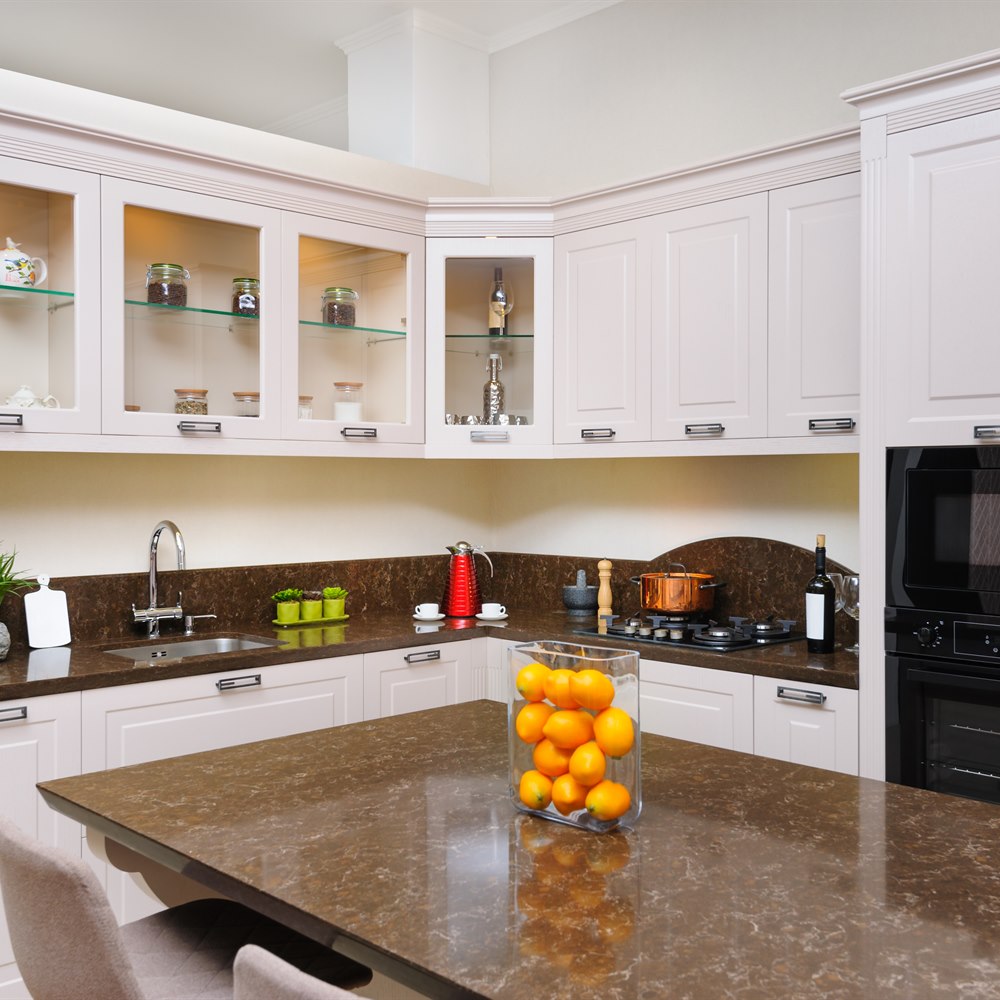
Choose a style, door style, finish, color, countertop look, that suits your home and your taste, and that you’ll be happy with long-term. Cabinets and counters are a major, long-lived visual element that sets the kitchen’s character, so the style matters. Consider your home’s overall style, whether you want a timeless or trendy look (timeless often ages better for such a lasting investment), and the atmosphere you want. Choosing a style that complements your home and that you’ll love for years, rather than a fleeting trend you may tire of, is important for a kitchen you’ll live with for a long time.
Consider Features and Where to Invest
Consider which features add value for you and where to invest for the best result. Soft-close hinges, pull-out shelves, organizers, quality hardware, and thoughtful storage solutions enhance function and enjoyment. Decide which features matter to you and where to invest, perhaps quality, durable countertops and good storage features, with a mid-range cabinet grade, or the reverse. Being strategic about which features and materials to prioritize, based on what you value and use most, gets the best kitchen for your budget. Choosing features and investments that enhance your actual use of the kitchen is part of choosing well. (For more on this, see The Real Cost of Kitchen Countertops Unveiled.)
Think Long-Term and Get Guidance
Because cabinets and countertops are a long-lived, high-impact investment, think long-term and get professional guidance. Consider durability, timelessness, and home value, choosing quality and enduring style for something you’ll live with for many years. A knowledgeable contractor or designer can guide you on grades, materials, layout, and choices that suit your kitchen, budget, and goals, and flag considerations you might miss. Combining your sense of what you want with professional expertise leads to the best decisions for a lasting, high-value kitchen. Thinking long-term and leaning on professional guidance helps you make choices you’ll be happy with for years. (For more on this, see How to Budget and Pay for Cabinets and Countertops.)
Making the Choice
Choose the best cabinets and countertops by matching the grade to your budget and fit, the countertop material to your lifestyle and budget, planning for function and storage, matching the style to your home, considering features and where to invest, and thinking long-term with professional guidance. That approach gets you a kitchen you’ll love and use for years. When you’re ready to plan your kitchen, connect with a local pro below. (For more on this, see What Makes Cabinets and Countertops Cost More (or Less)?.)
Frequently Asked Questions
Match the cabinet grade to your budget and how well standard options fit, choose countertops based on durability, maintenance, and budget matched to your lifestyle, plan the layout for function and storage, match the style to your home and taste, consider features and where to invest, and think long-term with professional guidance. Balancing cost, function, durability, and style for your kitchen and lifestyle is the foundation.
Match it to your budget and how well standard options fit your kitchen. Choose stock for economy and standard-sized kitchens, semi-custom for more flexibility and a better fit at moderate cost, or custom for a perfect fit, unlimited design, and premium quality when budget allows. Consider whether your kitchen's dimensions and design vision are served by standard options or need custom, balancing cost against customization.
Base it on durability, maintenance, appearance, and budget, matched to your lifestyle. For a busy family kitchen, durable, low-maintenance quartz is excellent; for natural beauty with some upkeep, granite; for economy, laminate. Consider how you use the kitchen, how much maintenance you'll do, and your budget. The countertop is a hardworking, prominent surface, so choosing one that suits your use and holds up while fitting your budget matters.
Both, but don't sacrifice function for looks. Plan the cabinet layout for function and storage, the workflow (sink, stove, fridge), adequate storage with organizers and pull-outs, counter space where you need it, alongside a style you love. A kitchen must work well daily, not just look good, so prioritizing function and storage in your cabinet choices, together with appearance, ensures the kitchen works beautifully as well as looking great.
Timeless often ages better for such a lasting, high-impact investment. Cabinets and counters set the kitchen's character and you'll live with them for many years, so a timeless style you'll be happy with long-term, rather than a fleeting trend you may tire of, is usually the wiser choice. Consider your home's overall style and the atmosphere you want, choosing enduring style and quality for something that affects your home for a long time.