
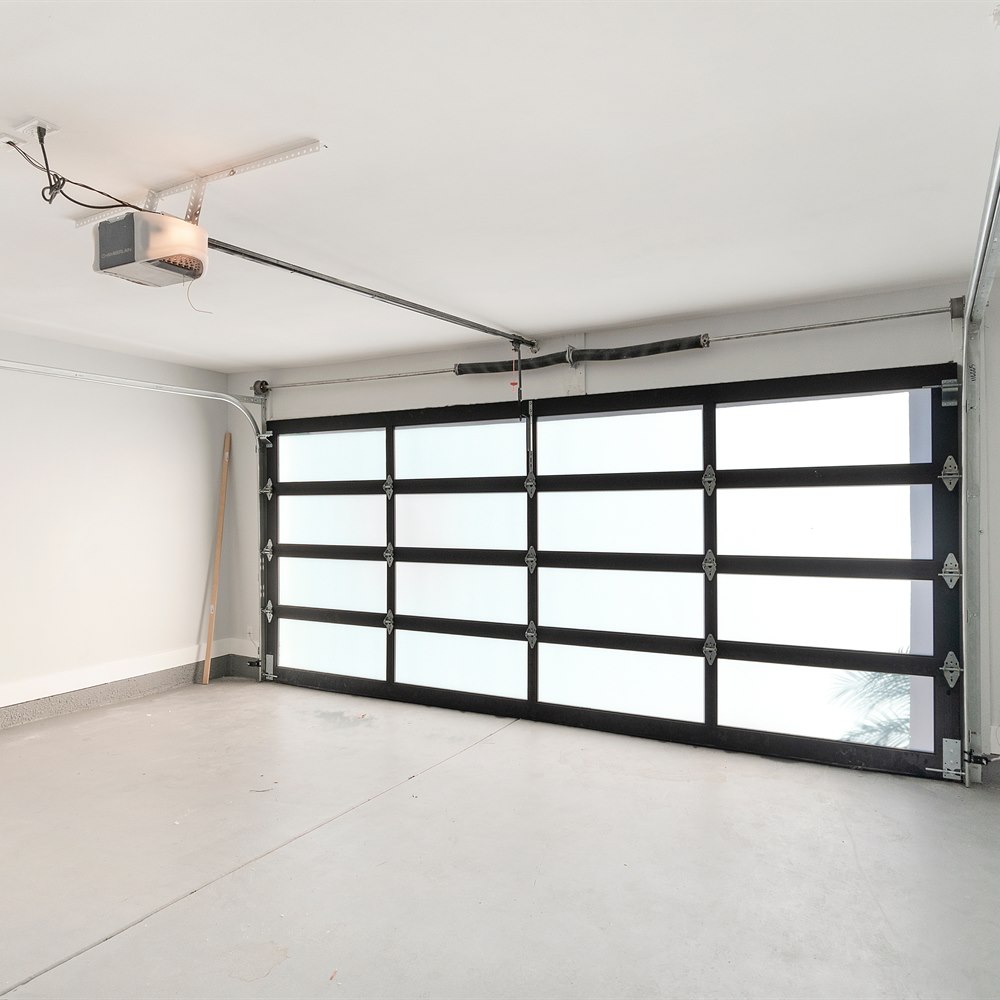
When Should You Replace Your Garage Door Opener?
Garage door openers last 10 to 15 years with normal use. Knowing when to replace rather than repair saves money and prevents unexpected failures. Here is how to make the decision correctly.
Replace Immediately: Missing Safety Features
Any opener manufactured before 1993 that lacks auto-reverse and photo-eye sensors should be replaced regardless of how well it operates. These safety features are non-negotiable. An older opener without them is a safety risk for children and pets, and the operational cost of using an unsafe opener is not worth the savings over a new unit at $325 to $1,200 installed.
Replace Soon: The 10 to 15-Year Threshold
Openers at 10 to 15 years of age are approaching the end of their designed service life. At this age, the likelihood of motor failure, circuit board failure, or structural fatigue increases noticeably. Replacing a 12-year-old opener proactively before it fails at 6 AM on a winter morning is a better experience than replacing it as an emergency. Proactive replacement also allows thoughtful selection of the new unit rather than a rushed decision.
Replace vs. Repair: The Cost Threshold
For an opener under 10 years old: repair a specific failed component (capacitor, circuit board, broken gear) if repair cost is under 40 to 50 percent of replacement cost. For an opener over 10 years old with a failed circuit board, motor, or major component: replacement is typically more economical than repair when repair cost exceeds 30 to 40 percent of a new unit’s cost, because additional components are likely to fail in the near future on an aged unit. (For more on this, see When to Repair vs. Replace a Garage Door Opener.)
Replace for Lifestyle Upgrade
A functional 10-year-old chain-drive opener without smart features or battery backup is a reasonable candidate for proactive replacement if smartphone control, battery backup, or quieter operation are priorities. The cost of replacing a functional but outdated opener is the same as replacing a failed one, and the proactive replacement avoids an emergency failure experience.
Signs an Opener Is Near the End of Its Life
Increasingly slow or labored door operation. Excessive noise beyond what lubrication addresses. Intermittent remote operation not explained by battery issues. Frequent breaker trips or motor warmth after normal operation. Visible corrosion on the chain or rail. These are the observable signs that a garage door opener is reaching the end of its reliable service life.
Working With a Contractor on This Project
Getting the right outcome on any home services project starts before the work begins. A few consistent practices make the difference between a smooth project and a frustrating one.
Get at least two or three quotes. A single quote gives you no basis for comparison. Two or three quotes reveal the market rate for the work, expose scope differences between bidders, and let you assess contractor communication quality before any commitment is made. The lowest bid is not automatically the best value if the scope is thin or the materials are underspecified.
Ask for licenses and insurance before work starts. Verify current general liability insurance and, for any work involving workers on your property, workers compensation coverage. Licensing requirements vary by state and trade; confirm the specific requirements in your jurisdiction. A licensed contractor who carries appropriate insurance protects both parties if something goes wrong during the project.
Get the scope in writing. A written proposal that specifies materials, labor scope, timeline, what is included (permits, cleanup, disposal), and warranty terms is the foundation of a professional engagement. Verbal agreements on any of these points invite misunderstanding. For any project over $500, written scope is non-negotiable.
Clarify the payment schedule upfront. A reasonable payment schedule ties major payments to project milestones: a deposit at signing, a payment at material delivery or project start, and a final payment at completion after a walkthrough confirms satisfaction. A contractor who requires full payment upfront before work begins is a red flag in any trade.
Making a Confident Decision
The information in this article is designed to help you ask better questions of the professionals you work with, evaluate their answers with more confidence, and understand the decisions involved in this type of home services project. It is not a substitute for professional assessment of your specific home. (For more on this, see Questions to Ask a Garage Door Opener Installer.)
Every home is different. Roof slopes, local weather, tree exposure, soil conditions, and existing system condition all affect what the right solution is for your specific situation. The general principles here apply broadly, but a professional who assesses your home in person will give you guidance that accounts for the details that general articles cannot.
When you are ready to move forward, getting at least two or three quotes from licensed, insured, local contractors is the most important practical step. It lets you compare approaches, assess contractor quality, and confirm that the solution proposed matches your specific situation and budget.
Cost figures on this page were checked against published pricing on August 23, 2026. How we source cost data.