How Are Radon and Basement Waterproofing Related?
Radon enters a home through the same foundation pathways as water: cracks in the slab and walls, the wall-floor joint, utility penetrations, sump pits, and exposed crawl space soil. That overlap is why sealing those entry points during waterproofing reduces radon infiltration along with moisture, though sealing alone is usually not enough to get below the EPA action level of 4 picocuries per liter, which generally takes a sub-slab depressurization system. Radon is a naturally occurring radioactive gas from uranium decay in soil, and the EPA estimates it is the second-leading cause of lung cancer in the US, responsible for approximately 21,000 deaths a year. Understanding the overlap lets the two basement projects share access points.
How Radon Enters the Foundation
Radon travels through soil and enters buildings through: cracks in the slab or foundation walls, the wall-floor joint, utility penetrations (pipe and wire entries through the slab or walls), sump pits (which connect directly to the soil beneath the slab), and exposed soil in crawl spaces. The same pathways that allow water to enter also allow radon to enter — which means sealing water entry points (crack injection, joint sealing) reduces radon entry in addition to moisture infiltration. The EPA estimates that radon exposure is the second-leading cause of lung cancer in the US (after cigarette smoking), responsible for approximately 21,000 deaths per year. The EPA action level is 4 picocuries per liter (pCi/L) — above this level, mitigation is recommended.
Radon Testing: The Essential First Step
Test before waterproofing: radon levels change when basement conditions change (sealing the basement can both reduce radon entry through sealed pathways and increase concentrations by reducing ventilation). Test with a short-term test kit ($15 to $30 at hardware stores) placed in the lowest livable area for 2 to 7 days, or a long-term test (90 days to 1 year) for the most accurate reading. Test after any major basement work (waterproofing, finishing) to confirm radon levels remain below the action level. (For more on this, see Basement Waterproofing Questions to Ask Before Hiring.) The EPA identifies radon as the second leading cause of lung cancer and recommends testing any home, new or old.
Sub-Slab Depressurization: Radon Mitigation
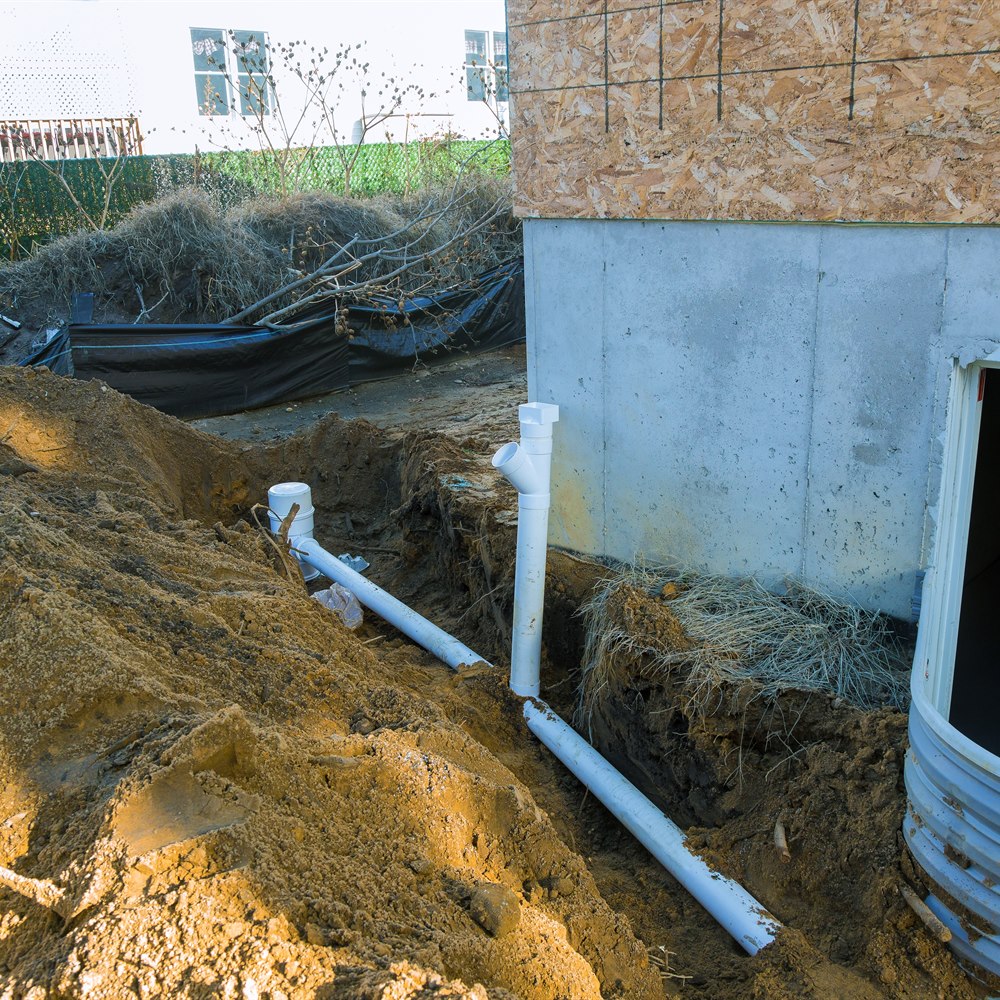
The most effective radon mitigation system for a slab foundation is sub-slab depressurization (SSD): a PVC pipe is inserted through the slab into the gravel layer beneath it and connected to a fan that draws air (and radon) from beneath the slab and discharges it above the roofline. Cost: $800 to $2,500 professionally installed. The system operates continuously. For crawl spaces: a similar soil suction system is installed beneath the vapor barrier. Radon mitigation and basement waterproofing can often share an access point through the slab — coordinating the two projects reduces the total disruption and can save on installation costs.
Working With a Contractor on This Project
Getting the right outcome on any home services project starts before the work begins. A few consistent practices make the difference between a smooth project and a frustrating one.
Get at least two or three quotes. A single quote gives you no basis for comparison. Two or three quotes reveal the market rate for the work, expose scope differences between bidders, and let you assess contractor communication quality before any commitment is made. The lowest bid is not automatically the best value if the scope is thin or the materials are underspecified.
Ask for licenses and insurance before work starts. Verify current general liability insurance and, for any work involving workers on your property, workers compensation coverage. Licensing requirements vary by state and trade; confirm the specific requirements in your jurisdiction. A licensed contractor who carries appropriate insurance protects both parties if something goes wrong during the project.
Get the scope in writing. A written proposal that specifies materials, labor scope, timeline, what is included (permits, cleanup, disposal), and warranty terms is the foundation of a professional engagement. Verbal agreements on any of these points invite misunderstanding. For any project over $500, written scope is non-negotiable.
Clarify the payment schedule upfront. A reasonable payment schedule ties major payments to project milestones: a deposit at signing, a payment at material delivery or project start, and a final payment at completion after a walkthrough confirms satisfaction. A contractor who requires full payment upfront before work begins is a red flag in any trade.
Making a Confident Decision
The information in this article is designed to help you ask better questions of the professionals you work with, evaluate their answers with more confidence, and understand the decisions involved in this type of home services project. It is not a substitute for professional assessment of your specific home.
Every home is different. Roof slopes, local weather, tree exposure, soil conditions, and existing system condition all affect what the right solution is for your specific situation. The general principles here apply broadly, but a professional who assesses your home in person will give you guidance that accounts for the details that general articles cannot.
When you are ready to move forward, getting at least two or three quotes from licensed, insured, local contractors is the most important practical step. It lets you compare approaches, assess contractor quality, and confirm that the solution proposed matches your specific situation and budget.
Ranges here are national ballpark figures, not quotes. Actual pricing varies by region, home condition, materials, and contractor. How we source cost data.