What Should You Ask Before Starting Aging-in-Place Remodeling?
Ask five things before you sign an aging-in-place contract: whether the contractor recommends and works with an occupational therapist, exactly where blocking will go and at what height, how the design handles future needs and not just current ones, the brand and load rating of the grab bars, and whether permits are required. Those answers tell you whether the modifications suit the specific individual and are built to last.
Have You Worked With an Occupational Therapist?
Ask the contractor: ‘Do you typically recommend an occupational therapist assessment before starting an aging-in-place project?’ and ‘Can you refer me to an OT you work with?’ A contractor who actively supports the OT assessment as part of the process is working in the client’s best interest. The OT assessment defines appropriate scope; the contractor implements it. This collaboration produces better outcomes than either professional working independently.
What Blocking Will You Install for Future Grab Bars?
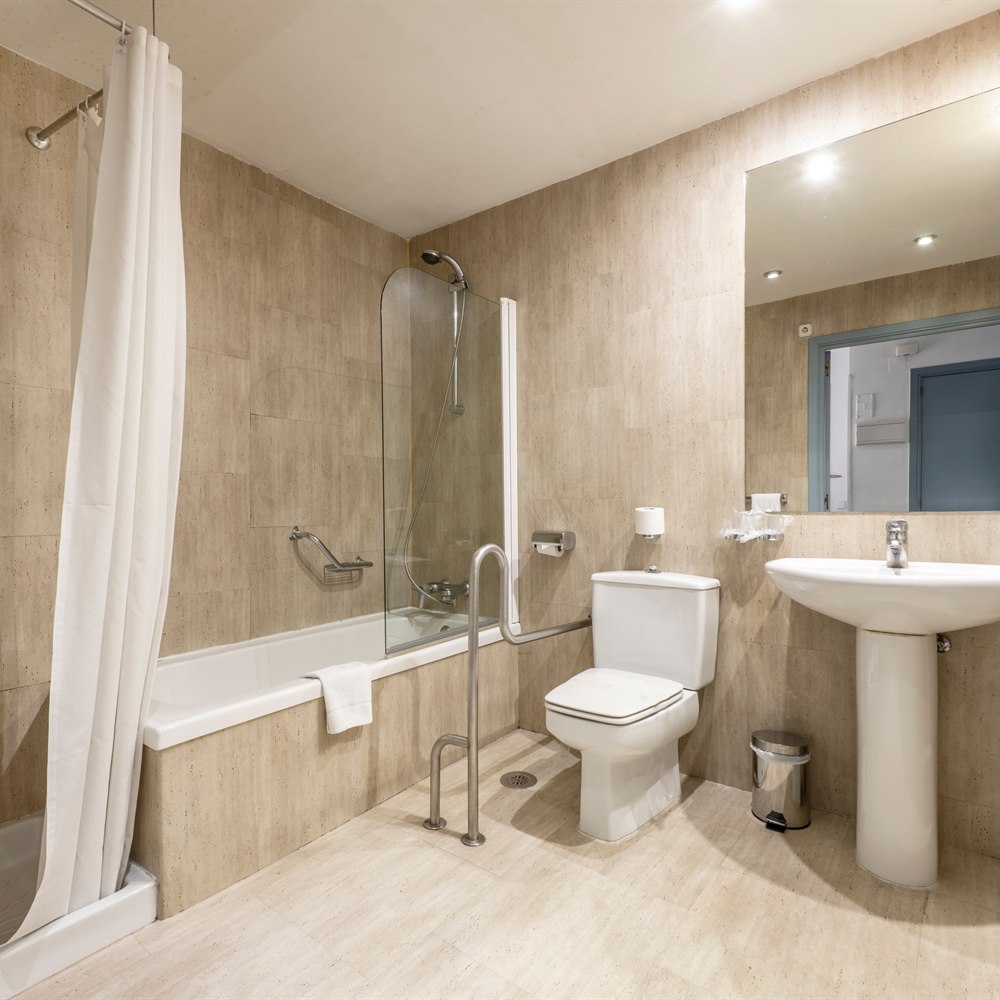
For any bathroom work being done: ask the contractor to specify where blocking will be installed and the dimensions. Blocking should go at the toilet area (at the height range of 33 to 36 inches from the floor, on both sides of the toilet), at the shower entry, at the shower seat, and at the shower walls where grab bars may be added. A contractor who installs blocking proactively throughout the bathroom — even in areas where bars are not currently being installed — is practicing the highest standard of aging-in-place work. Ask to see the blocking plan before work begins. (For more on this, see How to Find the Best Aging-in-Place Contractor.)
How Are You Addressing Future Needs vs. Current Needs?
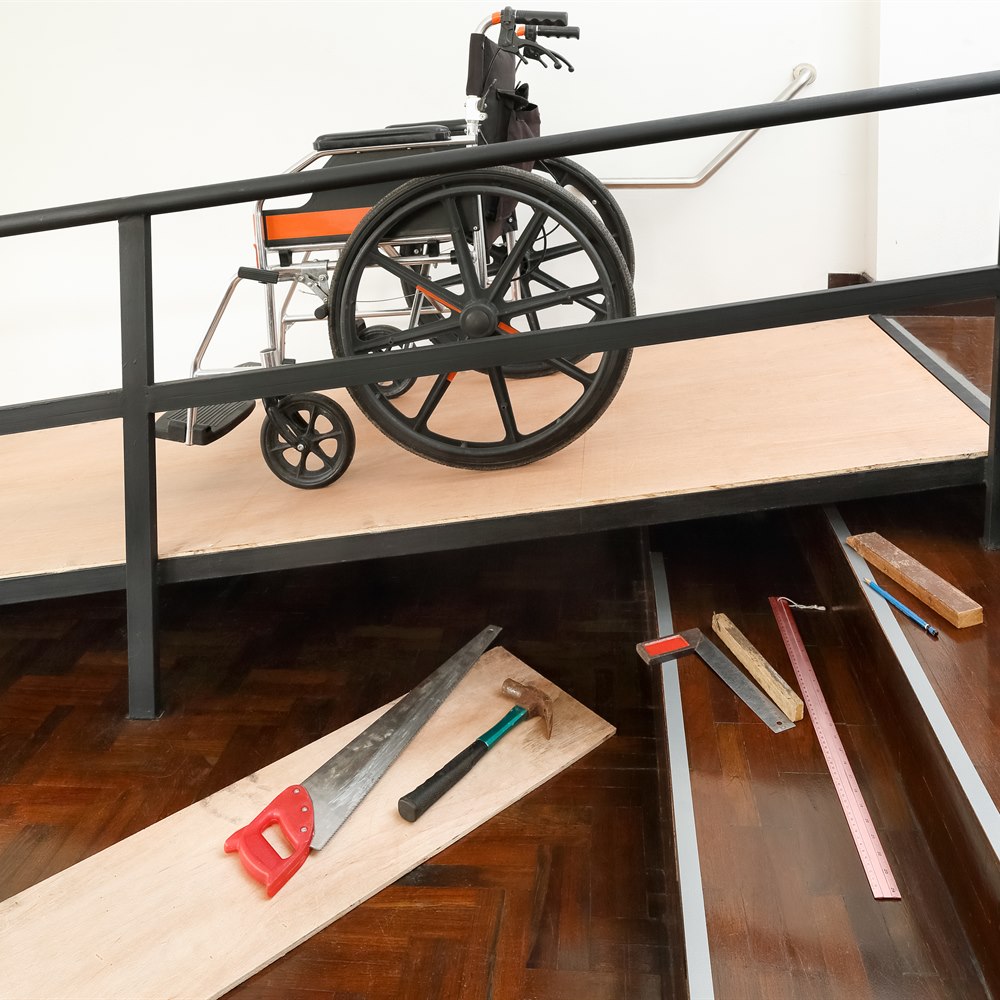
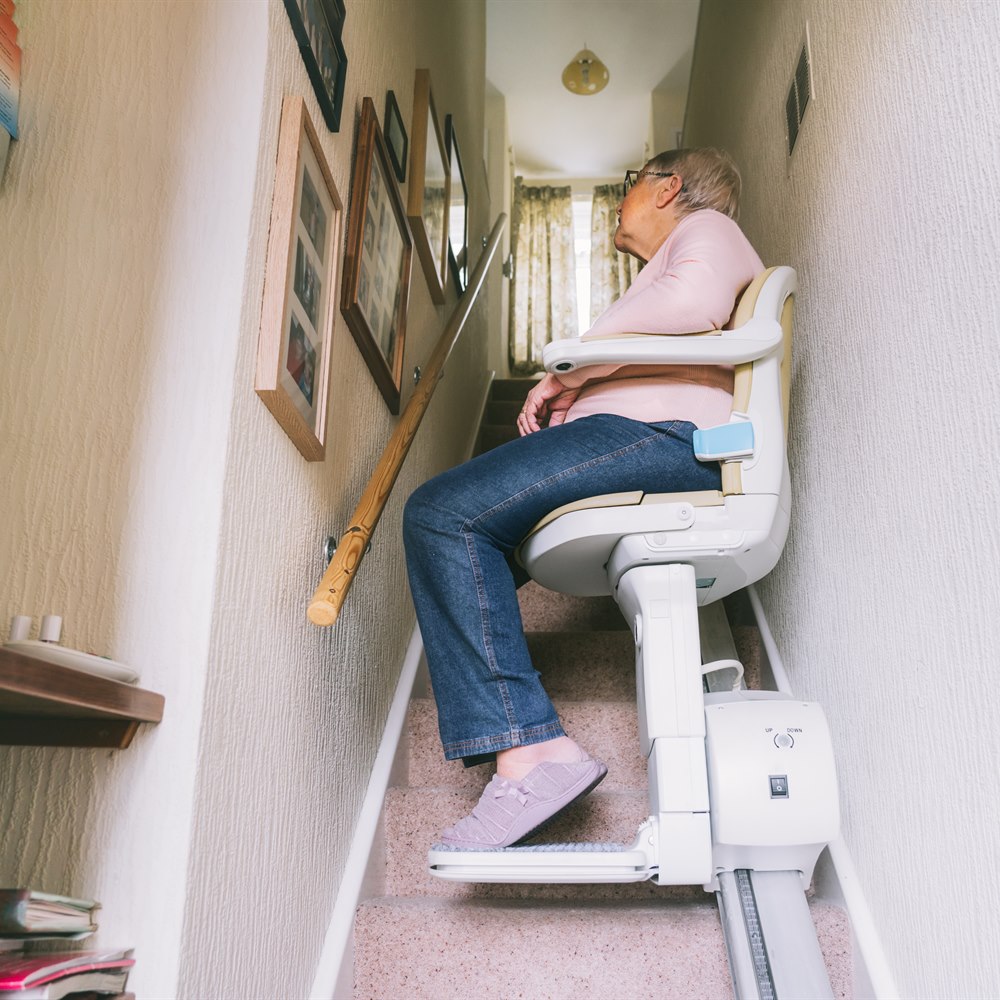
Aging-in-place remodeling should ideally address both current limitations and anticipated future needs — particularly for individuals who are currently ambulatory but expect progressive mobility changes. A curbless shower that accommodates a walker now will accommodate a wheelchair in the future. Blocking for grab bars that are not installed now makes future installation trivial. Ask the contractor: ‘What would we need to add or change if this person eventually uses a wheelchair?’ The answer reveals whether the contractor is thinking about future-proofing or only addressing the current situation. (For more on this, see Common Aging-in-Place Remodeling Mistakes and How to Avoid Them.) The CDC’s STEADI initiative treats home modification as a core part of reducing fall risk for older adults.
What Products Do You Specify for Grab Bars and Why?
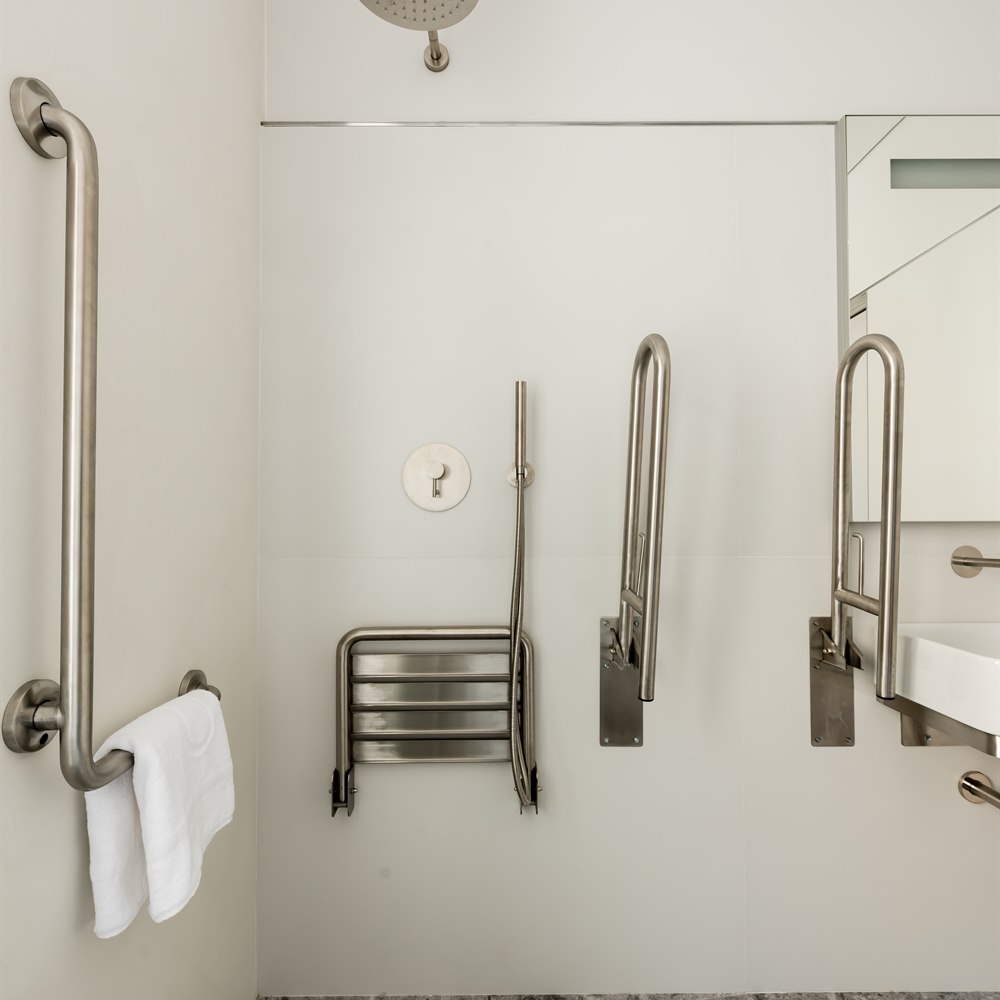
Grab bars have significant quality variation. A quality grab bar is rated for 250 pounds minimum. Stainless steel or heavy-gauge aluminum with a brushed or textured finish (not chrome — chrome is slippery when wet). Diameter between 1.25 and 1.5 inches (the ADA-specified range for comfortable grip). Ask the contractor what brand and product they specify and why. A contractor who specifies grab bars by brand and load rating is applying professional standards; one who says ‘standard grab bars from the hardware store’ without further specification may be installing inadequately rated products. (For more on this, see Questions to Ask an Aging-in-Place Remodeling Contractor.)
Working With a Contractor on This Project
Getting the right outcome on any home services project starts before the work begins. A few consistent practices make the difference between a smooth project and a frustrating one.
Get at least two or three quotes. A single quote gives you no basis for comparison. Two or three quotes reveal the market rate for the work, expose scope differences between bidders, and let you assess contractor communication quality before any commitment is made. The lowest bid is not automatically the best value if the scope is thin or the materials are underspecified.
Ask for licenses and insurance before work starts. Verify current general liability insurance and, for any work involving workers on your property, workers compensation coverage. Licensing requirements vary by state and trade; confirm the specific requirements in your jurisdiction. A licensed contractor who carries appropriate insurance protects both parties if something goes wrong during the project.
Get the scope in writing. A written proposal that specifies materials, labor scope, timeline, what is included (permits, cleanup, disposal), and warranty terms is the foundation of a professional engagement. Verbal agreements on any of these points invite misunderstanding. For any project over $500, written scope is non-negotiable.
Clarify the payment schedule upfront. A reasonable payment schedule ties major payments to project milestones: a deposit at signing, a payment at material delivery or project start, and a final payment at completion after a walkthrough confirms satisfaction. A contractor who requires full payment upfront before work begins is a red flag in any trade.
Making a Confident Decision
The information in this article is designed to help you ask better questions of the professionals you work with, evaluate their answers with more confidence, and understand the decisions involved in this type of home services project. It is not a substitute for professional assessment of your specific home.
Every home is different. Roof slopes, local weather, tree exposure, soil conditions, and existing system condition all affect what the right solution is for your specific situation. The general principles here apply broadly, but a professional who assesses your home in person will give you guidance that accounts for the details that general articles cannot.
When you are ready to move forward, getting at least two or three quotes from licensed, insured, local contractors is the most important practical step. It lets you compare approaches, assess contractor quality, and confirm that the solution proposed matches your specific situation and budget.
Ranges here are national ballpark figures, not quotes. Actual pricing varies by region, home condition, materials, and contractor. How we source cost data.