What Should You Ask Before Hiring a Driveway Contractor?
Ask what depth of base material goes in and how it will be compacted, which direction the driveway drains and at what slope, how control joints or asphalt edging are handled, who pulls the permit, and what the warranty covers. A quality base answer sounds like 6 inches of Class II base rock compacted in two lifts; an answer specifying less than 4 inches, or no depth at all, is a warning sign. Drainage should run away from the home at a slope of at least 1 percent.
What Is Your Base Specification?
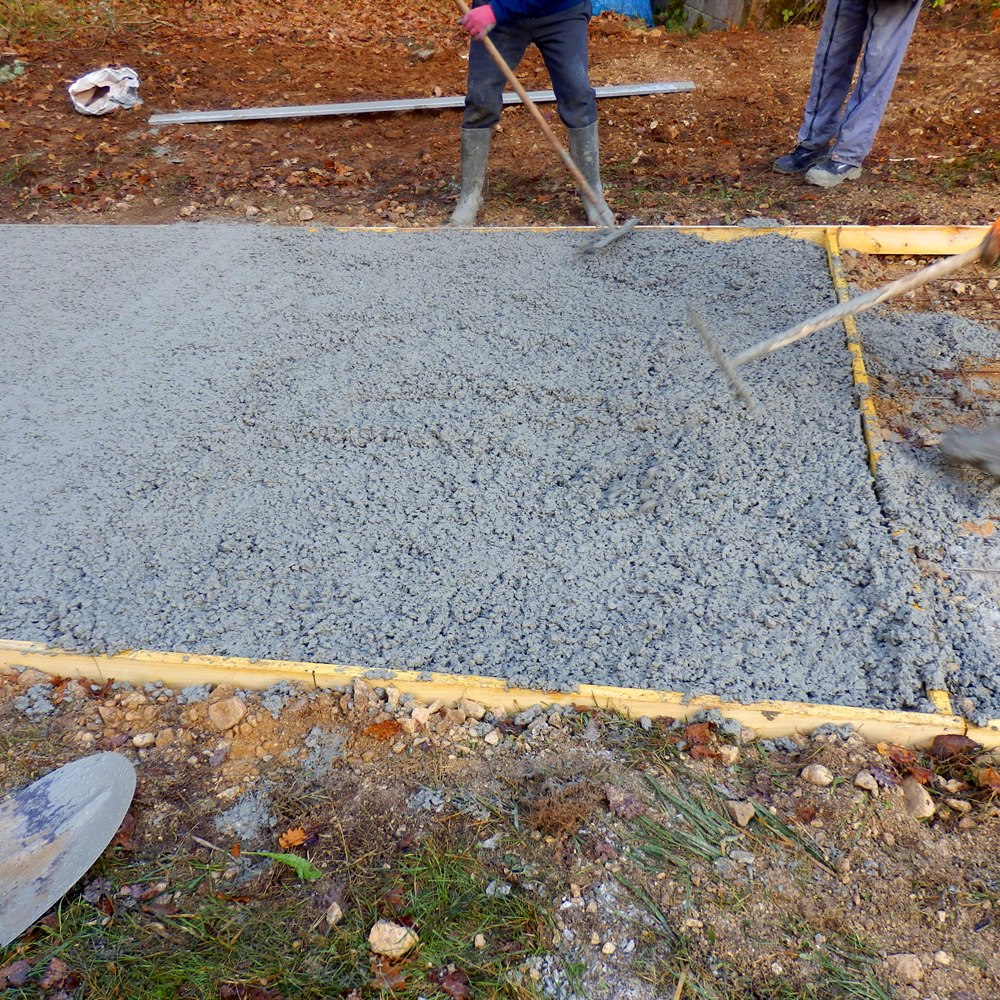
Ask: “What depth of base material will you install, what material will you use, and how will you compact it?” A quality answer: “We’ll install 6 inches of Class II base rock, compacted in two lifts with a plate compactor, and a final pass with a roller.” A vague answer (“we’ll prep it right”) or an answer that specifies less than 4 inches: a warning sign. The base is the most important element of a long-lasting driveway and the most commonly cut-corner element in low-quality installations. Get the base specification in writing.
How Will You Manage Drainage?
Ask: “What direction will the driveway slope and how will you ensure the drainage is correct?” The contractor should describe the drainage direction (away from the home), the approximate slope percentage (at least 1 percent), and how they will confirm the grade before paving. If the site has a complex grade (sloping toward the garage, for example): ask specifically what mitigation they will install (crown, channel drain, or grade adjustment). (For more on this, see How to Find a Reliable Driveway Contractor.)
Who Is Responsible for the Permit?
Ask: “Is the permit fee included in your quote, and will you be pulling the permit?” Most experienced driveway contractors pull the permit as part of their standard process (it protects their work and is required for the curb cut approval). A contractor who says “we don’t bother with permits for driveways” is either doing work that does not require a permit in your jurisdiction (possible for some simple replacements) or is doing unpermitted work that creates future liability for you. (For more on this, see Questions to Ask a Driveway Contractor.)
Working With a Contractor on This Project
Getting the right outcome on any home services project starts before the work begins. A few consistent practices make the difference between a smooth project and a frustrating one.
Get at least two or three quotes. A single quote gives you no basis for comparison. Two or three quotes reveal the market rate for the work, expose scope differences between bidders, and let you assess contractor communication quality before any commitment is made. The lowest bid is not automatically the best value if the scope is thin or the materials are underspecified.
Ask for licenses and insurance before work starts. Verify current general liability insurance and, for any work involving workers on your property, workers compensation coverage. Licensing requirements vary by state and trade; confirm the specific requirements in your jurisdiction. A licensed contractor who carries appropriate insurance protects both parties if something goes wrong during the project.
Get the scope in writing. A written proposal that specifies materials, labor scope, timeline, what is included (permits, cleanup, disposal), and warranty terms is the foundation of a professional engagement. Verbal agreements on any of these points invite misunderstanding. For any project over $500, written scope is non-negotiable.
Clarify the payment schedule upfront. A reasonable payment schedule ties major payments to project milestones: a deposit at signing, a payment at material delivery or project start, and a final payment at completion after a walkthrough confirms satisfaction. A contractor who requires full payment upfront before work begins is a red flag in any trade. (For more on this, see Driveway Permits and HOA Approval: What You Need Before You Start.)
Making a Confident Decision
The information in this article is designed to help you ask better questions of the professionals you work with, evaluate their answers with more confidence, and understand the decisions involved in this type of home services project. It is not a substitute for professional assessment of your specific home.
Every home is different. Roof slopes, local weather, tree exposure, soil conditions, and existing system condition all affect what the right solution is for your specific situation. The general principles here apply broadly, but a professional who assesses your home in person will give you guidance that accounts for the details that general articles cannot.
When you are ready to move forward, getting at least two or three quotes from licensed, insured, local contractors is the most important practical step. It lets you compare approaches, assess contractor quality, and confirm that the solution proposed matches your specific situation and budget.
Driveway Installation Cost at a Glance
Asphalt: $3 to $7 per square foot installed.
Concrete: $6 to $12 per square foot installed.
Pavers: $10 to $25 per square foot installed.
Overall range: $3,000 to $15,000, averaging $7,000 for a typical two-car driveway.
Ranges here are national ballpark figures, not quotes. Actual pricing varies by region, home condition, materials, and contractor. How we source cost data.