What Does a New Driveway Cost?
A new driveway typically costs $3,000 to $15,000, averaging around $7,000 for a two-car residential installation. Asphalt runs $3 to $7 per square foot installed, concrete $6 to $12, and pavers $10 to $25. Material and square footage are the two biggest variables; site conditions move the total from there.
The table below assumes a standard two-car driveway of roughly 600 square feet, 20 by 30 feet, and includes removal of one existing driveway layer, base preparation, and installation. (For more on this, see What Affects the Cost of Driveway Installation?.)
| Material | 600 square feet installed | Service life |
|---|---|---|
| Gravel (4-inch compacted depth) | $1,000 to $2,500 | Requires periodic replenishment |
| Asphalt (2 to 3 inch compacted thickness) | $3,000 to $5,500 | 20 to 30 years |
| Concrete (4-inch slab with rebar) | $5,500 to $8,500 | 30 to 50 years |
| Stamped or exposed aggregate concrete | $8,000 to $13,000 | Same as standard concrete |
| Concrete or brick pavers | $9,000 to $18,000 | 25 to 50 years |
Cost figures on this page were checked against published pricing on September 2, 2026. How we source cost data.
Driveway Materials Compared
Asphalt: $3 to $7 per Square Foot
Asphalt is the most economical paved option and the most common residential choice. A 600-square-foot two-car driveway runs $1,800 to $4,200 in material and installation before removal of the old surface. Thickness (2 inch versus 3 inch), base preparation, and local asphalt prices, which track petroleum costs, set where you land in the range. (For more on this, see Hidden Costs of Driveway Installation.)
Asphalt needs resealing every 3 to 5 years at $250 to $500 per application and resurfacing every 12 to 20 years. It is the easiest surface to repair. It softens in extreme heat and is not suitable for very hot climates without a high-temperature mix specification.
Concrete: $6 to $12 per Square Foot
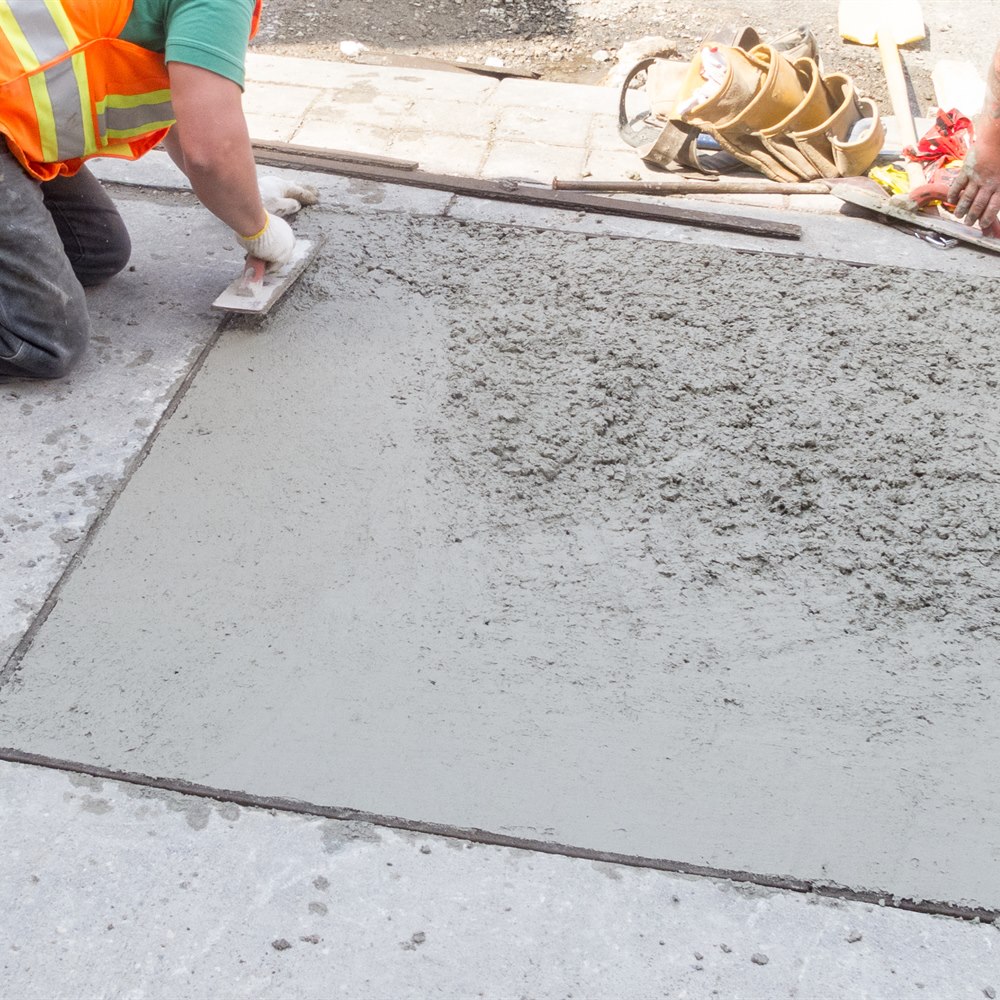
Concrete costs roughly twice as much per square foot as asphalt but lasts 30 to 50 years with far less maintenance. A 600-square-foot driveway runs $3,600 to $7,200 in material and installation. Cost depends on slab thickness (4 inch versus 6 inch), reinforcement with rebar or fiber, and finish. Concrete can be finished plain, brushed, exposed aggregate, or stamped, and a decorative finish adds $4 to $8 per square foot over a standard broom finish without changing durability.
Concrete does not require regular sealing, though sealing improves appearance, and it needs only periodic crack filling. Its weakness is cracking from freeze-thaw cycles and heavy vehicle loads when rebar reinforcement and control joints are inadequate. For homeowners planning to stay for decades, the lower lifetime maintenance cost usually makes concrete the better value.
Pavers: $10 to $25 per Square Foot
Concrete or brick pavers are the premium option, with the best curb appeal and a repair advantage no poured surface has: a damaged section is fixed by lifting and replacing the affected units, with no visible patch. A 600-square-foot paver driveway runs $6,000 to $15,000 in material and installation. Pavers require joint sand re-application every 3 to 5 years and occasional releveling of settled units. That maintenance is more frequent than concrete but each task is small, and the surface never needs to be torn out and repoured to fix a localized problem.
Gravel: $1,000 to $2,500
Gravel at a 4-inch compacted depth is the lowest-cost surface at $1,000 to $2,500 for 600 square feet. It needs periodic replenishment as material migrates and settles, and it is not permitted in all municipalities.
Size, Slope, and Base Preparation
Square footage scales the material cost directly. A single-car driveway at 10 by 20 feet is 200 square feet. A two-car driveway at 20 by 30 feet is 600 square feet. A long suburban driveway at 20 by 60 feet is 1,200 square feet. Significant slope increases excavation and forming cost by 10 to 30 percent.
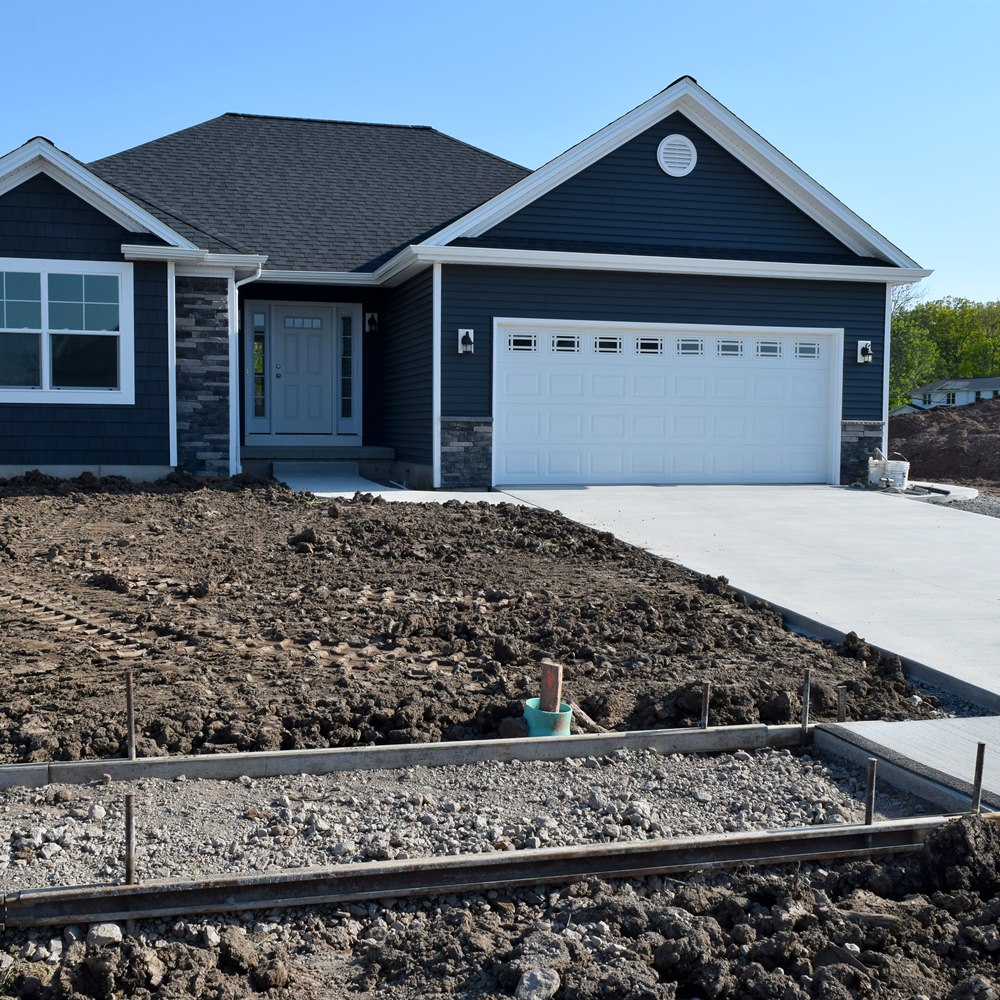
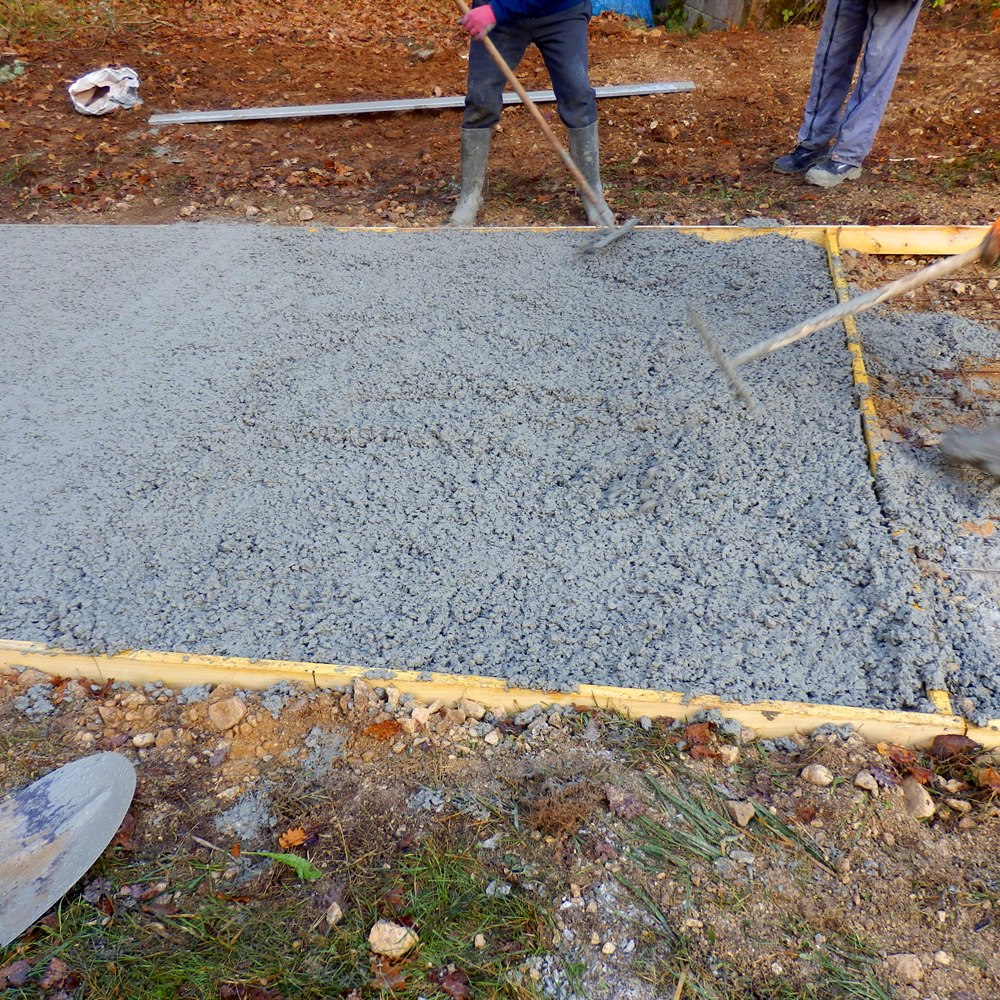
Excavation and base preparation, meaning 6 to 8 inches of compacted gravel sub-base, represent 30 to 40 percent of total installation cost. This is not an optional line item. A driveway without an adequate compacted base will crack, sink, and fail early no matter which surface material sits on top, and base quality is the single biggest determinant of how long any driveway lasts. Confirm the base specification, the gravel depth, gravel type, and compaction method, on every quote you compare.
Removal, Permits, and Timing
Old driveway removal: $500 to $3,000 for concrete, $500 to $2,000 for asphalt. Drainage improvements are also quoted separately.
Permits: $100 to $500. Most jurisdictions require a permit for a new driveway, especially one connecting to a public street. Contact both the building department and public works before starting. The permit review confirms proper grading, since water must drain away from the home, and a correct street connection. (For more on this, see How to Budget for a New Driveway.)
Neither removal nor permits is usually included in a headline per-square-foot price, which is why two quotes on the same driveway can look thousands of dollars apart before anyone has discussed materials.
Timing: Late spring through early fall, roughly 50 to 90 degrees Fahrenheit, is ideal. Asphalt must be laid above 50 degrees to compact correctly, and concrete must not freeze during its 28-day curing period. Pavers can be installed in most seasons as long as the ground is not frozen.
Comparing Quotes
Get at least two written quotes on the same defined scope, based on an in-person measurement rather than a phone estimate. Wide variation between bids usually reflects a difference in base preparation depth, material grade, or what the quote includes, not price competition. Ask specifically whether removal and disposal of the existing driveway, drainage work, permits, and cleanup are in the number, and what the labor warranty covers. Verify general liability insurance before work begins, get the scope in writing for any project over $500, and tie payments to milestones rather than paying in full upfront.
Frequently Asked Questions
$3,000 to $15,000, averaging $7,000. Asphalt runs $3 to $7 per square foot, concrete $6 to $12, and pavers $10 to $25. A standard 600-square-foot two-car driveway costs $1,800 to $4,200 in asphalt, $3,600 to $7,200 in concrete, and $6,000 to $15,000 in pavers before removal of the old surface.
$3 to $7 per square foot installed, or $1,800 to $4,200 for a standard 600-square-foot driveway. Cost depends on thickness (2 versus 3 inch), base preparation, and local asphalt prices, which fluctuate with petroleum costs. Plan on resealing every 3 to 5 years at $250 to $500 per application.
$6 to $12 per square foot installed, or $3,600 to $7,200 for a 600-square-foot two-car driveway. Cost depends on slab thickness (4 versus 6 inch), rebar or fiber reinforcement, finish, and site prep. A stamped or exposed aggregate finish adds $4 to $8 per square foot over a standard broom finish.
Asphalt is cheaper upfront at $3 to $7 per square foot versus $6 to $12 and is easier to repair, but it needs resealing every 3 to 5 years and lasts 20 to 30 years. Concrete lasts 30 to 50 years with minimal maintenance. In very hot climates concrete is generally preferred, since asphalt softens without a high-temperature mix. For long-term ownership, concrete's lower lifetime cost usually wins.
Asphalt lasts 20 to 30 years with resealing every 3 to 5 years and resurfacing every 12 to 20 years. Concrete lasts 30 to 50 years with periodic crack filling. Pavers last 25 to 50 years and individual units can be replaced without redoing the surface. Base preparation quality is the primary determinant of longevity in every case.
Usually yes, especially for a driveway connecting to a public street. Permit fees run $100 to $500. Contact both the local building department and public works before starting. The review confirms proper grading so water drains away from the home, and a correct connection to the street.
$500 to $3,000 for concrete and $500 to $2,000 for asphalt. Removal is normally quoted separately from the new surface, as are drainage improvements and permits, so confirm whether a bid includes them before comparing it to another.
Late spring through early fall, when temperatures run 50 to 90 degrees Fahrenheit. Asphalt must be installed above 50 degrees to compact correctly, and concrete must not freeze during its 28-day curing period. Pavers can go in during most seasons as long as the ground is not frozen.