What Are the Best Kitchen Backsplash Options?
A kitchen backsplash runs $800 to $2,500 for a typical 25 to 40 sq ft area — $25 to $45 per sq ft installed for the 3×6-inch subway tile that remains the standard, $25 to $55 for glass mosaic, and $70 to $180 for a quartz or porcelain slab. It is one of the few places in a kitchen renovation where personal design expression is appropriate: a contained area where a bold material makes an impact without overwhelming the space.
Subway Tile: The Enduring Standard
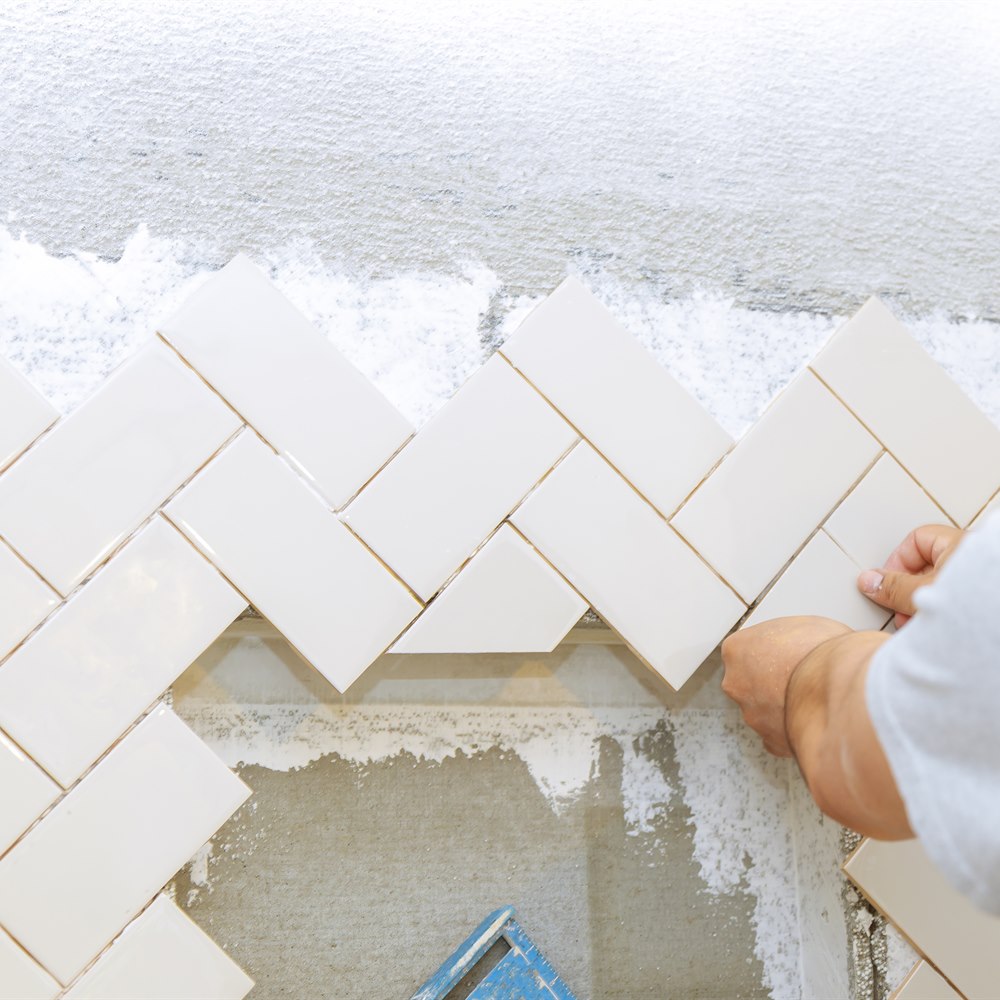
3×6-inch ceramic or porcelain subway tile in a running bond (brick) pattern: the most widely installed kitchen backsplash material. The subway tile pattern is versatile (traditional and contemporary kitchens both use it), widely available, and affordable ($1 to $5 per sq ft in material). White subway tile with gray grout: the most popular combination, appropriate in virtually any kitchen style. Variations: a herringbone pattern instead of running bond, a larger format (3×12 or 4×12-inch), or a colored tile (sage green, warm terracotta, deep navy). A white subway tile backsplash: one of the most timeless choices available in kitchen design.
Glass and Mosaic Tile
Glass tile provides a luminous, reflective quality that amplifies light in the kitchen. Iridescent glass mosaic: a popular accent tile for the backsplash area above the range. Cost: $10 to $30 per sq ft in material — significantly more expensive than ceramic subway tile. Glass tile requires a white thin-set mortar (standard gray thin-set shows through transparent glass tiles as a color shift). The installation requires more care than ceramic (glass tile is more prone to cracking during cutting). (For more on this, see How Much Does Tile Installation Cost?.)
Slab Backsplash: The Premium Statement
A porcelain slab or quartz slab backsplash (matching or complementing the countertop): the most dramatic and design-forward backsplash option. A single continuous slab from countertop to upper cabinet eliminates grout lines entirely, providing the cleanest possible appearance and the easiest surface to maintain. Cost: $70 to $180 per sq ft installed — significantly more than tile. A quartz slab backsplash coordinated with quartz countertops in the same material: the most cohesive and contemporary kitchen aesthetic available. (For more on this, see Ceramic vs. Porcelain vs. Natural Stone Tile.)
Working With a Contractor on This Project
Getting the right outcome on any home services project starts before the work begins. A few consistent practices make the difference between a smooth project and a frustrating one.
Get at least two or three quotes. A single quote gives you no basis for comparison. Two or three quotes reveal the market rate for the work, expose scope differences between bidders, and let you assess contractor communication quality before any commitment is made. The lowest bid is not automatically the best value if the scope is thin or the materials are underspecified.
Ask for licenses and insurance before work starts. Verify current general liability insurance and, for any work involving workers on your property, workers compensation coverage. Licensing requirements vary by state and trade; confirm the specific requirements in your jurisdiction. A licensed contractor who carries appropriate insurance protects both parties if something goes wrong during the project.
Get the scope in writing. A written proposal that specifies materials, labor scope, timeline, what is included (permits, cleanup, disposal), and warranty terms is the foundation of a professional engagement. Verbal agreements on any of these points invite misunderstanding. For any project over $500, written scope is non-negotiable.
Clarify the payment schedule upfront. A reasonable payment schedule ties major payments to project milestones: a deposit at signing, a payment at material delivery or project start, and a final payment at completion after a walkthrough confirms satisfaction. A contractor who requires full payment upfront before work begins is a red flag in any trade.
Making a Confident Decision
The information in this article is designed to help you ask better questions of the professionals you work with, evaluate their answers with more confidence, and understand the decisions involved in this type of home services project. It is not a substitute for professional assessment of your specific home.
Every home is different. Roof slopes, local weather, tree exposure, soil conditions, and existing system condition all affect what the right solution is for your specific situation. The general principles here apply broadly, but a professional who assesses your home in person will give you guidance that accounts for the details that general articles cannot.
When you are ready to move forward, getting at least two or three quotes from licensed, insured, local contractors is the most important practical step. It lets you compare approaches, assess contractor quality, and confirm that the solution proposed matches your specific situation and budget.
Tile Installation Cost at a Glance
Ceramic floor or wall tile: $10 to $22 per sq ft installed. Porcelain: $15 to $35 per sq ft, denser and more moisture-resistant, suitable for showers and exteriors. Natural stone (marble, travertine, slate): $40 to $90 per sq ft, requires sealing and pH-neutral cleaning. Large-format porcelain (24×24 or larger): adds 20 to 30 percent to the labor and requires a very flat substrate. Kitchen backsplash: $800 to $2,500 for a typical 30 sq ft area, a higher rate per square foot than a floor because of the small area and many cuts. Full bathroom (floor and shower walls): $3,000 to $10,000 total including waterproofing membrane. (For more on this, see Shower Tile: How to Choose and Install Correctly.)
Old tile removal: $2 to $7 per sq ft additional. Waterproofing membrane in shower (Kerdi, RedGard, or equivalent): $450 to $750 additional, mandatory for any shower installation. Confirm whether removal and waterproofing are included in any quote before comparing bids.
Cost figures on this page were checked against published pricing on September 2, 2026. How we source cost data.
Frequently Asked Questions
White or off-white subway tile (3x6-inch ceramic or porcelain) in a running bond pattern with a gray or white grout: the most widely installed kitchen backsplash material. Herringbone pattern subway tile: the most popular contemporary variation. Glass mosaic tile as an accent above the range: popular in transitional and contemporary kitchens.
$800 to $2,500 for a typical kitchen backsplash (25 to 40 sq ft). Per sq ft: $25 to $45 installed for standard subway tile. $25 to $55 for glass mosaic or decorative tile. A quartz or porcelain slab backsplash: $70 to $180 per sq ft for the material and installation.
For a white kitchen: virtually any backsplash works because white is the most versatile background. For maximum contrast and contemporary character: a dark backsplash (charcoal or black subway tile, dark marble-look porcelain). For warmth: a warm terracotta, sage green, or natural stone. For timelessness: white subway tile with a medium gray grout. For drama: a book-matched marble slab.
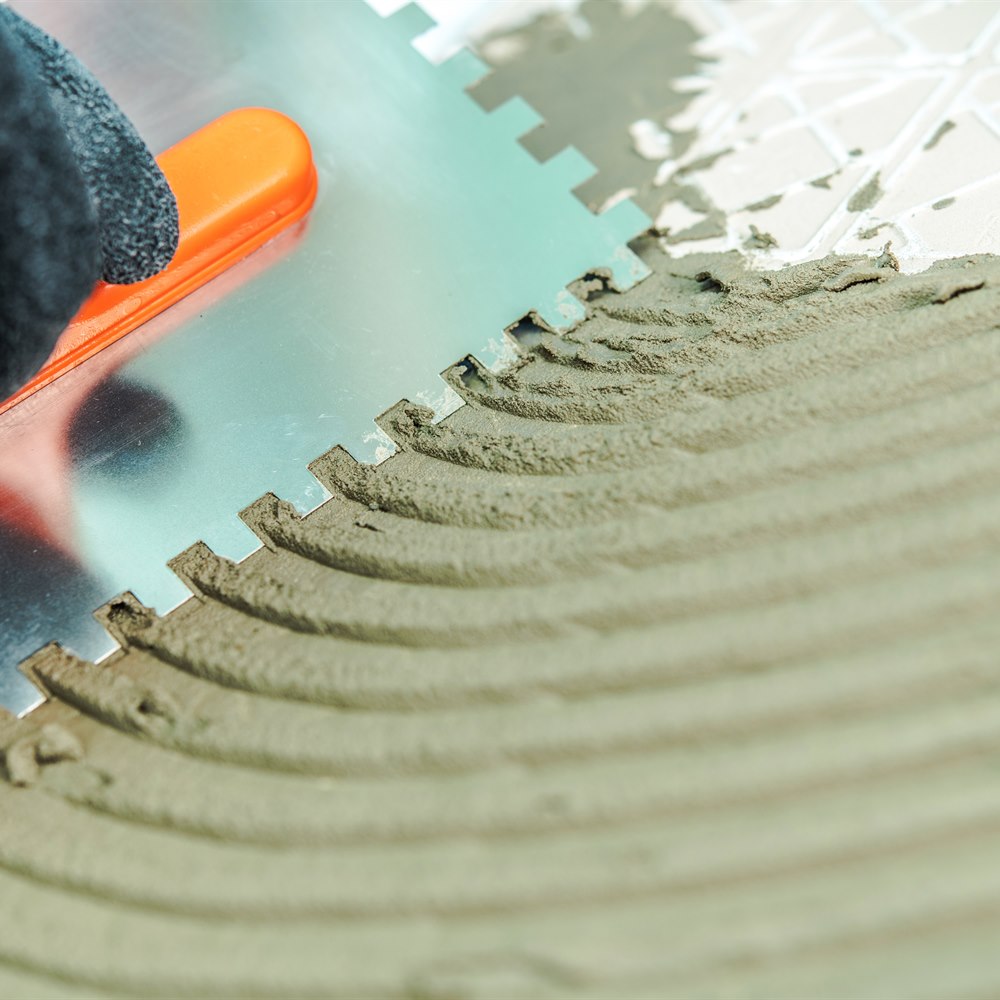
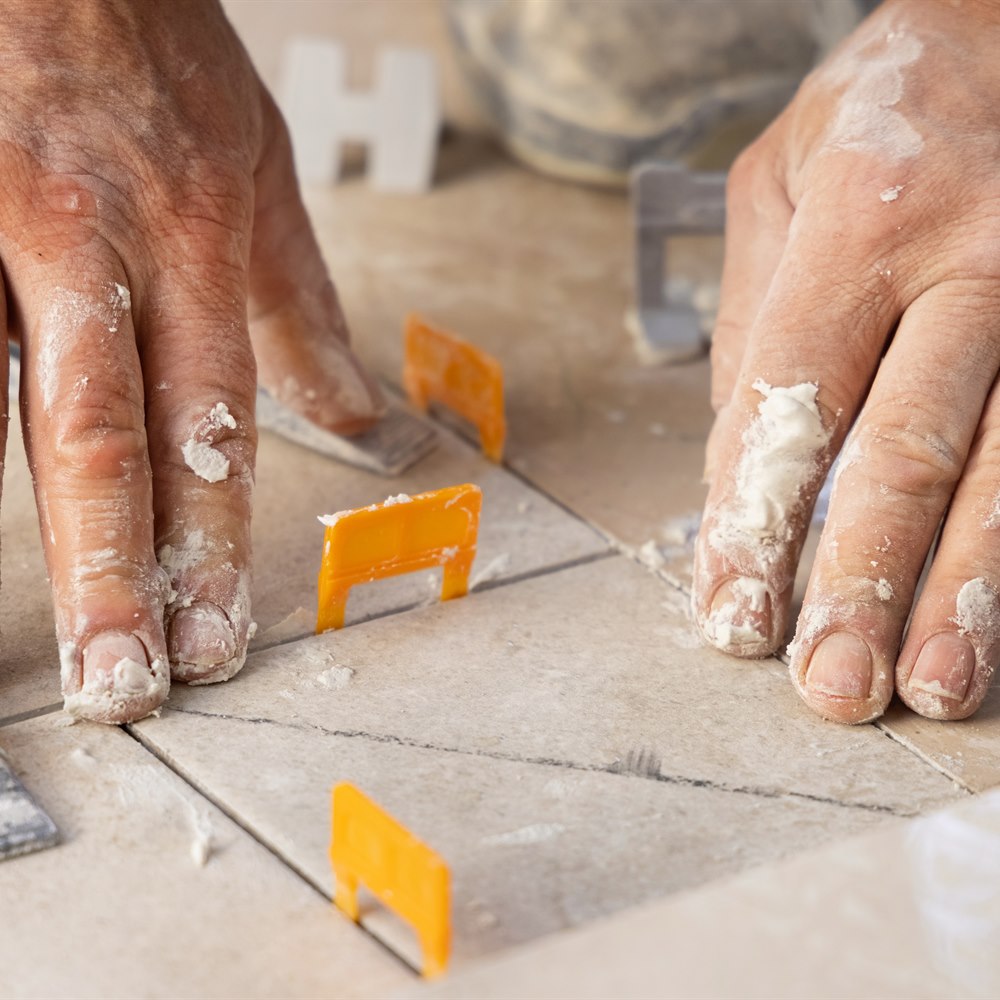
Subway tile backsplash: one of the most DIY-accessible tile installations. A rectangular kitchen backsplash with right-angle walls and simple cuts around the outlet boxes is achievable for a motivated DIYer with basic tools (tile saw or snap cutter, notched trowel, grout float). Glass tile and natural stone: require more care but are still DIY-accessible. A slab backsplash: professional installation is strongly recommended (the weight, the precise cuts, and the seam placement require professional fabrication and handling).
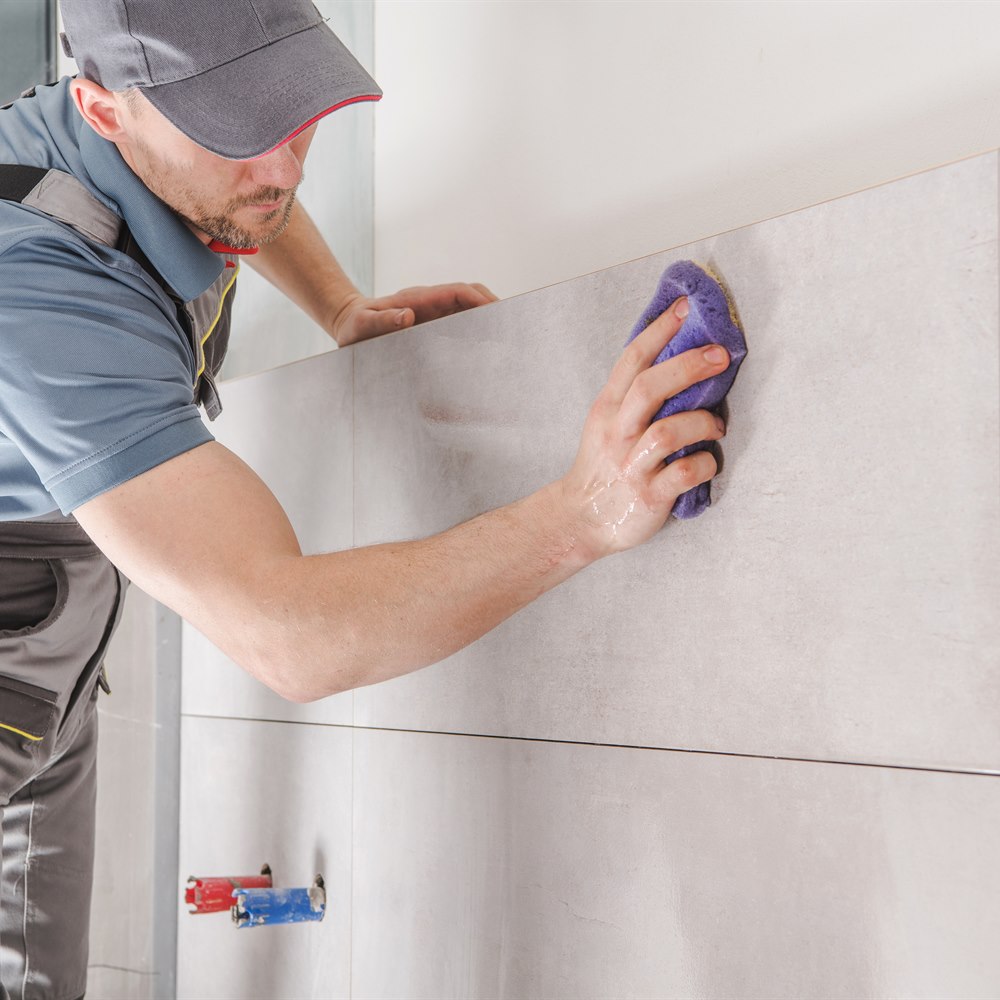
A quartz or porcelain slab backsplash (no grout lines): the easiest to maintain -- wipe clean with a damp cloth, nothing penetrates the non-porous slab surface. Large-format tile with minimal grout lines: second easiest. Mosaic tile with many grout lines: the most maintenance-intensive backsplash (many grout lines accumulate grease and require regular scrubbing). For a kitchen that is used for cooking frequently: minimizing grout lines (slab or large-format tile) is the most practical choice.