How Do You Prepare for a Roof Replacement?
A roof replacement disrupts normal home life for 1 to 3 days. Preparing in advance minimizes inconvenience and protects your belongings.
Clear the Attic and Adjacent Areas
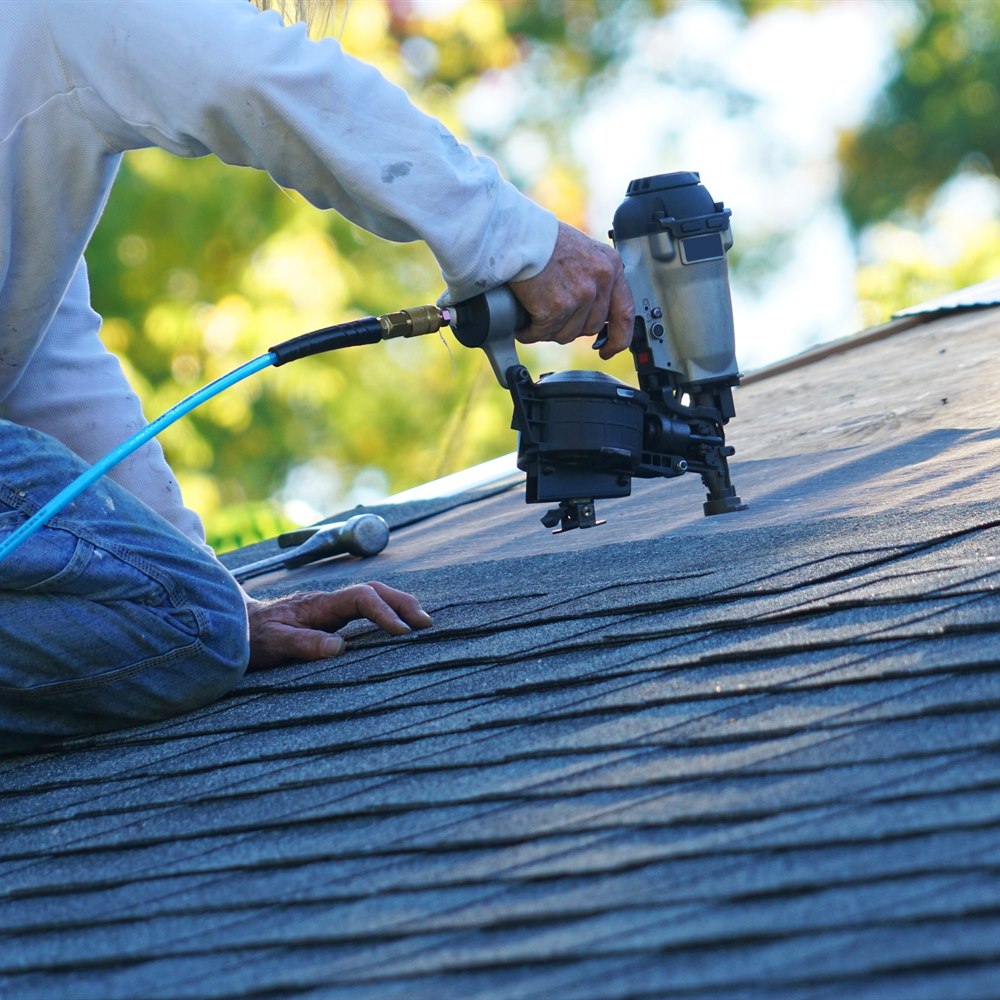
The hammering and nail guns used in roofing create vibration throughout the home’s structure. Items stored in the attic may shift or fall — move any fragile or valuable attic-stored items to a stable floor storage location before the project starts. Hanging pictures and wall decorations on the top floor may vibrate off hooks — remove or secure them before roofing begins. Items in the garage with a shared roof: similarly protect or move them. The vibration is not damaging to the structure but can knock unsecured items from shelves and hooks. (For more on this, see Signs Your Roof Needs Replacement (Not Just Repair).)
Move Vehicles and Protect Landscaping
Move all vehicles from the driveway and the area immediately around the home before the roofing crew arrives. Old shingles, nails, and debris fall from the roof during tear-off — anything left in the impact zone is at risk. Communicate any landscaping you particularly want protected: crews can work around established shrubs and plantings, but they need to know which areas matter to you. Delicate plantings near the home’s perimeter may need temporary covering or relocation.
Notify Neighbors
Roofing is loud — compressor nailers, crew communication, and debris management create noise from early morning until completion. Letting immediate neighbors know the project is starting gives them the courtesy of advance warning and allows them to plan around the noise if they work from home or have specific scheduling needs. A crew starting at 7 AM with no warning to a neighbor who works night shifts is an avoidable friction point.
Arrange for Children and Pets
Roofing generates significant noise and debris fall. Children and pets should be kept inside or away from the perimeter during tear-off and installation. After the project: perform a thorough nail sweep of the lawn, garden, and play areas before allowing children or pets to return. Ask the contractor to confirm their nail sweep process and where nails are concentrated during the project. (For more on this, see Questions to Ask Before Signing a Roofing Contract.)
Working With a Contractor on This Project
Getting the right outcome on any home services project starts before the work begins. A few consistent practices make the difference between a smooth project and a frustrating one.
Get at least two or three quotes. A single quote gives you no basis for comparison. Two or three quotes reveal the market rate for the work, expose scope differences between bidders, and let you assess contractor communication quality before any commitment is made. The lowest bid is not automatically the best value if the scope is thin or the materials are underspecified.
Ask for licenses and insurance before work starts. Verify current general liability insurance and, for any work involving workers on your property, workers compensation coverage. Licensing requirements vary by state and trade; confirm the specific requirements in your jurisdiction. A licensed contractor who carries appropriate insurance protects both parties if something goes wrong during the project. (For more on this, see Questions to Ask a Roofing Contractor.)
Get the scope in writing. A written proposal that specifies materials, labor scope, timeline, what is included (permits, cleanup, disposal), and warranty terms is the foundation of a professional engagement. Verbal agreements on any of these points invite misunderstanding. For any project over $500, written scope is non-negotiable.
Clarify the payment schedule upfront. A reasonable payment schedule ties major payments to project milestones: a deposit at signing, a payment at material delivery or project start, and a final payment at completion after a walkthrough confirms satisfaction. A contractor who requires full payment upfront before work begins is a red flag in any trade.
Making a Confident Decision
The information in this article is designed to help you ask better questions of the professionals you work with, evaluate their answers with more confidence, and understand the decisions involved in this type of home services project. It is not a substitute for professional assessment of your specific home.
Every home is different. Roof slopes, local weather, tree exposure, soil conditions, and existing system condition all affect what the right solution is for your specific situation. The general principles here apply broadly, but a professional who assesses your home in person will give you guidance that accounts for the details that general articles cannot.
When you are ready to move forward, getting at least two or three quotes from licensed, insured, local contractors is the most important practical step. It lets you compare approaches, assess contractor quality, and confirm that the solution proposed matches your specific situation and budget. The FTC advises hiring only licensed, insured contractors, getting the full scope in writing, and never paying the full amount up front.
Ranges here are national ballpark figures, not quotes. Actual pricing varies by region, home condition, materials, and contractor. How we source cost data.