How Do You Find a Great Leaf Removal Service?
A great leaf removal service schedules within 1 to 2 weeks, offers a 2 to 3-visit fall package, and clears beds and hard surfaces as well as turf, on work that runs $150 to $800, averaging $275. Leaf removal is a time-sensitive seasonal service, so showing up at the right time matters as much as the price: a service that arrives while leaves are still manageable and handles the property respectfully is worth more than a cheaper one that is inconsistent or incomplete.
They Schedule Promptly and Hold the Schedule Through Peak Fall
The best services are in high demand from October through early December. Companies that can schedule within 1 to 2 weeks of your call, and that offer multiple fall visits if your leaf drop is extended, provide meaningfully better service than those booked weeks out. Reliability during peak fall is the real test: a provider that maintains its schedule in October and November, communicates proactively about delays, and does not cancel repeatedly when crews are stretched is delivering the core value you are paying for. (For more on this, see Questions to Ask a Leaf Removal Service.)
They Offer Seasonal Packages With Clear Terms
A company that offers a 2 to 3-visit fall package for a fixed seasonal price, calibrated to when early-dropping and late-dropping trees in your area finish, produces the best outcome for most properties with multiple tree types. Good agreements state how many visits are included, what each covers, how leaves are disposed of, and what happens if weather interferes. That structure removes the ambiguity of per-visit billing and aligns the provider’s incentive with yours: completing the season effectively rather than maximizing visit counts.
They Clear the Whole Property, Not Just the Lawn
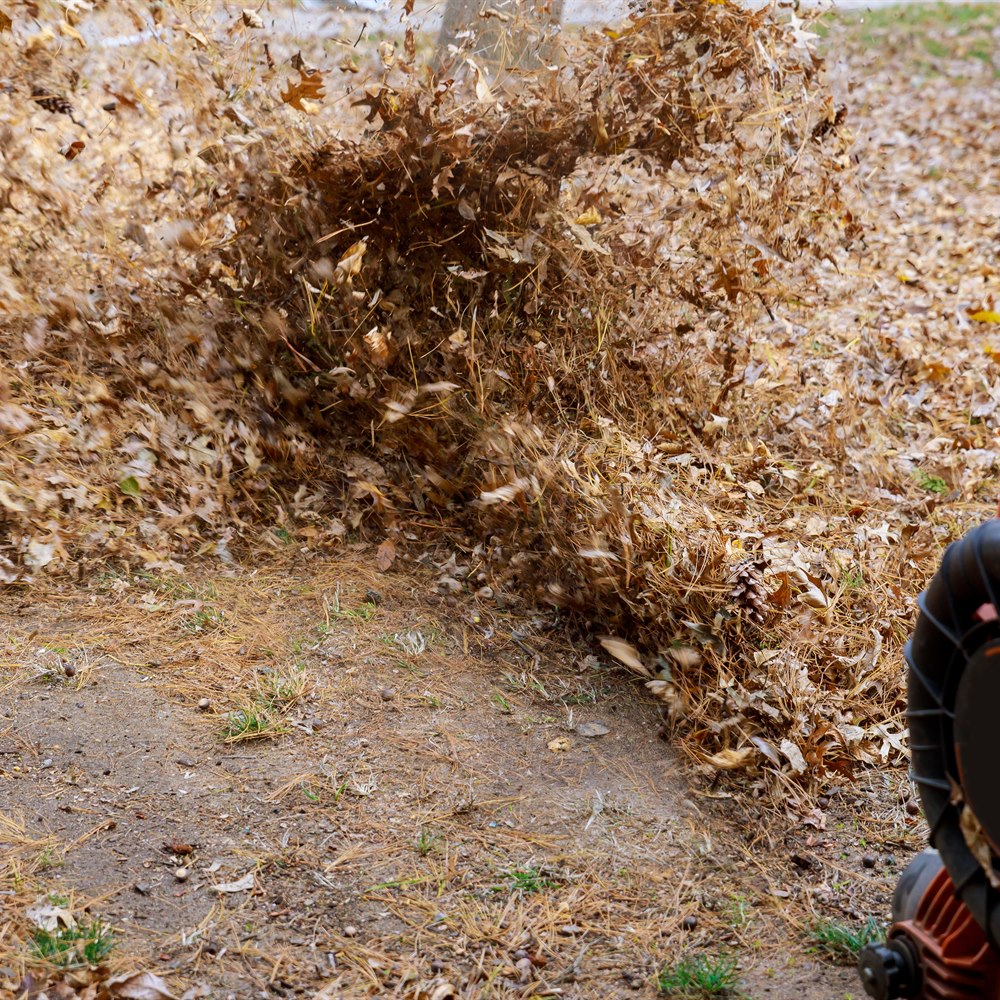
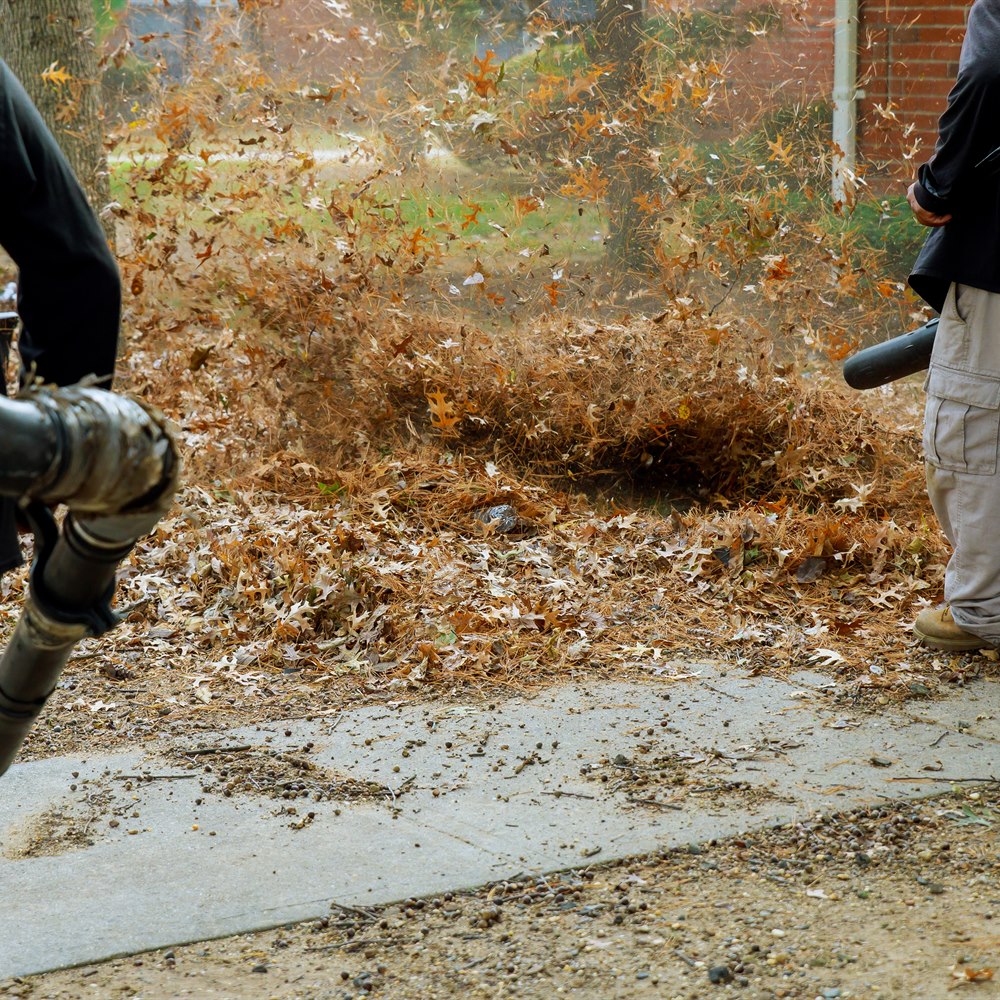
A complete visit covers turf, planting beds, walkways, and hard surfaces. Blowing everything out of the beds onto the lawn and then vacuuming the lawn counts; leaving bed areas full of leaves does not. The finished appearance of a professional visit includes defined beds, clean hard surfaces, and no debris piles left mid-property. A service that blows leaves into the street, ignores beds, or deposits material in inconvenient places is completing only part of the job.
They Are Insured and Operate Professionally
Crews use powerful blowers near structures, windows, and landscaping, so liability coverage for incidental property damage matters, along with workers compensation where the provider has employees. Verify general liability insurance before the first visit. Professionalism also shows in clear quotes and invoices, responsive communication, and equipment that is not leaving fuel stains on the driveway or damaging plants through careless blower use.
They Are Transparent About Scope and Extras
Great services state what the standard visit covers and what costs extra, whether that is hauling versus curb-blowing, additional bed work, or gutter cleaning, before the crew arrives rather than after. A written scope covering disposal method, bed inclusion, and known add-ons is what makes comparing quotes fair and prevents invoice surprises.
They Are Well-Reviewed by Long-Term Customers
Reviews from customers who have used a service across multiple fall seasons are the most reliable indicator, because leaf service quality is consistent: a provider that is reliable and thorough one fall tends to remain so, and one that is inconsistent tends to stay that way. Look for reviews mentioning fall scheduling consistency, complete cleanup including beds, and responsive communication when something is not right. (For more on this, see Hidden Costs of Leaf Removal Service.)
Leaf Removal Cost at a Glance
Small yard: $150 to $250 per visit for light leaf cover and quick cleanup, with most crews holding a flat minimum of $150 to $200.
Large or wooded property: $300 to $800 per visit for heavy leaf volume and hauling, with an acre or more of heavy cover running $450 to $1,000 or more.
Full fall cleanup: $200 to $600 per visit for beds, gutters, and debris beyond leaves, quoted on top of or in place of leaf-only pricing.
Overall range: $150 to $800, averaging $275. These are one-time cleanup prices; repeat visits booked on a fall schedule run $60 to $150 each.
When to Book and How Many Visits You Need
Book fall leaf removal in August or September, before the season begins. Companies in high-demand markets fill their fall schedules quickly, and waiting until leaves are on the ground often means a 3 to 4-week wait or no availability from established companies. (For more on this, see How Much Does Leaf Removal Cost?.)
For properties with both early and late-dropping trees, common with mixed oaks, maples, and sweetgums, multiple visits are worth paying for. Scheduling one comprehensive visit after every tree finishes dropping means leaving the lawn smothered for weeks during early drop. Two visits, one in mid-October and one in late November, maintain turf health and appearance through the season.
Before booking, ask how many visits are included and when they are scheduled, whether bed areas are included, whether hauling or curb-blowing is the default, whether gutter cleaning is available, and what the total seasonal price is for full fall service. Get two or three quotes on that same scope and take the scope in writing.
How to Try a Service Before Committing to a Season
Hire a new service on a per-visit basis for the first fall before committing to a seasonal agreement. That lets you judge actual work quality, scheduling reliability, and communication under real conditions before paying for a full season. If the first few visits go well, convert to a seasonal agreement the following year for the pricing and scheduling benefits that come with being a committed customer. If problems appear, raise them specifically and give one opportunity to correct; if they recur, find a replacement before peak fall while good providers are still taking new clients.
Once you find a provider worth keeping, stay with them. A crew that knows your property, knows which trees are the late droppers, and knows where the difficult bed areas are delivers a level of service that is hard to replicate by switching annually for marginal price differences, and regular customers get scheduling priority when the season gets busy.
Cost figures on this page were checked against published pricing on August 25, 2026. How we source cost data.
Frequently Asked Questions
Look for a company that can schedule within 1 to 2 weeks of your call and holds its schedule through peak fall, offers seasonal packages with multiple visits, clears beds and hard surfaces as well as turf, and carries general liability insurance.
Book in August or September, before the season begins. Companies in high-demand markets fill their fall schedules quickly, and waiting until leaves are on the ground often means a 3 to 4-week wait or no availability from established companies.
For properties with early and late-dropping trees, common with mixed oaks, maples, and sweetgums, yes. A single visit after every tree finishes dropping leaves the lawn smothered for weeks during early drop. Two visits, one in mid-October and one in late November, maintain turf health through the season.
How many visits are included and when they are scheduled, whether bed areas are covered, whether hauling or curb-blowing is the default, whether gutter cleaning is available, what happens if weather interferes, and the total seasonal price for full fall service.
If they offer it, this is often the most convenient option. Established lawn care companies already have the equipment and know your property from mowing. Confirm whether their leaf service includes bed cleanup and whether the pricing is competitive with dedicated fall cleanup companies.
A finished visit leaves cleared turf, cleaned beds, and swept hard surfaces. Leaves blown into the street, beds left ignored, or debris piles left mid-property are signs of incomplete work. Reviews mentioning thoroughness and finished appearance tell you more than the star rating.
Ideally yes. A seasonal agreement states the visit count, scope, disposal method, and weather policy, which removes the ambiguity of per-visit billing. It also aligns the provider's incentive with yours: completing the season effectively rather than maximizing visit counts.
No. A cheaper service that is inconsistent during peak fall, leaves beds uncleaned, or blows leaves into the street is not a saving. Removal runs $150 to $800 and averages $275, so compare on reliability, completeness, insurance, and seasonal terms alongside price.