How Do You Choose the Right Furnace?
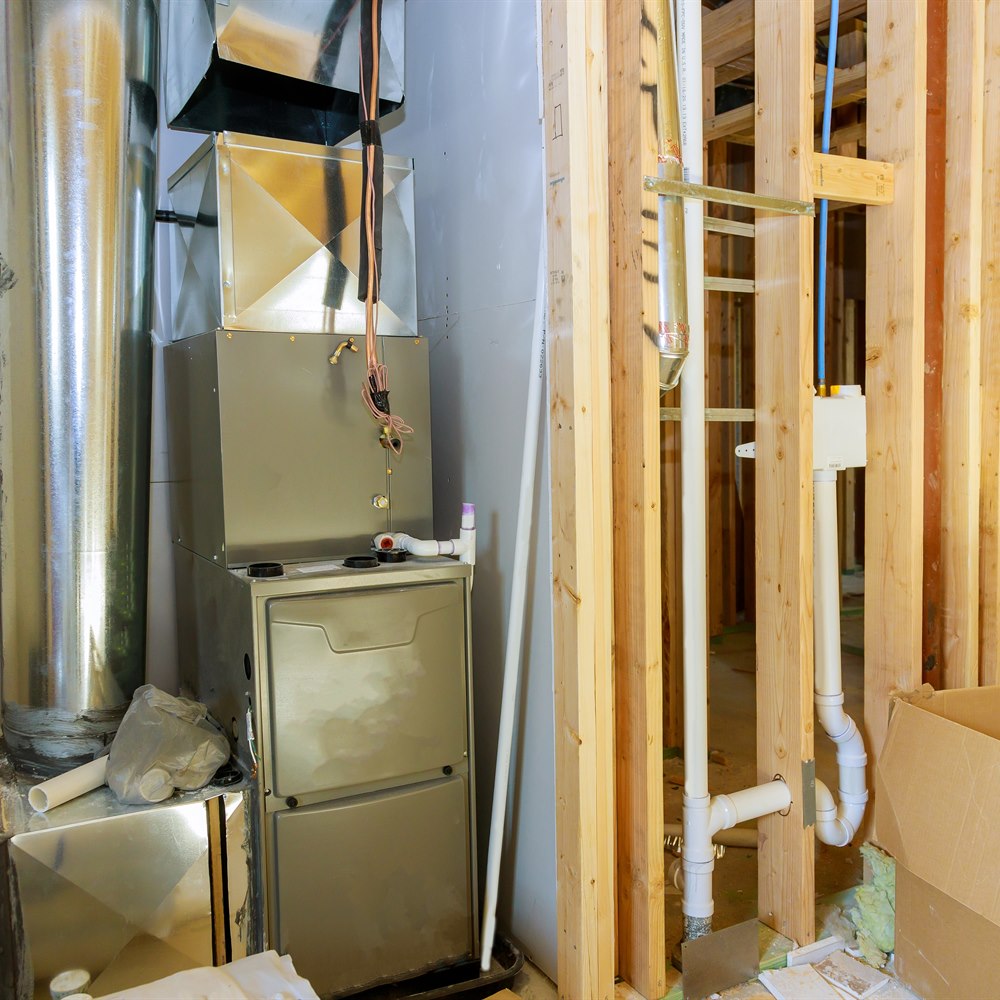
Choosing the best furnace means matching the fuel type, capacity, efficiency, and features to your home, climate, and budget, then pairing that choice with a capable installer. With several fuel options and a wide efficiency range, thoughtful selection delivers reliable warmth at reasonable operating cost for many years. Here’s how to choose.
Start With Fuel Availability and Infrastructure
Start with what your home has and what’s available. Natural gas service, existing gas piping, an oil tank, or electrical service capacity all shape which options are practical without expensive infrastructure changes. Replacing like-for-like is generally simplest and least expensive, while switching fuel types adds conversion costs that need weighing against long-term operating savings. Assessing your existing infrastructure first narrows the field realistically and prevents choosing equipment that requires costly changes you hadn’t budgeted for.
Size It Properly
Whatever type you choose, insist on a heating load calculation to determine the right capacity, based on your home’s insulation, windows, air sealing, square footage, and climate rather than a rule of thumb or the old unit’s nameplate. Because oversizing causes short-cycling, temperature swings, wasted fuel, and accelerated heat exchanger wear, while undersizing leaves you cold in a cold snap, correct sizing is fundamental to whether the furnace you choose actually performs well. Proper sizing isn’t a detail, it determines the outcome.
Choose an Efficiency Level That Fits Your Climate
Decide on AFUE efficiency by weighing the upfront premium, including any venting changes a condensing furnace requires, against your realistic fuel savings. In a cold climate with a long heating season and higher fuel prices, higher efficiency accumulates meaningful savings over the furnace’s life; in a mild climate with modest heating needs, the payback is weaker and a standard-efficiency unit may represent better value. How long you plan to stay in the home also matters, since savings accrue over years of operation. ENERGY STAR publishes certified efficiency ratings for heating and cooling equipment, which is the cleanest way to compare models.
Consider Comfort Features
Consider features that affect how the heat actually feels. Single-stage furnaces run at full output whenever they run, while two-stage and modulating units can operate at lower output much of the time, producing steadier temperatures and quieter operation. Variable-speed blowers improve airflow consistency, help with air filtration, and benefit central air conditioning if you have it. These features add cost but can meaningfully improve daily comfort, so weigh them against your priorities and how much you notice temperature swings.
Think About Air Quality and Add-Ons
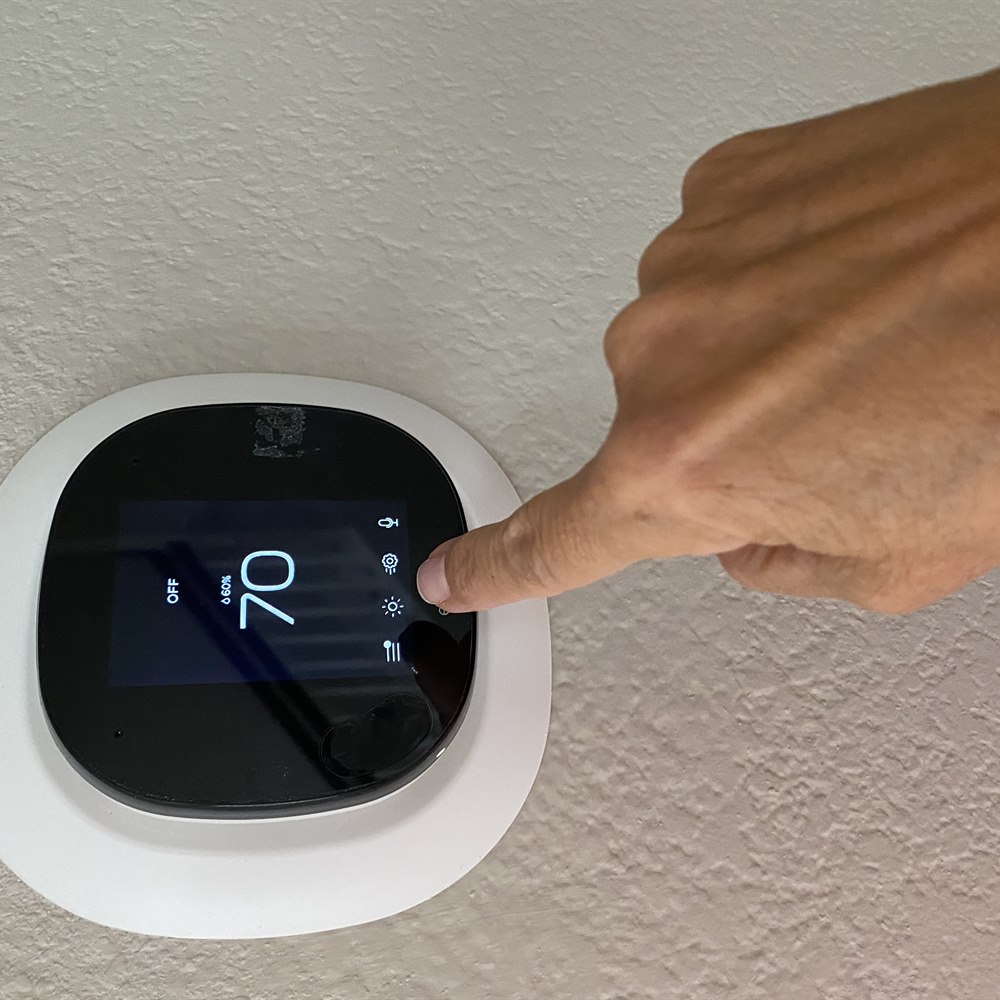
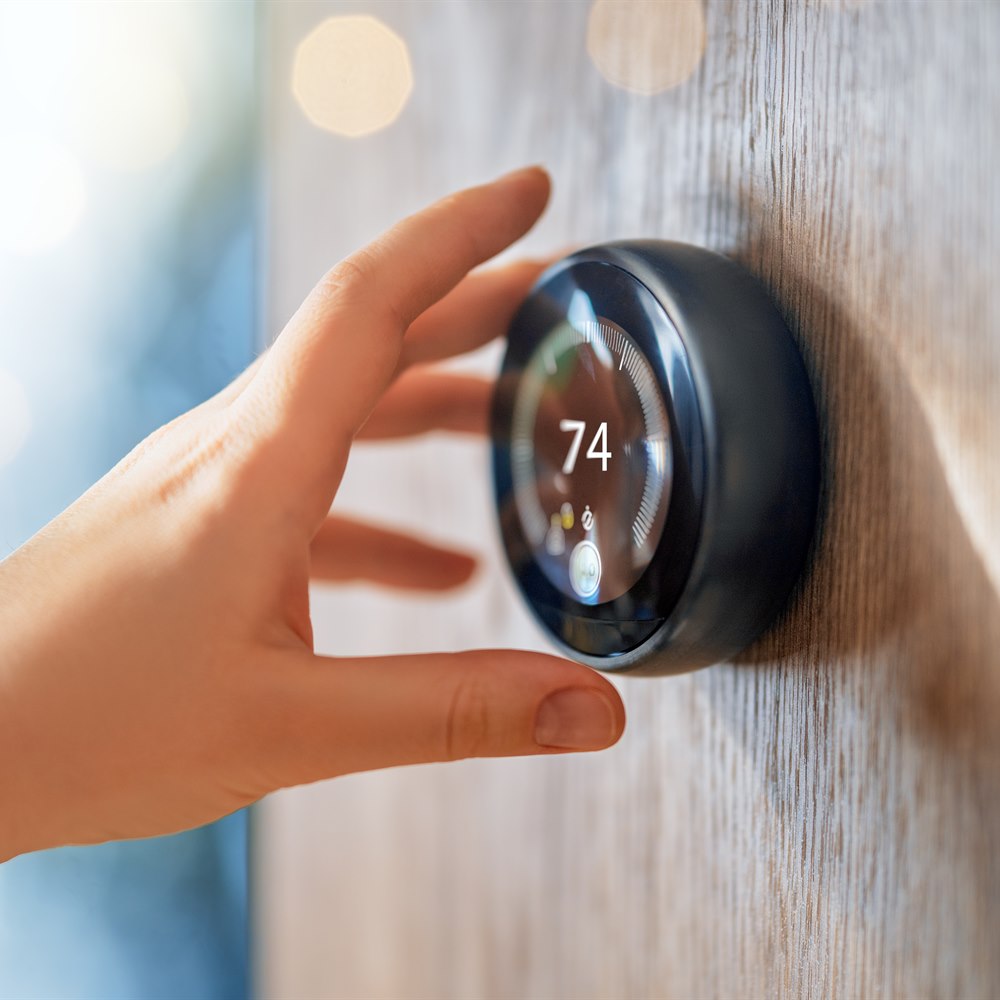
Consider related equipment while the system is being replaced, since it’s often more economical to address these together. Better filtration, a whole-home humidifier for dry winter air, a modern programmable or smart thermostat, and improved ductwork sealing all affect comfort and air quality. If you have central air conditioning, the evaporator coil sits in the furnace’s airflow and its condition and compatibility should be considered. Deciding deliberately about these add-ons, rather than discovering them mid-project, keeps the budget predictable. (For more on this, see How to Budget and Pay for Furnace Installation.)
Weigh Equipment Quality Alongside the Installer
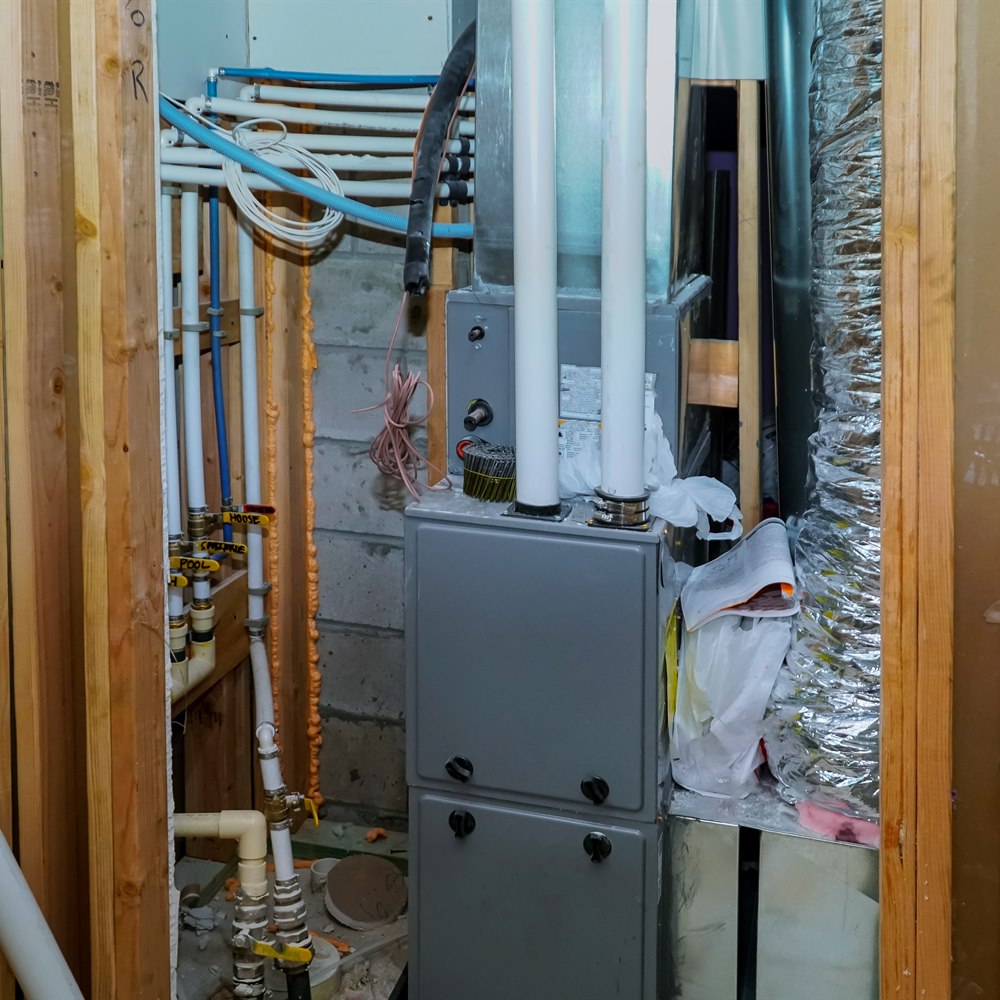
Finally, weigh equipment quality and warranty together with the contractor’s capability. A reputable brand with solid warranty terms offers protection, though warranties often require registration and documented annual maintenance. Just as importantly, excellent equipment installed poorly will disappoint or worse, since sizing, venting, and airflow all depend on installation quality. Balancing a good unit with a capable, properly credentialed installer, rather than optimizing only for the brand, is what actually delivers a furnace that performs safely and lasts. (For more on this, see How Much Does Furnace Installation Cost?.)
Thinking About the Furnace’s Full Service Life
A useful frame when choosing a furnace is to think beyond the purchase to the full period you’ll own it, typically well over a decade, because decisions that look marginal at purchase compound considerably across that span. Operating cost is the clearest example: the fuel consumption difference between a standard-efficiency and a high-efficiency furnace recurs every heating season, so in a cold climate with a long season and higher fuel prices, that recurring difference accumulates into a substantial sum, potentially justifying a premium that looks steep on installation day. In a mild climate with modest heating needs, the same premium may never recover, making standard efficiency the better value. Estimating the difference against your actual heating usage and local fuel prices, rather than assuming higher efficiency is always or never worthwhile, produces a better decision. (For more on this, see What Affects the Cost of Furnace Installation?.)
Comfort features compound in a different way. A two-stage or modulating furnace with a variable-speed blower runs at lower output much of the time, producing steadier temperatures, quieter operation, and better airflow, and you experience that difference every day for the life of the equipment rather than as a one-time benefit. Whether that’s worth the premium depends on how much temperature swings and blower noise bother you, which is a personal judgment worth making deliberately rather than by default. Maintenance, repair, and warranty realities also deserve life-cycle thinking: equipment from reputable manufacturers with good parts availability tends to be less troublesome and less expensive to service, warranty terms vary between brands and tiers, and warranties commonly require registration within a window and documented annual maintenance, so understanding and meeting those conditions preserves coverage you’ve paid for. And installation quality, though not a product feature, arguably has the largest life-cycle effect, since a properly sized, correctly vented, well-commissioned furnace on sound ductwork runs efficiently and reaches its expected service life, while a poorly installed one costs more to run, heats less comfortably, and may fail years early. Thinking across the full service life, recurring fuel costs, daily comfort, maintenance and warranty realities, and the durability that installation quality determines, reframes the choice from finding the lowest installed price to finding the best total value, which usually points toward appropriate efficiency for your climate, quality equipment, features that genuinely matter to you, and above all a capable installer.
Making the Choice
Choose the best furnace by starting with fuel availability and infrastructure, insisting on proper sizing, choosing an efficiency level suited to your climate, considering comfort features and air quality add-ons, and weighing equipment quality alongside installation capability. When you’re ready to explore options and get quotes, connect with a local pro below.
Frequently Asked Questions
Start with fuel availability and existing infrastructure (gas service, oil tank, electrical capacity), insist on proper sizing via a heating load calculation, choose an AFUE efficiency level suited to your climate and fuel prices, consider comfort features like two-stage or modulating operation and variable-speed blowers, think about air quality add-ons, and weigh equipment quality alongside the installer's capability.
Only after weighing the conversion costs against long-term operating savings. Replacing like-for-like is generally simplest and least expensive, while switching adds infrastructure costs, gas piping and venting for a gas conversion, or electrical capacity for electric. Assessing your existing infrastructure first narrows the field realistically and prevents choosing equipment that requires costly changes you hadn't budgeted for.
Weigh the upfront premium, including any venting changes a condensing furnace requires, against realistic fuel savings. In a cold climate with a long heating season and higher fuel prices, higher AFUE accumulates meaningful savings over the furnace's life; in a mild climate with modest heating needs, the payback is weaker and a standard-efficiency unit may be better value. How long you'll stay also matters since savings accrue over years.
Two-stage or modulating operation, which runs at lower output much of the time producing steadier temperatures and quieter operation compared with single-stage units running at full output whenever they run, and variable-speed blowers, which improve airflow consistency, help with air filtration, and benefit central air conditioning. These add cost but meaningfully improve daily comfort, especially if you notice temperature swings.
No, both matter, and installation is at least as important. A reputable brand with solid warranty terms offers protection, though warranties often require registration and documented annual maintenance. But excellent equipment installed poorly will disappoint or worse, since sizing, venting, and airflow all depend on installation quality, so balancing a good unit with a capable, credentialed installer is what delivers lasting performance.